Lina Hope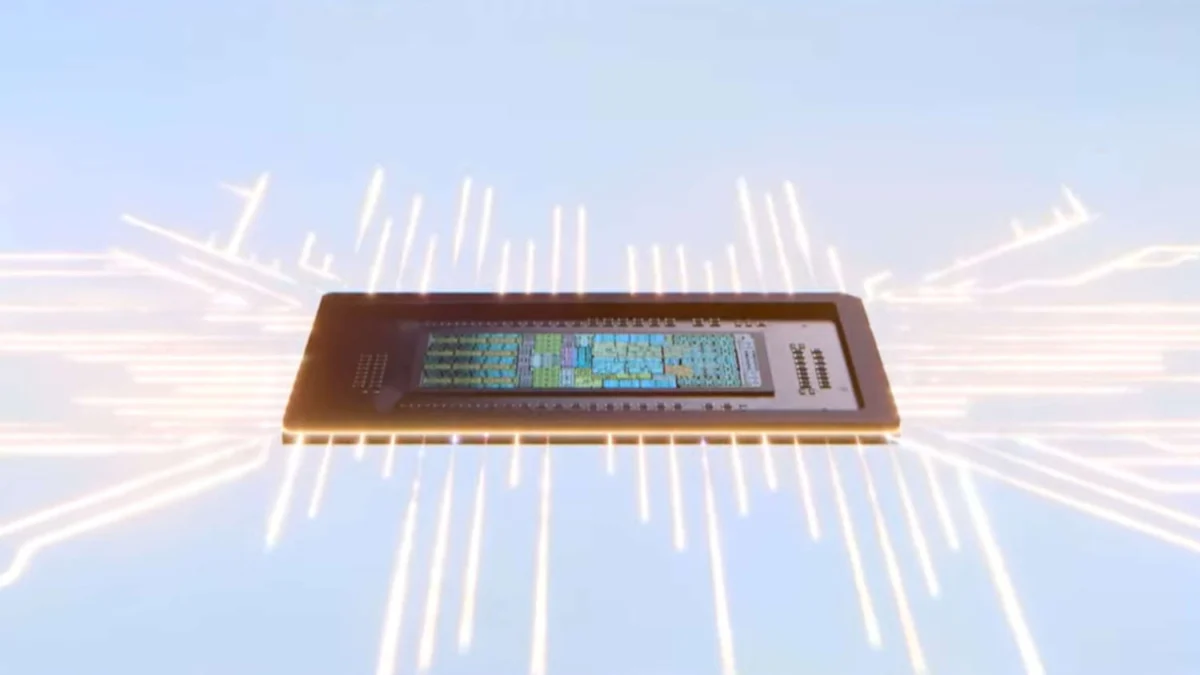
The landscape of mobile computing is undergoing its most significant shift in over a decade. As the industry moves away from the traditional x86 hegemony, Nvidia has officially entered the fray with its most ambitious mobile product to date: the RTX Spark. This new System-on-Chip (SoC) represents a tectonic shift for the gaming laptop and mini-PC markets, marrying the architectural efficiency of Arm with the raw, high-fidelity graphical prowess that has defined Nvidia’s brand for years.
The Architecture of Efficiency: What is the RTX Spark?
The Nvidia RTX Spark is not merely a graphics processor; it is a comprehensive SoC designed to serve as the beating heart of a new generation of ultra-thin, high-performance computing devices. By leveraging the Arm architecture, Nvidia is aiming to solve the two biggest pain points for mobile gaming: thermal constraints and battery degradation.
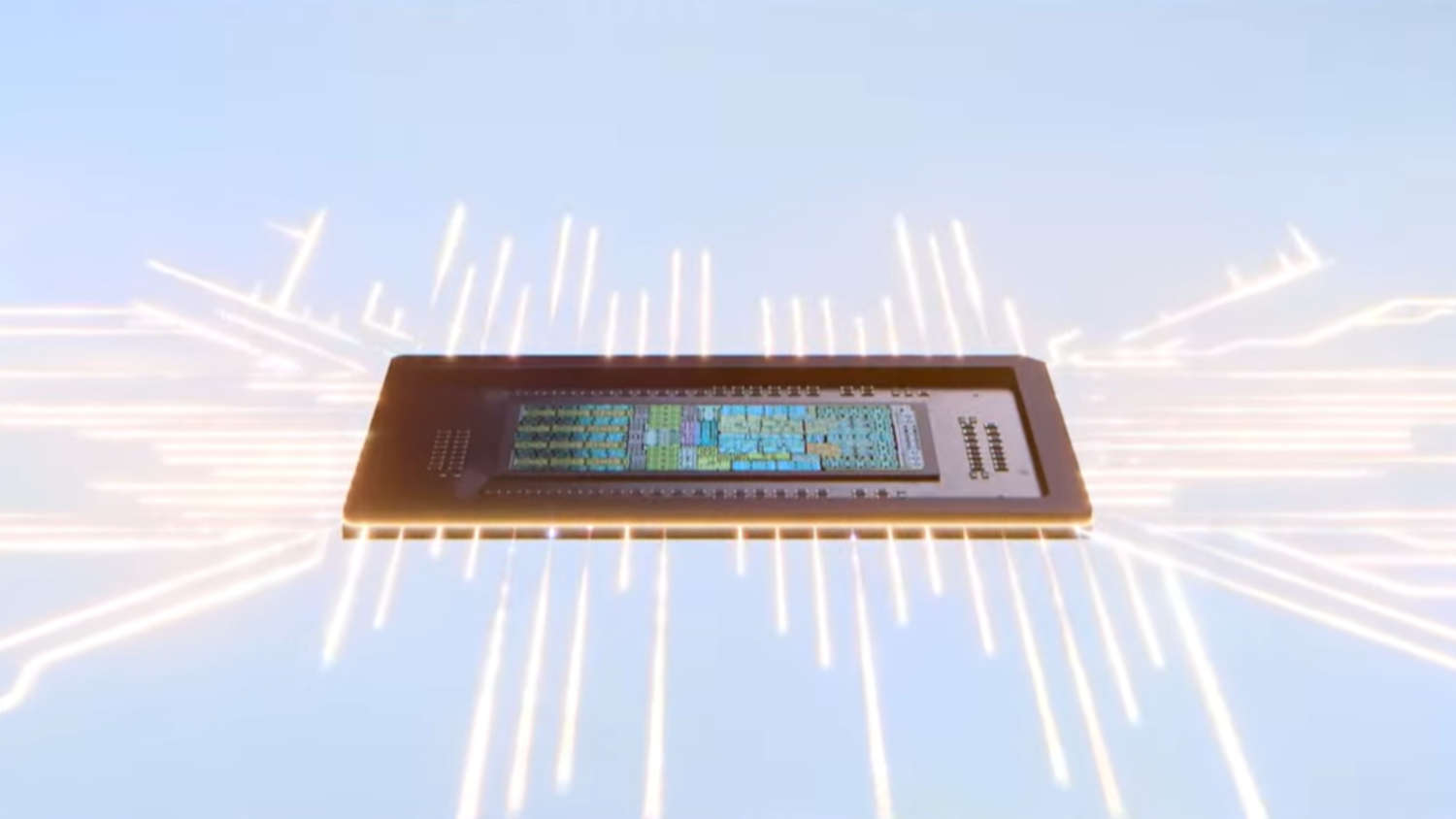
At its core, the RTX Spark is a powerhouse of integrated silicon. The SoC features up to 20 Grace CPU cores, providing a massive amount of computational overhead for both background tasks and high-intensity gaming. Complementing this is a potent GPU architecture packing up to 6,188 CUDA cores. To ensure that data bottlenecks are kept to a minimum, the chip supports up to 128 GB of unified LPDDR5x memory. This unified memory architecture—a hallmark of high-end mobile silicon—allows the CPU and GPU to share resources efficiently, drastically reducing latency during complex 3D rendering tasks.
Chronology: From Data Centers to Thin-and-Light Laptops
The journey to the RTX Spark began in the enterprise and data center space. Nvidia’s Grace CPU technology was originally developed to tackle the high-performance computing (HPC) needs of modern AI data centers. However, the scalability of this architecture made it an obvious candidate for the consumer market.
- Initial Development: Nvidia refined its Grace architecture, focusing on the power-per-watt efficiency required for server environments.
- The Pivot to Consumer: Recognition that "thin-and-light" laptops were hitting a thermal wall with traditional processors led to the integration of the Grace CPU with RTX GPU technology.
- The Pre-Computex Briefing: During the recent lead-up to Computex, Nvidia’s product marketing team, led by Mark Aevermann, unveiled the RTX Spark to the press, framing it as the "most efficient PC chip ever built."
- Future Outlook: While we are currently in the pre-release phase, the ecosystem is already preparing for a wave of RTX Spark-powered machines that promise to redefine the "gaming laptop" category.
Supporting Data: Efficiency vs. Raw Power
The primary promise of the RTX Spark is the ability to hit 1440p gaming at 100 frames per second (fps) in modern titles, all within a chassis that would typically be reserved for ultrabooks.
When we look at the competition, specifically Intel’s G3 Extreme handheld chips, the benchmark for "efficiency" has been set remarkably high. Current handheld devices using these chips are achieving between five and eleven hours of battery life depending on the load. While a 14-inch or 16-inch gaming laptop will naturally have a higher power draw than a handheld, the RTX Spark’s unified memory and Arm-based instruction set offer a significant advantage over x86 counterparts that rely on discrete power-hungry components.
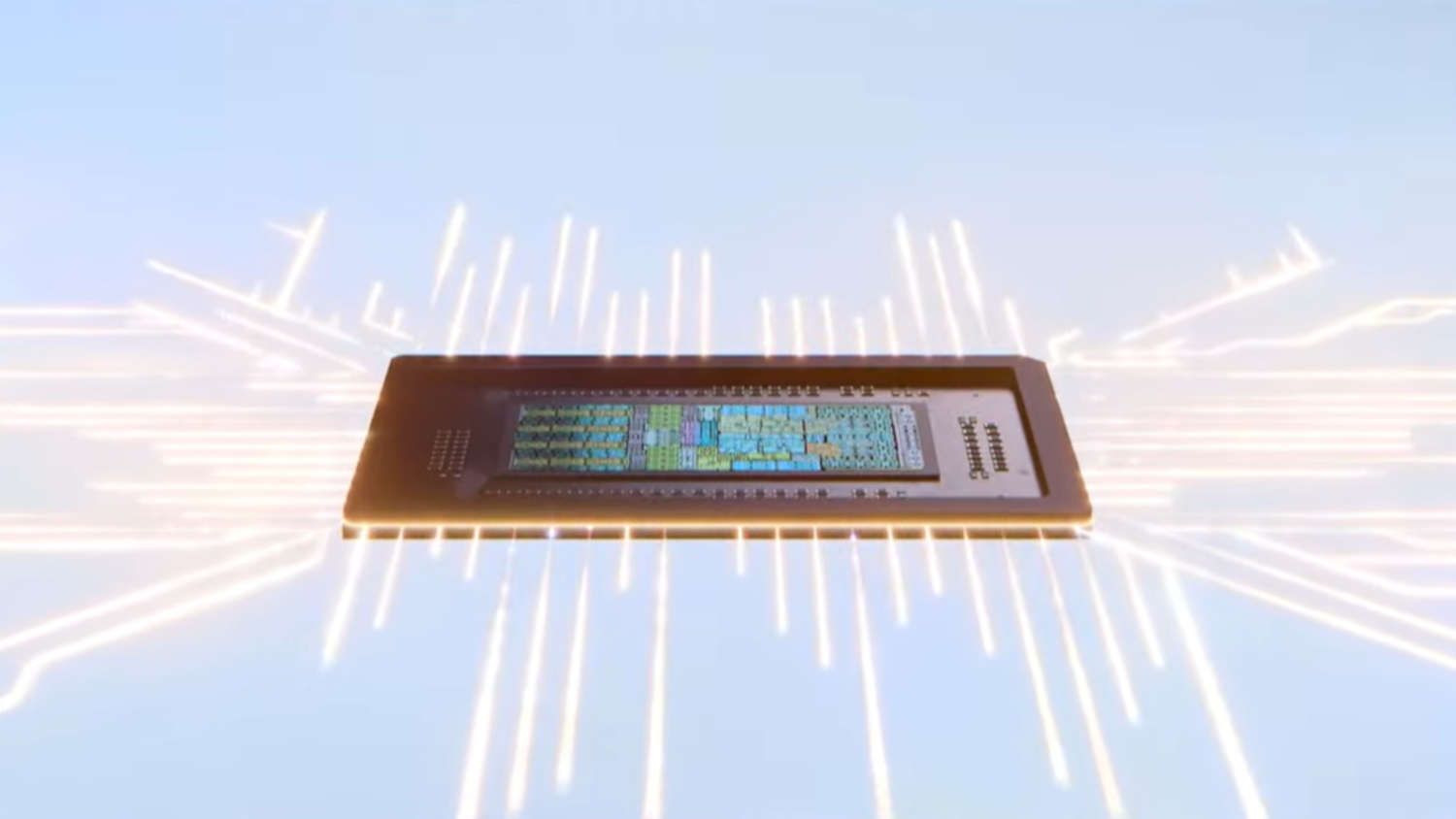
The "unified" nature of the RTX Spark means that data doesn’t need to travel across a motherboard to move from the CPU to the GPU, cutting out the "middleman" of traditional PCIe lanes. This reduction in overhead directly translates to lower power consumption, allowing manufacturers to squeeze more performance out of the same battery capacity.
Official Responses and Managing Expectations
In the world of high-end hardware, marketing claims often outpace real-world performance. Nvidia, to its credit, has adopted a tempered approach regarding the battery life of the RTX Spark. During the pre-Computex briefing, Mark Aevermann was careful to differentiate between "all-day productivity" and "gaming under load."
"Gaming battery life… it’s going to vary on a whole lot of factors," Aevermann noted. He acknowledged that while the RTX Spark is built for efficiency, the laws of physics remain unchanged. "Just like any laptop out there, literally any laptop, if you pull the maximum you can out of a battery you’re only going to get 45 minutes to an hour. That’s true of every laptop on the market."
However, Aevermann’s optimism remains palpable. He encouraged the audience to expect performance "much better than anything you’ve seen before on RTX laptops." The nuance here is that the RTX Spark is designed to be efficient at low-to-medium workloads, allowing the user to play games at lower settings or frame-rate caps for significantly longer periods than current gaming laptops, which often struggle to last more than two hours even under light load.
The Implications for the PC Market
The introduction of the RTX Spark has profound implications for the industry.
1. The End of the "Gaming Laptop" Aesthetic
For decades, gaming laptops have been synonymous with bulky cooling solutions, aggressive aesthetics, and brick-like power adapters. The RTX Spark enables manufacturers to build powerful gaming machines that look like professional workstations. We are likely to see a shift toward minimalist designs where the laptop is a gaming machine by night and a productivity tool by day, without the "gamer" branding.
2. A Challenge to the x86 Monopoly
Intel and AMD have long relied on the x86 architecture to power the PC world. By successfully moving gaming to the Arm architecture, Nvidia is signaling that the x86 instruction set is no longer a prerequisite for high-performance gaming. If the RTX Spark performs as promised, it could force a rapid acceleration in the power-efficiency of Intel’s upcoming mobile chips.
3. The Mini-PC Renaissance
The RTX Spark is not just for laptops. Its compact, integrated nature makes it a perfect candidate for the next generation of Mini-PCs. Imagine a device the size of a paperback book capable of playing the latest triple-A titles at 1440p. This could effectively replace the mid-range desktop tower for a massive segment of the gaming population who lack the desk space for a full ATX rig.
4. Software Compatibility and Ecosystem
The elephant in the room remains software compatibility. Moving from x86 to Arm requires robust translation layers. While Microsoft has made significant strides with Windows on Arm, the gaming community will be looking closely at how the RTX Spark handles older legacy titles and anti-cheat software that often struggles with non-x86 environments. Nvidia’s success will ultimately depend on whether the transition is "invisible" to the end user.
Conclusion: A New Horizon for Mobile Gaming
The Nvidia RTX Spark is more than just a new chip; it is a declaration of intent. By bringing high-end GPU performance into the power-sipping world of Arm, Nvidia is attempting to solve the "battery anxiety" that has plagued portable gaming since its inception.
While we should remain cautious until independent benchmarks verify Nvidia’s claims, the technical specs—20 Grace cores, 6,188 CUDA cores, and unified LPDDR5x memory—provide a formidable foundation. If the RTX Spark can deliver even a 20-30% improvement in battery life over current gaming laptops while maintaining the expected frame rates, it will be the most disruptive product in the laptop market since the introduction of the MacBook Air.
The industry is watching, and for the first time in a long time, the future of the gaming laptop looks significantly lighter, cooler, and longer-lasting. As we head into the next generation of mobile computing, the RTX Spark is the one to watch.


 Asro
Asro
 Muslim