Nila Kartika Wati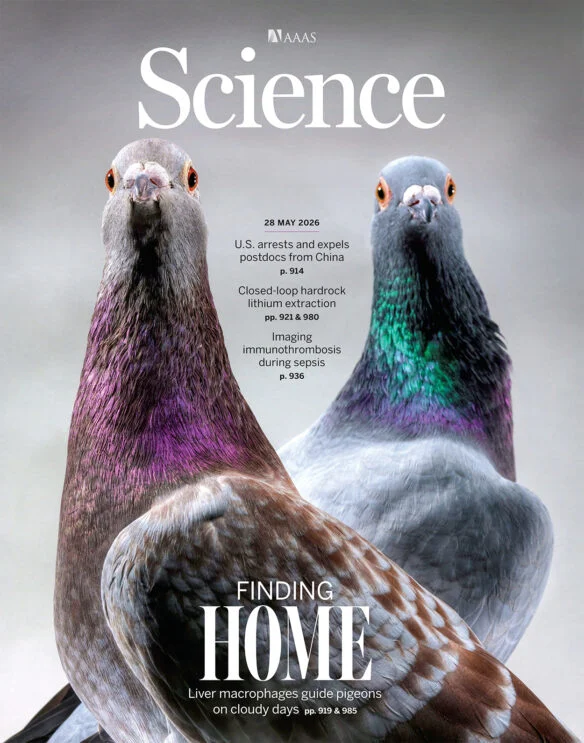
The landscape of speculative fiction and its broader cultural ecosystem is currently undergoing a period of significant volatility. From the administrative struggles of vital grassroots support systems to the ongoing legislative and market pressures facing queer literature, the community is navigating a complex web of challenges. Simultaneously, fans and scholars are re-evaluating classic cinema and the nature of human perception, underscoring the genre’s enduring role as a mirror for both our creative dreams and our sociopolitical realities.
1. Administrative Crisis: "Con or Bust" Battles Fraud
The Dream Foundry, a non-profit organization dedicated to supporting emerging creators, has announced a distressing trend affecting its flagship program, Con or Bust. The project, designed to provide cash grants to fans and creators of color to facilitate attendance at industry events, has become the target of sophisticated fraudulent activity.
The Scope of the Problem
According to a recent newsletter from the organization, the influx of fake applications has reached a critical threshold. These fraudulent submissions range from fabricated identities and non-existent events to the brazen impersonation of legitimate applicants. This wave of bad-faith activity has forced the Dream Foundry to overhaul its vetting protocols.

Official Response and Future Implications
In an official statement, the organization expressed regret over the resulting delays, noting that the new, more rigorous verification requirements have made the process "more cumbersome" for genuine applicants.
"We take our responsibility to be stewards of the resources donated to us for this program very seriously," the statement read. The Dream Foundry is currently working on streamlining these procedures. In the interim, they have advised potential applicants to submit their requests as early as possible, particularly those who lack US-based identification or social security numbers. As the organization establishes a new, sustainable baseline for grant processing, they intend to provide updated timelines on their website.
2. Literary Censorship and the "Breaking Point" for Queer Voices
While administrative hurdles hamper grant distribution, a more existential threat is looming over the publishing industry. A recent report by Danika Ellis for BookRiot highlights a "breaking point" for queer books and authors, driven by five years of escalating censorship.

Supporting Data: The Erosion of the Market
The data regarding this decline is stark. School Library Journal has reported that publishers are increasingly shying away from "diverse" titles, with many agents and authors confirming that acquisition numbers have plummeted. The financial impact is equally severe:
- Sales Decline: Small publishers focusing on diverse books have seen their library and school sales drop by 50%.
- Visibility Issues: Jason Low, co-owner of Lee & Low Books, noted that even innocuous elements—such as rainbows on covers—are causing books to be omitted from orders due to fear of backlash.
- Income Instability: Authors of queer children’s literature, who rely heavily on school visits for income, are reporting that such invitations have dried up entirely. Award-winning YA author Adib Khorram reported a 70% drop in royalties directly correlated with the rise in censorship.
The Chilling Effect
Dahlia Adler, creator of LGBTQ Reads, notes that the publishing industry is experiencing a palpable "chilling effect." By tracking deal announcements in Publishers Weekly, Adler observed a decline in the acquisition of queer stories and an increase in the use of "coded language" to obscure queer themes in book marketing. This trend, exacerbated by recent political shifts, threatens to push marginalized voices entirely out of the children’s literature market.
3. The Future of Ellison’s Literary Legacy
The community continues to look toward the future of classic sci-fi, with questions regarding the stewardship of the Harlan Ellison estate. Chris Barkley recently queried literary executor J. Michael Straczynski regarding the potential for reissuing Ellison’s iconic short story collections. While no concrete timeline was provided, the inquiry underscores the community’s ongoing desire to preserve and re-examine the works of foundational genre architects.

4. Philosophical Provocations: Criminal Justice and "Golden Rule"
The Future Tense fiction series, a collaboration between Slate and Arizona State University’s Center for Science and the Imagination, has released a new short story, "Golden Rule" by Monica Byrne. The narrative serves as a launching point for a broader discussion on the efficacy of the modern criminal justice system.
The Purpose of Punishment
Attorney Randy McDonald, in a companion essay titled "The Purpose of Punishment," argues that our current system is failing to meet its stated goals. McDonald points out that while the system claims to balance incapacitation, rehabilitation, deterrence, and retribution, it often defaults to the latter while paying lip service to the former.
Byrne’s story explores a future defined by a purely retributive system, inviting readers to consider the ethical hazards of abandoning rehabilitation. As McDonald notes, "The purpose of punishment is to increase total happiness throughout the polity by preventing future crime, rather than to exact vengeance."

5. Media Retrospectives and Cultural Critiques
The intersection of classic cinema and modern genre production continues to be a rich area of academic and fan interest.
The Mandalorian’s Cinematic DNA
The Wrap recently explored the numerous film references embedded in Jon Favreau’s The Mandalorian and Grogu. Favreau, who has long drawn inspiration from the likes of Akira Kurosawa and George Lucas, continues this tradition by integrating thematic echoes from his own filmography—notably his indie hit Chef. The comparison between the food truck dynamics in both films serves as a reminder of the "unexpected connective tissue" that defines modern sci-fi world-building.
Reassessing SpaceCamp
On the eve of its 40th anniversary, the 1986 film SpaceCamp is undergoing a reassessment by Ars Technica. Originally a box-office disappointment released in the wake of the Challenger disaster, the film is now viewed by some as an influential piece of media that helped fuel a generation’s interest in space exploration. The dialogue between senior editors Eric Berger and Lee Hutchinson highlights the tension between the film’s "preposterous" plot elements and its genuine impact on space enthusiasts.

6. The State of the Novella
Dave Hook’s recent analysis in A Deep Look tackles the question: "Is the Golden Age of the Novella over?"
- The Findings: While the peak publishing years for novellas occurred between 2016 and 2017, current numbers remain higher than in any year prior to 2008.
- Genre Significance: The novella continues to be treated as a "perfect story length" for speculative fiction, with the format holding a secure place in the Hugo, Nebula, Locus, and World Fantasy Awards.
7. Scientific Frontiers: Navigating the Unknown
In a fascinating bridge between science fiction tropes and real-world biology, this month’s cover story in Science journal reveals a breakthrough in how animals navigate the globe.
The Magnetic Sense
Researchers have identified "superparamagnetic macrophages" in the livers of rock pigeons (Columba livia) that are crucial for magnetic sensing. This discovery challenges our understanding of animal navigation, shifting the focus to immune cells as sensory organs. For fans of the genre—who have long obsessed over telepathy and "spidey-senses"—this revelation proves that the real world possesses biological mysteries as complex and wonder-inducing as any speculative narrative.
Chronology of Events
- May 19, 2026: Mike Allen’s novel Trail of Shadows wins the Webster Award at Ravencon, marking a significant milestone in Weird Appalachian fiction.
- May 29, 2026: Ben Child reflects on the "sliding door" moment of Nicolas Cage as the Green Goblin in Spider-Man.
- May 30, 2026: Dave Hook publishes his analysis of the novella market.
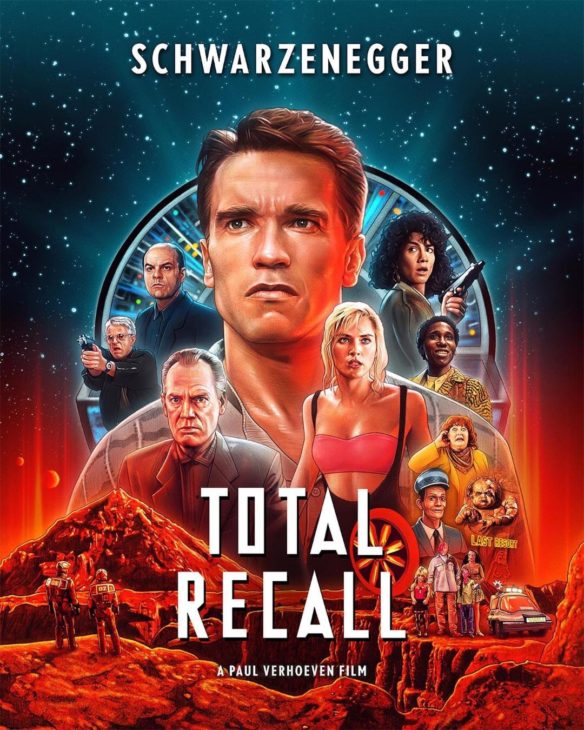
- May 31, 2026: Paul Weimer provides a retrospective on the 1990 classic Total Recall, noting its continued relevance regarding authoritarianism and colonialist mindsets.
Conclusion
The speculative community remains a space of high engagement, where the struggles of the present—be it fraud, censorship, or the economic precarity of authors—are met with rigorous critique and a continued commitment to the preservation of the genre. As we look forward, the resilience of these creators and the ongoing scientific discoveries about the world around us ensure that the "golden age" of wonder, however defined, remains an active pursuit.

 Siti Muinah
 Ammar Sabilarrohman