

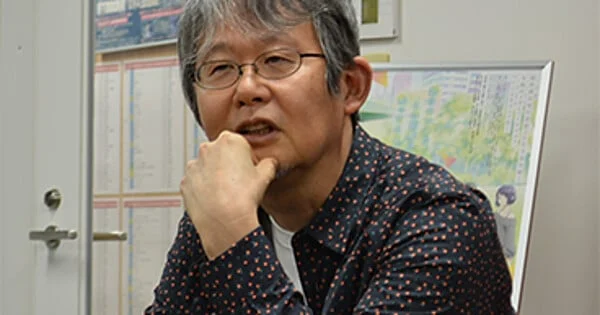
Tokyo, Japan – May 31, 2026 – A significant shift has occurred within the esteemed Japanese animation studio Madhouse, as veteran animator and character designer Kunihiko Hamada has confirmed his departure from the company. Hamada, a pivotal figure whose artistic contributions have graced numerous critically acclaimed and beloved anime series and films, revealed on his birthday, May 31st, that his tenure at Madhouse concluded at the end of March. His announcement, made via his X (formerly Twitter) account, also indicated that he has since taken on a new role at a different animation company.
The most striking aspect of Hamada’s revelation is his claim that he received no severance pay following his extensive career at Madhouse. This assertion, if accurate, raises questions about the studio’s practices regarding long-serving employees and could signal a broader trend within the industry. Hamada stated that he dedicated a remarkable 35 years to Madhouse, a period that included over two decades as a full-time staff employee. The absence of severance pay, a customary benefit for employees leaving after such a long and dedicated service, has understandably become a focal point of his public statement.
Hamada’s career at Madhouse is indelibly linked to some of the most iconic and impactful works in anime history. His skill as a chief animation director has shaped the visual identity of series such as the psychological thriller Monster, the stylish drama NANA, the high-stakes gambling series Kaiji -Ultimate Survivor-, the competitive sports anime Chihayafuru, and the heartwarming romance My Love Story!!. His directorial oversight ensured a consistent and high-quality visual experience for audiences worldwide, cementing his reputation as a master of his craft.
Beyond his directorial work, Hamada is equally renowned for his distinctive character designs. He lent his unique artistic vision to the memorable characters of NANA, Chihayafuru, My Love Story!!, the magical girl phenomenon Cardcaptor Sakura: Clear Card, and the recent hit My Love Story With Yamada-kun at Lv999. His ability to imbue characters with personality and visual appeal has been a hallmark of his career, making them instantly recognizable and deeply resonant with fans. Most recently, his character designs were featured in Madhouse’s April premiere, A Hundred Scenes of AWAJIMA, further underscoring his ongoing creative output.
Hamada’s animation contributions extend to a diverse range of projects, including the critically acclaimed film Summer Wars and the popular fantasy series No Game, No Life. His entry into Madhouse dates back to 1990, with his initial project being Cyber City Oedo 808, a seminal OVA that showcased the studio’s burgeoning talent at the time. His journey from a junior animator to a leading figure within the studio represents a significant portion of Madhouse’s rich history.
A Career Forged in Animation Excellence
Kunihiko Hamada’s departure marks the end of an era for Madhouse, a studio celebrated for its diverse portfolio and consistently high production values. For 35 years, Hamada was not merely an employee but an integral part of the studio’s creative engine. His journey began in 1990, a period when Madhouse was solidifying its reputation for innovative storytelling and striking visual aesthetics. His first assignment, Cyber City Oedo 808, a three-part OVA known for its gritty cyberpunk world and dynamic action, immediately placed him within projects that pushed creative boundaries.
As the years progressed, Hamada’s role evolved significantly. He rose through the ranks, demonstrating a keen eye for detail and a profound understanding of animation principles. This led to his prominent position as chief animation director on a string of highly successful and critically lauded anime. In this capacity, he was instrumental in maintaining the visual consistency and artistic integrity of entire series.
Key Roles as Chief Animation Director:
- Monster (2004-2005): This complex psychological thriller, based on Naoki Urasawa’s manga, demanded a mature and nuanced visual style. Hamada’s direction ensured that the unsettling atmosphere and the intricate character dynamics were flawlessly translated to the screen. The series is widely considered a masterpiece of the genre, and Hamada’s contribution was crucial to its impact.
- NANA (2006-2007): A stylish and emotionally resonant drama chronicling the lives of two young women named Nana in Tokyo. Hamada’s work on NANA captured the series’ blend of fashion, music, and poignant human relationships, making the characters’ struggles and triumphs visually compelling.
- Kaiji -Ultimate Survivor- (2007-2008, 2011): This intense gambling anime is characterized by its high-stakes scenarios and psychological tension. Hamada’s direction amplified the suspense, meticulously depicting the characters’ desperation and strategic maneuvers, which were central to the show’s gripping narrative.
- Chihayafuru (2011-2013, 2019-2020): A beloved sports anime focusing on the competitive world of karuta. Hamada’s animation direction brought the fast-paced card game to life with dynamic visuals and captured the passion and dedication of the young athletes. The series garnered widespread critical acclaim for its storytelling and animation.
- My Love Story!! (2015): This heartwarming romantic comedy, known for its charming characters and positive outlook, benefited greatly from Hamada’s touch. His animation direction infused the series with a sense of warmth and sincerity, making the unconventional romance a delight to watch.
- My Love Story With Yamada-kun at Lv999 (2023): A more recent success, this anime continued Hamada’s expertise in romantic comedies. His character designs and animation direction contributed to the series’ appeal, resonating with a new generation of fans.
Beyond his directorial duties, Hamada’s talent as a character designer has left an indelible mark on the anime landscape. His creations are not just visually appealing but are imbued with a distinct personality that drives the narrative.
Notable Character Design Contributions:
- NANA: His designs for the titular characters and the supporting cast were integral to the series’ iconic fashion-forward aesthetic and emotional depth.
- Chihayafuru: Hamada’s character designs for the karuta players captured their individual personalities and competitive spirits, making them instantly relatable.
- My Love Story!!: The distinctive and endearing character designs in this series were a key factor in its widespread popularity and charm.
- Cardcaptor Sakura: Clear Card: Revisiting a beloved franchise, Hamada’s designs for the new generation of characters and the updated looks for the returning cast were met with enthusiasm.
- My Love Story With Yamada-kun at Lv999: Continuing his success in the romance genre, his designs for this series contributed to its modern and engaging visual style.
Hamada’s involvement in projects like the animated film Summer Wars and the critically acclaimed series No Game, No Life further demonstrates the breadth of his talent and his ability to adapt his style to different genres and narrative demands. His foundational work on Cyber City Oedo 808 laid the groundwork for a career that has consistently delivered excellence.
The Unsettling Departure: A Question of Severance
The core of Kunihiko Hamada’s recent public statement centers on a significant and concerning detail: the alleged lack of severance pay upon his departure from Madhouse. After dedicating 35 years of his professional life to the studio, with over two decades spent as a full-time staff employee, such an omission is highly unusual and, for many, deeply troubling.
Severance pay is a common practice in many professional industries, particularly in Japan, serving as a financial cushion and a token of appreciation for long-term commitment. It acknowledges the employee’s contribution and helps them transition to new employment. For an individual like Hamada, who has been a cornerstone of Madhouse’s creative output for over three decades, the absence of this benefit raises serious questions about the studio’s treatment of its veteran staff.
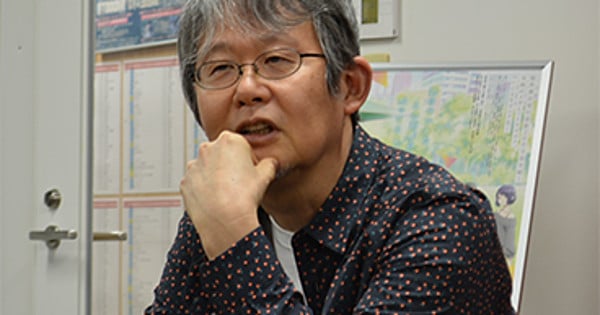
While the specifics of employment contracts and studio policies are often private, Hamada’s direct statement on his personal social media platform carries significant weight. It suggests a departure that was not amicable or, at the very least, lacked the expected professional courtesies. The timing of his announcement, coinciding with his birthday, adds a poignant layer to his revelation, perhaps highlighting a sense of personal reflection and disappointment.
The implications of this claim are far-reaching. It could prompt discussions among industry professionals and fans alike about labor practices within anime studios. For animators and other creative staff, who often work under demanding conditions and with fluctuating employment security, the assurance of fair treatment upon leaving a long-term position is paramount. Hamada’s experience, if it becomes a broader issue, could influence how other long-serving employees perceive their security and the value placed upon their contributions.
Supporting Data and Industry Context
To understand the gravity of Hamada’s situation, it is crucial to consider the broader context of the anime industry. The industry is known for its passionate workforce, but also for its demanding schedules, intense workloads, and sometimes precarious employment structures. While many studios strive to provide a supportive environment, the freelance nature of much of the work and the pressure to meet tight deadlines can create challenges.
The claim of no severance pay for a 35-year veteran at a studio like Madhouse, which has a long and distinguished history, stands in contrast to what might be considered standard industry practice for permanent staff in many developed economies. While specific contractual agreements can vary, a lack of any form of severance for such a lengthy tenure would be highly unusual.
Madhouse, founded in 197_ by Osamu Dezaki, Masao Maruyama, Ryōji Suzuki, and Yoshiaki Kawajiri, has consistently produced high-quality anime, earning a reputation for artistic innovation and narrative depth. Its roster of acclaimed works includes titles like Perfect Blue, Paprika, Death Note (co-produced), and One-Punch Man (Season 1). The studio’s longevity and consistent output are testament to the talent and dedication of its staff over the decades.
Hamada’s career trajectory within Madhouse, from his early days on Cyber City Oedo 808 to his leadership roles on major projects, mirrors the studio’s own evolution and success. His contributions have not only enriched individual projects but have also played a part in shaping Madhouse’s legacy. Therefore, the circumstances of his departure, particularly the absence of severance, are likely to be viewed with concern by many who have followed his work and admired Madhouse’s output.
The "instaread-player" element in the original article suggests the inclusion of a summarized or audio version of the news. This indicates a focus on accessibility and engagement with the news. The integration of links to specific anime titles and companies within the text also points to a desire to provide context and allow readers to explore related information, common in industry-specific news outlets.
Potential Official Responses and Future Implications
As of the time of this report, Madhouse has not issued an official statement addressing Kunihiko Hamada’s claims. The absence of a response leaves the situation open to interpretation and speculation. However, given the prominence of Hamada within the anime community and the significant nature of his allegations, it is plausible that the studio may feel compelled to address the matter publicly.
An official response could take several forms:
- Denial or Clarification: Madhouse might issue a statement denying the claim of no severance pay, perhaps explaining that Hamada was not a permanent staff employee eligible for such benefits, or that an agreement was reached that did not involve traditional severance.
- Acknowledgement and Explanation: The studio could acknowledge Hamada’s tenure and the circumstances of his departure, offering an explanation for the absence of severance pay, though this is less likely if the claim is accurate and perceived as unfair.
- Silence: In some cases, companies choose to remain silent on personnel matters, especially if they believe it is not in their best interest to engage publicly.
The implications of this situation extend beyond just Hamada and Madhouse. If Hamada’s claims are substantiated, it could:
- Spark Industry-Wide Dialogue: It may prompt a broader conversation about employment standards, contract negotiations, and employee welfare within the Japanese animation industry.
- Impact Employee Morale: Other long-serving animators and staff at Madhouse and other studios might feel a sense of unease or re-evaluate their own employment terms.
- Influence Future Talent: Aspiring animators may become more cautious and diligent in understanding their employment rights and benefits when considering offers from studios.
- Damage Studio Reputation: A perceived mishandling of the departure of a respected veteran could tarnish Madhouse’s reputation among fans and industry professionals alike, potentially affecting its ability to attract top talent in the future.
The story of Kunihiko Hamada’s departure from Madhouse is more than just a personnel change; it is a potential indicator of underlying issues within a beloved and influential industry. The coming days and weeks will be crucial in determining whether Madhouse chooses to engage with these allegations and what impact this event will ultimately have on the animation landscape. The dedication and artistry of individuals like Hamada have built the anime industry, and their treatment upon leaving that service is a matter of significant importance.










No comments yet. Be the first to join the conversation!