
 Nana
Nana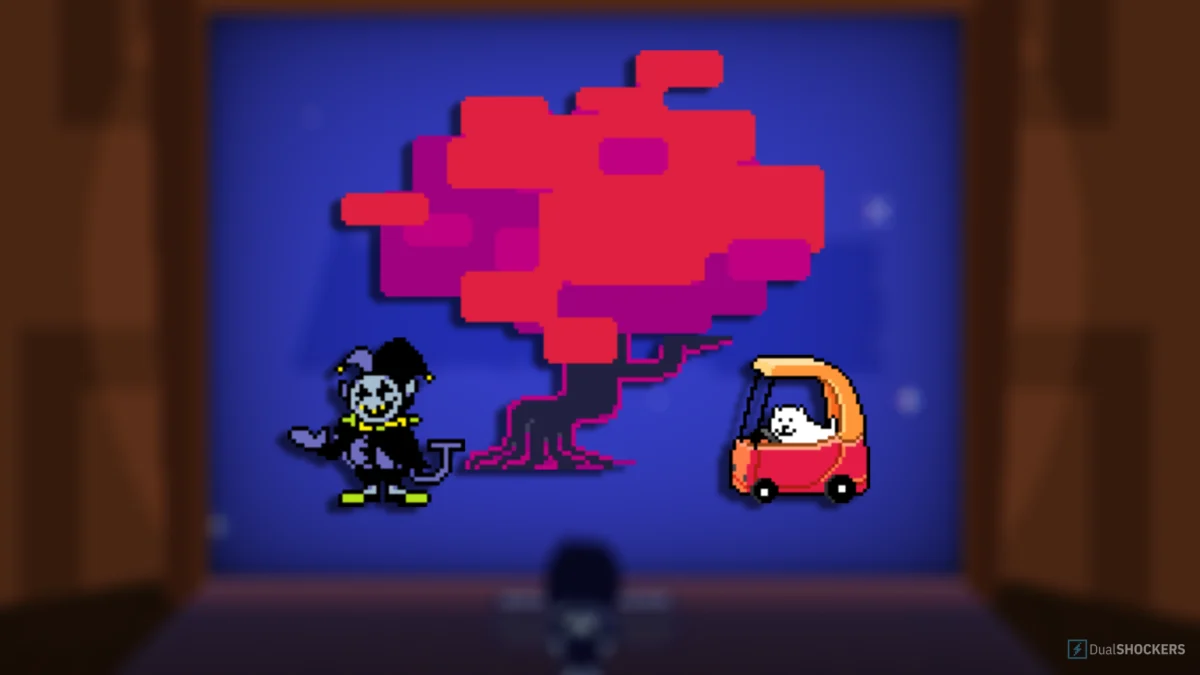
If there is one defining trait of Toby Fox’s development philosophy, it is a near-supernatural obsession with the unseen. Following the massive success of Undertale, fans quickly realized that Fox and his team do not merely hide "Easter eggs"—they construct entire subterranean layers of gameplay, narrative, and bizarre meta-commentary that the average player is statistically unlikely to encounter in a single, blind playthrough. Deltarune, the episodic follow-up to his magnum opus, is positively saturated with these obfuscated details.
From the seemingly mundane act of eating moss to the chilling, reality-warping implications of the "Weird Route," Deltarune demands total player commitment to reveal its true face. Because of the game’s linear, chapter-based architecture, these secrets are often locked behind specific, time-sensitive actions. For the uninitiated, here is an exhaustive look at the secrets that define the Deltarune experience.

The Philosophy of Obfuscation: Why It Matters
In an era where most games guide players by the hand, Toby Fox designs with the intent of reward through discovery. Many of Deltarune’s most impactful moments are entirely optional. If you are playing without the guidance of a community or a streaming audience, you are almost guaranteed to miss content that frames the game’s deeper lore or its more eccentric humor.
These secrets range from harmless, recurring gags to game-altering story paths that shift the entire tone of the narrative. To understand the world of Deltarune, one must be willing to backtrack, experiment with item usage, and interact with the environment in ways that defy conventional RPG logic.
Chronology of Secrets: From Chapters 1 to 5
10. The Culinary Mystery of the Spin Cake
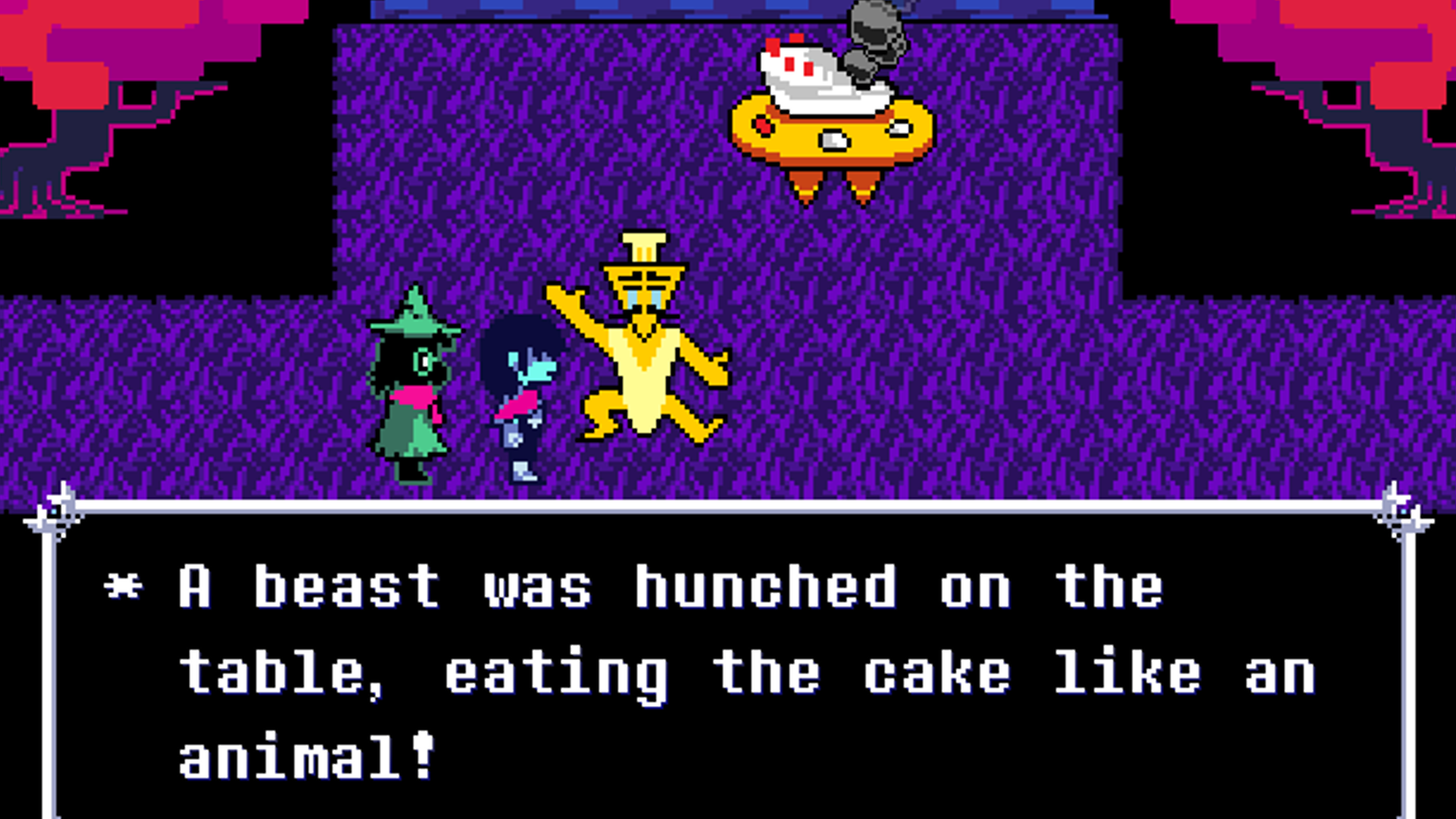
Midway through Chapter 1, players encounter "Top Chef," a flamboyant, spinning golden entity with a penchant for high-stakes baking. When his masterpiece is unceremoniously obliterated by Susie, it serves as a simple sight gag. However, the game tracks this. By retrieving the "broken" remains and visiting Malius the smith, players can restore the Top Cake. Returning it to Top Chef unlocks the "Spin Cake," a potent recovery item.
What makes this a brilliant recurring secret is its persistence: in later chapters, Top Chef moves to your Castle Town. He will replace the Spin Cake infinitely, provided you don’t have one in your inventory. By Chapter 4, his dialogue shifts to a meta-commentary on player behavior, dryly noting that "Lightners only want one thing, and it’s disgusting."
9. The Nutritional Value of Moss
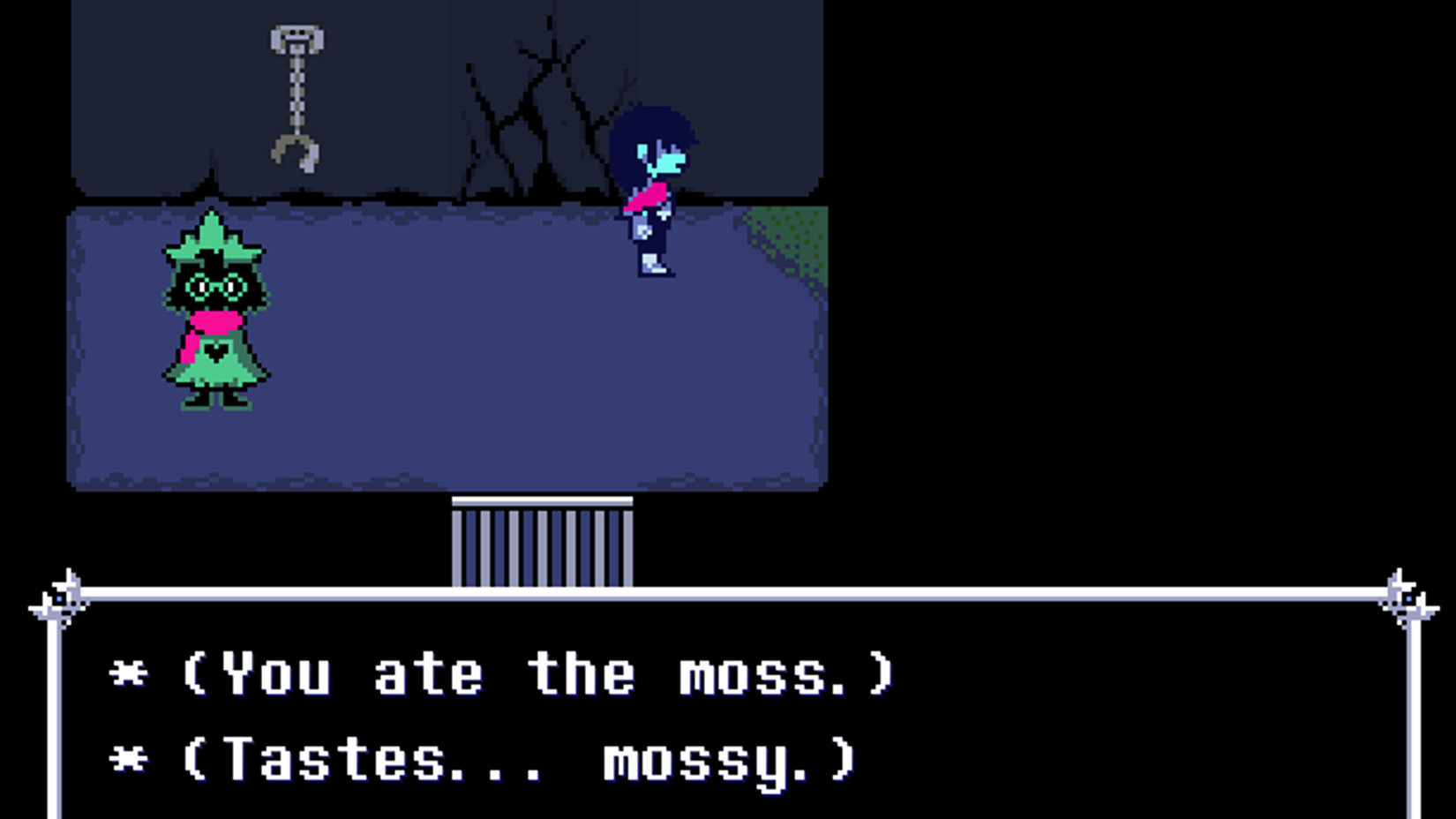
It seems trivial, but the game tracks your consumption of moss throughout every chapter. Starting with the prison sequence in Chapter 1, any patch of moss can be eaten to restore health. While the HP recovery is minor, the act influences the "title" assigned to Kris on the status screen. For completionists on the PlayStation platform, this serves as a metric for specific achievement tracking, proving that in Deltarune, even your dietary habits are part of the save-file narrative.
8. The Original Starwalker
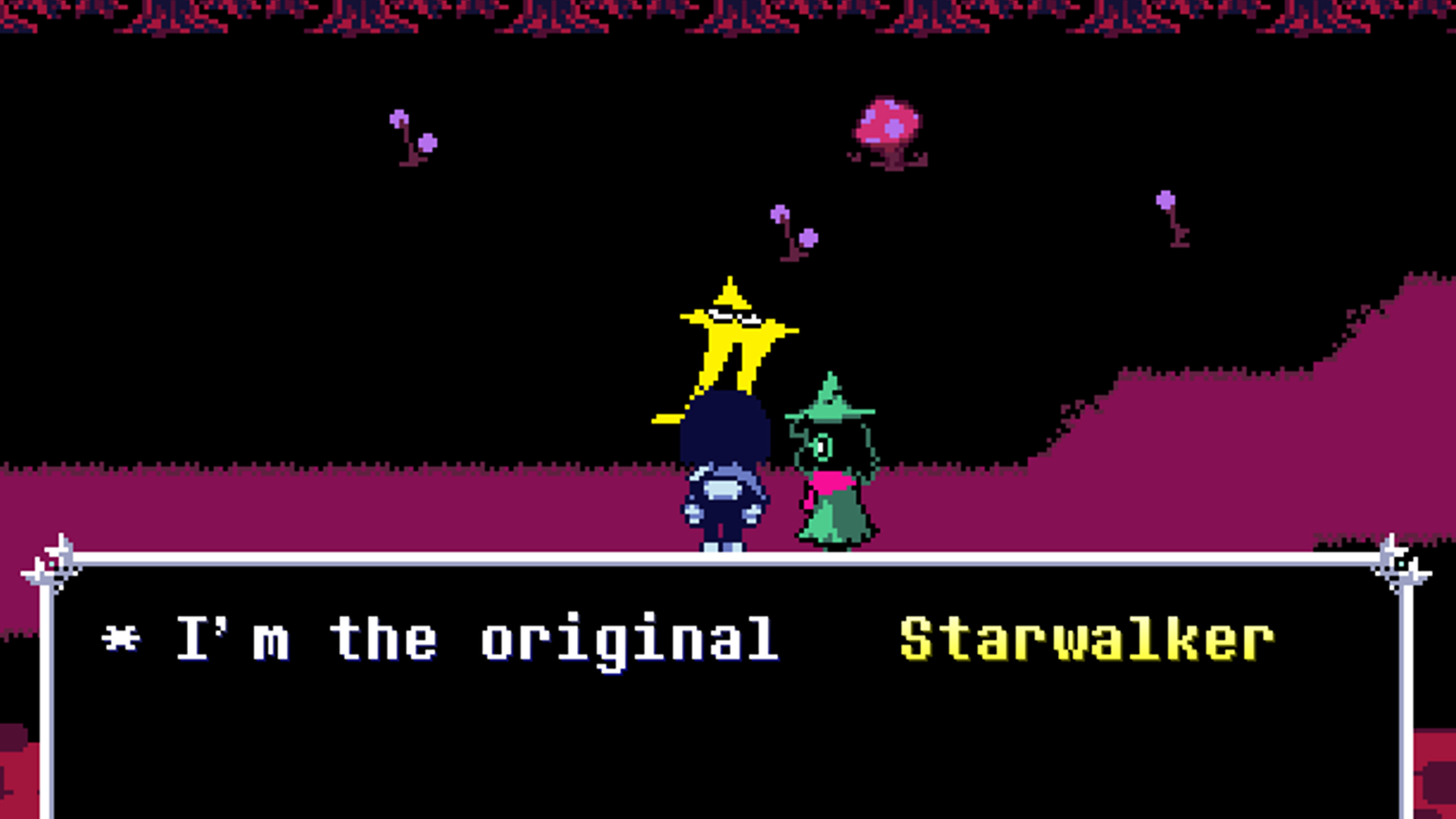
A masterclass in the "recurring bit," the "Original Starwalker" appears in Chapter 1 after a specific backtrack near the Starwalker Bird encounter. This character, who insists on his "original" status, becomes a series staple. He appears as a giant robot pilot in Chapter 2, a backstage entity in Chapter 3, a statue in Chapter 4, and eventually the "Final Starwalker" in Chapter 5. He serves no functional gameplay purpose, yet his persistence underscores the bizarre, interconnected nature of the Dark Worlds.
7. Annoying Dog Cameos
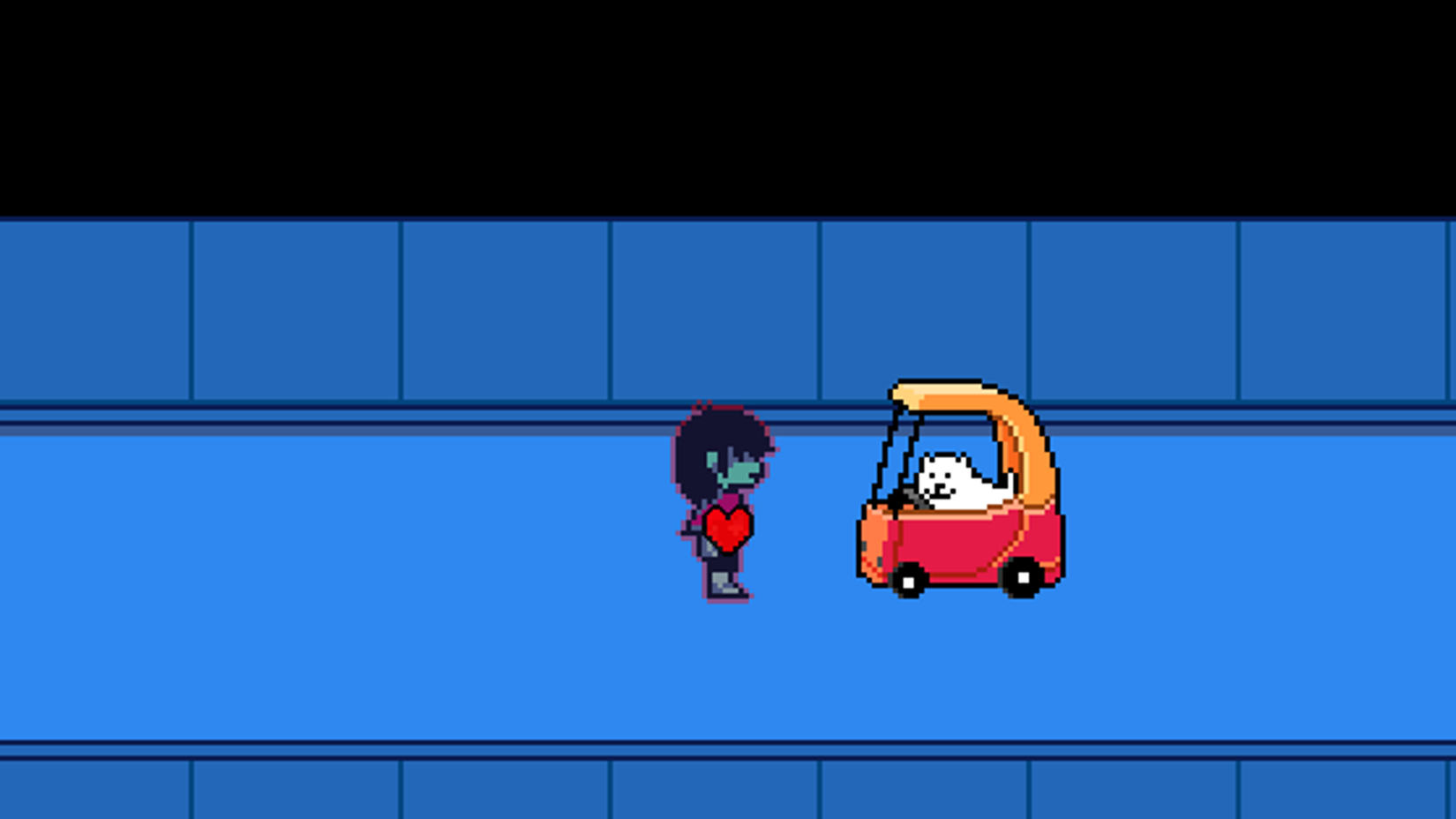
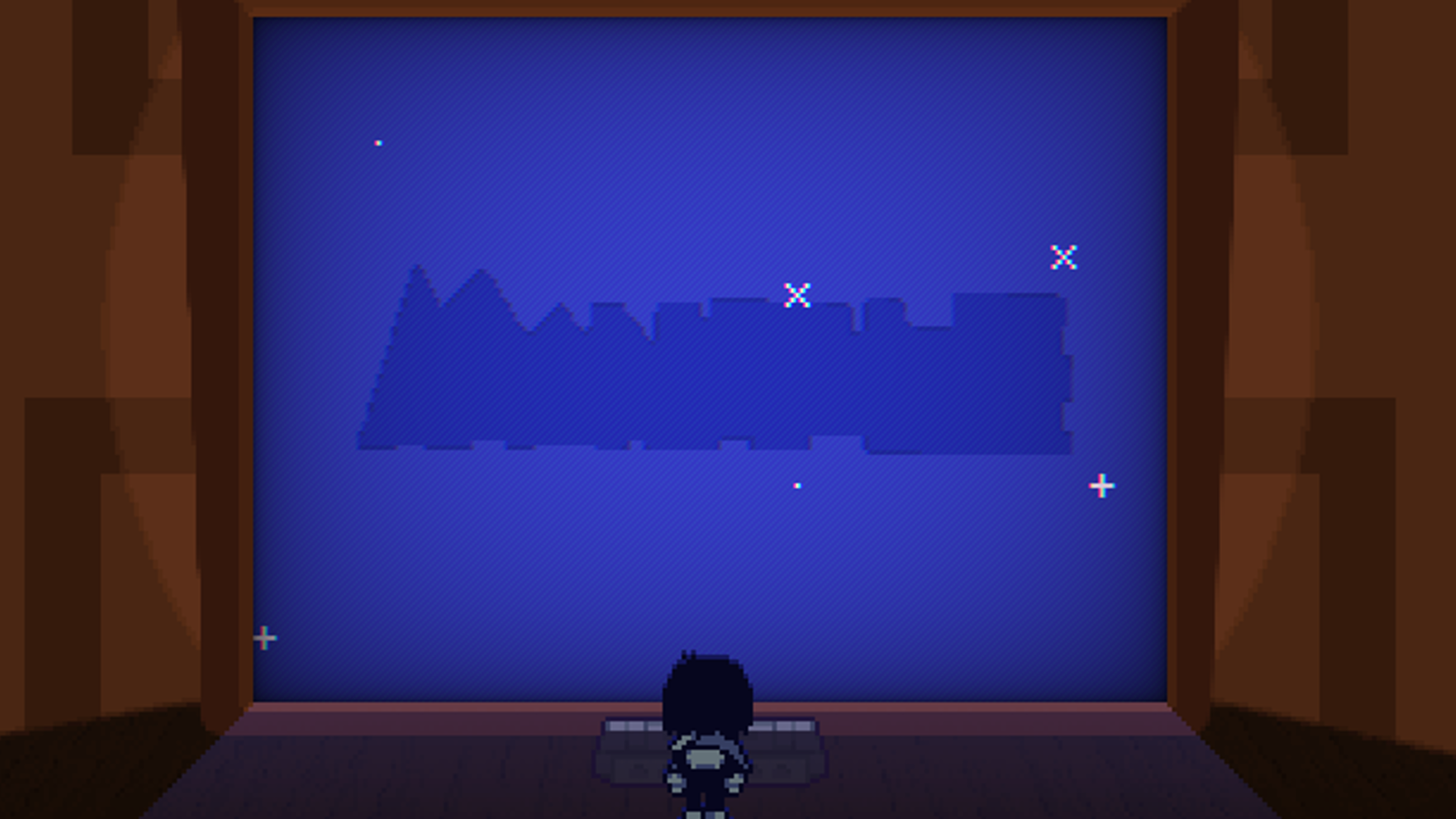
The Annoying Dog remains the ultimate avatar for Toby Fox. Whether he is driving a Little Tykes car in an empty alleyway in Chapter 2 or punishing the player for attempting to recreate the MEGALOVANIA melody in Chapter 4, these cameos are often fatal, serving as a hilarious "game over" for the over-curious. They provide "DogDollars"—an item that ironically depreciates in value as the game progresses, eventually allowing for the creation of the "DogWidow" armor, a piece of gear that causes the player to drop 90% of their money after every encounter.
6. The "Original Game" and the Shadow Mantle
In Chapter 3, high-performing players receive access to the "Green Room," where an NPC named Ramb offers a chance to play the "Original Game." This top-down, Legend of Zelda-inspired segment allows players to wield a sword and slaughter enemies. It is a darker, more aggressive departure from the standard pacifist-leaning tone of the series. Completing this and defeating its boss is the only way to acquire the "Shadow Mantle," an essential item for unlocking later secrets.
5. The Mike Protocol
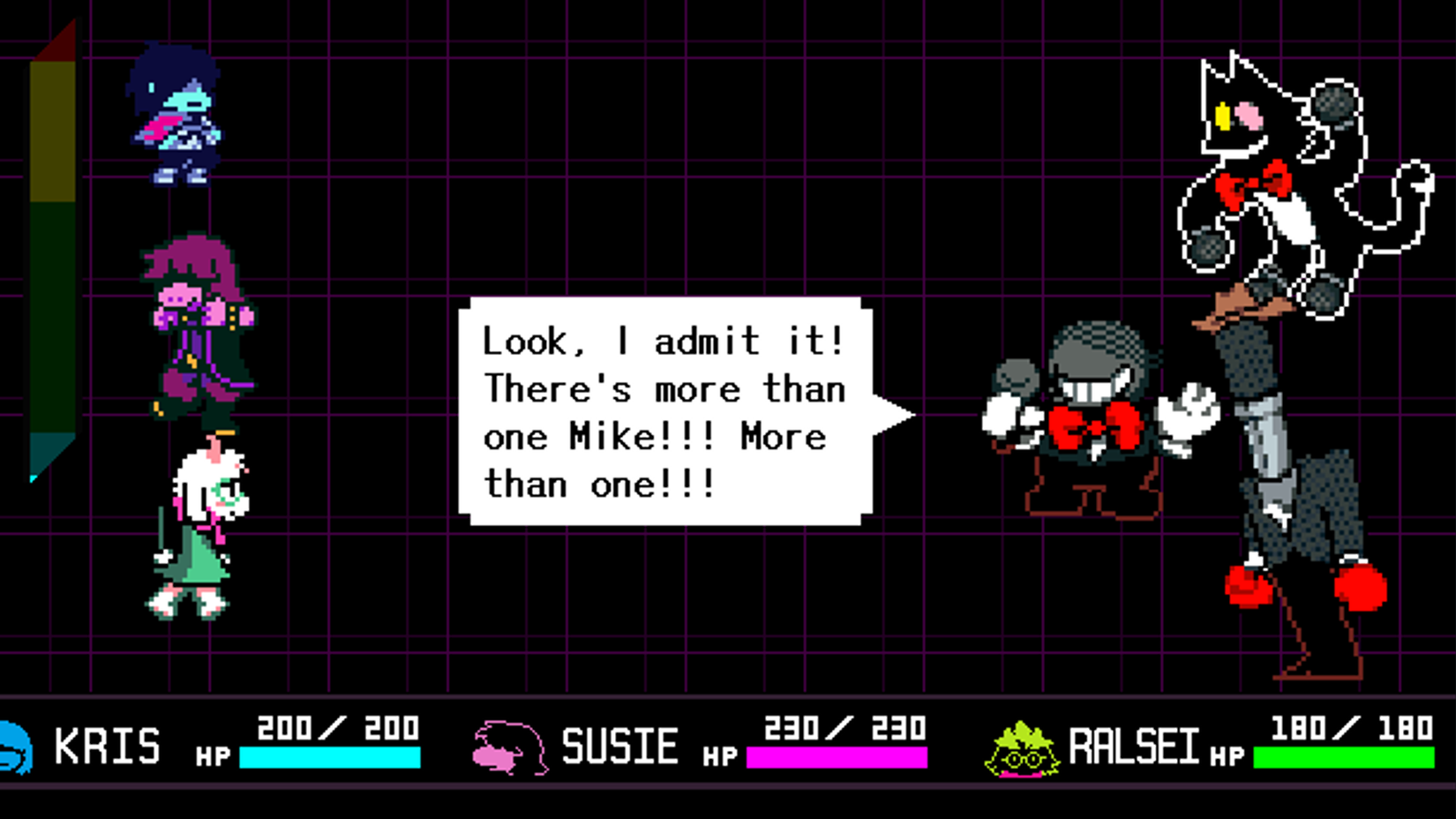
Throughout Chapter 3, the villainous Tenna references a stage assistant named "Mike." Yet, Mike remains a ghost—until Chapter 4. By returning to the new TV station area after the main quest, players can unlock a code-protected door. Inside, the navigation mechanics shift based on hardware (microphone-based on PC, Joy-Con movement on Switch 2). The reveal? There is no "real" Mike; there are three unrelated Darkners who all independently adopted the name to serve Tenna.
4. The Donation Fountain
The Donation Fountain in Chapter 4’s Dark Sanctuary is a brilliant study in player greed and curiosity. While a single dollar opens the path, the game tracks donations in increments of 10. Massive, late-game financial investments result in different chest rewards and NPC dialogue. Donating over 9,999 dollars grants the "Gold Widow" armor, a trade-off that increases stats but hampers your future earnings.
3. The Shadow Crystal Bosses
These are the "superbosses" that have defined the community’s obsession with Deltarune. From Jevil (Chapter 1) and Spamton NEO (Chapter 2) to the Hammer of Justice (Chapter 4) and the anime-ghost "Pink" (Chapter 5), these fights are grueling, optional tests of skill. Each rewards the player with a Shadow Crystal, the ultimate purpose of which remains one of the game’s most guarded mysteries.
2. The Forgotten Man and the Egg
Perhaps the most elusive secret, the "Forgotten Man" appears in every chapter, hidden behind trees in randomly generated instances. He offers a single, cryptic item: an Egg. No one knows what these eggs are for. Theory-crafters have long suspected a link to W.D. Gaster, given the cryptic nature of his dialogue and the strange, out-of-place nature of the rooms he occupies.
1. The "Weird" (Snowgrave) Route
The most infamous aspect of Deltarune is the "Weird Route." Unlike the standard path, this route requires specific, cold-blooded manipulation of Noelle in Chapter 2. By goading her into using lethal ice magic and purchasing specific equipment, the player forces a narrative divergence that results in permanent, devastating consequences for the game world. It is a haunting exploration of agency, manipulation, and the darker side of player control.
Supporting Data and Technical Context
The development of Deltarune has been a slow, methodical process. Toby Fox’s reliance on these hidden systems demonstrates a commitment to "emergent storytelling." By burying deep, impactful content in locations that require specific triggers—such as backtracking after a key event or re-visiting areas after a chapter completion—Fox ensures that the player’s personal experience of the world feels unique.
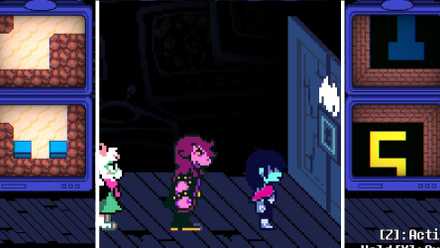
The integration of these secrets across different platforms (PC, PlayStation 4/5, and Nintendo Switch/Switch 2) is a technical feat in itself. The "Mike" room, for instance, specifically adapts its input requirements to the user’s hardware, showcasing a level of polish that borders on the obsessive.
Official Responses and Developer Intent
Toby Fox has rarely spoken at length about the "meaning" of these secrets, preferring the community to piece together the narrative mosaic themselves. However, in limited developer logs and social media updates, he has expressed a desire for Deltarune to feel like a "living" world where choices—even those as small as eating moss—have weight. He encourages curiosity, often leaving small notes in the game files that reward those who dare to dig into the technical code of the experience.
Implications for the Future of Deltarune
The prevalence of the "Shadow Crystals" and the mysterious "Eggs" suggests that these seemingly disconnected secrets are leading toward a grand, unified revelation in the game’s final chapters. The "Weird Route" specifically poses a question: if the player can manipulate the narrative this severely, who is actually in control of Kris?
As we look toward the conclusion of Deltarune, these secrets serve as a reminder that Toby Fox is not just building a game; he is building a digital ecosystem. Every secret, no matter how small or seemingly insignificant, is a brick in the wall of a much larger, more complex story. For the player, the challenge is clear: look closer, walk further, and never assume that a dead end is truly a dead end.


 Asro
Asro
 Muslim





