

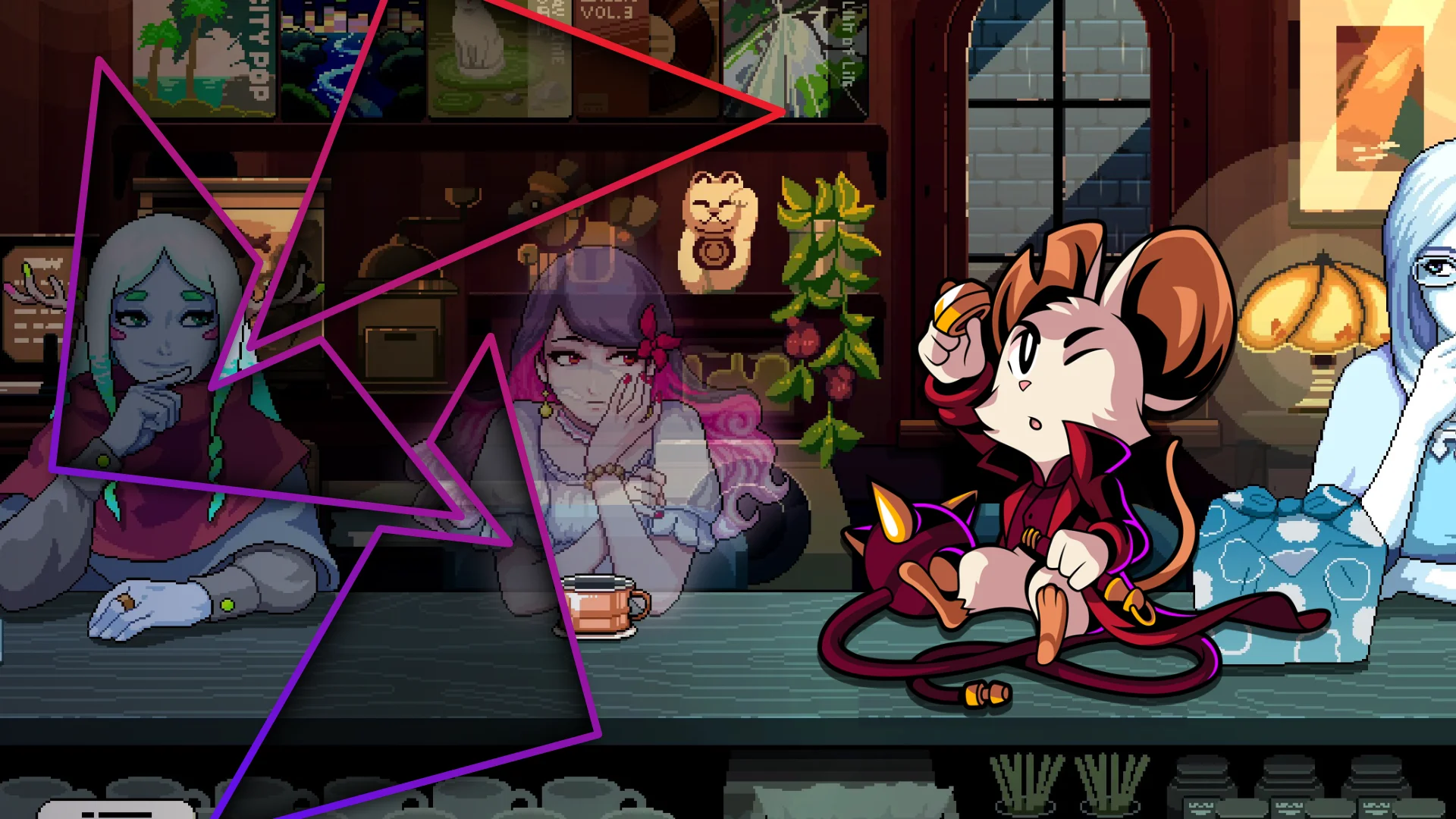
In the latest installment of RPGFan’s long-running Random Encounter podcast, the team dives deep into the shifting tides of the indie gaming landscape. From the triumphant return of Yacht Club Games to the atmospheric evolution of the Coffee Talk franchise, this episode serves as a vital touchpoint for fans of retro-inspired design and meditative storytelling.
Hosted by Jono Logan, Audra Bowling, Mike Salbato, and Jerry Williams, Episode 348 explores the intersection of high-stakes "souls-like" gameplay and low-fi, urban tranquility.
The Resurgence of Yacht Club Games: A Closer Look at Mina the Hollower
For over a decade, Yacht Club Games lived in the towering shadow of Shovel Knight. While the developer successfully navigated the landscape of post-launch content, side campaigns, and spin-offs, the industry had begun to wonder if the studio could strike lightning twice. Financial speculation regarding the developer’s long-term sustainability had simmered in the background of enthusiast circles, but with the launch of Mina the Hollower, those concerns have been decisively put to rest.
The Mechanics of Mastery
Bob, the primary analyst for this segment of the show, posits that Mina the Hollower is not merely a nostalgic callback, but a masterclass in genre-blending. The game functions as a top-down, action-adventure title that draws heavily from the DNA of The Legend of Zelda: Link’s Awakening while injecting the punishing, rhythmic combat sensibilities of a "souls-like."
The discussion highlights the game’s fluidity. By moving away from the side-scrolling platforming of Shovel Knight and toward an isometric, exploration-heavy framework, Yacht Club Games has demonstrated a willingness to iterate on their own success. Jono and Bob agree: the title is "absolutely fantastic," boasting tight controls, a haunting aesthetic, and a level of polish that justifies the studio’s legacy.
Financial Implications and Studio Health
The success of Mina the Hollower serves as a case study for mid-sized developers. By maintaining a distinct visual identity—characterized by its Game Boy Color-esque aesthetic—the studio has successfully signaled its brand while pivoting to a more mature mechanical loop. For the industry at large, the game’s performance serves as a reminder that original intellectual property, when executed with the pedigree of a seasoned studio, remains the lifeblood of the independent sector.
Coffee Talk Tokyo: A Shift in Scenery and Sentiment
Following the intensive gameplay analysis of Mina, the team transitions to a more tranquil subject: the third entry in the Coffee Talk series, Coffee Talk Tokyo. After the initial success of the original game and its sequel, the franchise has become a staple for players seeking "lo-fi" gaming experiences.
The Trans-Pacific Transition
The move from the rainy, melancholic streets of Seattle to the vibrant, neon-soaked avenues of Tokyo represents a significant tonal shift. Audra and Mike break down whether this change in geography dilutes the core essence of the franchise.
The Coffee Talk series has historically relied on the intimacy of the cafe—a "third space" where supernatural beings and humans alike come to discuss their existential dread. In Coffee Talk Tokyo, the challenge is to maintain that intimacy within a city known for its frenetic energy. The team explores how the game’s sound design and visual palette adapt to this new setting, questioning if the cozy, nocturnal aesthetic survives the migration to Japan.
Why the "Cozy" Genre Matters
The panel notes that Coffee Talk occupies a critical niche in the current market. As modern gaming trends lean toward high-difficulty, high-engagement titles, the Coffee Talk series provides a necessary counter-balance. By focusing on dialogue trees, recipe-based crafting, and low-pressure social simulation, the game appeals to a demographic that values narrative depth over mechanical mastery. The transition to Tokyo serves as a narrative evolution, allowing the developers to explore new cultural dynamics through the familiar lens of a late-night coffee shop.
Chronology of Development and Release
To understand the weight of these titles, it is important to contextualize their development cycles:
- 2014: Shovel Knight launches to critical acclaim, establishing Yacht Club Games as an indie powerhouse.
- 2020: The original Coffee Talk releases, capturing the hearts of gamers looking for "chill" experiences during the global pandemic.
- 2022: Mina the Hollower is announced via Kickstarter, promising a return to 8-bit aesthetic sensibilities with modern mechanics.
- 2023–2025: Both franchises undergo significant development, with Yacht Club focusing on the "souls-like" combat balance, while the Coffee Talk team iterates on their interactive narrative engine.
- 2026: Both titles enter the public consciousness, receiving widespread praise for their respective genre contributions.
Supporting Data: The Rise of Retro-Inspired Indie Hits
The success of these titles is not an isolated phenomenon. Market data from 2026 suggests that "Retro-Modern" games—titles that utilize classic art styles but feature modern, complex mechanics—consistently outperform standard remakes.
- Engagement Metrics: Titles like Mina the Hollower see higher completion rates than standard roguelikes, suggesting that players are drawn to the "Zelda-like" structure of progression.
- Narrative Satisfaction: Player sentiment regarding Coffee Talk Tokyo highlights that the "visual novel" format is seeing a resurgence, particularly when paired with high-quality, lo-fi soundtracks that encourage repeat play sessions.
- Studio Stability: Yacht Club Games’ pivot serves as a blueprint for other "one-hit wonder" studios. By diversifying their gameplay loops while keeping their artistic signature, studios can mitigate the risk of brand fatigue.
Implications for the Future: The Road to Not-E3
As the episode draws to a close, the hosts pivot to the industry’s immediate future: the "Not-E3" season. The upcoming 2026 Not-E3 Extravaganza episode is teased as a major event for the podcast, promising deep dives into upcoming announcements, industry shifts, and, inevitably, more gaming recommendations.
The implications for the industry are clear: we are entering a phase where the "indie" label is becoming increasingly synonymous with "AAA quality." As large-scale developers struggle with bloated budgets and development times, the agility shown by studios like those behind Mina and Coffee Talk provides a sustainable path forward.
Official Studio Stances
While Yacht Club Games has kept relatively quiet regarding specific future projects, their success with Mina suggests a potential for long-term support, including DLC or expansions. Similarly, the Coffee Talk developers have indicated that the transition to Tokyo provides a robust framework for further regional storytelling, suggesting that the "Coffee Talk" brand could eventually become a global anthology series.
Final Thoughts and Community Engagement
The conversation on Episode 348 of Random Encounter is a testament to the diversity of the current RPG landscape. Whether you are looking for the heart-pounding combat of a gothic, top-down adventure or the quiet reflection of a virtual barista, this week’s episode covers the spectrum of modern gaming excellence.
As always, the hosts—Jono, Audra, Mike, and Jerry—encourage listeners to engage with the show. Whether you agree with their assessment of Mina the Hollower’s combat, or you have your own theories about the best coffee recipes in the Coffee Talk series, the team welcomes your input.
How to Listen:
Listeners can subscribe to Random Encounter on all major platforms, including Overcast, Pocket Casts, Castro, Podbean, and Podcast Addict. For those who wish to reach out directly, feedback can be directed to the team at [email protected].
Don’t forget to check back for the upcoming Not-E3 special, where the team will dissect the biggest news of the summer season. In an era of constant industry change, Random Encounter remains your reliable companion for the latest in RPG news and culture.









No comments yet. Be the first to join the conversation!