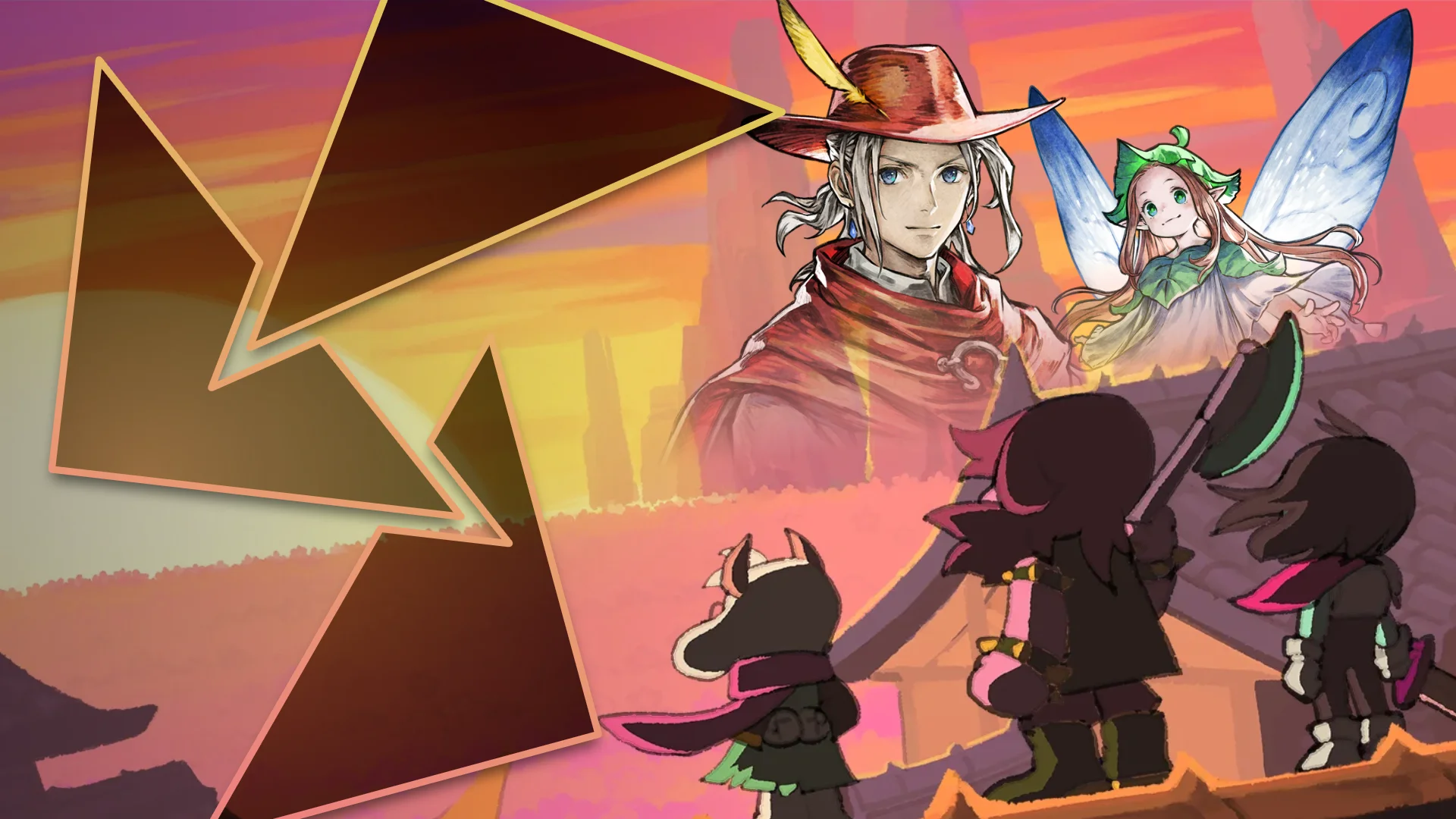
In the latest milestone episode of Random Encounter, the RPGFan editorial team dives deep into two of the most significant releases currently dominating the RPG landscape. With Deltarune Chapter 5 finally in players’ hands and Team Asano making a bold pivot with The Adventures of Elliot: The Millennium Tales, the industry is witnessing a fascinating intersection of experimental design and nostalgic reinvention. This 350th installment of the podcast features hosts Jono Logan, Aleks Franiczek, and Paul Skevington as they dissect the mechanics, narratives, and broader market implications of these two high-profile titles.
Main Facts: A Dual Focus on Innovation
The conversation centers on two distinct but equally ambitious projects. Deltarune Chapter 5, the latest installment in Toby Fox’s multi-part magnum opus, continues to push the boundaries of what an "RPG" can be. By integrating a fully realized side-scrolling action-RPG segment, Fox continues his tradition of subverting player expectations.
Simultaneously, the discussion shifts to The Adventures of Elliot: The Millennium Tales. This title marks a significant departure for Square Enix’s celebrated Team Asano, known previously for their work on the Bravely series and Octopath Traveler. Moving away from turn-based combat, The Adventures of Elliot embraces an action-oriented framework, drawing immediate, inevitable comparisons to the Legend of Zelda series, while attempting to carve out its own identity through its proprietary time-travel mechanics.
Chronology: The Road to the Finish Line
Deltarune’s Calculated Progression
Since the surprise release of Deltarune Chapter 1 in 2018, the gaming community has been obsessed with the slow-burn rollout of Toby Fox’s second major project. With a planned total of seven chapters, Chapter 5 represents a critical "home stretch" point in the narrative.
- Chapter 1 & 2: Established the Dark World, the relationship between Kris and Susie, and the overarching "Soul" mystery.
- Chapter 3 & 4: Expanded the scope of the cast and introduced more complex branching dialogue paths.
- Chapter 5: Currently serving as the pivot point where the stakes move from local school-town mysteries to the broader fate of the Deltarune universe.
The pacing of these releases has been deliberate, allowing the meta-narrative to permeate the community’s discourse. As Aleks Franiczek notes during the episode, the inclusion of a genre-shifting side-scroller suggests that Fox is not merely telling a story, but actively conducting an experiment in game design history.
The Rise of Team Asano’s New IP
The Adventures of Elliot: The Millennium Tales did not emerge from a vacuum. Team Asano has spent years perfecting their signature "HD-2D" aesthetic, a visual style that has become synonymous with prestige indie-adjacent RPGs. Elliot is the studio’s first foray into pure action-RPG territory. The production timeline, while shrouded in typical Square Enix secrecy, follows a two-year development cycle that saw the studio pivot from the methodical, grid-based combat of Triangle Strategy to the fluid, real-time traversal and combat found in Elliot.
Supporting Data: Mechanics and Genre Analysis
The Genre-Bending Nature of Deltarune
Toby Fox has always utilized Deltarune as a sandbox for subversion. In Chapter 5, the shift to a side-scrolling action RPG is not just a cosmetic change; it alters the fundamental "language" of the game. Players accustomed to the bullet-hell dodging mechanics of Undertale are forced to adapt to horizontal movement, vertical platforming, and different hit-box management. This serves a dual purpose: it keeps the gameplay loop fresh and reinforces the idea that the "Dark World" is a fluid space where the laws of reality—and by extension, the laws of the game engine—are subject to change.
The Asano Formula: Tradition Meets Innovation
The Adventures of Elliot faces a difficult challenge: differentiating itself from the massive shadow of The Legend of Zelda. The comparisons are unavoidable. The protagonist’s vibrant primary-colored attire, the presence of a fairy companion, and the focus on environmental puzzles are direct homages to the action-adventure genre’s golden age.
However, where Elliot seeks to distinguish itself is through its time-travel mechanics. While the hosts jokingly acknowledge that time travel is a well-worn trope in gaming (mentioning Ocarina of Time and Majora’s Mask), Elliot utilizes a "Millennium" system. This mechanic allows players to toggle between two distinct historical periods of the game’s world in real-time, affecting the landscape and the strength of enemies instantaneously. This is not merely a narrative device but a core gameplay loop that requires high-level cognitive management.
Official Responses and Public Reception
The response to these titles has been overwhelmingly positive, though for different reasons. For Deltarune, the community reception is defined by "theorizing fatigue"—fans are so deep into the lore that each new chapter is scrutinized with forensic detail. Toby Fox’s official communication remains cryptic, often letting the gameplay speak for itself, which has only heightened the fervor surrounding Chapter 5.
Regarding The Adventures of Elliot, Square Enix has positioned this as a "prestige project." Unlike the massive, open-world sprawling nature of a mainline Zelda, Elliot is designed with the "Asano precision"—a tighter, more focused experience that prioritizes mechanical depth over sheer map size. Early critical feedback suggests that the studio’s pivot to action is a resounding success, with many reviewers praising the combat system’s responsiveness.
Implications: The Future of the RPG Genre
What do these two releases tell us about the current state of the RPG?
- The Death of Genre Purity: The lines between action games and RPGs are dissolving. Deltarune proves that even within a single game, the genre can shift based on the narrative context. Developers are no longer tethered to a single gameplay loop for the duration of a 40-hour experience.
- The "HD-2D" Aesthetic as a Standard: Team Asano has successfully created a visual language that feels both modern and retro. The Adventures of Elliot suggests that this aesthetic can be applied to almost any sub-genre of RPG, potentially leading to a wave of similar titles from other studios attempting to capture that specific "nostalgic-but-new" look.
- The Sustainability of Episodic Content: Deltarune continues to be the gold standard for episodic releases. By delivering high-quality, substantial chunks of content rather than a fragmented, unfinished product, Fox has maintained player trust—a rarity in an era where episodic games often suffer from inconsistent quality.
Concluding Thoughts
As Jono, Aleks, and Paul conclude in the podcast, both Deltarune Chapter 5 and The Adventures of Elliot represent the maturation of the RPG genre. We are moving away from rigid definitions of what an RPG must be and toward a more expressive, fluid medium. Whether it is through the meta-commentary of Toby Fox or the structural polish of Team Asano, the genre is healthier and more inventive than it has been in a decade.
For those eager to hear the full breakdown, including deeper insights into the character arcs and secret boss encounters, be sure to tune into the full episode of Random Encounter. The journey is only getting started, and if these two titles are any indication, the future of the genre is as bright as a primary-colored hero’s tunic.
Listen to this episode and subscribe to Random Encounter on your preferred podcast platform. Have thoughts on the latest chapter of Deltarune or the mechanics of Elliot? Email your feedback to [email protected].