Suro Senen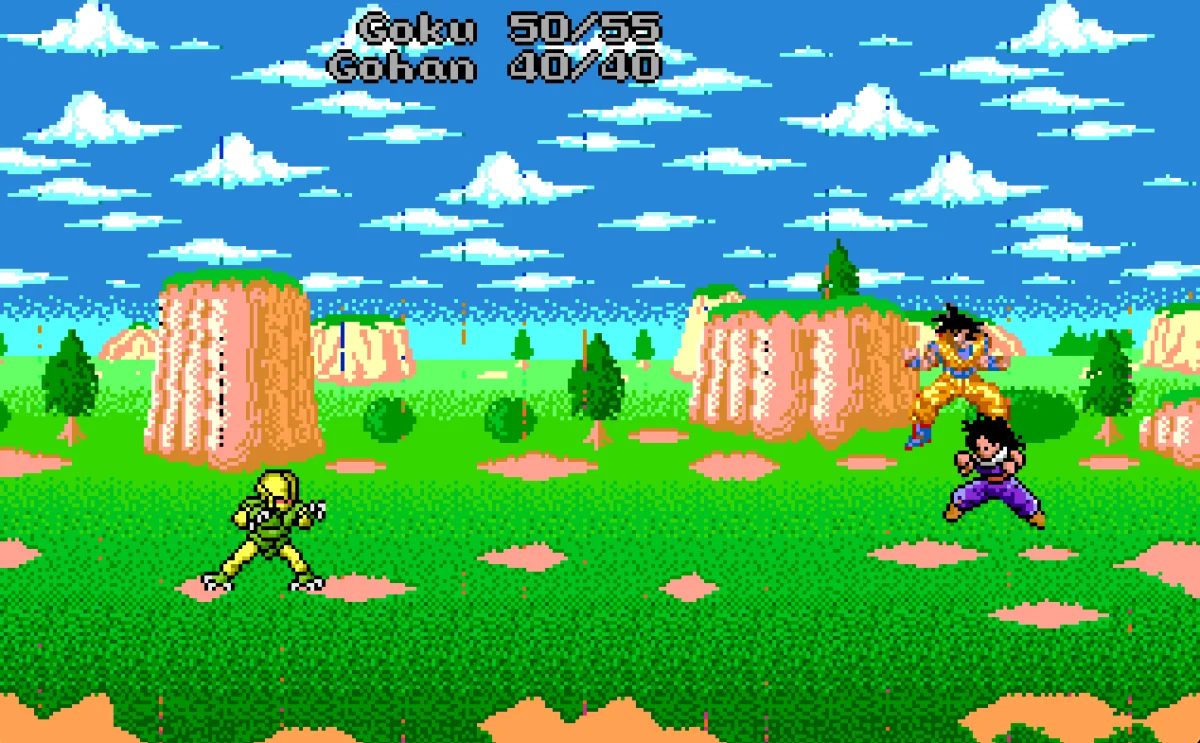
In the vast, sprawling expanse of the internet, thousands of amateur software projects created during the late 1990s and early 2000s have been swallowed by the digital void. When hosting sites shutter, hard drives fail, and communities migrate to new platforms, the cultural artifacts of a generation—specifically the burgeoning era of fan-made games—often vanish without a trace. However, a recent, heartwarming discovery on the Resetera forums has proven that, occasionally, the internet acts as a long-term memory for our collective childhoods.
After seven years of being labeled as "lost media," the fan-made MS-DOS title Dragon Ball Z: Wish for Immortality has finally been recovered. The story of its rediscovery is not merely a tale about a niche RPG; it is a testament to the enduring power of community-driven digital preservation and the peculiar, nostalgic drive that keeps gamers searching for the ghosts of their past.
The Search for a Phantom: A Seven-Year Odyssey
The quest to find Wish for Immortality began in earnest roughly seven years ago, when a Resetera user named "pikablu" took to the forums to describe a half-remembered experience from their youth. The thread, titled "Does anyone remember that old Dragon Ball Z fan MS-DOS RPG?", served as a digital lighthouse, casting a beam into the dark corners of the internet.
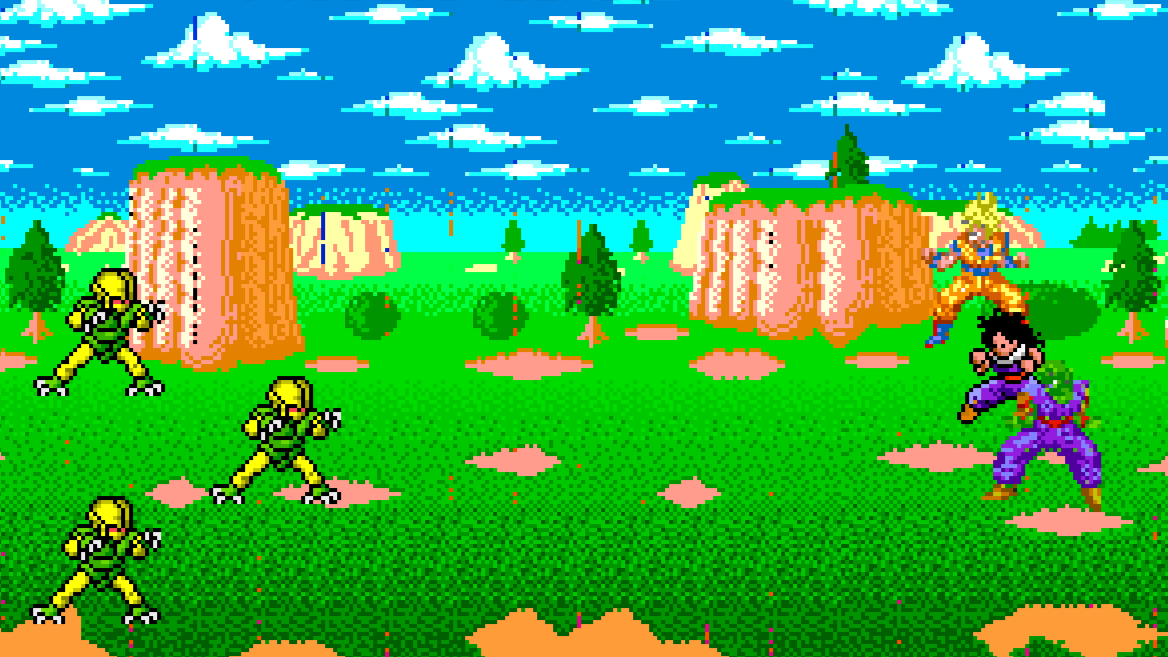
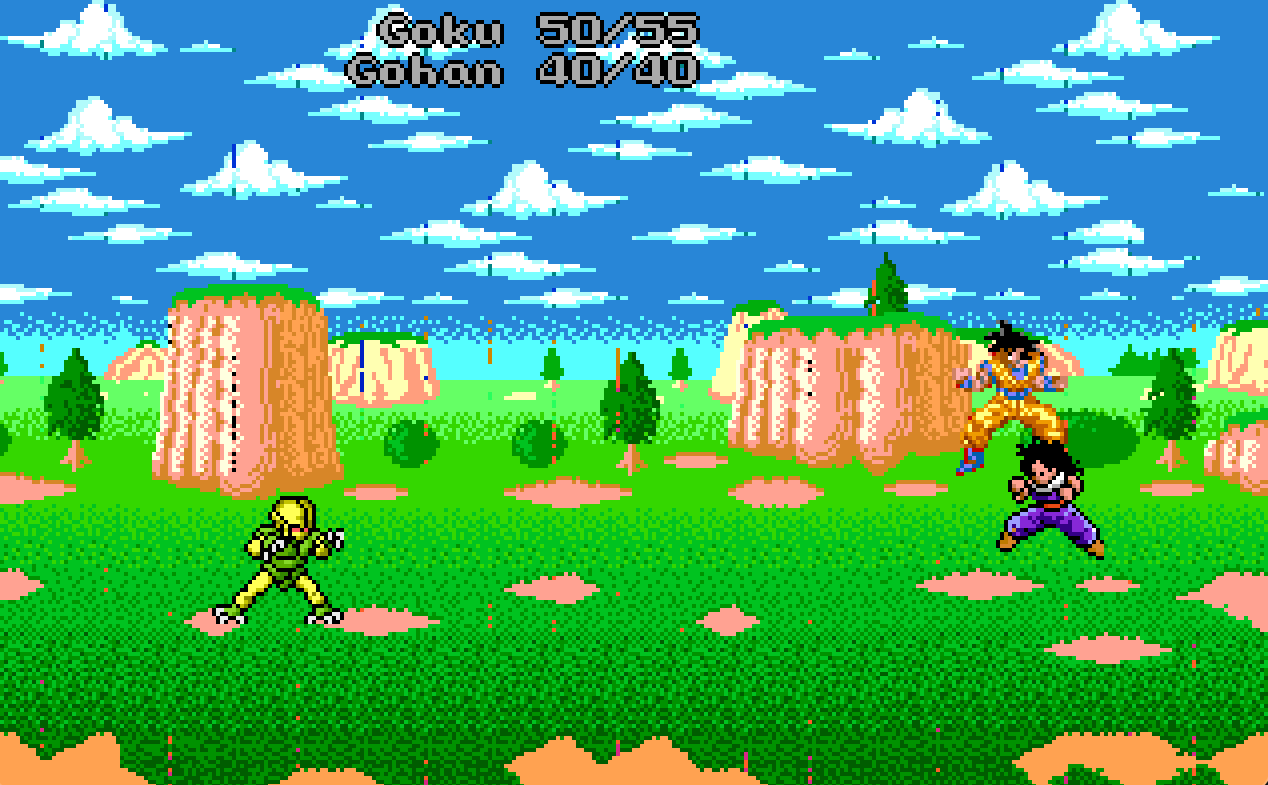
Pikablu’s description was vivid yet agonizingly imprecise: it was an old MS-DOS game, likely hosted on a defunct Dragon Ball Z fan site known as Planet Namek, and it prominently featured sprites ripped directly from the SNES classics Dragon Ball Z: Super Butōden. For years, the thread sat largely dormant, garnering a modest 14 responses from other users who shared the same vague, haunting memories but lacked any concrete evidence. The game remained a phantom—a piece of software that existed in the memories of a few but nowhere else on the public web.
The Breakthrough: Serendipity in the Attic
The narrative shifted dramatically this week when a new user, BenjiBrew, joined the conversation. Unlike the previous posters who were merely reminiscing, BenjiBrew arrived with the "holy grail" of lost media: an actual file.
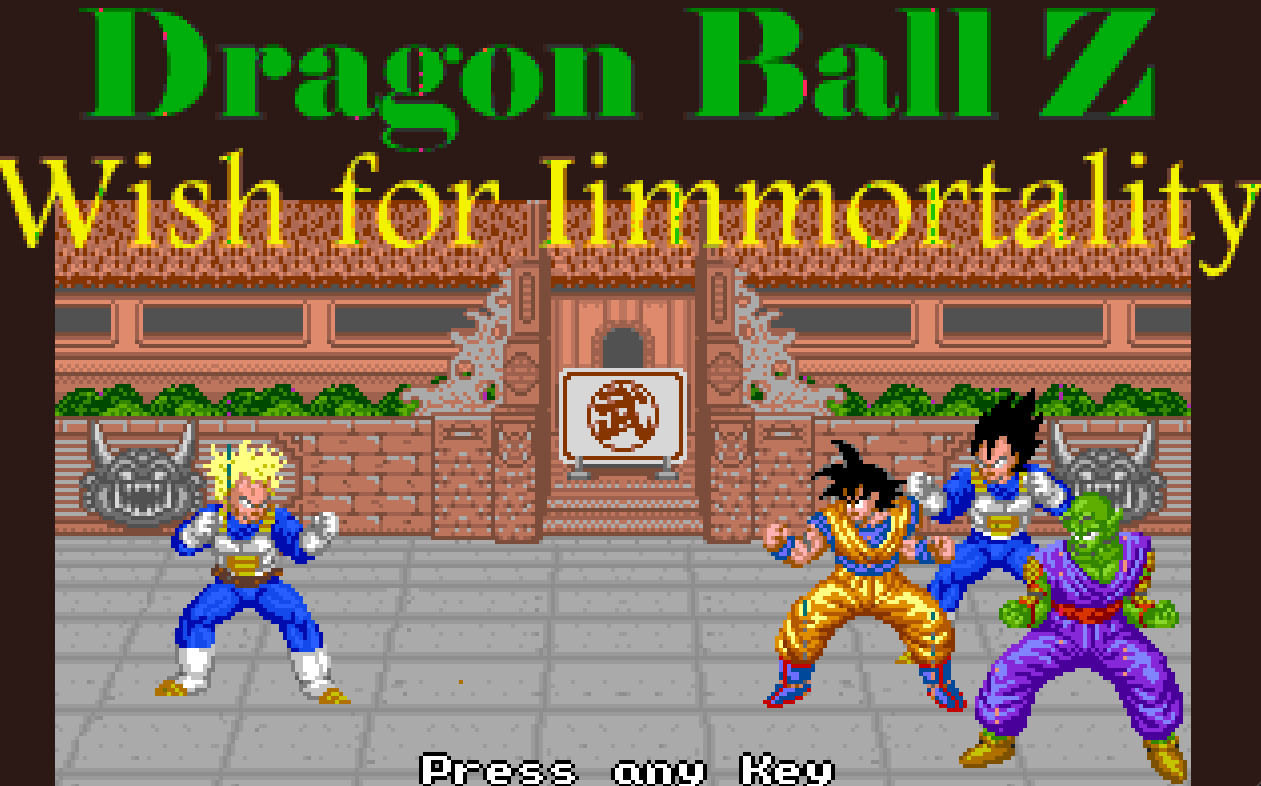
While sifting through a backup CD salvaged from an old personal computer dating back to 2004, BenjiBrew stumbled upon the game files. It was an astonishing moment of digital archaeology. Not only did they confirm the title of the mysterious project—Dragon Ball Z: Wish for Immortality—but they also provided a functional MediaFire link, ensuring that the game would not "vanish into the void again."
The community reaction was immediate and visceral. The original thread creator, pikablu, confirmed the identity of the game, recounting the joy of streaming it for a friend. "I’ve 100% confirmed it is it," they wrote. "We both lost our collective minds when we found Icebox is in the game!" (For the uninitiated, "Icebox" was the moniker the developer gave to the character known in the anime as Cooler, a hallmark of the low-budget, high-enthusiasm era of fan fiction and game development).
The Engine Behind the Magic: O.H.R.RPG.C.E.
To understand the historical context of Wish for Immortality, one must look at the technology that powered it. The game was built using the Official Hamster Republic Role Playing Game Construction Engine (O.H.R.RPG.C.E.).
First released in 1997, the O.H.R.RPG.C.E. was a cornerstone of amateur game development long before tools like RPG Maker achieved mainstream dominance in the West. It provided a framework for users to build their own turn-based RPGs without needing a formal background in C++ or assembly language. Because it was free, open-source, and specifically designed for the limitations of the era, it became the primary vehicle for enthusiasts to pour their love for series like Dragon Ball Z into playable formats.
The fact that the engine is still being maintained today—with an update as recent as January 2026—is a testament to the dedicated community of developers who have kept the spirit of 90s-style, 8-bit RPG creation alive. Playing Wish for Immortality today requires the modern O.H.R.RPG.C.E. client, which acts as a bridge between the archaic DOS-era code and modern operating systems.
The Broader Implications: Why Preservation Matters
The recovery of Wish for Immortality is more than just a win for Dragon Ball fans; it highlights a critical issue in modern gaming: the fragility of non-commercial software. Unlike commercial titles, which are often preserved by studios, corporations, or massive community-led initiatives like The Internet Archive, fan games exist in a legal and technical gray area. They are often hosted on free servers that expire, or they are stored on physical media that degrades over time.
When a game is "lost," a piece of a developer’s early creative journey disappears. For the creator of Wish for Immortality, the project was likely an early step in learning how to structure narratives, design sprites, and build game loops. Losing such work is a loss to the history of the medium, as these games represent the grassroots foundations of the current indie gaming boom.
The "Trugg" Effect: The Universal Itch of Nostalgia
The recovery of this specific title has prompted a wider discussion about the "phantom games" that haunt many players. Every gamer of a certain age has a memory of a title that they cannot quite identify: a 30-second loop of gameplay, a distinctive MIDI soundtrack, or a single, bizarre sprite that refuses to be forgotten.
This phenomenon, sometimes referred to as the "Trugg Effect" (named after the obscure game Trugg), illustrates the powerful psychological hold these games have on us. They represent a time of unlimited discovery, where the internet was still a frontier and games were something you stumbled upon in the back alleys of the World Wide Web. When these games are finally identified or recovered, it provides a sense of closure that validates the player’s personal history.
How to Access the Recovered Artifact
For those who wish to experience this relic of early 2000s fandom, the process is now streamlined. Thanks to the efforts of BenjiBrew and the archivists at the Internet Archive, the game is officially preserved.
- Download the Engine: Users must first download the current version of the O.H.R.RPG.C.E. client from the official Hamster Republic website.
- Download the Game: The game files for Wish for Immortality have been uploaded to the Internet Archive, ensuring they remain accessible for the foreseeable future.
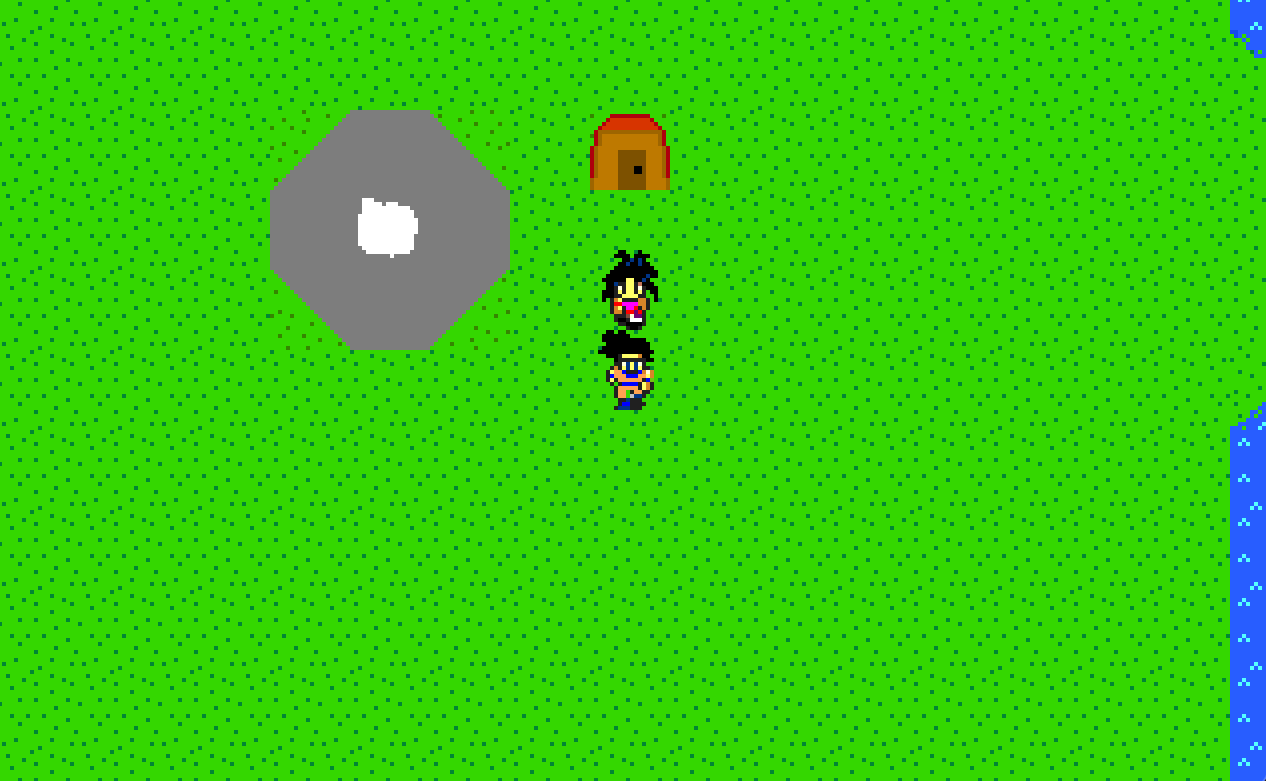
- Execution: By loading the game file into the client, users can experience the crude, charming, and highly nostalgic battle screens and dialogue that once defined the experience of a generation of Dragon Ball Z fans.
Conclusion: The Moral of the Search
The story of Wish for Immortality ends on a note of triumph, but it serves as a call to action for the gaming community. If you have an old, half-forgotten piece of software buried on a floppy disk, a CD-R, or a dusty hard drive, consider uploading it to an archive.
If you are currently searching for a game you cannot name, do not hesitate to post your findings on forums like Resetera or dedicated subreddits. As this case proves, the internet is not just a place for current discourse; it is the largest archive of human creative output in history. Someone out there—perhaps someone who hasn’t even seen your post yet—might have exactly what you are looking for on a forgotten drive in their attic.
In a world where digital obsolescence is the norm, the act of sharing these files is a radical and necessary form of preservation. Dragon Ball Z: Wish for Immortality has been saved from the void, but there are thousands more games waiting to be found. The search continues.


 Asro
Asro
 Muslim