Azzam Bilal Chamdy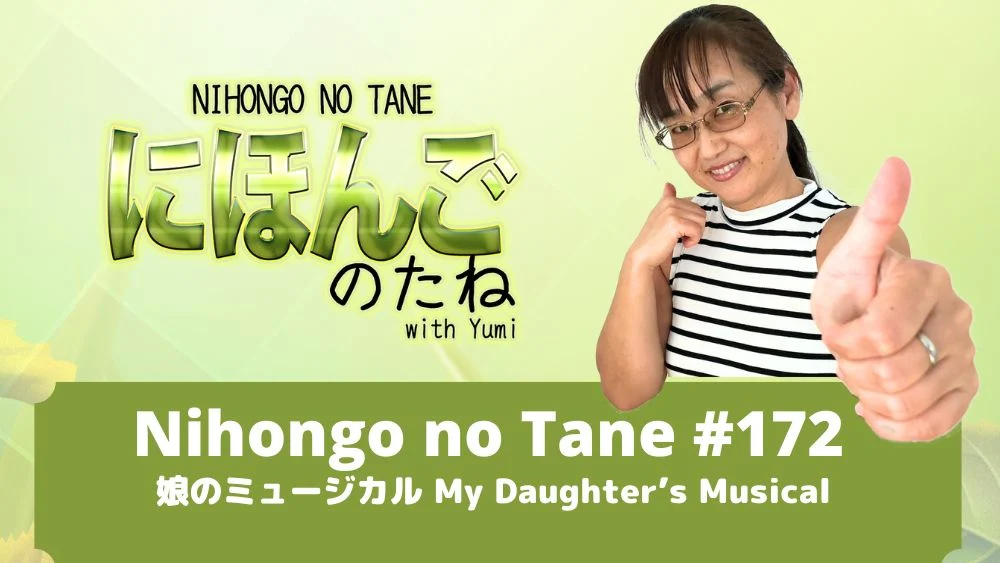
In the quiet, disciplined world of Japanese extracurricular activities, the summer months are often synonymous with the grueling, transformative nature of the bukatsu (club) experience. However, for one 17-year-old student, the traditional summer path took an unexpected turn into the world of professional-caliber musical theater. In the latest episode of the Nihongo no Tane podcast, host Yumi provides an intimate, behind-the-scenes look at her daughter’s journey from a tentative first-time audition to the resounding success of a nine-performance theatrical run.
This narrative serves as more than just a personal anecdote; it offers a compelling look at the intersection of artistic discipline, adolescent development, and the cultural nuances of performance in Japan. For learners of the Japanese language, the story also functions as a pedagogical tool, bridging the gap between everyday conversational Japanese and the specific vocabulary associated with performing arts.
The Genesis of an Artistic Endeavor: Main Facts
The core of this story revolves around a spontaneous decision made by Yumi’s 17-year-old daughter to pursue a role in a local musical production. While the daughter had an interest in the arts, the commitment required for a full-scale musical—ranging from vocal training to intricate choreography—presented a steep learning curve.
The production was not a small-scale school play; it was a rigorous project that demanded professional standards. Over the course of the summer, the teenager transitioned from a novice to a seasoned ensemble member, balancing the immense pressure of rehearsals with the reality of live performance. The production saw a total of nine performances, each requiring stamina, emotional presence, and absolute synchronization with a cast of peers.
For those tracking the linguistic journey, Yumi’s narration is tailored for upper-beginner to intermediate learners. By focusing on the emotional and logistical realities of the theater, the podcast provides context-rich listening that makes vocabulary retention more intuitive.
Chronology of a Summer Transformation
To understand the scale of the achievement, one must look at the timeline of the production. The summer was categorized by three distinct phases:
Phase I: The Leap of Faith (Auditions)
The journey began with the audition process. For a teenager, the prospect of standing before a panel of directors is a daunting task. Yumi highlights the "first-time" nature of this experience, emphasizing the vulnerability inherent in such a trial. The audition was not merely about singing ability; it was a test of character and resilience, setting the tone for the months to follow.

Phase II: The Crucible of Rehearsal
Following the successful audition, the summer was consumed by rehearsals. In the Japanese context, rehearsal culture is characterized by renshu—a term that denotes not just practice, but a deep, repetitive refinement of skill. The cast spent long, humid summer days perfecting transitions, memorizing dialogue, and aligning their movements. This period was marked by the inevitable friction of group dynamics, as individual performers learned to prioritize the cohesion of the ensemble over personal ego.
Phase III: The Final Curtain (Performances)
The culmination of the labor was the nine-performance run. Each show brought a unique set of challenges—from technical hitches to the fatigue of a multi-day performance schedule. Yet, as the final curtain fell on the last show, the success was not just measured in ticket sales or applause, but in the palpable shift in the performer’s confidence and maturity.
The Mechanics of Language Learning: Supporting Data
The Nihongo no Tane podcast, produced by The Japanese Page, is meticulously designed to support learners who are transitioning from basic grammar to conversational fluency. The inclusion of the "My Daughter’s Musical" episode is part of a broader educational strategy that utilizes "interest-based learning."
Vocabulary and Contextual Acquisition
The podcast identifies key vocabulary terms essential for discussing theater and personal growth in Japanese. By embedding these words in a narrative about a real-life event, the listener is provided with an "anchor" for their memory. Instead of memorizing abstract lists, students learn how the vocabulary functions within the emotional arc of a story.
The Role of Shadowing and Transcript Support
For members of the Makoto+ platform, the episode is accompanied by a suite of support materials, including:
- Full Transcripts: Providing the exact script to ensure total comprehension.
- Shadowing Sentences: Exercises designed to improve natural rhythm, pitch, and intonation by mimicking the host’s speech patterns.
- Cultural Context: Insights into the Japanese theatrical landscape that provide a deeper understanding of the social expectations placed on young performers.
Official Perspectives: The Value of Extracurriculars
While Yumi speaks from a parental perspective, her account mirrors a growing consensus among educators regarding the role of extracurricular activities in Japanese society. Programs like the one her daughter participated in are often credited with building kigai (a sense of purpose or motivation).
"The discipline required for nine consecutive shows is a microcosm of the discipline required for life," Yumi notes in the episode. By engaging in a creative, public-facing endeavor, students develop a sense of accountability to their peers that traditional classroom environments sometimes struggle to replicate. The "success" mentioned in the podcast is framed not as a victory over others, but as a victory over the internal doubt that often plagues adolescents as they approach adulthood.

Implications for Language Learners and Parents
The implications of this story are twofold: one for the student of Japanese, and one for the observer of cultural development.
For the Learner
This podcast episode underscores the importance of consuming content that feels "alive." By listening to stories about family, growth, and specific life experiences, learners can bypass the "textbook plateau." When language is tied to a human story, the brain is more likely to categorize it as meaningful information rather than static data. The inclusion of comprehension questions following the audio serves as a vital feedback loop, forcing the learner to synthesize what they have heard and apply it to a concrete test of understanding.
For the Cultural Observer
The story highlights the universal nature of the "coming-of-age" narrative. Despite the unique linguistic and cultural environment of Japan, the struggle of a teenager finding their voice on stage is a story that resonates globally. It highlights the importance of fostering environments—whether in school clubs or local community theaters—that allow young people to take risks, fail, adjust, and eventually succeed.
Conclusion: Bridging the Gap
The Nihongo no Tane podcast continues to serve as a vital resource for those looking to deepen their connection with the Japanese language. By sharing intimate stories like that of her daughter’s musical journey, Yumi provides a bridge between the sterile environment of a language app and the vibrant, complex reality of life in Japan.
For those interested in exploring the full breadth of this educational experience, the Makoto+ platform offers an extensive library of similar content. From haiku lessons to tongue twisters and in-depth podcast transcripts, the materials are designed to cater to the diverse needs of the modern learner.
As we look at the success of this 17-year-old performer, we are reminded that whether one is learning a language or mastering a musical score, the process is fundamentally the same: it requires patience, the courage to step onto the stage, and the willingness to learn from every performance, no matter how many times the curtain rises.
Call to Action:
Are you a Japanese learner looking to expand your horizons? The "My Daughter’s Musical" episode is just the beginning. Whether you are struggling with listening comprehension or looking to refine your vocabulary, resources like the Makoto+ membership provide the structure and support needed to reach the next level of fluency. Join a community of learners today and turn your study time into a journey of discovery.


 Neng Nana
 Asro
Asro