Neng Nana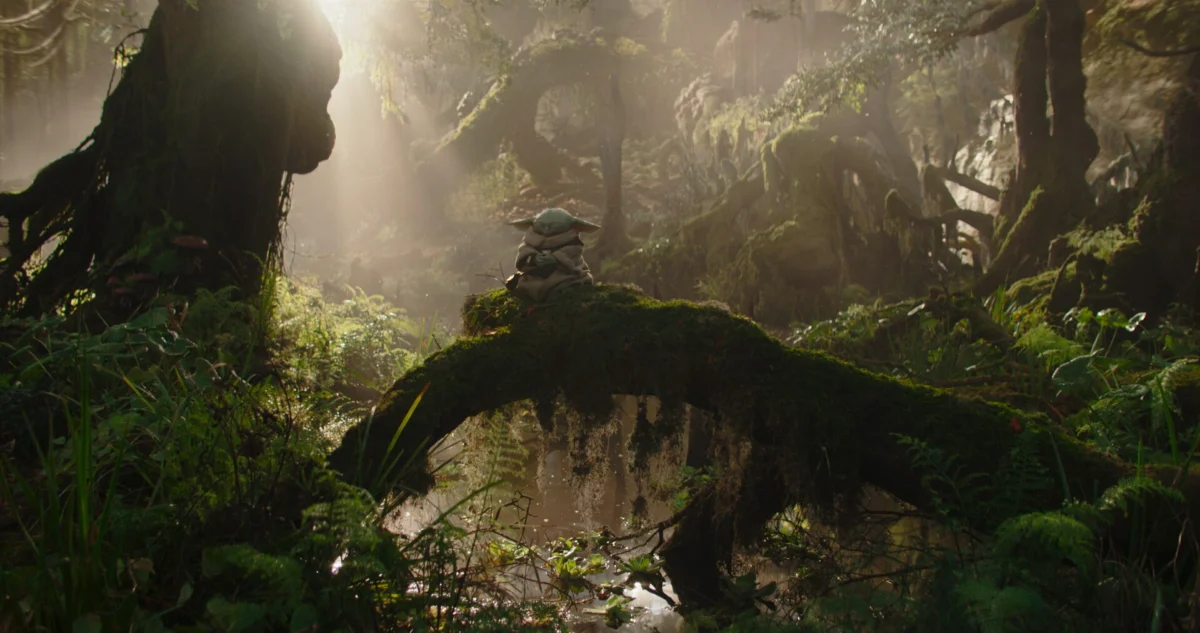
As the countdown to May 22, 2026, reaches its final, breathless phase, the Star Wars universe stands on the precipice of a significant transition. With the theatrical release of Star Wars: The Mandalorian and Grogu, director Jon Favreau is not merely expanding a television franchise—he is elevating the odyssey of Din Djarin and his Force-sensitive foundling to the grand scale of the silver screen. This film promises to be a definitive milestone, bridging the gap between the intimate, character-driven storytelling of the Disney+ series and the sweeping, mythic tradition that has defined the franchise since 1977.
Main Facts: The Evolution of an Icon
The Mandalorian and Grogu marks the first time the beloved duo, who captured global attention in 2019, will lead a feature-length theatrical production. Directed by Jon Favreau, the film serves as a pivotal expansion of the Star Wars lore, moving beyond the episodic constraints of streaming to deliver a cinematic experience designed for the visceral scale of IMAX.
The film centers on the maturation of Grogu. No longer merely a passenger to be protected, the youngling is now an apprentice, undergoing rigorous training under the mentorship of his adoptive father, Din Djarin (Pedro Pascal). As the pair navigates a galaxy still reeling from the remnants of the Empire, the narrative explores themes of stewardship, legacy, and the inevitable passage of the torch from one generation to the next. The film is produced by a power-house team including Kathleen Kennedy, Ian Bryce, Jon Favreau, and Dave Filoni, with a score by the Academy Award-winning Ludwig Göransson.
A Chronological Journey: From 1977 to the Modern Era
To understand the significance of this film, one must look at the timeline of its creator. Jon Favreau’s relationship with Star Wars is deeply rooted in his own childhood; he was a ten-year-old in the summer of 1977, experiencing the cultural shockwave of A New Hope in real time. By the time Return of the Jedi hit theaters in 1983, Favreau was working as a movie theater usher, witnessing the franchise’s influence firsthand.
The genesis of The Mandalorian in 2019 arrived at a precarious moment—the Skywalker Saga was concluding with The Rise of Skywalker. Against this backdrop, Favreau introduced a "gritty western" aesthetic that revitalized the brand. Over three seasons of the flagship series and the spin-off The Book of Boba Fett, the show transformed from a niche bounty-hunter procedural into a cornerstone of the Star Wars mythos. Now, in 2026, the transition from streaming platform to multiplex represents the culmination of seven years of world-building, allowing Favreau to fully realize his "toy chest" of creature designs, practical effects, and high-stakes adventure.
Supporting Data: The Craftsmanship Behind the Screen
The production of The Mandalorian and Grogu is a masterclass in blending legacy techniques with cutting-edge visual technology. Behind the scenes, the film honors the heritage of the franchise by employing industry legends such as stop-motion animation pioneer Phil Tippett and model maker John Goodson.
Practical Effects and Visual Mastery
The commitment to "tactile" cinema remains the heartbeat of the production. Industrial Light & Magic (ILM), under the guidance of Visual Effects Supervisor John Knoll, has worked in tandem with the practical effects specialists at Legacy Effects to ensure that every creature, from the Amanin to the iconic escape pods, feels grounded in reality. Favreau emphasizes that the film utilizes unique assets like "mini-rigs"—Kenner toys that were never featured on screen—and creatures from the animated archives, such as the elusive dragonsnake, to satisfy long-time fans while maintaining a fresh visual language.
The Stunt-Work Choreography
The physicality of the Mandalorian remains a collaborative effort. While Pedro Pascal provides the voice and the emotional core of Din Djarin, his performance is augmented by Brendan Wayne and Lateef Crowder. Favreau notes that Pascal’s background in high-intensity combat—exemplified by his work in Gladiator II—allowed the production to escalate the complexity of the fight sequences. By leveraging Wayne’s understanding of classic Western gunslinging and Crowder’s capoeira-infused martial arts, the action sequences in the film are being designed to push the boundaries of what has been seen in the Star Wars galaxy to date.
Official Responses: Favreau on Parenthood and Legacy
In a recent sit-down with StarWars.com, Jon Favreau articulated that the soul of this film is fundamentally about the shift in a parent-child relationship as the child enters adolescence.
"If you’re watching it through the eyes of Grogu, he is coming into his own," Favreau remarked. "He’s starting to take on more and his dad is trusting him with more responsibility."
This theme of parenthood is what Favreau identifies as the "archetype" that grounds the sprawling space opera. The director believes that the transition from protector to mentor is a universal human experience that transcends the science-fiction setting. When asked about the responsibility of introducing new audiences to the franchise, Favreau was clear: the goal is not to demand prior knowledge of every series, but to craft an entry point that captures the same sense of wonder he felt in 1977. "We want to make an experience that doesn’t rely upon somebody already loving Star Wars, but gives them an opportunity to fall in love with it the way we have."
Casting New Frontiers
The film also introduces a host of new faces, most notably Sigourney Weaver and Jeremy Allen White. Weaver, portraying Colonel Ward, reportedly struck up an immediate, real-life rapport with the puppet of Grogu, a dynamic that Favreau integrated into the script. "Sigourney got such a kick out of Grogu," the director noted. "I want to work with this guy—that was one of her notes."
Jeremy Allen White joins the cast as a grown-up version of Rotta the Hutt, the son of the infamous Jabba. This addition provides a fascinating narrative parallel: if Din Djarin and Grogu represent a "good" father-son dynamic, what does the lineage of a Hutt look like? Exploring this, according to Favreau, allows for a deeper, more nuanced investigation into how family legacies—both light and dark—are inherited across the galaxy.
Implications: The Future of the Galaxy
The release of The Mandalorian and Grogu signals a shift in Lucasfilm’s strategy. By betting on a character-driven, emotionally resonant story that leans heavily on practical effects and established, well-loved archetypes, the film serves as a barometer for the franchise’s health.
If successful, the film suggests a future where Star Wars can oscillate between massive, overarching narratives and smaller, character-focused adventures that feel just as epic as a Jedi-Sith conflict. Furthermore, the explicit inclusion of Grogu’s training with Luke Skywalker in the film’s lore ensures that the film is not disconnected from the broader timeline, but rather acts as a bridge between the classic era and the "Mando-verse" expansion.
As the industry prepares for the May 22 premiere, the implications are clear: the galaxy is changing. The Mandalorian is no longer just a lone wanderer; he is a mentor. And Grogu is no longer just a mascot; he is a learner. Together, they represent the next generation of Star Wars—a story that, at its heart, remains a timeless tale of family, duty, and the enduring power of the Force.
Tickets are currently available for purchase through major theatrical distributors, and fans are encouraged to prepare for a cinematic experience that promises to be as technically ambitious as it is emotionally resonant. The toy chest is open, the camera is rolling, and the galaxy is waiting.


 Evan Lee Salim
 Nana Wu