

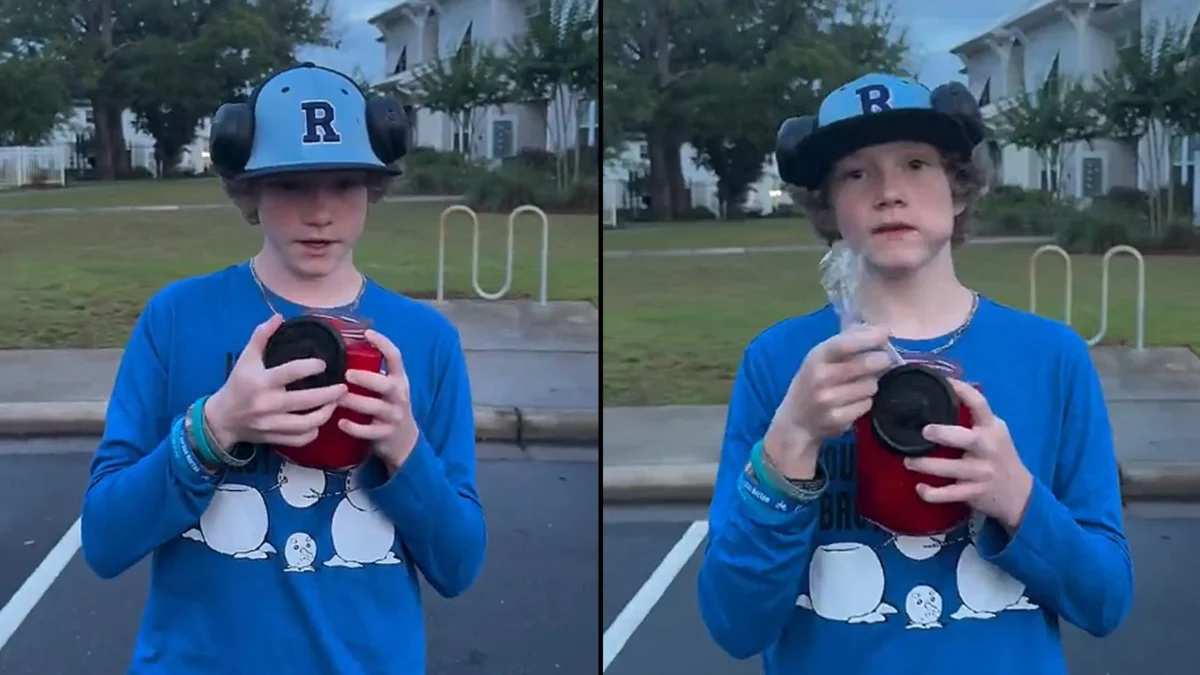
In the volatile ecosystem of modern social media, fame often strikes in the most unlikely of places. Sometimes it arrives via a high-production dance routine; other times, it manifests in the form of a 12-second clip of a young man enjoying a snack in a parking lot.
Such is the case with Bubba Harrelson, the breakout star behind the viral "dat bih gah" meme. What began as a local trend involving a questionable culinary experiment—pineapple spears soaked in concentrated Kool-Aid—has evolved into a global internet sensation, largely propelled by Harrelson’s unfiltered and charismatic review. As the trend continues to dominate feeds, it has sparked discussions ranging from the nature of regional dialect and internet stardom to the legitimate health concerns surrounding the high-sugar snack.
The Genesis: Kool-Aid Pineapples and the Rise of a Meme
The trend, which gained massive traction throughout late May 2026, revolves around the preparation of pineapple spears submerged in a potent, sugar-laden Kool-Aid brine. The concoction is vibrant, visually striking, and undeniably sweet. The popularity of these jars has reached such a fever pitch that they are frequently sold out of vehicle trunks on street corners, often mirroring the clandestine aesthetic of underground commerce.
On May 29, 2026, the trajectory of this trend shifted permanently. Harrelson, a resident of Florida, was filmed sampling the treat. His reaction—a succinct, rhythmic declaration of approval—was immediate. After sipping the syrup, he remarked, "Dat bih tough," followed by the now-iconic "Dat bih gah" after biting into the fruit. The cadence, the accent, and the genuine enthusiasm captured in those few seconds proved to be a lightning-in-a-bottle moment for digital engagement.
Within 72 hours of its initial upload, the clip had amassed over 30 million views. It quickly became the definitive audio track for the trend, with users across TikTok, X (formerly Twitter), and Instagram utilizing the clip to soundtrack their own attempts at the snack or simply to riff on Harrelson’s memorable delivery.
Chronology of a Viral Sensation
The timeline of Harrelson’s ascent provides a fascinating look at how quickly an individual can transition from obscurity to viral fame in the digital age.
- May 25–28, 2026: The "Kool-Aid Pineapple" trend begins to percolate on niche corners of TikTok, with creators filming themselves purchasing the jars from street vendors.
- May 29, 2026: Bubba Harrelson is filmed sampling the snack. The original video is posted, gaining organic traction almost instantly.
- May 30–31, 2026: The clip enters the mainstream. It is remixed by major accounts, and the phrase "dat bih gah" begins appearing in comment sections across unrelated platforms, solidifying its status as a piece of internet vernacular.
- June 1, 2026: Content creator "Lil Tyke" identifies and interviews Harrelson. This follow-up video provides the "human" element to the meme, allowing Harrelson to address his newfound status directly.
- June 2–Present: Discussions shift from the entertainment value of the video to the broader cultural implications of the trend and the nutritional viability of the snack itself.
The Man Behind the Phrase: Harrelson Speaks Out
On June 1, the public finally heard from the source. In a sit-down conversation with content creator Lil Tyke, Harrelson remained remarkably grounded. When asked about his sudden explosion into the spotlight, Harrelson appeared unfazed, even grateful.
"It’s good," Harrelson said regarding the attention. "Got a whole bunch of fame, a whole bunch of people liking my sh*t."
Perhaps the most significant aspect of the interview was the clarification regarding his linguistic style. Critics and fans alike had speculated about the origin of his phrasing, with some questioning if it was a calculated performance for the camera. Harrelson clarified that the speech pattern is simply a byproduct of his upbringing in Florida. He noted that the rhythm and vocabulary were natural to his environment, dispelling any notion that he was "putting on" an act for the sake of clicks.
This authenticity has played a massive role in his sustained popularity. In an era where many influencers are criticized for being overly curated, Harrelson’s raw, unvarnished personality has resonated with an audience that prizes genuine interaction.
Nutritional Implications: The Dark Side of the Trend
While the "dat bih gah" meme has brought laughter to millions, the underlying trend of Kool-Aid-soaked pineapples has drawn significant criticism from health professionals and nutritionists. The process of soaking fruit in concentrated sugar syrup creates a product with an alarming glycemic profile.
According to various food analysts tracking the trend, a single jar can contain anywhere from 320 to 350 grams of added sugar. To put that into perspective, that is the equivalent of consuming nine 12-ounce cans of Coca-Cola in one sitting.
The health implications are significant. The American Heart Association recommends a daily limit of added sugar of no more than 36 grams for men and 25 grams for women. A single serving of these "Kool-Aid pineapples" exceeds these recommended daily intakes by nearly tenfold. While the trend is currently treated as a "culinary curiosity" or a party trick, the potential for blood sugar spikes and long-term health consequences has led to a growing chorus of voices urging caution.
Cultural Implications: Authenticity in the Digital Age
The "dat bih gah" phenomenon serves as a case study in the democratization of celebrity. Unlike traditional media, which requires gatekeepers to approve talent, the current digital landscape allows for a local personality to become a national icon overnight, provided their content possesses a certain "X-factor."
However, this phenomenon also raises questions about how society consumes "content" versus "people." Harrelson is currently navigating the transition from a private citizen to a public figure. The challenge for many viral stars is maintaining that original spark while dealing with the pressures of internet scrutiny.
Furthermore, the regional dialect used by Harrelson has become a subject of linguistic fascination. His speech reflects a specific cultural milieu in Florida—a blend of regional slang and rhythmic delivery that has been embraced by the internet at large. While some might dismiss the meme as a fleeting trend, the cultural footprint of the phrase suggests that it will likely persist in digital lexicon for some time, much like previous viral catchphrases that have transcended their original contexts.
Looking Ahead: The Future of the "Kool-Aid" Craze
As of early June 2026, the trend shows little sign of slowing down, though it is beginning to evolve. We are already seeing "copycat" videos, reviews of different flavor combinations, and even parodies that critique the absurdity of the snack.
For Bubba Harrelson, the road ahead remains uncertain but full of potential. Whether he chooses to lean into his newfound influence as a content creator or return to his daily life, he has already secured his place in the digital history books. The "dat bih gah" moment stands as a testament to the unpredictable, high-speed nature of modern culture—where a simple snack and a handful of words can unite millions of people, for better or for worse.
Ultimately, the story of the Kool-Aid pineapple is not just about a snack; it is about the intersection of regional identity, the rapid-fire nature of social media distribution, and the eternal human desire for authentic, unfiltered moments in an increasingly manufactured world. Whether or not the snack itself survives the scrutiny of nutritionists, the "dat bih gah" meme has firmly established itself as a landmark moment in 2026 internet history.









No comments yet. Be the first to join the conversation!