


In the shadow of Japan’s neon-lit megalopolises and the well-trodden tourist circuits of Kyoto and Osaka, there exists a rugged, verdant sanctuary where the modern world seems to dissipate into the mist of ancient cedar forests. The Kii Peninsula, a vast expanse of mountainous terrain plunging into the deep blue of the Pacific, remains one of Japan’s best-kept secrets. It is a land defined by spirituality, isolation, and a profound connection to the natural elements.
For over a millennium, this region has served as the spiritual heart of Japan. It is home to the Kumano Kodo, a labyrinthine network of pilgrimage routes that wind through the southern reaches of Mie and Wakayama Prefectures. While many international travelers treat the region as a mere flyover destination, a growing movement of "slow travelers" is beginning to recognize the Kii Peninsula not just as a place to pass through, but as a destination of profound cultural and aesthetic significance.

Main Facts: The Kumano Region and the Pilgrimage Legacy
The Kumano region is a UNESCO World Heritage site, recognized for its "Sacred Sites and Pilgrimage Routes in the Kii Mountain Range." These paths were established during the Heian period (794–1185) as a means for emperors and commoners alike to seek spiritual purification.
The geography of the peninsula is characterized by extreme verticality. Towering mountains, carved by torrential rains and covered in primeval forests, descend sharply into coastal plains. This unique topography has fostered a distinct culture, one that relies on the bounty of the sea—famous for the freshest tuna in Japan—and the labor-intensive beauty of terraced agriculture.
The primary draw remains the Kumano Kodo, yet the modern traveler finds that the true essence of the region lies in the integration of these ancient trails with contemporary hospitality. The arrival of the Fairfield by Marriott hotel network, strategically paired with Michi-no-Eki (roadside stations), has transformed the logistical landscape of the region, allowing for a more immersive and accessible exploration of "deep Japan."
Chronology: A Three-Day Odyssey Through the Kii Coast
For those seeking to navigate this terrain, a structured three-to-four-day itinerary is recommended. The journey typically begins in Mie Prefecture and culminates at the southernmost tip of Honshu in Wakayama.
Day 1: The Gateway of Mihama
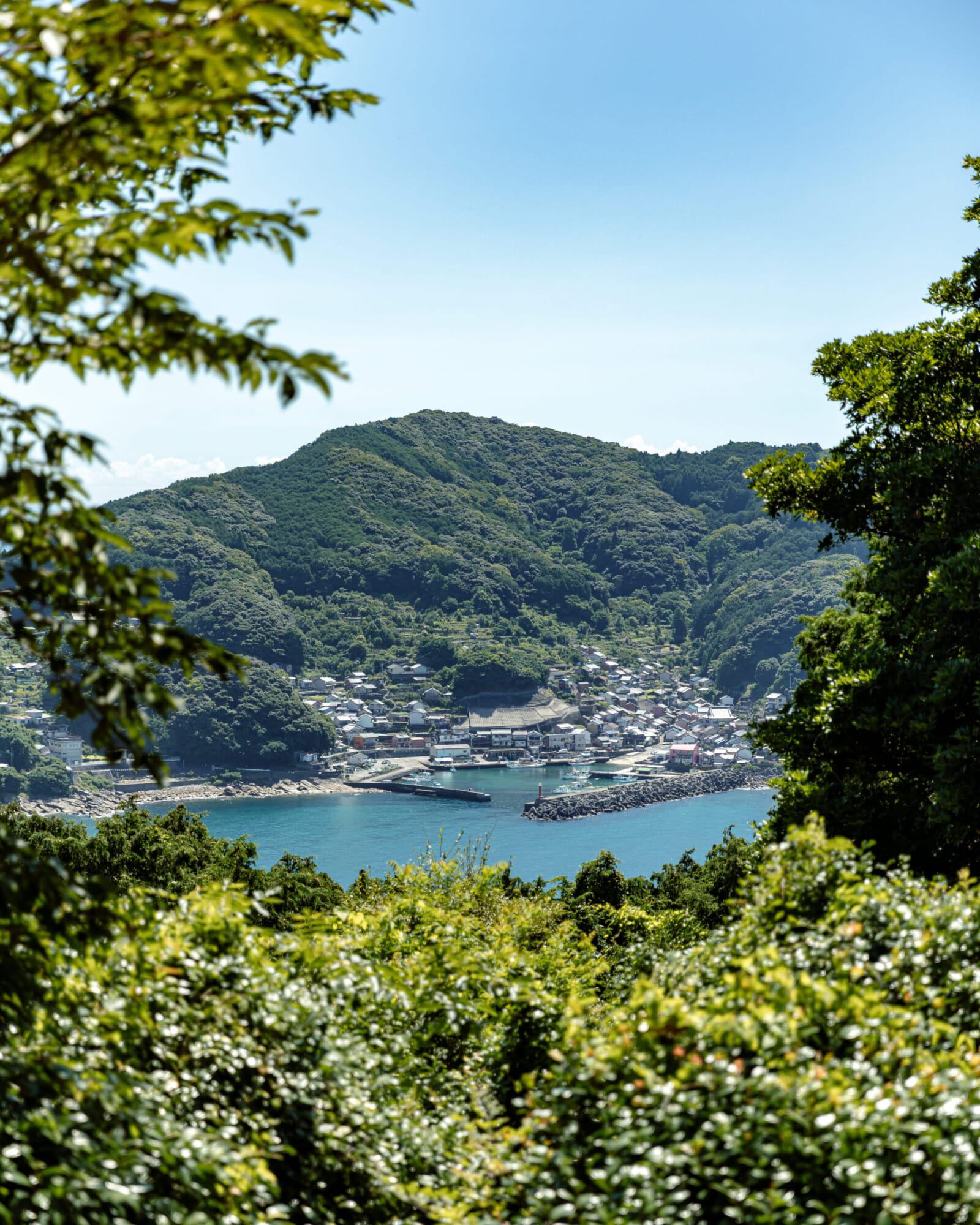
The journey starts at the Fairfield by Marriott Mie Kumano Kodo Mihama. This property sits adjacent to the Shichiri Mihama, Japan’s longest pebble beach, where the rhythmic crashing of the Pacific provides a meditative soundtrack to the start of the trip.
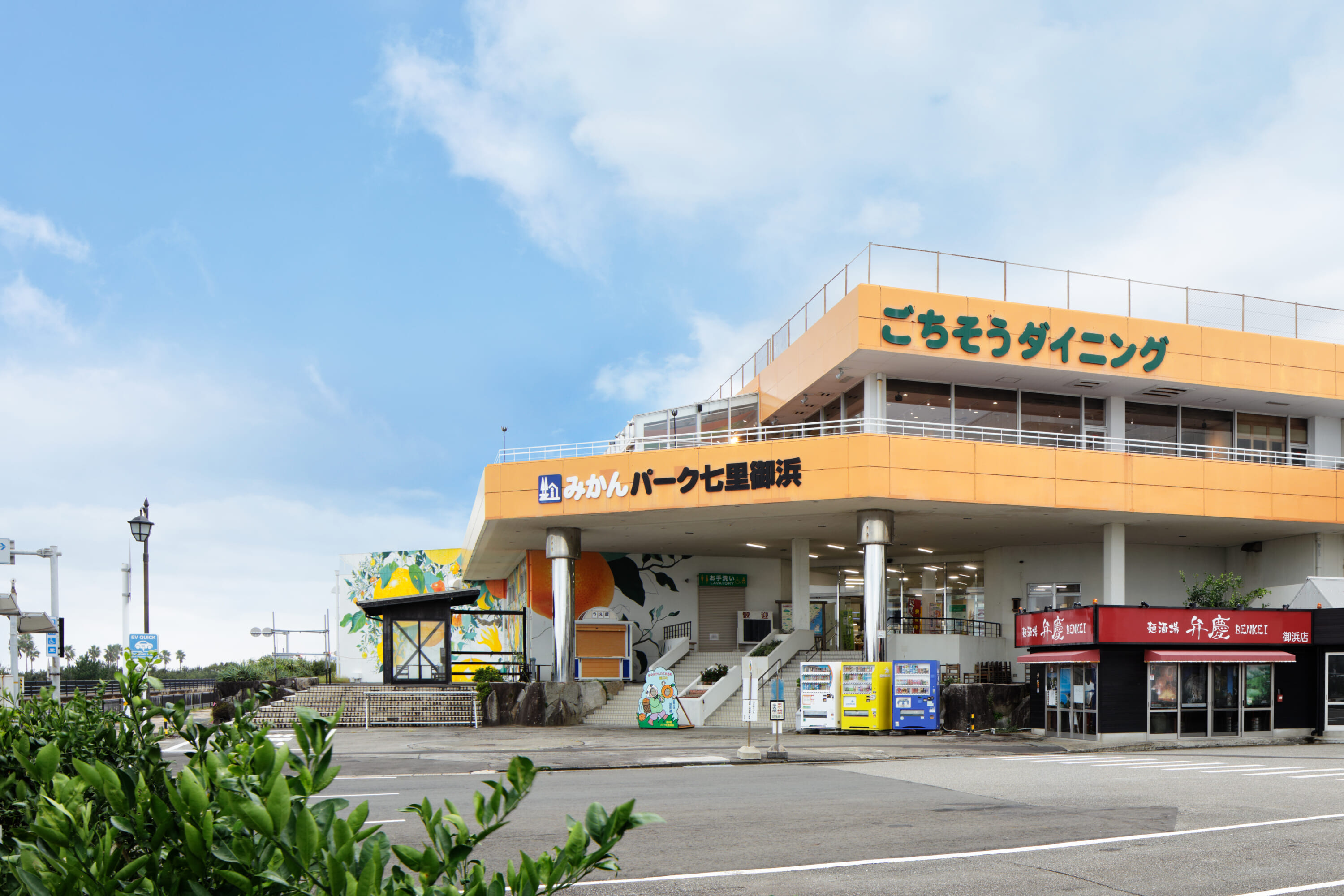
The Michi-no-Eki Park Shichiri Mihama serves as the essential introduction to local culture. These government-designated hubs are far more than mere rest stops; they function as the town’s living room. Here, travelers can engage with local farmers, purchase seasonal produce, and gather intelligence from locals who know the hidden turns of the nearby mountains.

Day 2: Navigating the Ancient Trails
The morning should be dedicated to the Matsumoto-toge Pass, arguably the most iconic, yet manageable, section of the Kumano Kodo. The path is paved with centuries-old stone, winding through towering bamboo groves and ancient cedars, ultimately opening onto a panoramic lookout that offers a breathtaking vista of the coastline.
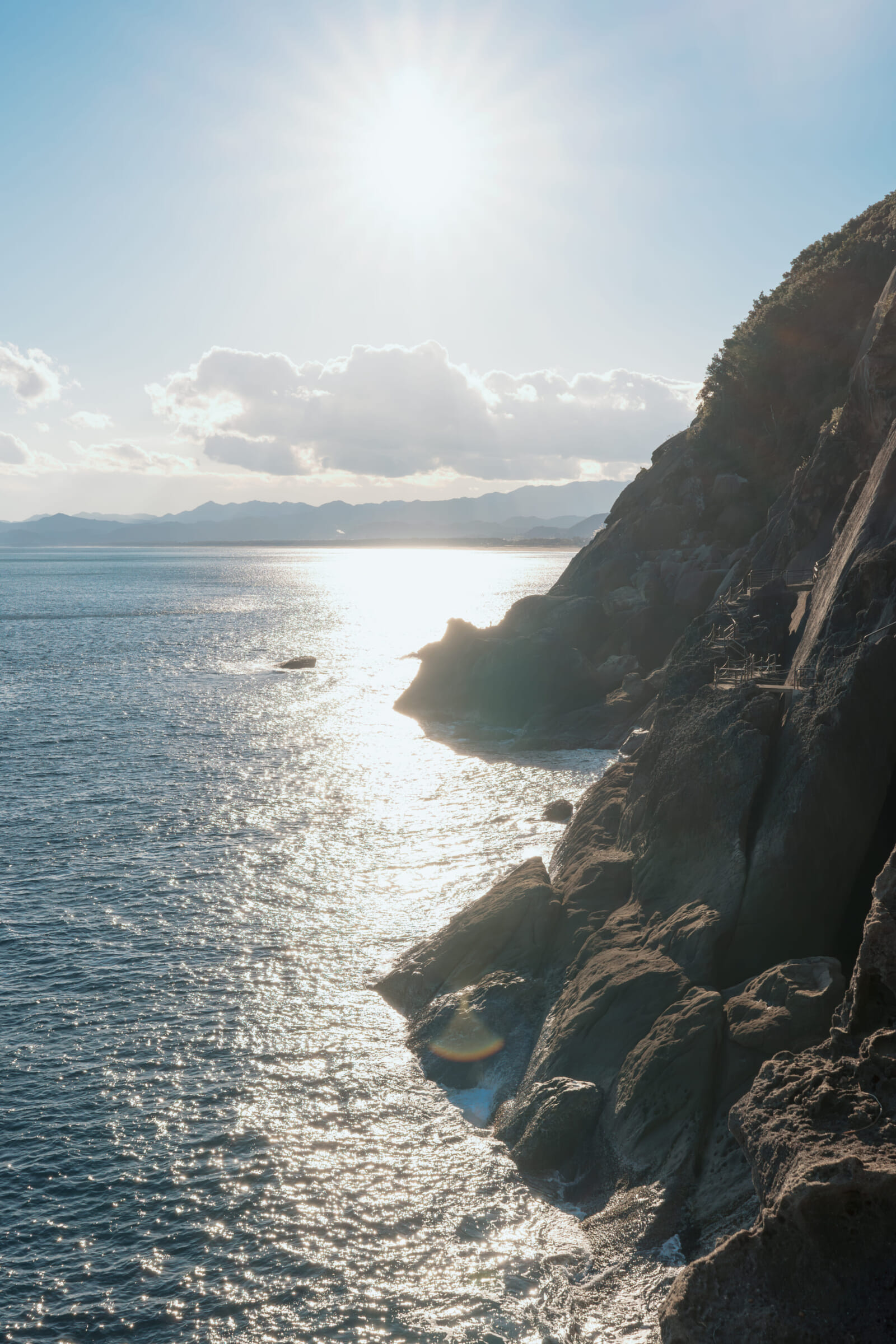
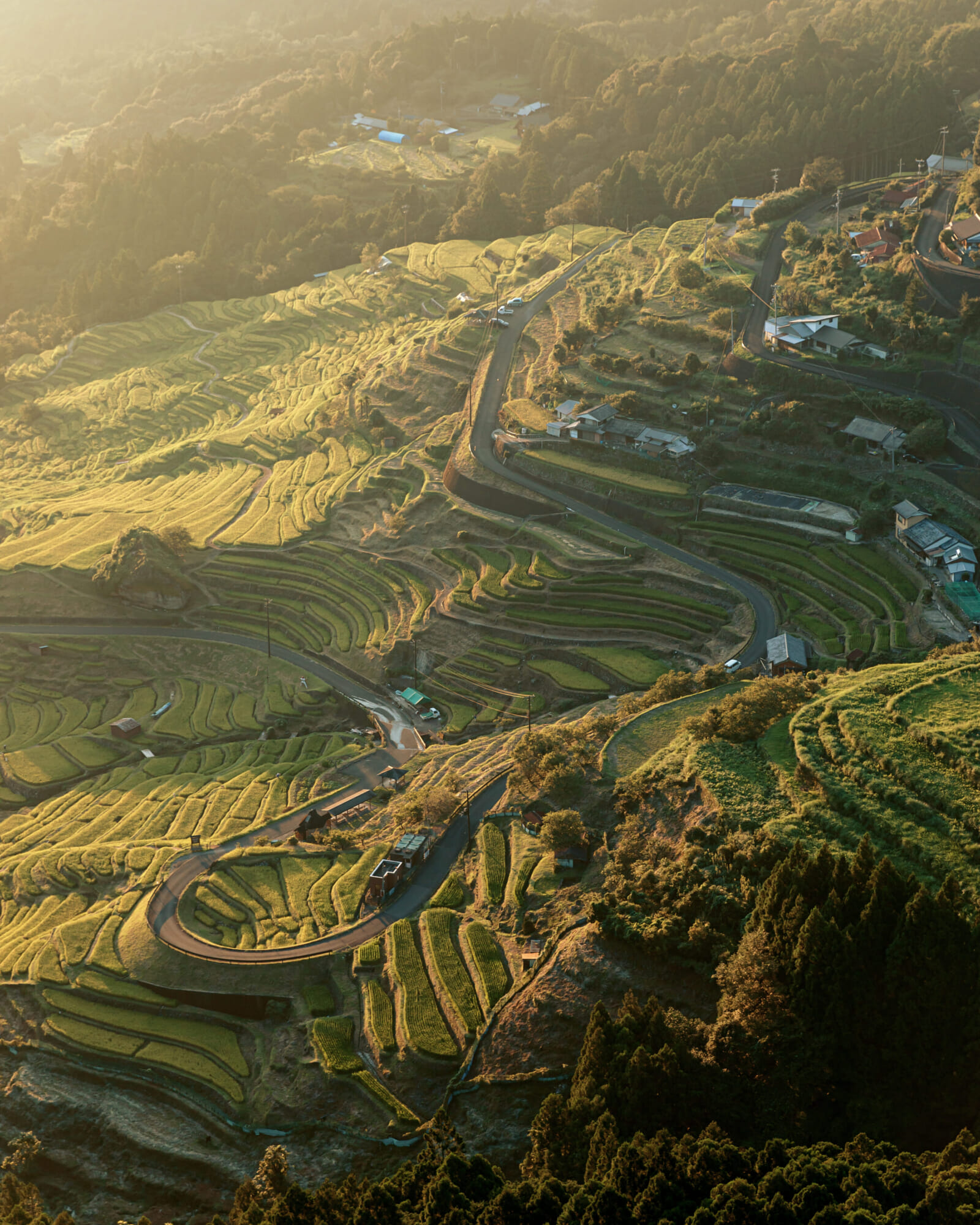
Following the hike, the itinerary moves toward the geological wonders of the region. Onigajo—or "Demon’s Castle"—is a UNESCO-recognized cliffside formation. Centuries of wind and wave erosion have sculpted the rock into jagged, mythological shapes that feel otherworldly. As the sun begins to dip, a visit to the Maruyama Senmaida rice terraces is essential. With roughly 1,300 paddies cascading down the mountainside, the site creates a golden, shimmering effect as the light fades, reflecting the immense labor that has defined local life for generations.
Day 3: The Southern Edge
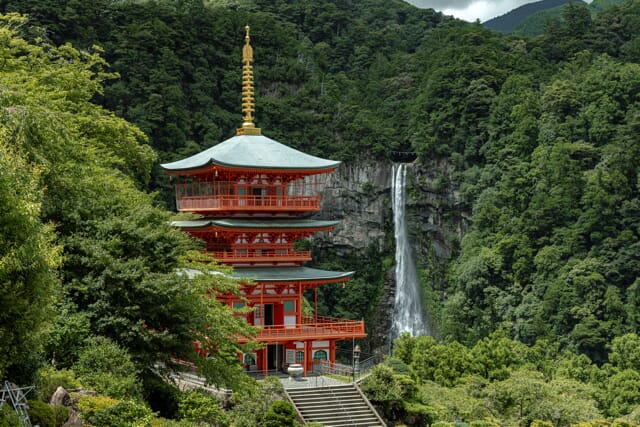
The 90-minute drive south into Wakayama is a transition from the forest to the sea. The highlight of this leg is the Nachi Taisha, a shrine complex where the vermillion pagoda stands in stark contrast to the verdant mountain backdrop and the thunderous, single-drop Nachi Falls.
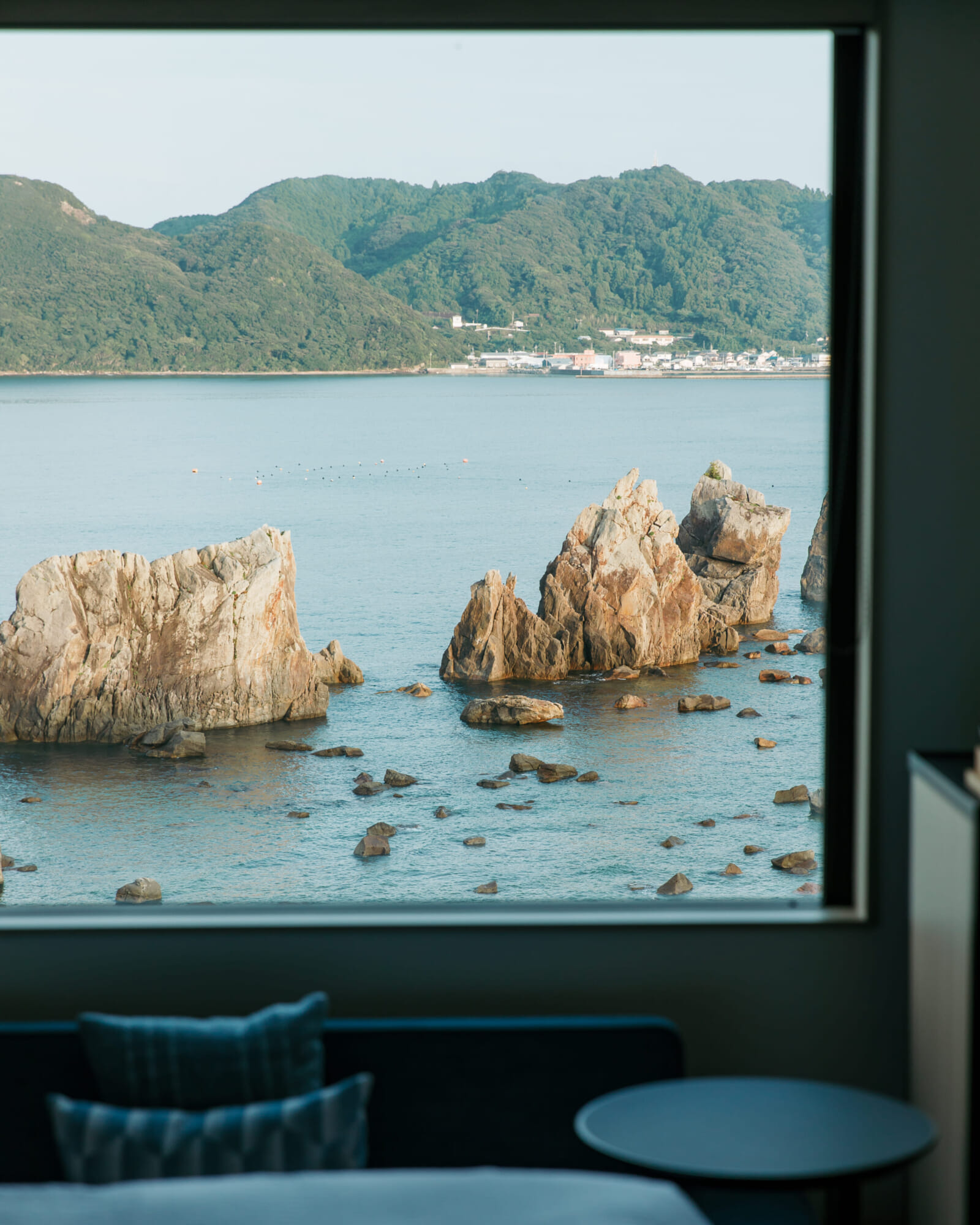
The journey concludes at the Fairfield by Marriott Wakayama Kushimoto. Located at the southernmost point of Honshu, the property offers ocean-view rooms that capitalize on the peninsula’s dramatic light. The dawn here is a singular experience; the sun rises over the Hashigui-iwa rocks, a series of roughly 40 monolithic pillars that protrude from the sea, resembling the remnants of a bridge abandoned by giants.
Supporting Data: The Role of the Michi-no-Eki Ecosystem
The Michi-no-Eki system, which underpins the recent surge in regional tourism, provides a critical data point for the revitalization of rural Japan. As urban centers become increasingly crowded, these roadside stations provide a decentralized economic model.
- Economic Impact: By acting as a nexus for local commerce, these stations ensure that tourism revenue remains within the local community, supporting small-scale farmers and artisanal sushi makers who specialize in local delicacies like mehari and sanma sushi.
- Accessibility: Before the integration of modern, design-forward hotels like the Fairfield by Marriott with these hubs, the Kumano region was often inaccessible to travelers without private transport or those uncomfortable with traditional, restrictive ryokan scheduling.
- Connectivity: The stations serve as real-time information centers. Local staff at the Michi-no-Eki provide data on trail conditions, weather updates, and seasonal events that are often not available through global search engines or travel apps.
Official Responses and Strategic Development
The revitalization of the Kii Peninsula is not merely a private-sector initiative; it is part of a broader government strategy to combat depopulation in rural prefectures. Local municipalities in Mie and Wakayama have partnered with hotel developers to create a "hub-and-spoke" model of tourism.
"The goal," notes a regional tourism spokesperson, "is to create a sustainable cycle where the preservation of our heritage—the trails, the shrines, the rice paddies—is directly supported by the visitors who come to walk them. We want to encourage a ‘slow’ approach to travel, where visitors spend more time in fewer places, allowing them to truly understand the rhythm of life here."
The strategy focuses on low-impact, high-value tourism. By promoting shorter, "digestible" segments of the Kumano Kodo, such as the Fuden-toge Pass, authorities are successfully dispersing foot traffic away from the most congested areas while highlighting the historical significance of the entire peninsula.

Implications: The Future of Slow Tourism in Japan
The Kii Peninsula serves as a case study for the future of Japanese tourism. As the global travel industry shifts away from "checkbox" tourism—where visitors rush to see the most famous landmarks—the model offered by the Kumano region provides an alternative: the "pilgrimage" model.
Cultural Preservation
The integration of tourism into the daily lives of the residents ensures that traditional practices are not merely museum pieces. When travelers purchase goods at a Michi-no-Eki, they are directly funding the maintenance of the very landscapes they visit. The preservation of the Maruyama Senmaida is a direct result of this renewed interest; without the influx of visitors, the maintenance of such labor-intensive terraces would likely have ceased years ago.

Psychological and Spiritual Rejuvenation
The "slow travel" movement is increasingly recognized for its health benefits. The practice of shinrin-yoku (forest bathing), which is native to Japan, is fundamentally intertwined with the Kumano experience. Walking the stone-paved paths of the Kii mountains provides a psychological reprieve that modern, urban-centric travel cannot offer.
The Challenge of Sustainability
The challenge for the Kii Peninsula lies in balancing growth with conservation. The region’s fragile ecology and the aging population of its mountain villages require a delicate touch. However, the current model—using the Fairfield and Michi-no-Eki network—appears to offer a scalable solution. By spreading infrastructure across the coastline rather than concentrating it in a single resort town, the region is better equipped to handle the influx of visitors without degrading the natural beauty that defines it.
In conclusion, the Kii Peninsula is a testament to the endurance of Japan’s spiritual past. For the discerning traveler, it offers a rare opportunity to step off the high-speed train and onto a path that has been walked for a thousand years. Whether one is watching the sunrise over the Hashigui-iwa or navigating the mist-covered mountain passes of Mie, the region invites a state of mind that is increasingly rare in the 21st century: the quiet realization that the journey is, in every sense, the destination.












No comments yet. Be the first to join the conversation!