Nana Muazin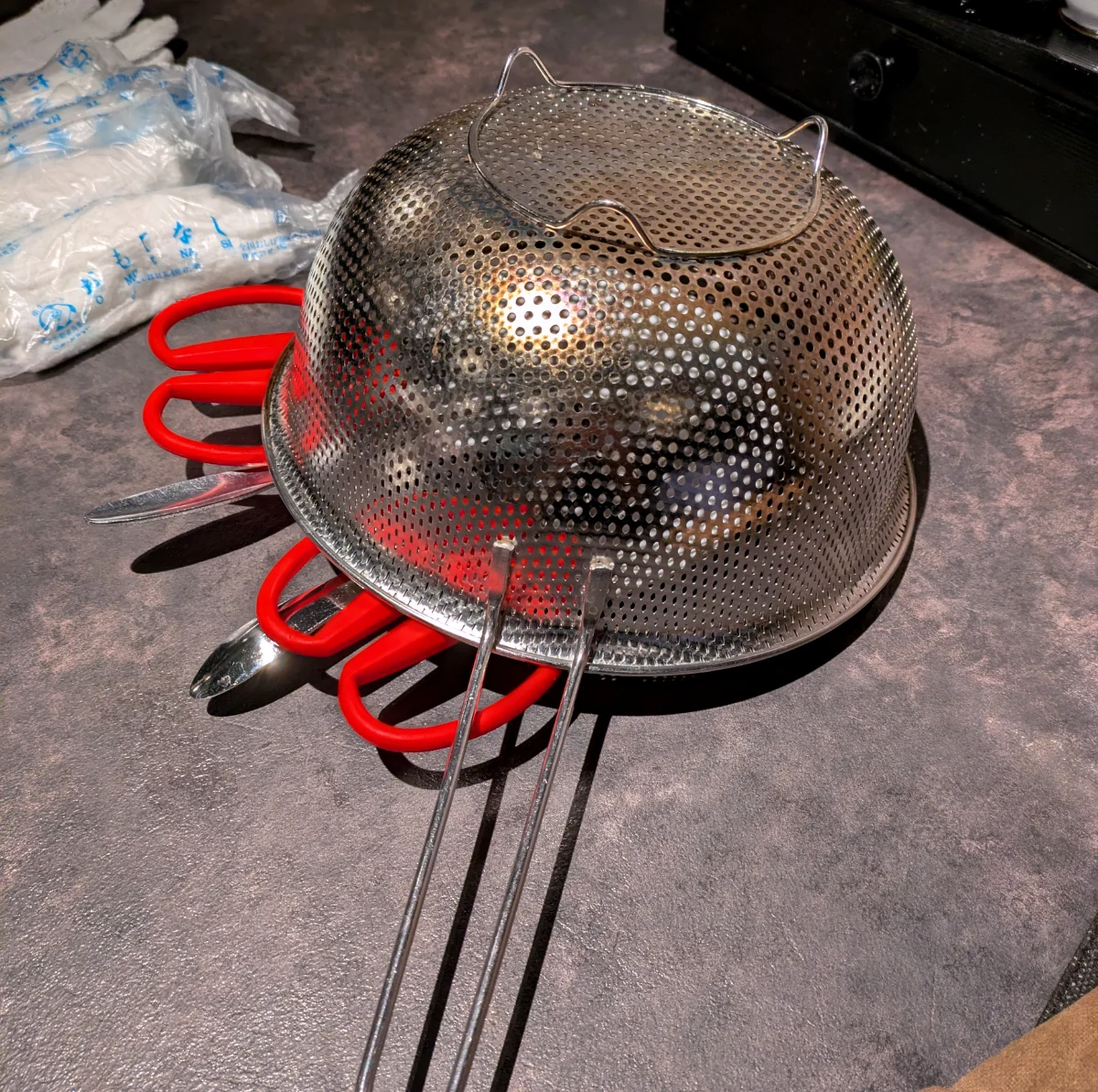
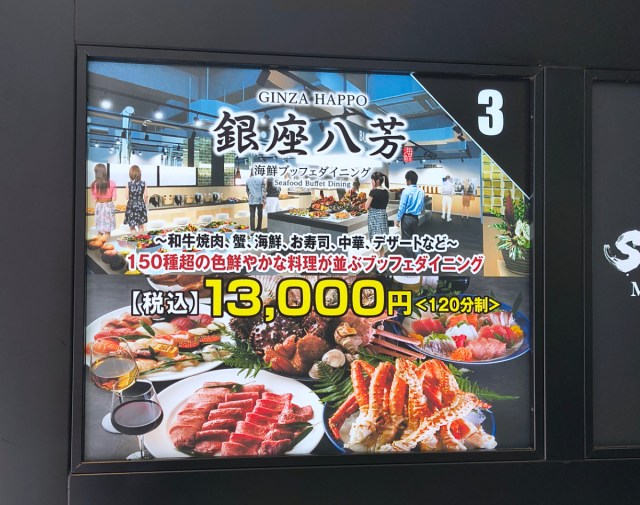
In the hyper-competitive landscape of Tokyo’s dining scene, the term "all-you-can-eat" often conjures images of budget-friendly, low-quality chains. However, a new player has emerged in the capital, challenging the status quo by offering a high-end, immersive buffet experience that prioritizes luxury ingredients and interactive dining. Ginza Happo, which established branches in both the prestigious Ginza district and the bustling heart of Shinjuku in 2024, has quickly become a focal point for food enthusiasts seeking value within the premium tier of dining.
With a starting price point of 13,000 yen (approximately US$81.21), Ginza Happo is not a casual lunch stop. It represents a significant investment for a single meal. Yet, as reports of its expansive offerings—ranging from top-tier Wagyu beef to an almost overwhelming array of fresh seafood—have circulated, the restaurant has transformed into a "must-visit" destination. To understand whether such an expensive buffet can actually deliver on its promise of value, we conducted a comprehensive review of the Shinjuku branch.
The Anatomy of the Buffet: A Strategic Approach
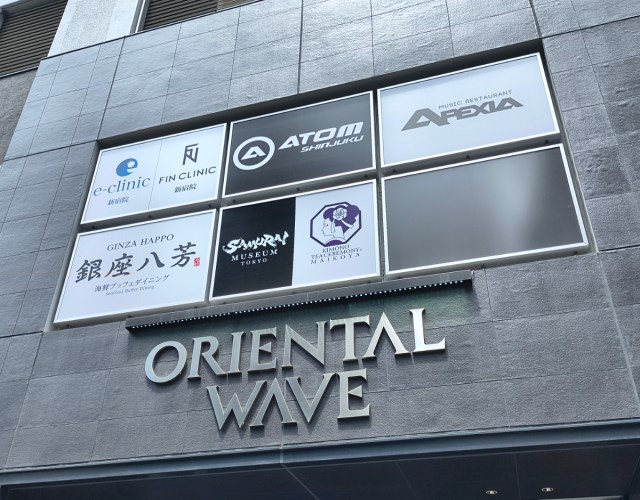
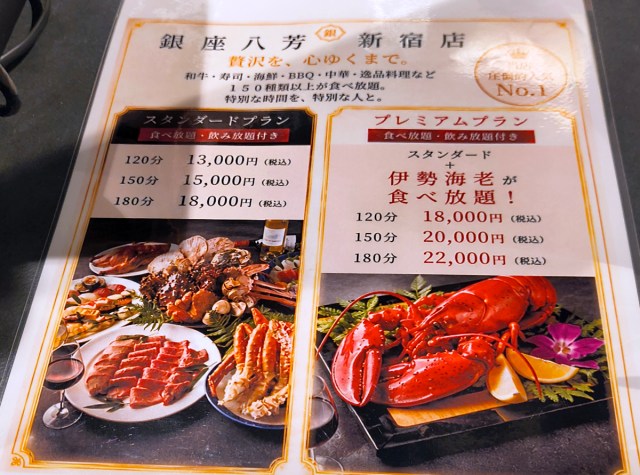
Upon arriving at the third floor of the Oriental Wave Building in Shinjuku, guests are greeted by an elegant reception area that sets a tone of refinement. The restaurant operates on two distinct pricing tiers: the Standard Plan (13,000 yen for 120 minutes) and the Premium Plan (18,000 yen for 120 minutes). The latter is differentiated primarily by the inclusion of unlimited spiny lobster, a delicacy that justifies the price hike for serious seafood aficionados.
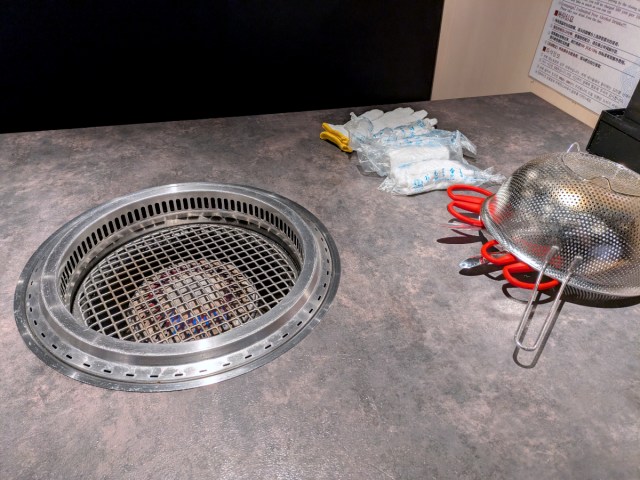
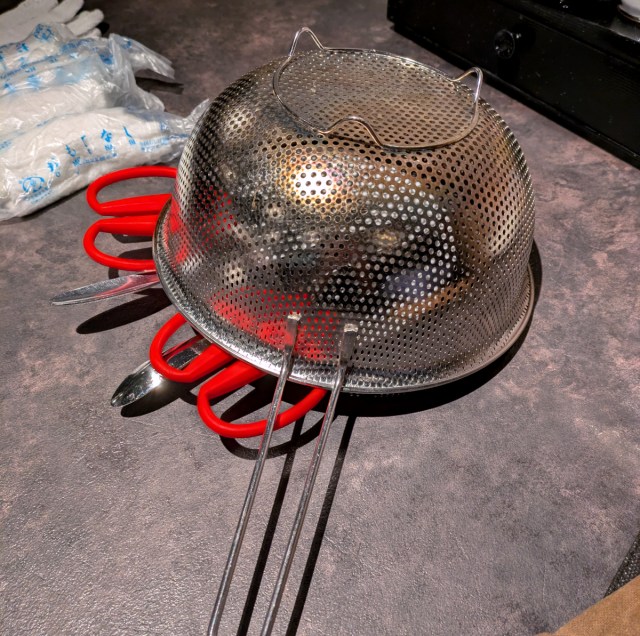
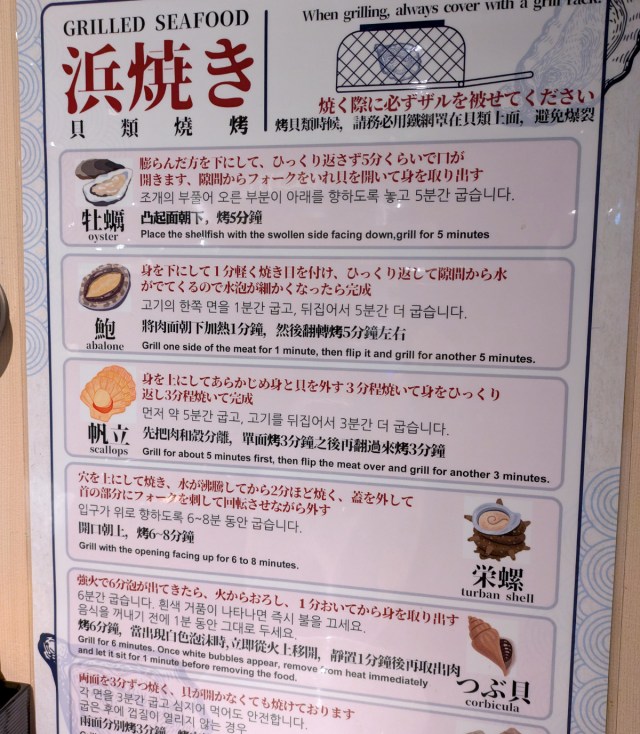
The logistical setup at Ginza Happo is designed to facilitate what is known in Japan as hamayaki—literally "seaside grilling." Each table is equipped with a high-end, integrated tabletop grill. The restaurant provides specialized tools, including heavy-duty scissors for crab shells and protective metal colanders that shield diners from the stray shell fragments and hot embers common when grilling shellfish. While the array of tools might appear daunting at first, the restaurant provides clear, easy-to-follow instructional guides, ensuring that even novices can achieve perfect results with oysters, clams, and other mollusks.
Chronology of the Experience
Our visit began with a systematic survey of the food stations. The sheer volume of ingredients available is staggering, creating a sensory overload that requires a disciplined approach.
The Seafood Frontier
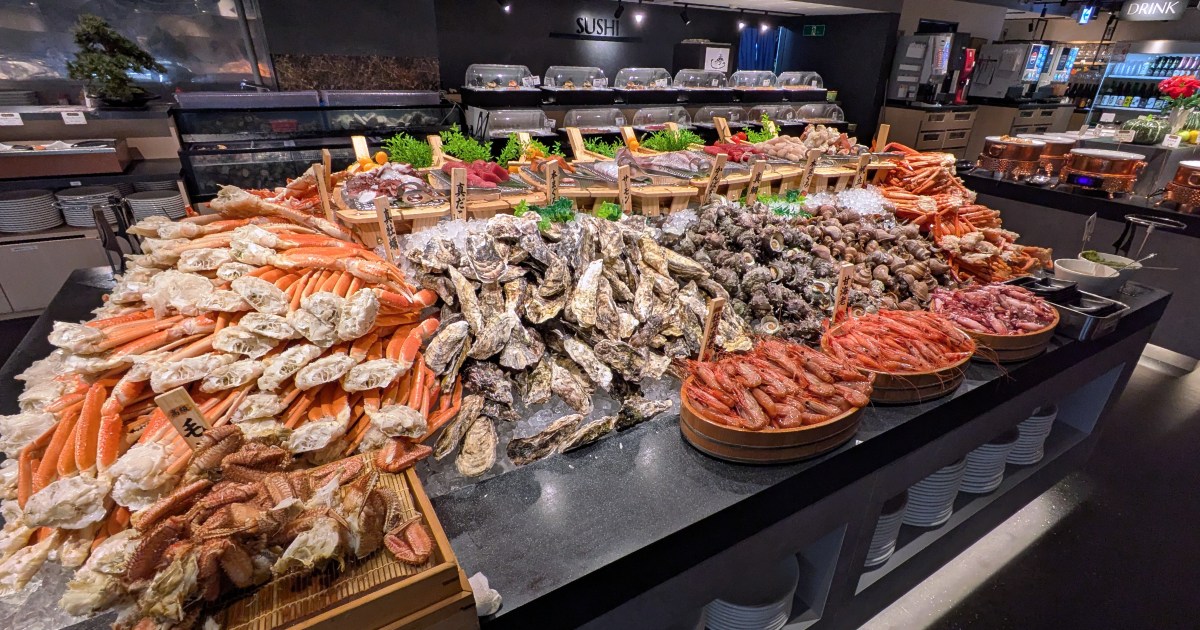
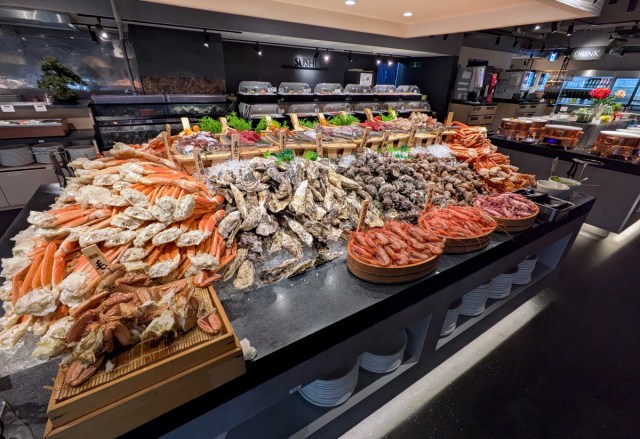
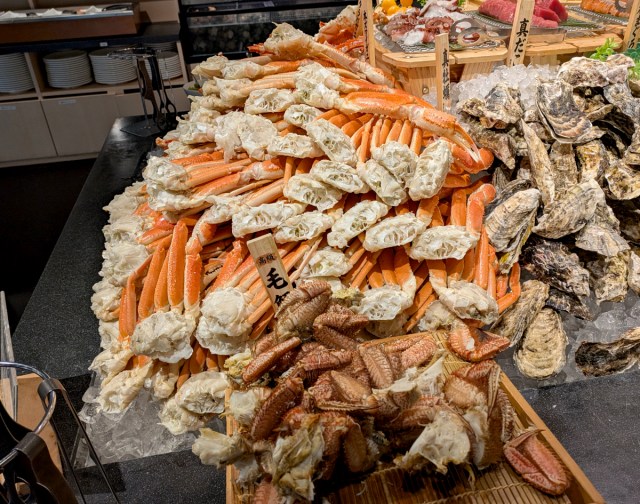
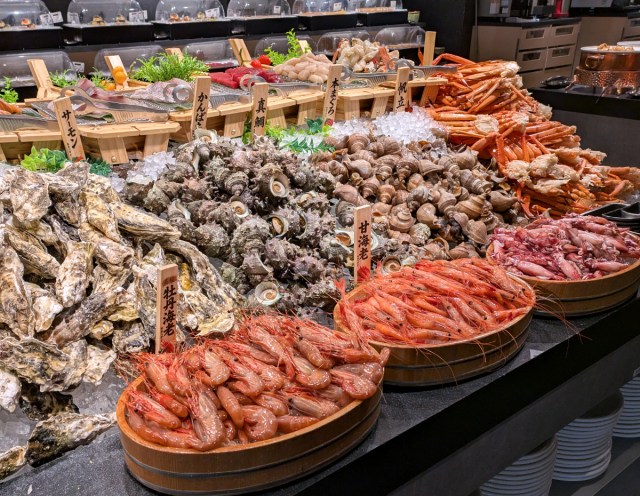
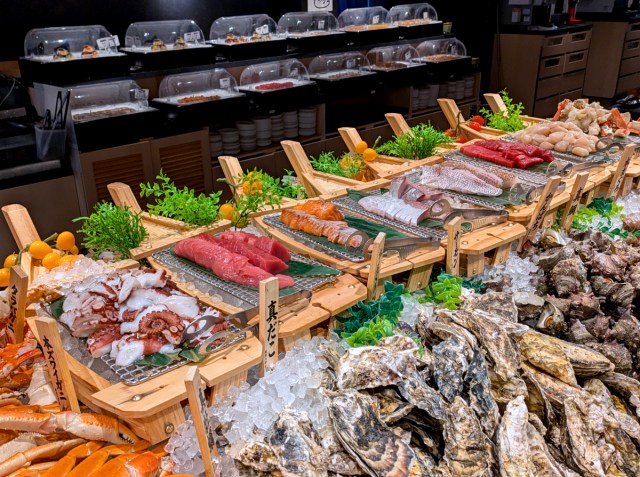
The central island is the undisputed centerpiece of the dining room. It features a mountainous display of oysters, turban shells, clams, and whelks. Flanking these are massive piles of sweet shrimp and botan shrimp, alongside three varieties of premium crab: hairy crab, snow crab, and king crab. For those who know where to look, the top tier of this section houses a sophisticated spread of fresh sashimi, which is frequently overlooked by patrons distracted by the more dramatic raw shellfish displays.
The Meat and Hot Dish Stations
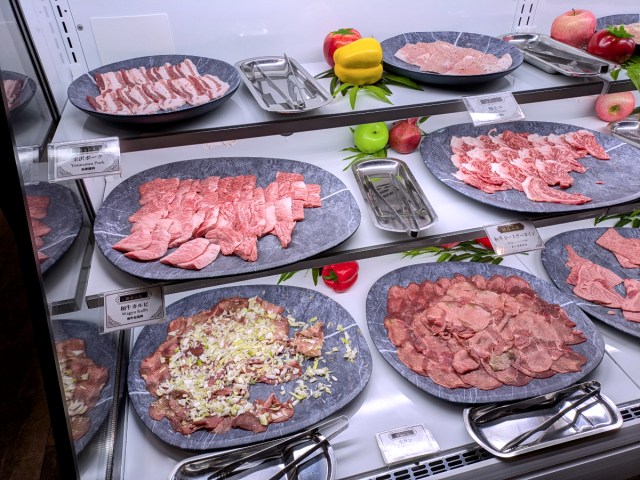
Beyond the seafood lies a meat section that would be the pride of any high-end yakiniku house. Offerings include Yonezawa pork and premium cuts of Wagyu, such as sirloin and kalbi. These are not the thin, pre-marinated slices found in budget grills; these are thick, marbled cuts that demand respect on the grill.
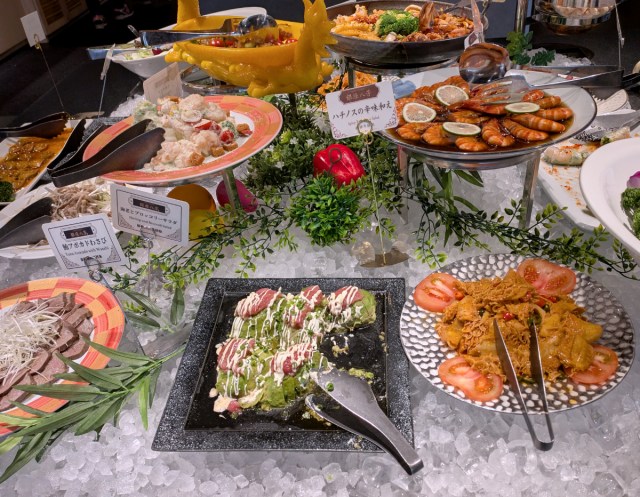
Further exploration revealed a hot food section featuring Chinese-inspired cuisine, including braised pork belly, delicate shumai (dumplings), and black vinegar sweet and sour pork. Perhaps most surprisingly, the restaurant features a whole prosciutto leg and a display of Peking duck, signaling a commitment to variety that goes beyond standard Japanese fare.
Supporting Data: Value and Strategy
The critical lesson learned during our 120-minute window was the importance of strategy. The restaurant is a masterclass in "choice paralysis." Because the buffet is so extensive, the average diner is prone to filling their plate with items like fried chicken, croquettes, and spring rolls—staples that are delicious but undeniably filling.
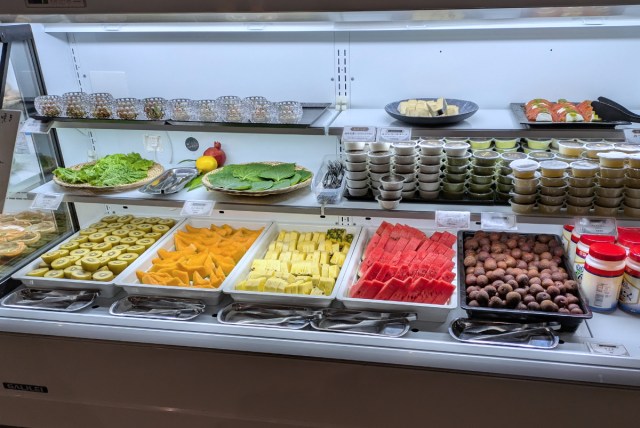
By the time we reached the dessert station—which featured a rare, high-end inclusion of Häagen-Dazs ice cream in vanilla, cookies and cream, and strawberry flavors—we realized our error. We had consumed too much of the "filler" items. The most successful diners, the "buffet pros" observed during our stay, were those who bypassed the fried dishes entirely, focusing exclusively on the high-cost, high-value items like the crab and the Wagyu. With only two hours on the clock, every minute spent on common appetizers is a minute taken away from the premium seafood that defines the restaurant’s reputation.
Official Perspective and Service Philosophy
While management at Ginza Happo does not explicitly offer a "how-to" guide for maximizing the buffet, the layout suggests a design that rewards those who know their priorities. The staff, who remain attentive and professional throughout the meal, are trained to assist with the complexities of the tabletop grills, ensuring that the hamayaki experience remains safe and efficient.
The inclusion of an extensive "drink bar"—which includes beer on tap, a variety of wines, spirits, and traditional Japanese beverages like umeshu (plum wine) and makgeolli—further emphasizes that the restaurant is intended to be a long-form dining experience rather than a quick meal. The business model relies on the assumption that while some guests will "win" the value proposition by eating vast quantities of lobster and crab, the sheer variety of the buffet keeps the overall flow of the kitchen manageable.
Implications for the Tokyo Dining Scene
The success of Ginza Happo highlights a shifting trend in the Tokyo restaurant market. In a post-2024 landscape, consumers are increasingly seeking "experiential dining." They are no longer satisfied with just a meal; they want a spectacle. The interactive nature of the tabletop grills and the opportunity to curate one’s own multi-course meal from dozens of options provides a level of engagement that a traditional restaurant cannot match.
However, the high price point also serves as a barrier to entry, positioning Ginza Happo as a destination for special occasions rather than daily dining. The implication is clear: the buffet format in Japan is evolving. It is moving away from the "all-you-can-eat-for-cheap" model and toward a "curated abundance" model.
Final Verdict: Is it Worth It?
If you are a casual diner who simply wants a good meal, the 13,000-yen price tag may feel steep. But for the seafood enthusiast who understands the cost of high-quality crab and Wagyu, the value proposition is undeniable. The secret to enjoying Ginza Happo is simple: leave your appetite for common fried foods at home, arrive with a clear plan, and be prepared to put in the work required to crack the shells of your own seafood feast.
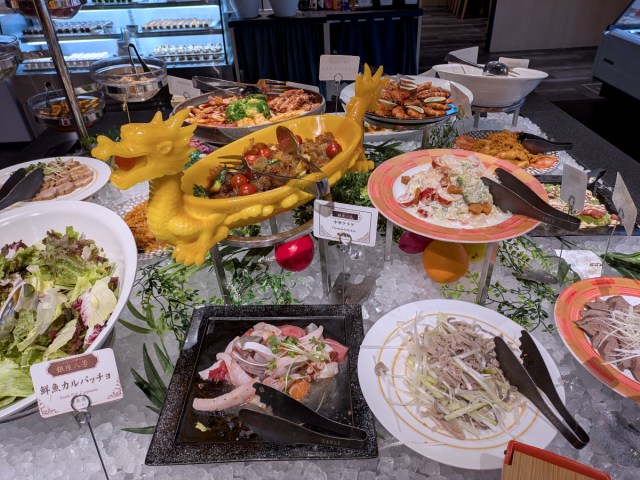
It is a demanding meal, both for your stomach and your tactical planning, but it is undoubtedly one of the most unique culinary spectacles currently operating in the heart of Tokyo.
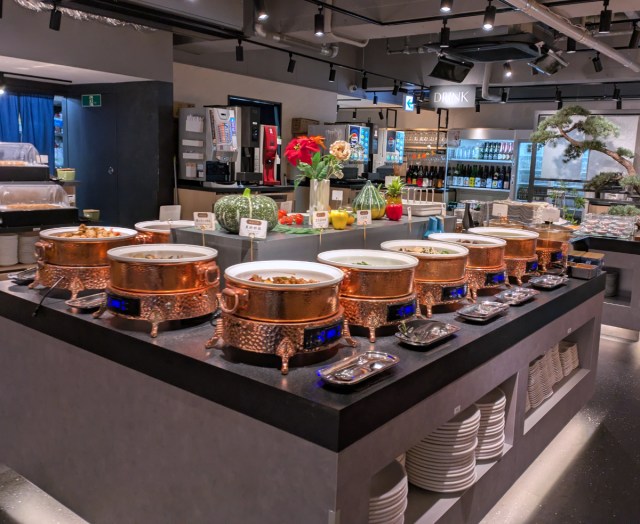
Restaurant Information
- Name: Ginza Happo Seafood Buffet Dining (Shinjuku Branch)
- Address: 3F Oriental Wave Building, 5-17-13 Shinjuku, Shinjuku-ku, Tokyo
- Operating Hours: 11:30 a.m. – 10:00 p.m. (Last entry at 8:00 p.m.)
- Website: https://ginzahappo.owst.jp/


 Neng Nana
 Asro
Asro