Neng Nana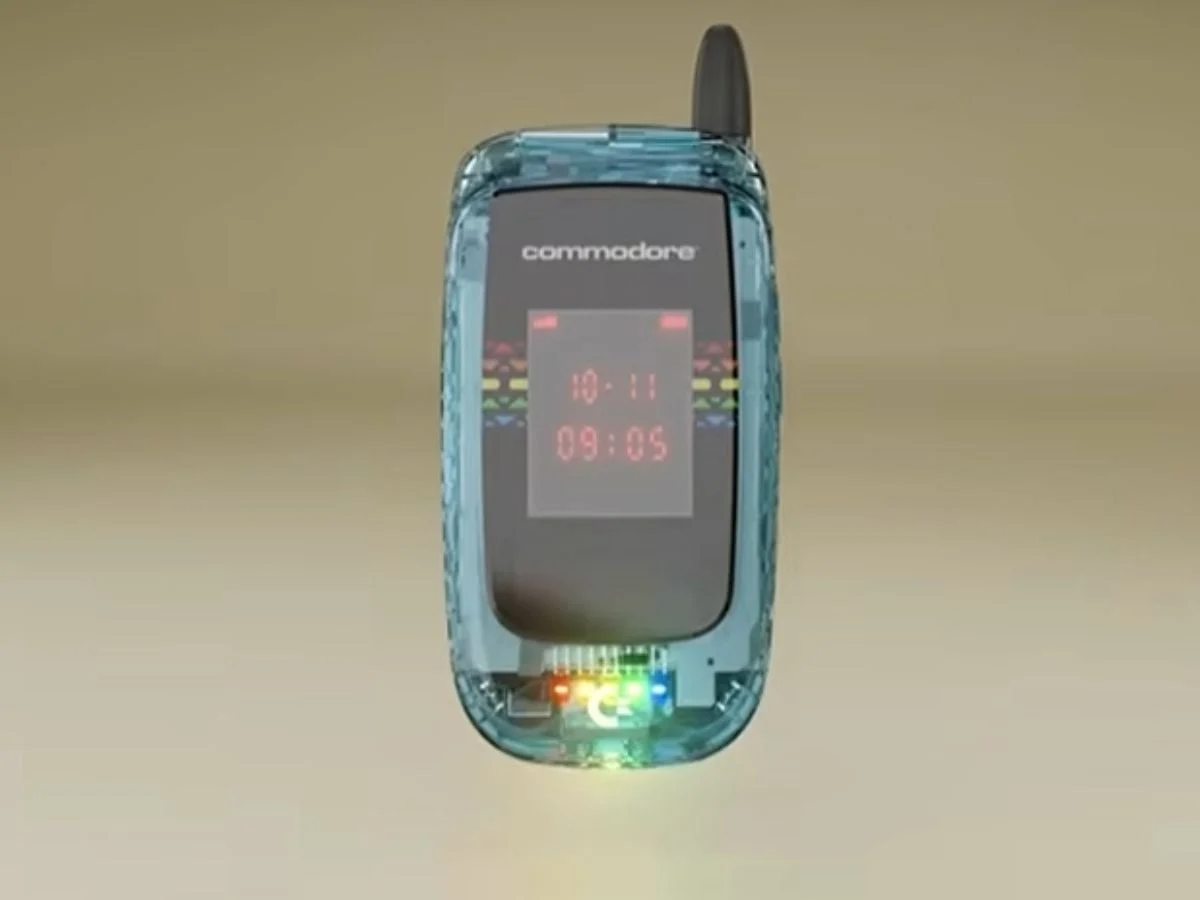
In an era defined by the relentless glow of high-resolution touchscreens and the constant anxiety of “always-on” connectivity, a growing demographic is seeking an exit ramp from the digital treadmill. Whether it is the paralyzing grip of doomscrolling, the encroachment of work emails into personal hours, or the sensory overload of infinite social media feeds, the modern smartphone has become as much a shackle as a tool.
Addressing this modern malaise, the iconic name of Commodore—a brand synonymous with the dawn of the personal computing revolution—has announced a bold, disruptive return to the hardware market. On June 16, the company unveiled the Commodore Callback 8020, a device that self-identifies as the bridge between the simplicity of a “dumb phone” and the utility of a modern smartphone. Its primary mission? To help users reclaim their attention spans.
The Genesis of the Callback 8020
The announcement, which arrived with a nostalgic yet forward-thinking flair, suggests that the Callback 8020 is “built for a world that wants to flip off ‘always on.’” By leveraging the physical form factor of the classic flip phone, Commodore is tapping into the burgeoning “digital detox” movement, providing hardware that intentionally introduces friction to behaviors that have become dangerously habitual.
Unlike the sleek, glass-slab devices currently dominating the market, the Callback 8020 eschews the infinite scroll in favor of a tactile, purposeful experience. The device is not intended to be a replacement for the modern smartphone in its current capacity; rather, it is a curated alternative for those who wish to maintain essential connectivity without the corrosive side effects of the modern attention economy.
Technical Specifications: The Power of Limitation
At the heart of the Callback 8020 lies a sophisticated approach to software restriction. The device runs on a Linux-based Sailfish OS, chosen for its privacy-focused architecture and its potential for deep system-level customization. Commodore has engineered the device to provide a “completely de-Googled” environment, ensuring that users are not subjected to the data-harvesting ecosystems that underpin most modern mobile operating systems.
System-Level Constraints
The most distinctive feature of the 8020 is its uncompromising stance on software access. The operating system features a hard-coded, system-level block on web browsers, social media platforms, and invasive email clients.
In a statement provided to Ars Technica, company representatives clarified the technical strategy: “We have developed technology to prevent these apps—and only these apps—from being sideloaded on the device. Users can sideload nearly anything else they want if it isn’t available on the ‘Commostore,’ but we’ve drawn a firm line in the sand around any apps that drive doomscrolling.”
The T9 Revival
The phone utilizes a traditional T9-style keypad. This deliberate choice serves two purposes: first, it pays homage to the hardware design language of the late 90s and early 2000s; second, it significantly increases the "cost" of sending a message. By removing the instant gratification of predictive, AI-assisted full-QWERTY typing, the device encourages users to be more intentional and concise with their communications.
While social media and browsing are blocked, the device is not entirely disconnected. WhatsApp and SMS are pre-installed, and the phone maintains support for essential communication tools like Signal, Telegram, and WeChat, as well as iMessage. This ensures that the user can remain reachable for professional and personal emergencies without being susceptible to the algorithmic pull of content-heavy platforms.
Chronology: From Concept to Consumer Release
The development of the Callback 8020 has been a calculated, secretive process, reflecting the brand’s desire to re-enter the market with a product that carries weight rather than just hype.
- Early 2024: Commodore initiates the "Project Callback" research phase, surveying consumers on their levels of digital burnout and identifying the specific apps most responsible for "time-sink" behaviors.
- May 2024: The company finalizes the integration of the Sailfish OS, focusing on the "Commostore" vetting process to ensure app compatibility while maintaining the core mission of the device.
- June 16, 2024: Commodore makes the official public announcement, launching the waitlist and revealing the design aesthetic of the hardware.
- Q4 2024 (Projected): The device is scheduled to ship to initial backers and those on the waitlist, with a broader retail rollout planned for early 2025.
Aesthetic and Ergonomics
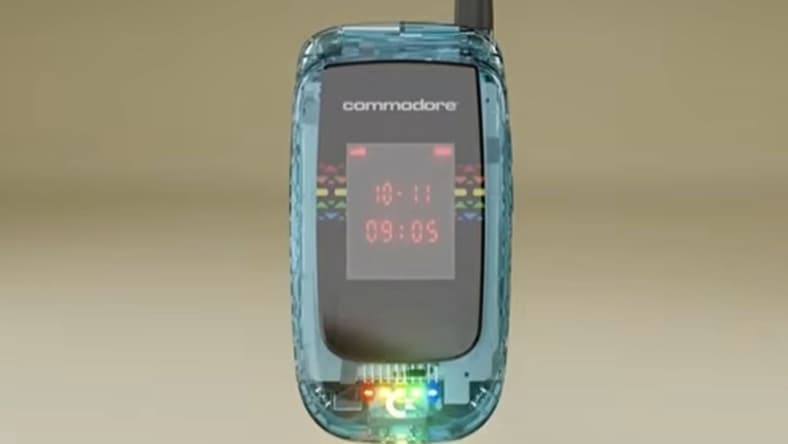
The Callback 8020 is as much a fashion statement as it is a functional tool. Recognizing that users who seek a minimalist lifestyle still value design, Commodore has opted for a diverse range of visual styles:
- The Standard White: A clean, minimalist look with blue highlights, evoking a sense of clarity and simplicity.
- Silver and Beige: A nod to the original Commodore 64 color palette, catering to the nostalgia-heavy market.
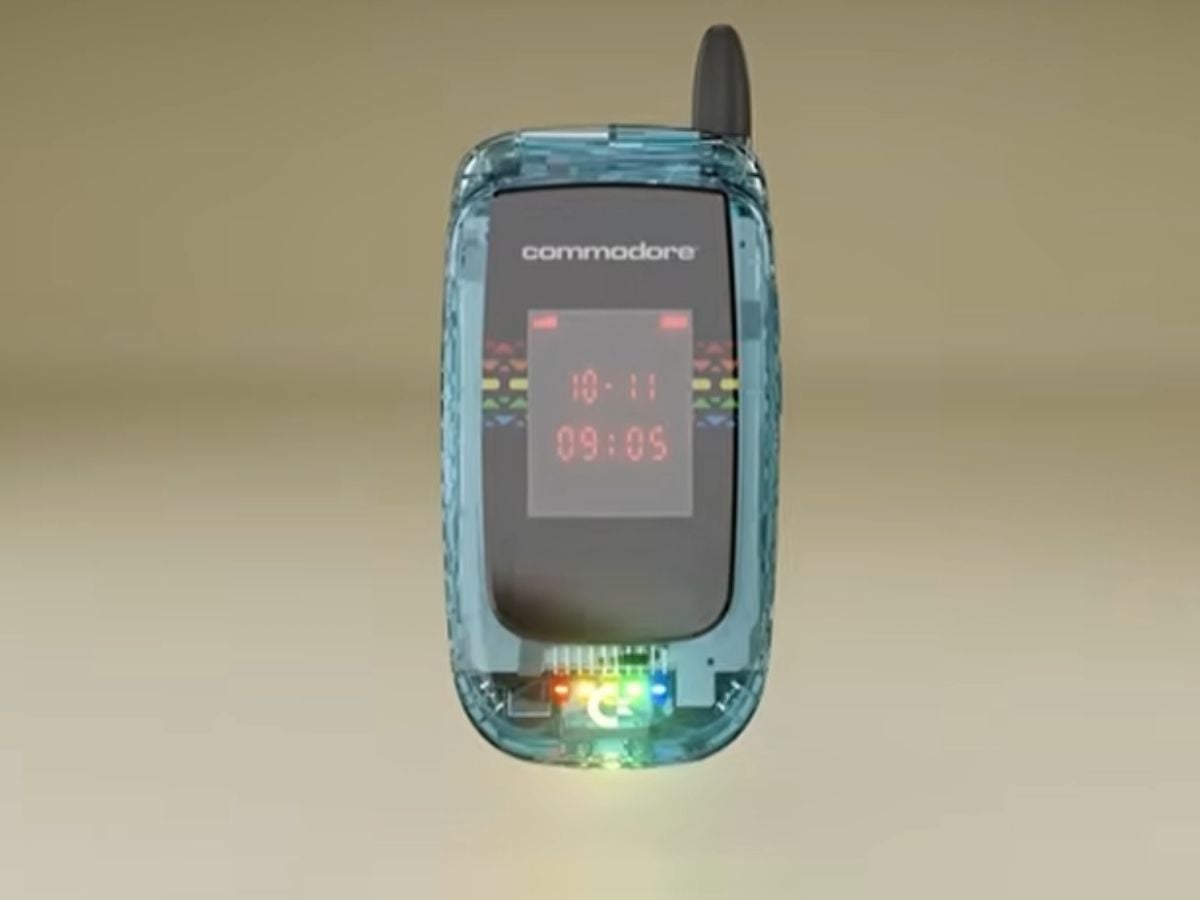
- The Starlight Edition: A translucent ice-blue casing that appeals to the retro-tech enthusiast.
- The Founders Edition: A matte black, "cold" finish that projects a professional, serious, and discreet aesthetic.
Implications: The Rise of "Intentional Tech"
The release of the Callback 8020 arrives at a pivotal moment in the discourse surrounding technology and mental health. As studies continue to correlate high screen time with decreased attention spans and increased anxiety, the market for "dumb phones" has moved from a niche hobbyist category to a legitimate consumer trend.
The Psychology of Friction
By disabling the touchscreen and enforcing hardware-based app restrictions, Commodore is betting that the market is ready for “friction-based design.” In the modern era, software is designed to be frictionless—to make consumption as easy as breathing. The Callback 8020 reverses this trend. It forces the user to choose to interact with their device, turning a passive, subconscious habit into an active, conscious decision.
Privacy and the "De-Googled" Experience
Beyond distraction, the device addresses the growing privacy concerns regarding the telemetry data collected by major mobile OS providers. Because the 8020 operates on a Linux-based foundation without the standard Google Play Services overhead, it offers a level of digital sovereignty rarely seen in the consumer market. For users who are concerned about their personal data profiles being built by Big Tech, this device offers a sanctuary.
Pricing and Market Positioning
At a price point of $549.99, the Callback 8020 is not a budget-tier "burner phone." It is positioned as a premium lifestyle product. Commodore is incentivizing early adoption, offering a $100 discount to those who sign up for the waitlist prior to the full launch.
While some critics might argue that $550 is a high price for a device that "does less," the value proposition is based on the quality of life being purchased. For a professional who loses three hours of productivity a day to social media, the Callback 8020 pays for itself in reclaimed time within its first month of use.
The Future of the Commodore Ecosystem
Commodore has made it clear that they are not acting alone in this endeavor. They have explicitly stated that they will be consulting with the "Callback community" over the coming months to refine the software experience. This democratic approach to product development ensures that the device will continue to evolve in ways that prioritize user safety and mental well-being rather than quarterly advertising revenue.
As the tech industry pivots toward more integrated AI and always-connected wearables, Commodore’s decision to look backward to move forward is a radical act of rebellion. Whether the Callback 8020 succeeds in shifting the cultural tide remains to be seen, but its arrival marks a necessary and long-overdue conversation about what we lose when we gain the world in our pockets.
In a world of infinite scrolling, the ability to flip the phone shut might just be the most advanced feature of all.


 Sagoh
Sagoh
 Ammar Sabilarrohman