Asep Darmawan
Date: June 2, 2026
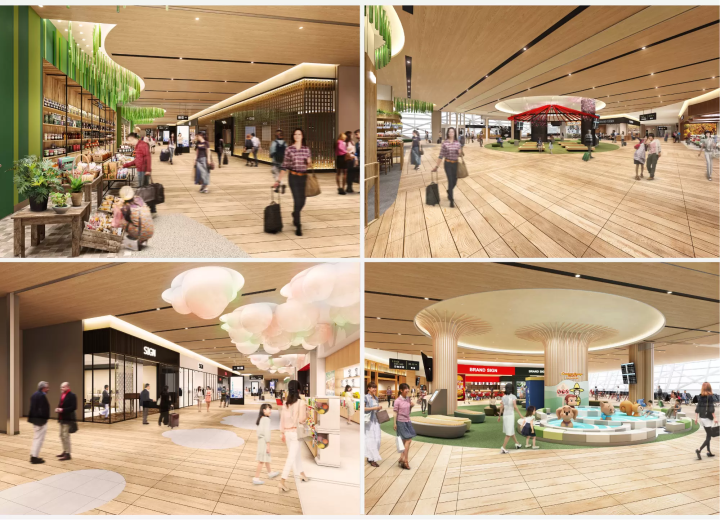
For decades, the international airport terminal has been viewed as a utilitarian necessity—a transient space defined by long queues, security checkpoints, and the frantic race to the boarding gate. However, as of June 2026, Kansai International Airport (KIX) has officially challenged this paradigm. With the finalization of a massive, four-year redevelopment project, Terminal 1 has been reborn not merely as a transit hub, but as a destination in its own right, designed to encapsulate the vibrant cultural tapestry of the Kansai region: Osaka, Kyoto, and Kobe.

A New Philosophy: The Airport as an Experience
The fundamental philosophy driving the renovation of Terminal 1 is simple: "The time before departure should be part of the experience in Japan." In an era where global travel is increasingly competitive, KIX has pivoted away from pure logistical efficiency toward "experiential value."
The transformation replaces the cramped, high-stress departure lobbies of the past with a sprawling, open-concept environment. Travelers are no longer forced to rush; instead, they are invited to linger, dine, and shop. From the final, savory bowl of authentic ramen to an indulgent last-minute luxury shopping spree, the terminal now serves as a curated grand finale to a visitor’s journey through Japan.
The Heart of the Terminal: A Walk-Through Revolution
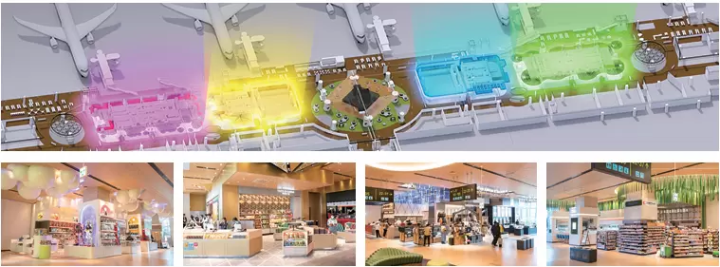
The centerpiece of the renovated facility is Japan’s largest walk-through duty-free area. Designed to flow intuitively with the passenger’s movement, this space is subdivided into six distinct zones, each catering to a different psychological state of the traveler:
- FUN: Dedicated to Japanese pop culture, this vibrant zone features character goods and high-energy anime boutiques.
- PEACEFUL: A serene sanctuary offering Japanese tea ceremonies, matcha-based refreshments, and wellness-focused lifestyle shops.
- ACTIVE: Tailored for the energetic traveler, focusing on travel essentials and performance-driven goods.
- CURIOUS: A space for discovery, housing unique local goods and boutique crafts.
- MAGNET: The culinary heart of the airport, drawing in travelers with the scents of iconic Kansai sweets and regional delicacies.
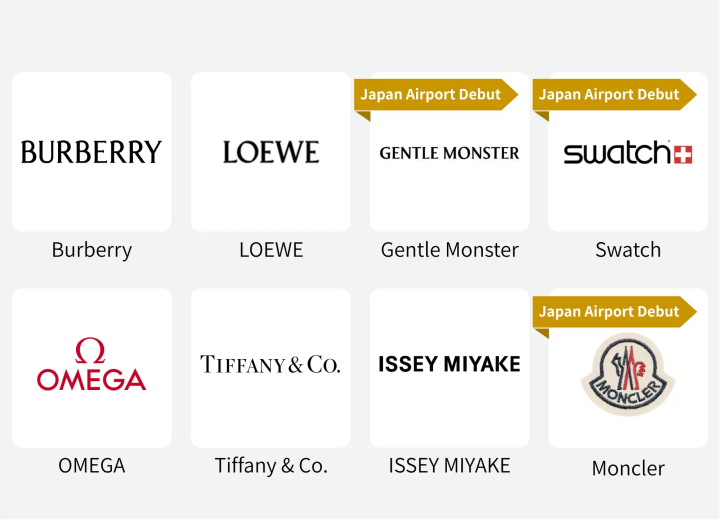
- WALL SIDE: The apex of the terminal’s luxury offerings, featuring high-end international brands and exclusive boutiques making their debut in a Japanese airport setting.
Chronology of Transformation: A Four-Year Journey
The completion of this project is the culmination of a massive architectural and logistical undertaking that began in 2022. The phased approach allowed the airport to maintain operations while systematically rebuilding the passenger experience from the ground up:
- Phase 1 (2022): The project commenced with the total reorganization of the domestic flight area, optimizing space and creating a more logical flow for short-haul passengers.
- Phase 2 (2023): The focus shifted to international traffic, marked by the grand opening of the new international departure area, which set the tone for the aesthetic and commercial upgrades to come.
- Phase 3 (2025): This period saw a significant enhancement of core airport functions. Back-end operations, security protocols, and passenger navigation systems were overhauled to handle increased capacity and ensure seamless movement.
- Phase 4 (2026): The final stage focused on the expansion of commercial retail and dining spaces, culminating in the cohesive, multi-zoned terminal that stands today.
Data and Infrastructure: Designing for Comfort
The renovation was not merely cosmetic. It addressed critical infrastructure needs that have plagued global airports for years: overcrowding and poor flow. By introducing an "open and calming" design language, the architects have successfully mitigated the "hustle and bustle" typically associated with international departures.
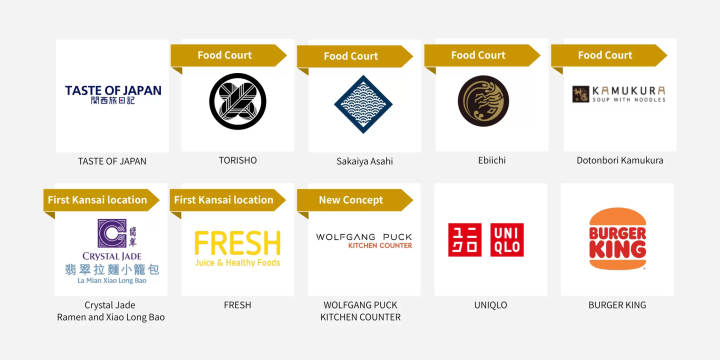
With 27 major retail and dining outlets, the terminal provides a diverse ecosystem of tenants. Whether a traveler is seeking a high-end luxury watch or a last-minute souvenir that reflects the spirit of Osaka, the current infrastructure ensures that retail is accessible without feeling invasive. The shift in passenger flow has resulted in significantly reduced wait times and a measurable increase in passenger satisfaction, as the airport now manages to balance high-volume traffic with a boutique, personalized atmosphere.
Implications for the Aviation Industry
The success of the KIX renovation project holds significant implications for the future of airport management. As legacy airports around the world struggle with aging infrastructure, the KIX model suggests that the solution is not merely building larger terminals, but building smarter ones that focus on the passenger’s emotional and cultural connection to the host city.
By integrating local brands—specifically those from the Kansai region—the airport has effectively extended the tourism window. A tourist who might have spent their final hours in a city hotel can now spend those hours within the terminal, exploring regional food and culture. This keeps revenue within the local ecosystem and provides travelers with a seamless transition from their stay to their flight.
Official Stance and Future Outlook
While officials have maintained a focus on the immediate improvements to traveler comfort, the long-term goal is clear: to secure Kansai International Airport’s position as the primary gateway to Western Japan.
"We wanted to ensure that the memory of Japan didn’t fade the moment someone walked through the security gate," said a representative from the Kansai Airports Group during the unveiling. "By creating spaces that are quiet, engaging, and culturally rich, we have turned a ‘transit point’ into a ‘memory point.’"
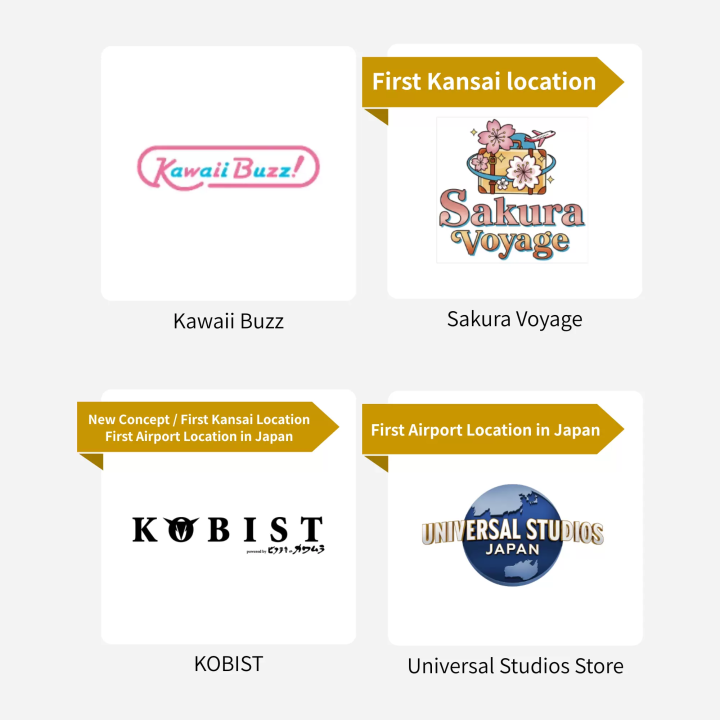
The inclusion of anime-related shops alongside world-class luxury brands reflects a sophisticated understanding of the modern traveler. The airport recognizes that the same passenger who buys luxury goods is often the same traveler interested in the vibrant, colorful pop culture of modern Japan. By placing these side-by-side, KIX has created a microcosm of Japan itself.
Why Travelers Are Choosing to Arrive Early
The ultimate measure of this project’s success is the behavior of the passengers themselves. Anecdotal evidence from the first week of operation shows that travelers are intentionally arriving at the airport earlier than necessary.
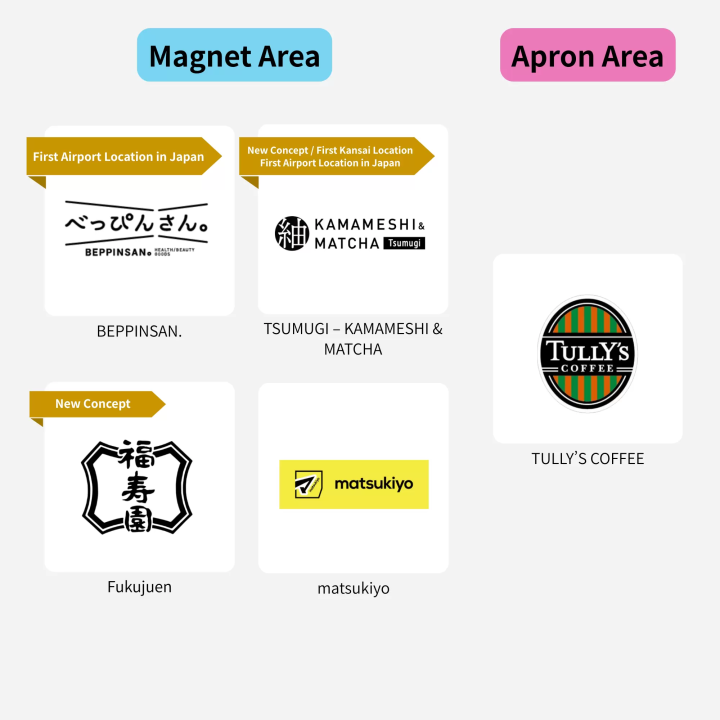
For the international visitor, the terminal offers a final opportunity to immerse oneself in the "Kansai experience." For the domestic traveler, it offers a relaxing space to unwind before a long-haul flight. The new facilities—pharmacies, beauty boutiques, and specialized travel goods stores—ensure that every practical need is met, while the culinary offerings ensure that every palate is satisfied.
Conclusion: A New Standard
The redevelopment of Kansai International Airport’s Terminal 1 is a landmark achievement in modern aviation architecture. It proves that the "airport experience" is not a fixed concept, but an evolving space that can—and should—reflect the identity of its region.

As travelers navigate the new, spacious corridors and explore the six distinct zones of the duty-free area, it becomes clear that the traditional, stressful airport experience is a thing of the past. In its place, KIX has built a space that invites you to linger, explore, and cherish your final moments in Japan. Whether you are hunting for a rare anime collectible or enjoying a quiet bowl of noodles, the airport now offers a perfect, final chapter to your Japanese adventure.


 Neng Nana
 Asro
Asro