

Shibuya, Tokyo’s pulsating heart of neon lights, youth fashion, and relentless urban energy, is perhaps better known for the "Scramble Crossing" than for its environmental activism. Yet, beneath the surface of this bustling tourist hub, a significant transformation is taking place. In a concerted effort to curb the staggering amount of single-use plastic waste generated by the district’s thriving food-and-beverage scene, local stakeholders have launched an ambitious pilot program: Megloo.
This initiative, which introduces a circular economy model for takeout and delivery, marks a pivotal moment for urban sustainability in Japan. By providing multi-use, durable containers to a selection of eateries, the project seeks to prove that convenience does not have to come at the cost of the planet.
The Core Concept: How Megloo Works
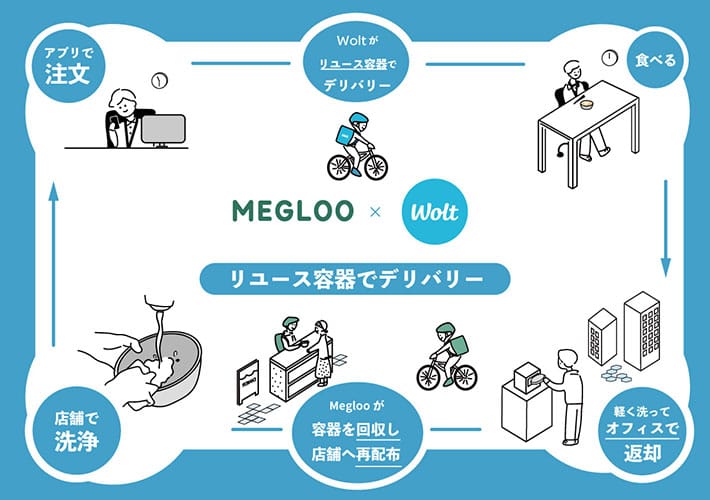
At its heart, Megloo—operated by Kaman Co., Ltd.—is a simple yet revolutionary system designed to eliminate the "takeout-to-trash" pipeline. The operational cycle is engineered for seamless consumer integration:
- Order: Customers place an order at a participating eatery or via the Wolt delivery app.
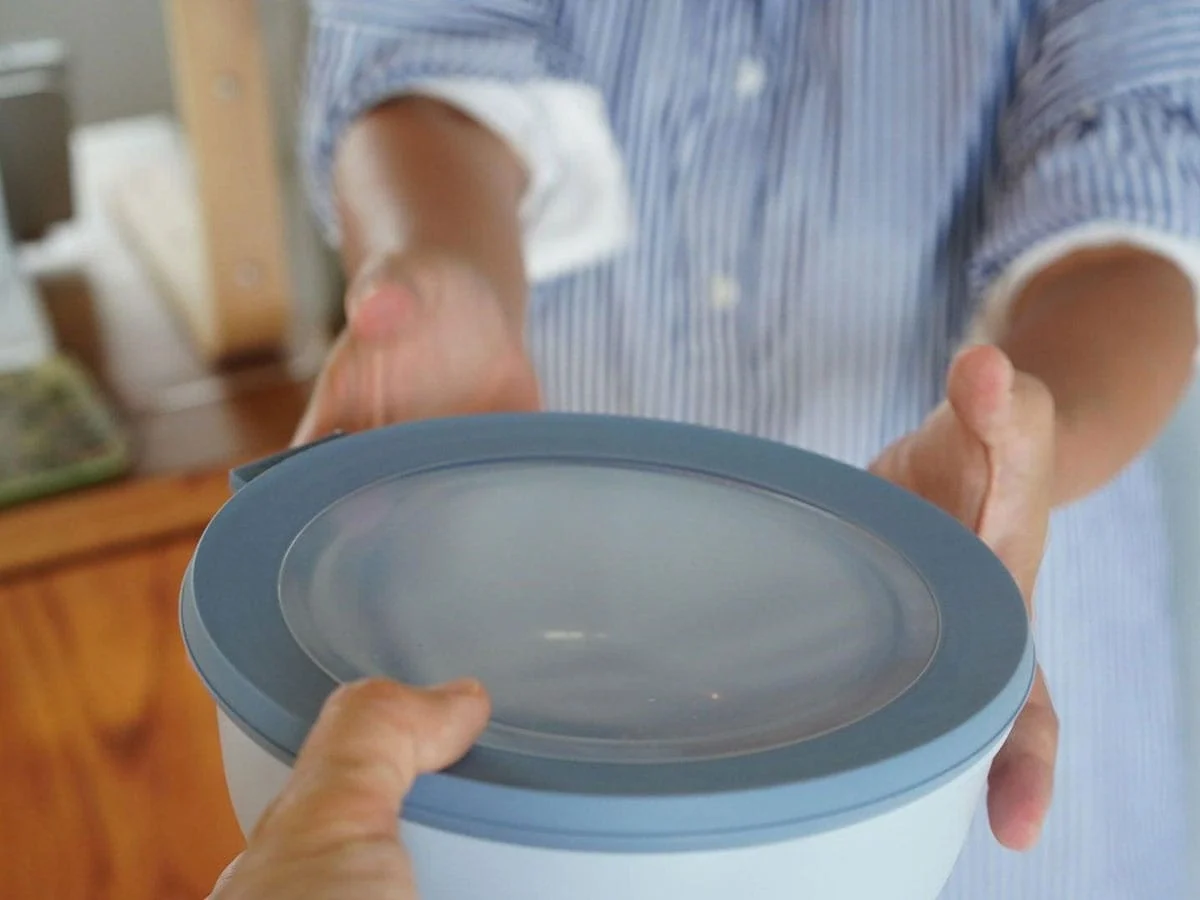
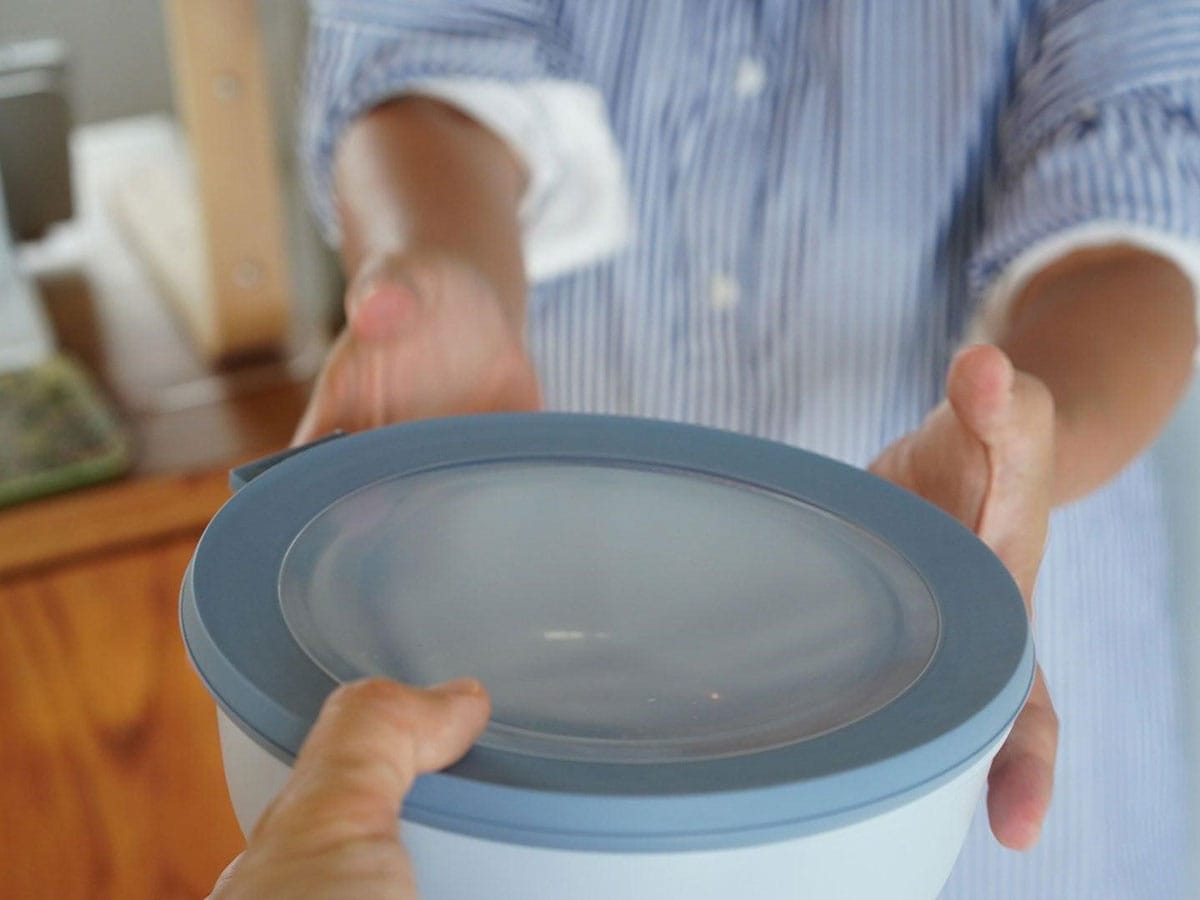
- Receive: The food is served in a sleek, durable, multi-use Megloo container rather than a disposable plastic or paper box.
- Enjoy: Diners consume their meal as they would with any other takeout.
- Rinse & Return: Once finished, the user provides a quick rinse to the container and drops it off at one of the designated "Megloo Return Boxes" located throughout the Shibuya area.
- Re-circulate: Kaman Co. collects the used containers, sanitizes them at a professional-grade facility, and redistributes them to the partner restaurants, closing the loop.
This "circular" approach addresses the two biggest hurdles in sustainable food service: the lack of infrastructure for returnable items and the logistical burden on individual restaurant owners to manage sanitation.
Chronology of the Initiative: January to February 2023
The pilot program was strategically rolled out between January 24th and February 23rd, 2023. This window was chosen to test the system’s resilience during the tail end of the winter season, a time when food delivery services often see increased demand.
- January 24th: The official launch day. Participating restaurants in the vicinity of Shibuya Cast and surrounding neighborhoods began phasing in Megloo containers.
- Early February: Mid-point assessment. Kaman Co. began monitoring return rates, a critical metric for determining the program’s long-term scalability. During this period, the integration with food truck operators at the Shibuya Cast Garden provided essential data on high-volume, quick-turnover environments.
- February 23rd: The conclusion of the official pilot. While the initial trial period ended here, the data gathered served as a foundation for broader discussions regarding permanent adoption across the Shibuya Ward.
Supporting Data and Stakeholder Collaboration
The success of the Megloo project relies heavily on a tri-partite partnership between Kaman Co., Ltd., Workstore Tokyo Do, and Wolt Japan. By leveraging the delivery expertise of Wolt, the project was able to extend its reach far beyond walk-in foot traffic.
Participating Establishments
The program encompasses a diverse range of culinary styles, from modern Okinawan fusion to traditional ramen, ensuring that the trial tested the durability and heat-retention qualities of the containers against various food types:
Takeout Focus (Shibuya Station Area & Beyond):
- Contrail Shibuya: A key player in the Shibuya Cast district.
- Marked Shibuya: Known for artisanal, health-conscious offerings.
- Hanazen: Representative of the local food truck scene at Shibuya Cast Garden.
- Marusei (Harajuku/Omotesando): Targeting the trend-conscious demographic in nearby fashion districts.
- Alishan Park Cafe (Yoyogi): Emphasizing organic and sustainable dining practices.
Wolt Delivery Partners:
- ABURA NOODLE TOKYO RAIJIN: Challenging the limits of delivery packaging for high-temperature noodle dishes.
- Torisoba Juban 156 (Hiroo): Providing data on the premium delivery segment.
- Itadaki Malatang (Shibuya): Testing the spill-proof integrity of containers for liquid-heavy soups.
- Mijuri: A testament to the diversity of the program.
- Spicy Tacorice Cafeteria "S" (Omotesando): Offering a high-volume, popular dish for mass consumption.
- WithGreen (Ebisu): Focusing on the salad and health-food market.
Official Perspectives: The Vision for a Greener Shibuya
Kaman Co., Ltd. has been transparent about its long-term objectives. The company does not view this merely as a month-long experiment, but as a proof-of-concept for an urban infrastructure overhaul.
"The goal is to normalize the act of returning a container," says a representative from the project team. "By placing return boxes in high-traffic areas, we hope to lower the barrier to entry for the average consumer. If we can make the return process as easy as throwing away a plastic bottle, we have succeeded."
The collaboration with Shibuya Ward officials also underscores the municipal government’s interest in waste reduction. As Tokyo faces increasing pressure to meet global carbon neutrality goals by 2050, initiatives like Megloo provide a tangible template for other wards in the city to follow.
Environmental and Economic Implications
The implications of this pilot extend far beyond the borders of Shibuya.
Waste Mitigation
Japan is one of the world’s leading consumers of single-use plastics per capita. Every takeout container replaced by a Megloo unit represents a direct reduction in landfill waste and microplastic potential. If expanded to a city-wide scale, the potential for waste reduction is in the millions of units annually.
Consumer Behavior Shifts
The trial serves as a behavioral study. Can the convenience-obsessed urban population be nudged toward more sustainable habits? Early anecdotal evidence from the trial suggests that when provided with a "frictionless" return process, consumers are surprisingly willing to participate.
Business Sustainability
For the participating restaurants, the cost of single-use plastics has been steadily rising due to supply chain issues and inflationary pressures. A long-term, subscription-based reusable container system could potentially offer a more stable cost structure for small-to-medium-sized eateries.
Navigating the Future
As the trial period concluded, the focus shifted to data analysis. Kaman Co. has been evaluating key performance indicators (KPIs) such as:
- Return Rate: How many containers actually make it back to the system versus those that are kept by the customer or discarded?
- Sanitation Efficacy: Ensuring that the reuse cycle meets strict Japanese health and safety standards.
- Consumer Sentiment: Understanding the feedback from users regarding the weight, feel, and convenience of the containers.
While the pilot was temporary, the infrastructure remains a potential blueprint. The "Megloo cycle" is not just a technology; it is a cultural intervention. For residents, tourists, and business owners in Shibuya, the future of dining may well be shifting toward a circular model where every meal is part of a larger, cleaner story.
Traveler’s Note: If you are visiting Tokyo, look for the distinctive Megloo return boxes. Participating in these programs is one of the most effective ways for tourists to minimize their environmental footprint while experiencing the authentic culinary scene of Japan’s most dynamic district. Always check the official Megloo Twitter account for the most current updates on participating locations, as the list of partners continues to evolve in the post-trial phase.
By integrating these sustainable choices into your travel itinerary, you aren’t just visiting Shibuya—you are actively participating in its evolution into a greener, more resilient global city.












No comments yet. Be the first to join the conversation!