

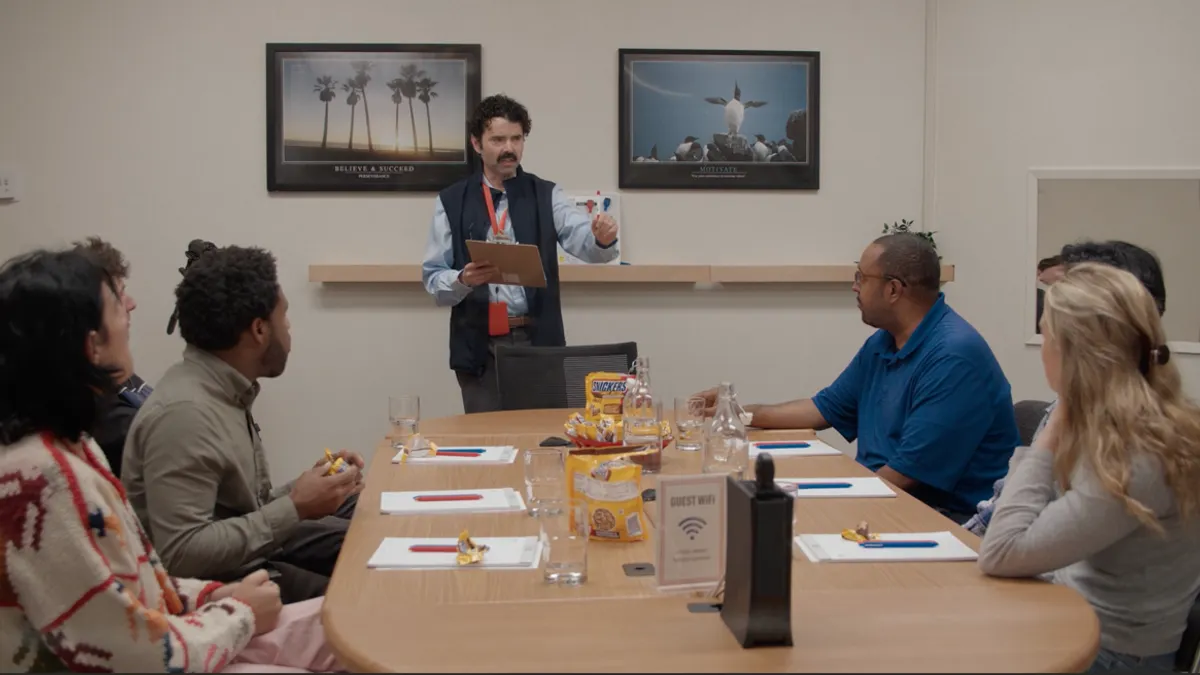
In a bold move that signals a intensifying "peanut butter war" within the confectionery aisle, Mars-owned Snickers has launched a playful, targeted campaign designed to challenge the long-standing dominance of Hershey’s Reese’s. Directed by the eccentric and widely recognized comedian Eric André, the new advertising effort utilizes a mix of absurdist humor, viral-ready social experiments, and direct consumer engagement to position Snickers’ peanut butter lineup—which includes chocolate squares, bite-sized morsels, and ice cream bars—as the superior choice for consumers who value texture and quality.
The Core Campaign: A "Reese" by Any Other Name
The centerpiece of the campaign is a candid, fly-on-the-wall style commercial that features a focus group composed entirely of individuals named "Reese" (or phonetic variations like Rhys and Reece). The premise is simple yet effective: the participants are filmed as they sample Snickers’ new peanut butter products, offering genuine praise for the flavor profile and the satisfying "crunch-meets-cream" texture.
The humor reaches its peak when the participants realize they all share the same name—a direct nod to the competitor. To heighten the comedic stakes, one participant named "Greg" is abruptly removed from the group, serving as a humorous outlier. A witty, tongue-in-cheek caption clarifies that "Greg is a paid actor," a meta-commentary on the legal requirements often associated with commercial disclosures. This campaign, spearheaded by Snickers’ creative agency of record, BBDO New York, is designed to be highly shareable, leveraging the "name-game" concept to create instant brand recognition while simultaneously poking fun at the most iconic name in the peanut butter category.
Chronology: From Survival Tropes to Direct Competition
Snickers’ current marketing evolution is part of a broader, long-term strategic pivot. To understand the trajectory of this campaign, one must look back at the brand’s recent milestones:
- April 2026: Snickers debuted "Stuck," an ad spot that utilized its long-standing "You’re Not You When You’re Hungry" platform. The commercial, which drew stylistic inspiration from the survival film 127 Hours, depicted two climbers trapped in a canyon, finding solace and energy in Snickers Peanut Butter bars.
- Late May 2026: Teasers for the "Reese" campaign began appearing on social media, utilizing a mix of influencers and targeted digital ads to build anticipation for the focus group reveal.
- June 2, 2026: The official launch of the "Reese" focus group spot. Simultaneously, Snickers launched the "Peanut Butter Pledge" on its official website, gamifying the experience for anyone named Reese.
- Immediate Future: Snickers plans to continue its "Peanut Butter Pledge" drive, where 100 participants with the name Reese will receive special rewards, and 25 randomly selected winners will be gifted a year’s supply of the product.
Supporting Data: Why Texture is the New Battlefield
Snickers’ focus on texture is not merely a marketing whim; it is rooted in consumer research. Citing data from Puratos, a global leader in bakery and chocolate ingredients, Snickers highlights that 71% of consumers consider texture a "deal-breaker" in their snacking experiences.
By emphasizing the combination of real creamy peanut butter and crunchy, roasted peanuts, Snickers is attempting to address a specific consumer pain point: the uniformity of mass-produced peanut butter cups. While the industry has historically focused on sweetness levels or brand nostalgia, Snickers is betting that the modern consumer prioritizes "mouthfeel" and ingredient transparency. By positioning their peanut butter square as a "textured" experience rather than a "monolithic" one, they are attempting to lure the sophisticated palate away from the standard peanut butter cup format.
Market Implications: The Shadow of Controversy
The timing of this campaign is particularly strategic given the current climate surrounding the Hershey-owned Reese’s brand. Earlier this year, the grandson of the original inventor of the Reese’s Peanut Butter Cup went public with harsh criticism of Hershey, alleging that the company had compromised the quality of the product through the use of cheaper, lower-quality ingredients.
The public outcry was significant enough that Hershey was forced to acknowledge the criticism, promising a return to their "classic formula" beginning in 2027. By launching a campaign that specifically targets people named "Reese" during this period of brand vulnerability, Snickers is effectively capitalizing on a moment where the incumbent’s reputation is under fire. Whether or not the campaign converts long-term loyalists remains to be seen, but the strategy highlights a common tactic in competitive marketing: strike when the opponent is managing a brand identity crisis.

Official Responses and Strategic Positioning
While Hershey has remained largely silent regarding the specific provocations of the Snickers campaign, industry analysts suggest that Snickers is playing a high-stakes game.
"Snickers is moving away from the purely functional ‘hunger’ narrative and into a more aggressive, comparative marketing space," says a marketing analyst familiar with the FMCG (Fast-Moving Consumer Goods) sector. "By centering the campaign on the competitor’s name, they are essentially forcing consumers to make a binary choice. It’s an aggressive play, but one that is well-calculated to win over younger, digitally savvy consumers who enjoy the ‘shade’ being thrown in these advertisements."
Mars, the parent company of Snickers, has emphasized that the campaign is intended to be "fun, lighthearted, and inclusive of all Reeses." However, the subtext is clear: Snickers wants to be the primary choice for peanut butter lovers, and they are willing to dismantle the status quo of the category to get there.
Long-term Outlook
The success of this campaign will likely be measured not just in initial sales of the peanut butter squares, but in the brand’s ability to maintain "share of voice" in the digital space. By integrating an online pledge, the brand is successfully harvesting first-party data—a critical asset in an era where third-party cookies are disappearing.

As we look toward the remainder of 2026, the battle for the peanut butter consumer will likely intensify. With Hershey preparing to revert to its classic recipe, the market will soon become a three-way tug-of-war between the legacy of the original, the aggressive innovation of Snickers, and the evolving expectations of the modern consumer.
Snickers’ move to utilize a director like Eric André suggests they are leaning heavily into "weird" and "disruptive" advertising to break through the clutter of the modern media landscape. If this campaign succeeds in driving significant market share away from the traditional peanut butter cup, we can expect to see an influx of similarly combative and personality-driven campaigns across the snack aisle. For now, the "Reese" focus group stands as a masterclass in aggressive, humor-based brand positioning—a bold attempt to turn a name into a category and a category into a victory.












No comments yet. Be the first to join the conversation!