Laily UPN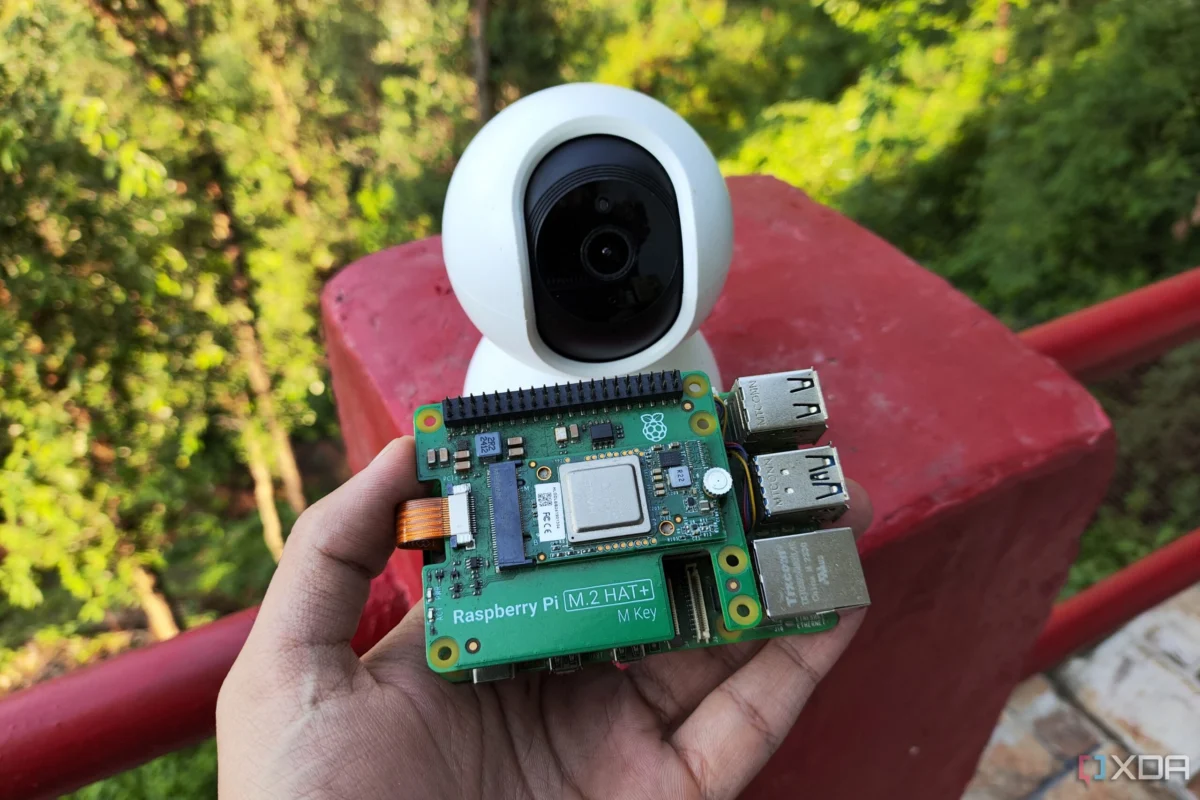
In an era defined by the "smartification" of the modern home, consumers are increasingly caught between the convenience of plug-and-play devices and the creeping reality of privacy erosion. For many, the tipping point has arrived. As major manufacturers like Belkin move to discontinue support for legacy hardware—effectively "bricking" functional devices—and privacy scandals continue to plague industry giants like Amazon’s Ring, a growing movement of home lab enthusiasts is reclaiming sovereignty over their domestic data.
The transition from proprietary, cloud-dependent ecosystems to self-hosted, local-only infrastructure is no longer just a niche hobby for IT professionals. It has become a strategic necessity for those who value privacy, longevity, and control.
The Chronology of Consumer Discontent: A Pattern of Abandonment
The current skepticism toward proprietary smart home devices is not a sudden phenomenon; it is the result of years of consumer friction.
2019–2021: The Rise of Subscription-Locked Hardware
The early promise of smart homes—a collection of devices that simply worked together—began to sour as companies moved toward "Software as a Service" (SaaS) models. Features that were once standard were locked behind paywalls, and hardware longevity became tied to the profitability of the manufacturer’s cloud division.
2023: The FTC Intervention
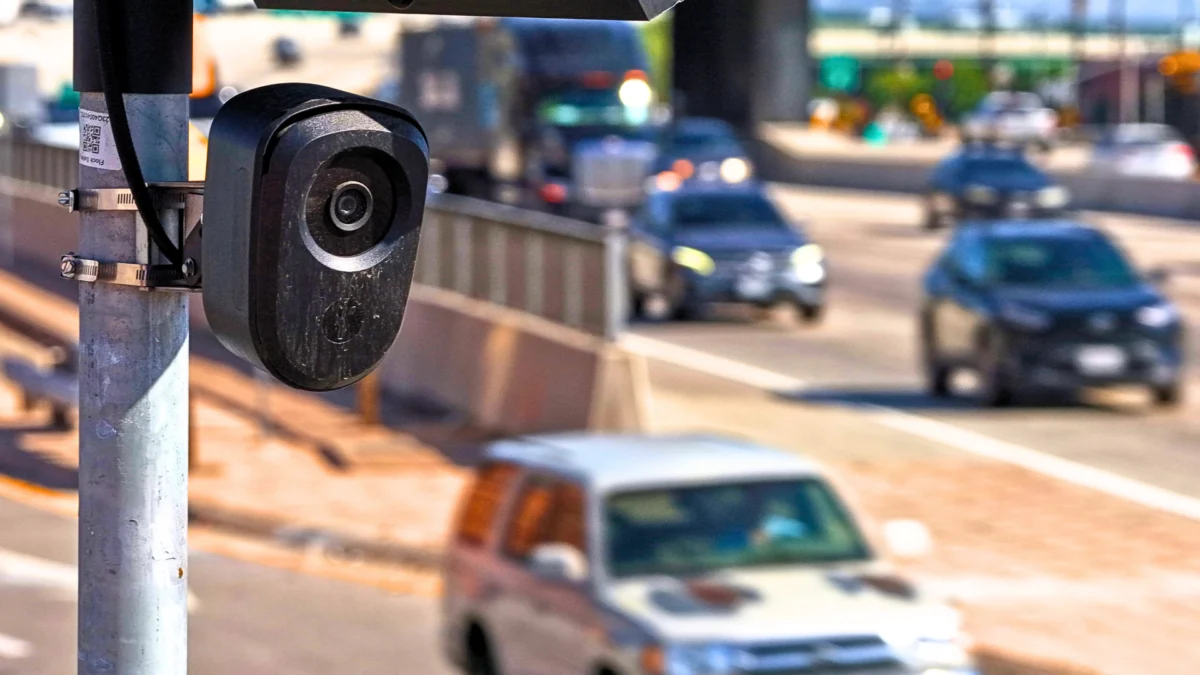
A pivotal moment in the public’s perception of home security occurred in May 2023, when the Federal Trade Commission (FTC) took decisive action against Ring. The agency charged the company with severe privacy failures, alleging that it allowed employees and third-party contractors to access customers’ private video feeds. The fallout revealed a disturbing reality: the "security" devices meant to protect the home were, in fact, potential vectors for invasive surveillance.
2024–2026: The "Bricking" Era
Most recently, manufacturers like Belkin have drawn ire for the discontinuation of product lines like the Wemo series. By sunsetting cloud support, companies effectively rendered functional hardware useless. For the average consumer, this meant throwing away perfectly good plastic and circuitry. For the enthusiast, it served as a final wake-up call to move away from cloud-dependent dependencies.

Supporting Data: The Privacy-Security Tradeoff
The fundamental flaw in modern smart home design is the reliance on external servers. When a device requires a constant handshake with a manufacturer’s cloud to function, the user is no longer the owner; they are a tenant.
The Security Vulnerability Matrix
Security researchers have long pointed to three critical weaknesses in mass-market smart devices:
- Outdated Firmware: Many budget-tier smart cameras never receive security patches after their initial release.
- Hard-Coded Credentials: Historically, manufacturers have shipped devices with default passwords that are easily exploited by botnets.
- Lack of Encryption: Without robust end-to-end encryption, video feeds traveling from a camera to a manufacturer’s cloud—and eventually to a mobile app—are vulnerable to interception.
By moving to a self-hosted model, users effectively eliminate the "middleman." In a local network setup, video traffic never leaves the house unless the user explicitly configures an external VPN or secure tunnel. This approach mitigates the risk of corporate data breaches, as there is no central database of user footage for hackers or employees to target.
Official Responses and Corporate Strategy
When faced with allegations of privacy overreach, major manufacturers often point to their Terms of Service and data encryption protocols. Following the 2023 FTC ruling, Amazon implemented stricter internal access controls for Ring employees and increased the granularity of user privacy settings.
However, critics argue that these measures are reactive, not proactive. The industry’s standard response to concerns—that cloud connectivity is required for features like AI-powered motion detection or remote notifications—is increasingly being debunked by the DIY community. As open-source software matures, the "need" for corporate servers to perform basic computational tasks is disappearing.
The Technical Solution: Building a Local Fortress
The core of this privacy-first revolution lies in the synergy between dedicated Network Video Recorders (NVRs) and powerful, low-cost hardware.
The Power of Frigate NVR
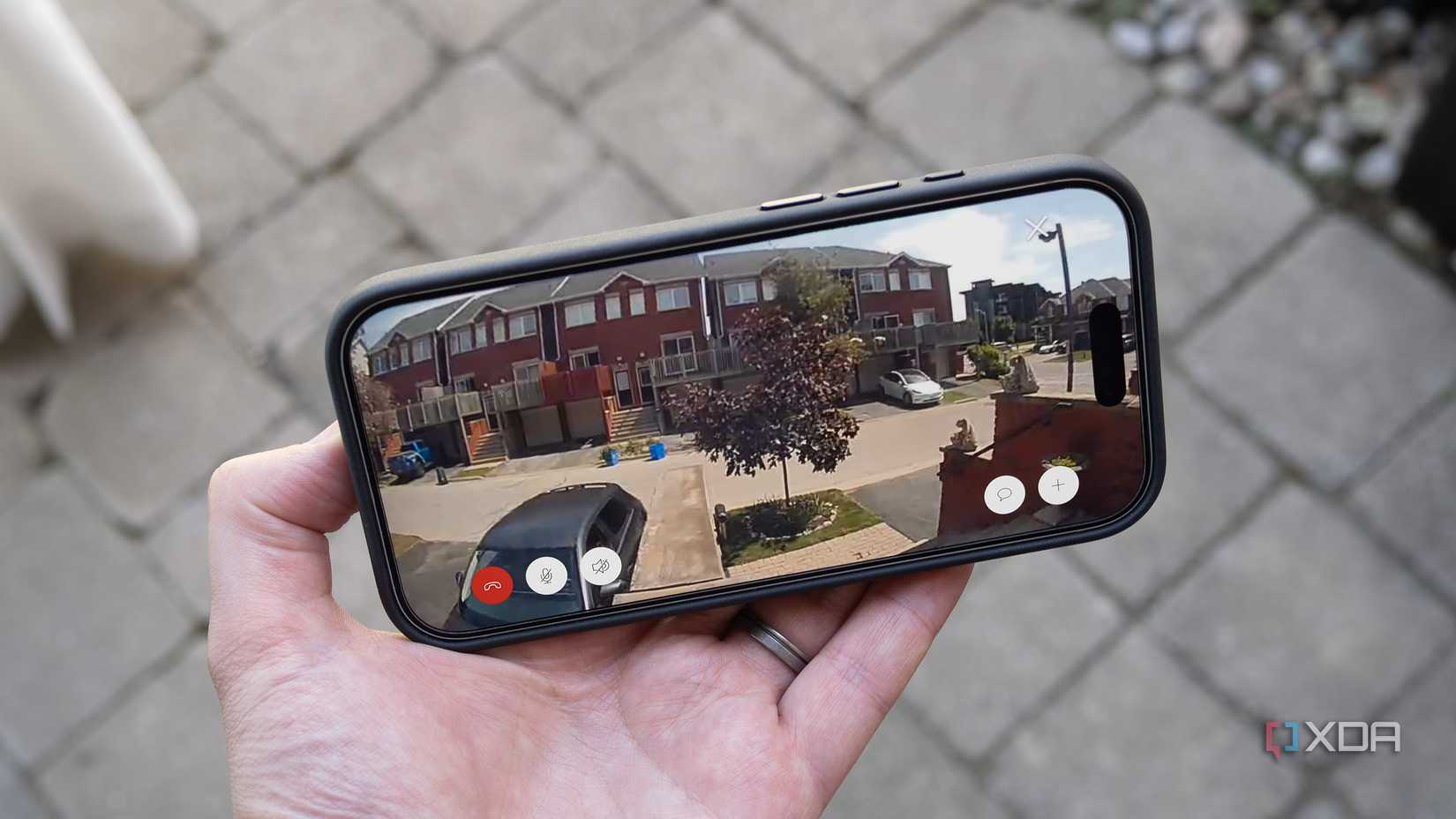
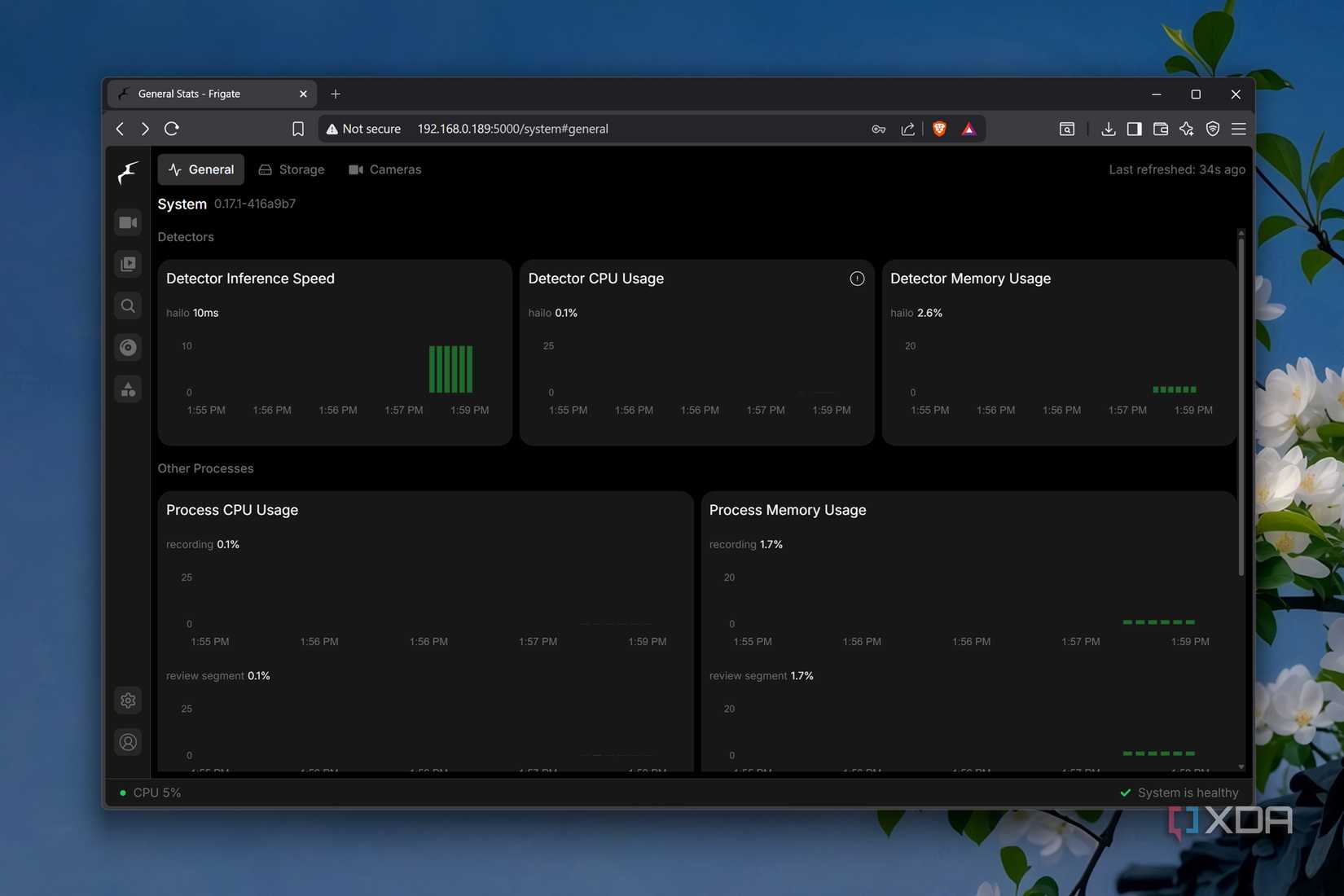
At the center of this movement is Frigate, an open-source NVR designed specifically for local object detection. Unlike standard cameras that record 24/7, regardless of whether a scene is static, Frigate uses real-time computer vision to categorize movement. It can distinguish between a stray cat, a delivery person, or a vehicle, allowing for precise, intelligent notifications without uploading a single byte to the cloud.
Hardware Versatility: From Raspberry Pi to Edge Computing
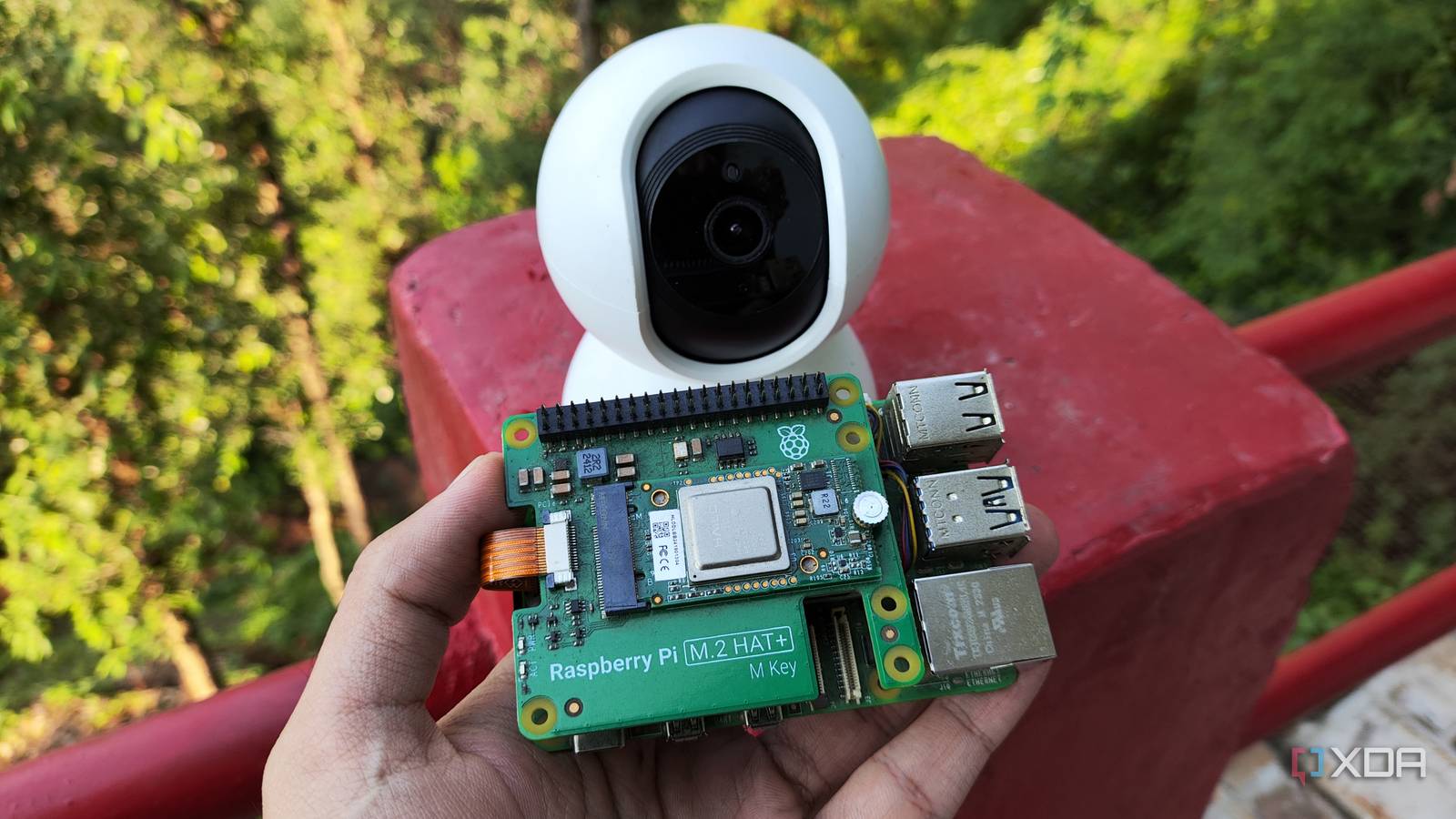
The myth that high-performance AI requires expensive enterprise servers has been dismantled by the Raspberry Pi ecosystem. Modern boards, such as the Raspberry Pi 5, are capable of handling multiple RTSP (Real-Time Streaming Protocol) feeds simultaneously.
The integration of AI Accelerators—such as the Hailo-8L—has changed the game. These compact modules offload the heavy lifting of machine learning from the CPU, allowing for high-accuracy object detection on hardware that consumes less power than a standard LED lightbulb.
Implications for the Future of Smart Homes
The shift toward self-hosted systems has profound implications for the industry.
- Increased Longevity: Devices that operate on local protocols (like RTSP or Matter) are immune to "server shutdowns." If a company goes out of business, the camera still functions within the user’s local network.
- Data Sovereignty: By keeping surveillance data on an internal hard drive or local server, users regain control over who sees their most intimate moments. The risk of subpoenaed data or leaked footage is drastically reduced.
- The Rise of the "Home Lab" Economy: We are witnessing the birth of a new market segment—"prosumer" hardware. Companies are increasingly recognizing that enthusiasts want open APIs and RTSP support. Brands that pivot to support local-first configurations will likely capture the segment of the market currently fleeing the walled gardens of major tech giants.
Conclusion: A New Standard of Digital Independence
The transition from a "connected" home to a "controlled" home is a journey toward digital maturity. While the convenience of a simple, app-based security camera is undeniable for the average consumer, the hidden costs—in privacy, security, and long-term hardware reliability—are becoming too high to ignore.
By leveraging tools like Frigate, Home Assistant, and low-power hardware like the Raspberry Pi, users are proving that high-end surveillance and home automation do not require an invasive cloud partner. The future of the smart home is not in the cloud; it is in the server rack, the single-board computer, and the hands of the individual. As this community continues to grow, it puts pressure on the broader industry to either adopt more transparent, privacy-respecting standards or risk becoming obsolete in the face of a more capable, self-reliant consumer base.
For those willing to invest the time, the reward is a system that works for them, on their terms, and—most importantly—only for their eyes. In a world where data is the new currency, owning your infrastructure is the ultimate form of security.

 Rifan Muazin