Neng Nana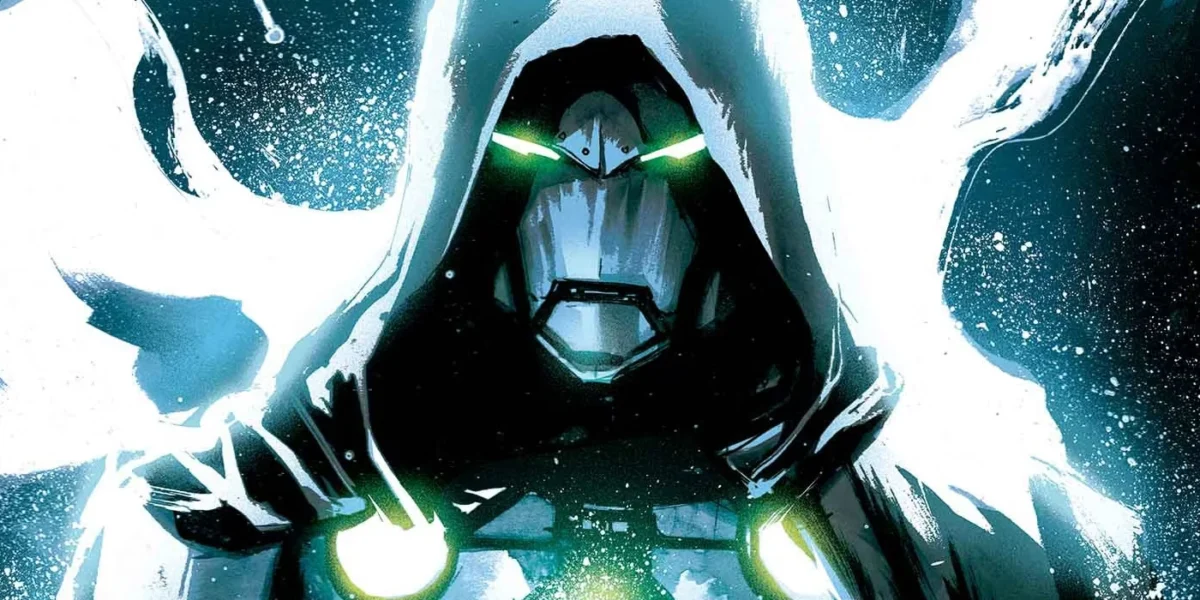
By Editorial Staff
June 2, 2026
Doctor Doom is widely considered the pinnacle of villainy in comic book history—a character whose influence permeates not just Marvel lore, but the landscape of modern fiction. Yet, for all his literary gravitas, his cinematic history is a graveyard of wasted potential. From the petulant, corporate-driven interpretation in the 2000s Fantastic Four to the moody, tech-focused reimagining in 2015, Victor Von Doom has been consistently stripped of the operatic majesty that makes him a titan.
As the Marvel Cinematic Universe (MCU) prepares for its next massive crossover event, Avengers: Doomsday, the stakes could not be higher. With the return of the Russo Brothers to the director’s chair and the controversial casting of Robert Downey Jr. as the iconic antagonist, the fandom is caught between cautious optimism and deep-seated anxiety. Recent comments from the directors suggest that the MCU may once again be prioritizing "originality" over the essential, over-the-top essence of the character, leaving many to wonder: can Doom finally be done right, or are we destined for another misfire?
The Legacy of Victor Von Doom: A Chronology of Cinematic Failure
To understand the apprehension surrounding Avengers: Doomsday, one must first examine the failed attempts to translate the ruler of Latveria to the silver screen.
- 1994: The Corman Anomaly: While never officially released, the Roger Corman-produced Fantastic Four film is frequently cited by purists as the only iteration to capture the character’s inherent grandiosity. It leaned into the melodrama, recognizing that Doom is a villain who demands an audience.
- 2005-2007: The CEO Era: The Tim Story Fantastic Four films reduced Doom to a disgruntled business mogul. By turning his tragic disfigurement into a workplace accident, the films hollowed out the character’s complex psychological trauma, rendering him a one-dimensional antagonist.
- 2015: The Modern Misstep: Josh Trank’s Fantastic Four reboot attempted a "gritty" approach, framing Doom as a social outcast with god-like powers. The result was a muted, unmemorable performance that lacked the regal arrogance defining the comic book character.
For over two decades, studios have treated Doom as a puzzle to be "solved" rather than a persona to be adapted. The MCU’s promise of a definitive version initially offered hope, but the recent trajectory of the franchise suggests that Marvel may be repeating the mistakes of the past by attempting to modernize a character who thrives on being timelessly archaic.
The Russo Brothers’ Vision: A Balancing Act of New and Old
At a recent appearance at SXSW London, Joe and Anthony Russo addressed the immense pressure of bringing Doctor Doom into the MCU. Joe Russo attempted to quell fan fears, stating that their version of Doom strikes "that sweet spot between being very specific and unique to the original story that happens within this film but also delivering on what the most awesome things are about Doom in the comics."
However, the second half of his statement—the emphasis on "original storytelling"—is exactly what has triggered alarm bells. "We always look at it as our job to not tell you a story that you’ve heard before; we’re never translating directly from the comics," Joe Russo explained. He promised that the film will blend what they love about the source material with "what is original to our storytelling, what is brand new."
While innovation is a hallmark of the MCU’s success, "originality" has often served as a euphemism for stripping away the eccentricities that make comic book characters feel larger than life. Doctor Doom is not a character who benefits from being "grounded." He is a man who speaks in the third person, who views himself as a god among mortals, and who possesses a moral code that is as terrifying as it is honorable.
Supporting Data: The Complexity of the Latverian Dictator
What the films have consistently missed is the inherent contradiction of Victor Von Doom. As established in Stan Lee and Jack Kirby’s Fantastic Four #5 (1962), Doom is a polymath—a master of dark, ancient arts and a genius-level scientist. He is not merely a "bad guy"; he is a sovereign, a man who truly believes that the world would be better if it were under his absolute, enlightened rule.
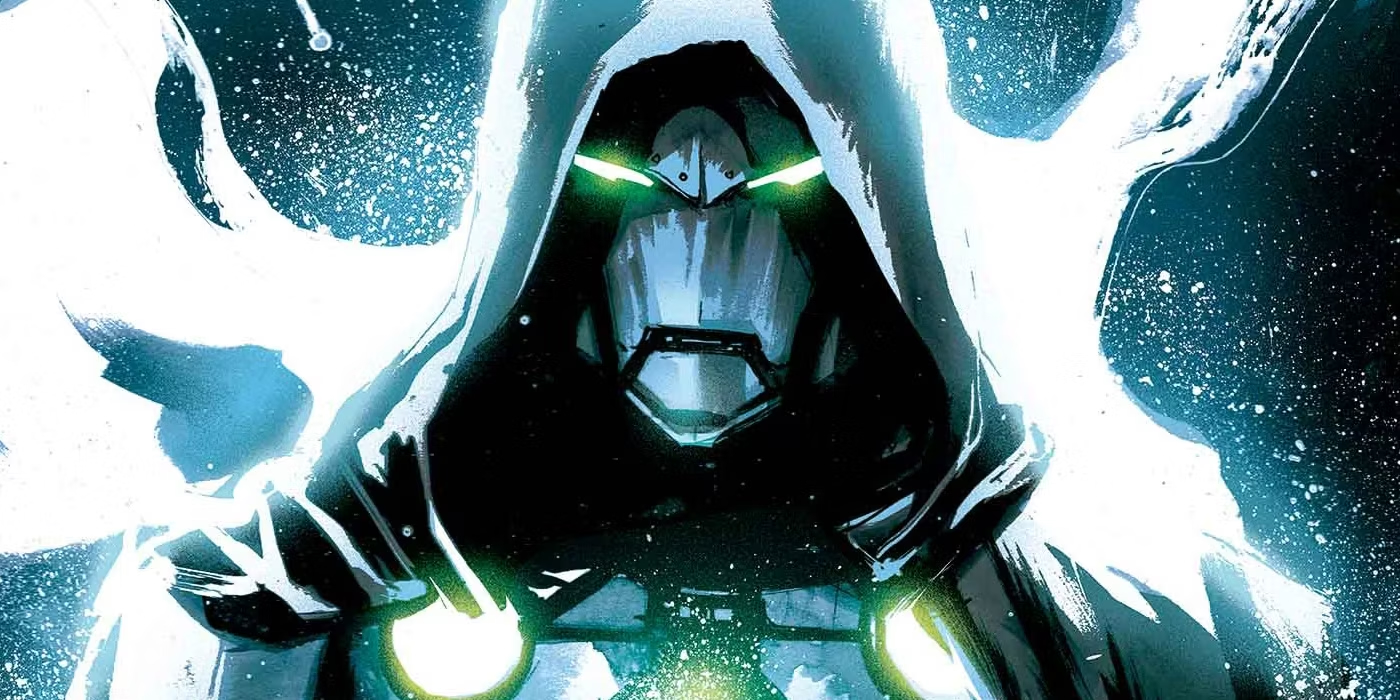
Key pillars of his characterization include:
- The Reed Richards Obsession: His rivalry with Reed Richards is the foundational trauma of his life. Without this dynamic, Doom is just another generic megalomaniac.
- The Noble Tyrant: Doom cares for his people in Latveria. He is a dictator, yes, but he is their protector. This complexity provides the nuance required to make him a compelling lead antagonist.
- The Mask: The metal mask is not just a costume piece; it is the physical manifestation of his refusal to show vulnerability.
When these elements are ignored—as they were in the 2005 and 2015 films—Doom loses his soul. The Russo Brothers’ insistence on "brand new" storytelling creates a fear that the MCU will trade these specific character beats for a more palatable, "Iron Man-adjacent" narrative, especially given the casting of Robert Downey Jr.
Implications: The Robert Downey Jr. Variable
The most significant—and polarizing—implication of the upcoming film is the casting of Robert Downey Jr. Following his tenure as Tony Stark, placing him in the armor of Victor Von Doom is a gamble of unprecedented proportions.
While RDJ is a formidable actor, the optics are problematic for those who want a faithful adaptation. In the comics, the relationship between Doom and the Fantastic Four is central to his identity. Currently, in the MCU, there has been little to no setup for this rivalry. With the Fantastic Four operating in a separate, albeit expanding, space, the Avengers: Doomsday narrative risks being untethered from the very source material that gave the character his weight.
Without a history with the Richards family, the audience is left wondering: what drives this version of Doom? If his primary conflict is with the Avengers rather than the Fantastic Four, he loses the deep-seated personal stakes that make his hatred for Reed Richards so legendary.
Conclusion: The Final Verdict on Doom
The visual aesthetic of the new Doom—featuring the classic armored silhouette and the iconic green tunic—is a promising sign that the production team understands the visual language of the character. However, aesthetics are only skin deep.
If the Russo Brothers want to avoid the "whiny and lame" tropes of previous iterations, they must lean into the operatic. We need to hear the third-person address. We need the grandiloquent speeches regarding the burdens of godhood. We need to see a villain who is so arrogant that he would, without a second thought, send his enemies back in time to combat 18th-century pirates, simply because it amuses him to do so.
If Avengers: Doomsday attempts to sanitize Doom or force him into a mold that fits a "traditional" cinematic villain arc, it will likely be remembered as the third major instance of a franchise failing to grasp the nuance of a comic book icon. Marvel has one chance to get this right. As the December 18, 2026 release date approaches, fans remain hopeful, yet prepared for the possibility that the greatest villain in fiction may remain trapped in a cycle of cinematic mediocrity. The world is watching, and for Victor Von Doom, there is no room for failure.

 Ali Ikhwan
 Sagoh
Sagoh