Lina Hope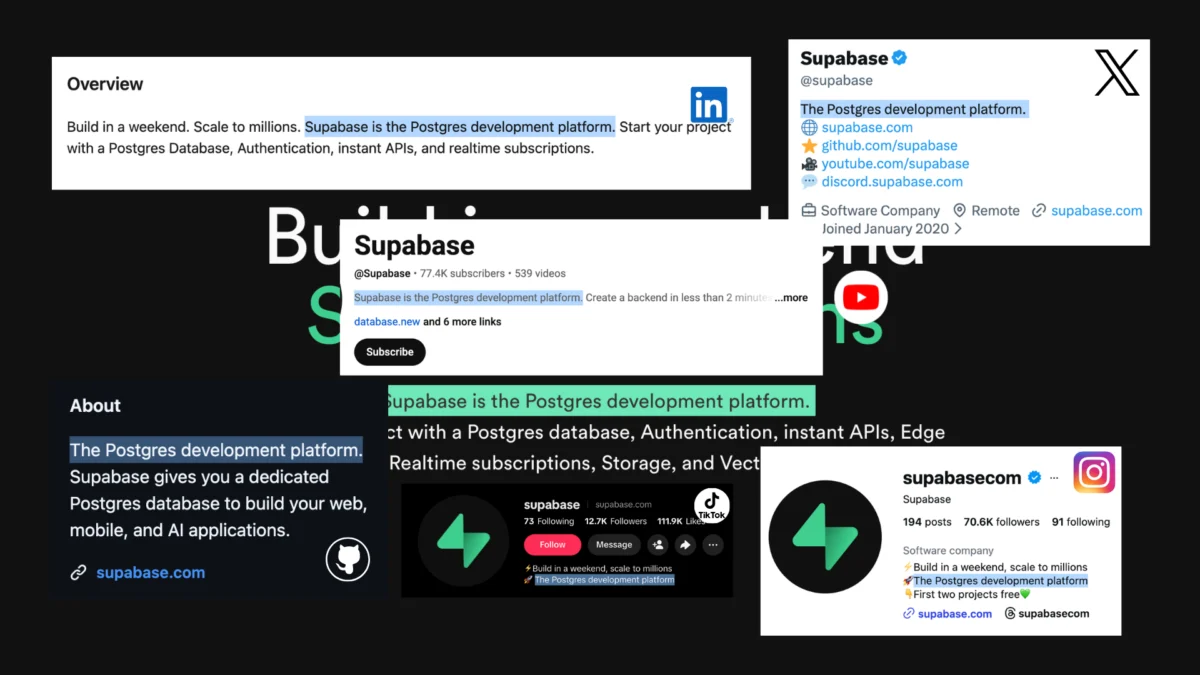
For two decades, the startup gospel according to Y Combinator has been defined by a four-word imperative: "Make something people want." It is a mantra that prioritized product-market fit above all else, predicated on the assumption that if you build a superior solution, the users will eventually find you through the traditional corridors of search engines, social media algorithms, and organic word-of-mouth.
For years, this model was bulletproof. It relied on a fundamental truth: the end consumer of your digital real estate was a human being with a browser, a credit card, and a sense of intent. However, the architecture of the internet is currently undergoing its most significant structural pivot since the introduction of the smartphone. The era of the "human-mediated" web is being superseded by an era of "agentic" distribution.
Today, the most important visitors to your website may not be people at all, but AI agents—autonomous software entities tasked with researching, comparing, and transacting on behalf of their human operators. This is not a speculative future; it is a current, systemic transition that the world’s leading infrastructure providers are aggressively building for.
The Chronology of the Agentic Infrastructure Bet
In the last six months, a quiet consensus has emerged among the titans of the digital economy. Without a formal alliance, six industry leaders—Cloudflare, Shopify, Stripe, Supabase, Netlify, and Google—have independently pivoted their infrastructure to accommodate non-human traffic. This synchronization across disparate sectors serves as the ultimate "canary in the coal mine." When the companies that power the web’s backbone stop building for humans-in-browsers and start building for machine-to-machine protocols, the channel is no longer optional—it is the new standard.
Q1-Q2 2026: The Infrastructure Pivot
The shift became undeniable in April 2026, when Cloudflare dedicated an entire "Launch Week" exclusively to agent-centric infrastructure. They moved beyond standard feature sets to introduce foundational standards: Web Bot Auth (via GoDaddy) for agent identity, Markdown for Agents for improved content parsing, and WebMCP (Model Context Protocol) to allow agents to call functions directly within a browser environment.
Simultaneously, the commerce layer began to solidify. Google, in a move to dominate the agentic shopping experience, expanded its Universal Commerce Protocol (UCP) at I/O 2026. By integrating with the FIDO Alliance and introducing the Agent Payments Protocol, Google effectively bridged the gap between a chat-based request and a finalized transaction for 60 major organizations.
The Rise of Agent-Specific Entry Points
By mid-2026, the strategy shifted from "making sites readable" to "building specific doors for agents." Netlify’s launch of netlify.ai stands as the definitive example. Rather than forcing agents to navigate a UI designed for human developers, Netlify created a dedicated, machine-first surface where AI agents can deploy websites and manage projects through native skills.
Stripe followed suit by shipping "Projects," a platform designed to let AI agents autonomously create accounts, manage subscriptions, and deploy infrastructure via Stripe’s payment rails. The result is a web where the "buying layer" is now programmatically accessible to code, not just cursors.
Supporting Data: Why the "Machine-Readable" Web Matters
The success of these initiatives relies on a simple premise: AI agents are inefficient at navigating the "Human Web." Modern websites, heavy with complex JavaScript rendering and obfuscated UI components, are often invisible to AI.
The Visibility Gap
If your website relies on client-side JavaScript to render core product information, the majority of AI agents will see nothing but a blank page. The data is clear:

- Semantic Structure as the New SEO: Server-rendered HTML is no longer just a "best practice" for search engines; it is the fundamental requirement for agentic discovery.
- Structured Data: The use of schema markup to explicitly define entities, pricing, and relationships has transitioned from a search-ranking tactic to a vital communication protocol between your backend and an AI agent’s reasoning engine.
The Supabase Case Study
The most compelling evidence of this shift is the rise of Supabase. While the company markets itself as a "Postgres development platform," its branding has unintentionally become the perfect "machine-readable" identity. Because the tagline is descriptive and technical, it is instantly indexable and understandable for coding agents. Consequently, Supabase has become the default database for agent-built applications. It wasn’t necessarily a top-down marketing strategy; it was an alignment between product identity and the way AI processes information.
Official Responses and Strategic Implications
Industry leaders have been vocal about the necessity of this shift. When interviewed regarding the launch of agent-ready portals, executives emphasize that the goal is not to replace human engagement, but to acknowledge that the path to that engagement has fundamentally changed.
"If agents are going to deploy websites on your platform, you must give them a front door built for them," noted a spokesperson from Netlify. This sentiment is echoed across the industry: the "human" experience is the end-goal, but the "agent" experience is the primary distribution mechanism.
The Competitive Moat
The competitive landscape is currently defined by who is "agent-ready" and who is not. Shopify’s decision to enable Agent Toolkit access by default for all merchants is a masterclass in platform leverage. By lowering the friction for agents to interact with store inventory, Shopify is effectively ensuring that any AI-driven shopping assistant will prioritize their merchants over those whose systems are "closed" to machine intervention.
The New Reality: "Make Something Agents Want"
The Y Combinator motto remains relevant, but its interpretation must expand. If you build a product that people want, but you fail to make it discoverable and actionable for the agents those people use, you have effectively crippled your own distribution.
1. The Death of the "Human-Only" Interface
We are entering a phase where a website that works for humans but fails for agents is a product with a broken distribution channel. Developers must now treat their robots.txt files, sitemaps, and API endpoints as high-priority marketing assets.
2. Protocol Over Presence
The future of the web will be dominated by those who adopt the protocol layer. Whether it is UCP, MCP, or future iterations of agentic standards, the companies that provide an "agent-callable" version of their service will be the ones that capture the traffic of the future.
3. The Window of Opportunity
The most critical takeaway for startups and enterprises alike is that the window is still open. Most of the web remains siloed behind human-only interfaces. The companies that move now to standardize their content, automate their transaction flows via agent-ready APIs, and clarify their machine-readable identities will be the ones that define the next decade of digital commerce.
In the AI era, the most effective marketing isn’t just about SEO or social presence; it’s about infrastructure. If you want to be found in the coming decade, you must stop building solely for the screen, and start building for the agent. The agents are here, they are capable of buying, and they are currently looking for the websites that make it easy for them to act.


 Nana Wu
 Neng Nana