

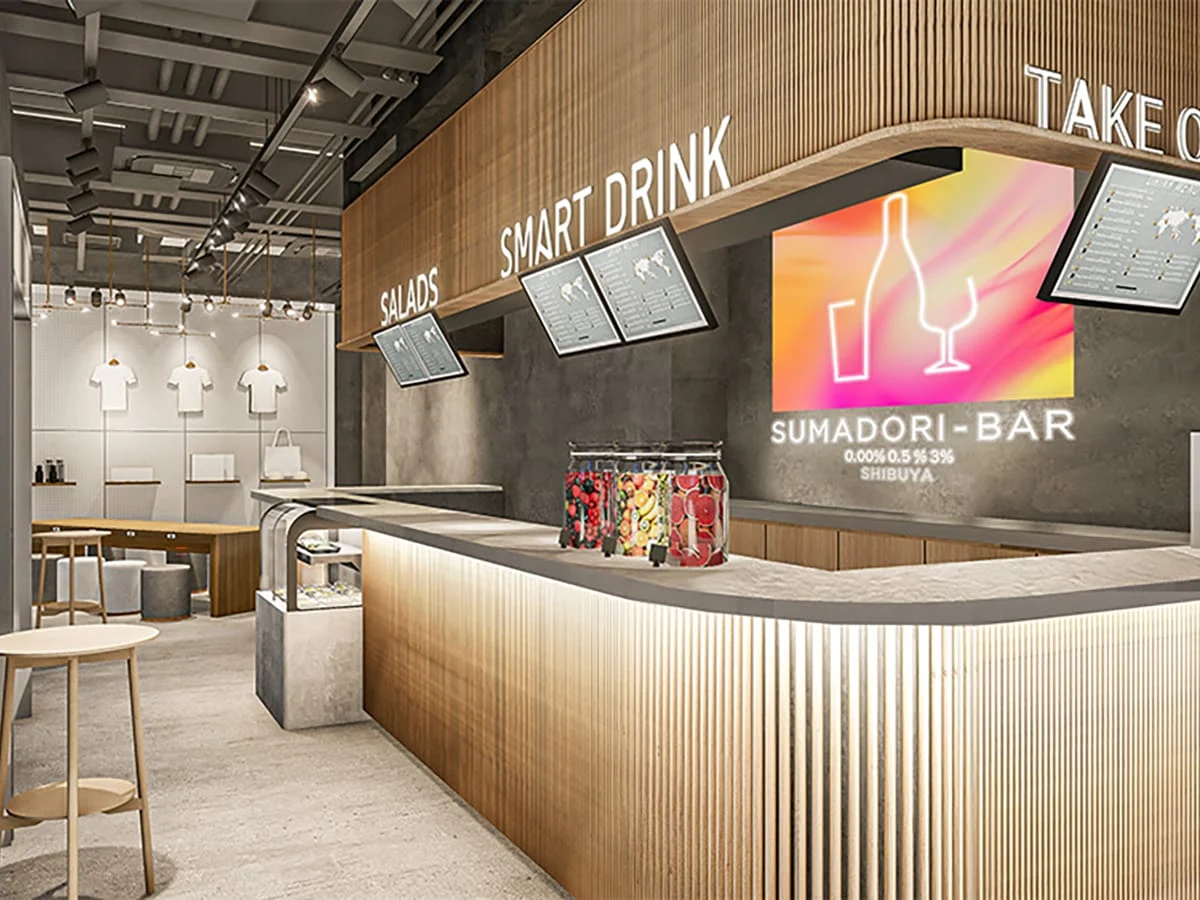
Shibuya, the neon-drenched epicenter of Tokyo’s nightlife, is world-renowned for its chaotic energy and its endless supply of izakayas, bars, and watering holes. For decades, the district has been synonymous with late-night revelry and the social lubrication of alcohol. However, a seismic shift is occurring in the Japanese drinking culture. As global trends toward wellness and mindful consumption take root, a new player has emerged in the heart of Center-Gai: the SUMADORI-BAR SHIBUYA.
Launched in June 2022 as a joint venture between beverage giant Asahi Breweries, Ltd. and digital powerhouse Dentsu Digital Inc., the bar represents a radical departure from the traditional boozy atmosphere. By curating a menu focused exclusively on 0%, 0.5%, and 3.0% alcohol content beverages, the establishment is redefining what it means to go out for a drink in one of the world’s most vibrant cities.
The Philosophy of "Sumadori": A Cultural Pivot
To understand the significance of this establishment, one must first understand the term "Sumadori." The word is a clever portmanteau of the Japanese-ized English sumāto (smart) and dorinku (drink). In the context of the bar, "smart" does not merely imply health-conscious decision-making; it encompasses a broader philosophy of social inclusivity.
The "Sumadori" concept posits that the social barrier created by alcohol—where non-drinkers are often sidelined or pressured to participate—can be dismantled. By offering a high-end, aesthetic experience that caters to varying tolerances, the brand hopes to allow people of all lifestyles to mingle in the same space. Whether one is abstaining for health reasons, pregnancy, religious beliefs, or simply because they have an early start the next day, the bar provides a "third space" where the focus remains on the experience of drinking rather than the intoxication.
Chronology: The Evolution of Low-Alcohol Consumption
The opening of SUMADORI-BAR SHIBUYA did not occur in a vacuum. It is the culmination of several years of shifting market dynamics in Japan.
- 2019–2020: The Pre-Pandemic Shift: Even before the global health crisis, Japanese consumers—particularly the younger "Gen Z" demographic—began showing signs of a "sober-curious" movement. Market surveys noted a decline in traditional binge drinking among college-aged individuals.
- 2021: The Emergence of the "Beery" Trend: Asahi Breweries introduced its "Beery" line, a 0.5% alcohol beer-taste beverage. This was a significant marker that major Japanese breweries were no longer treating non-alcoholic options as an afterthought, but as a core pillar of their business strategy.
- June 2022: The Launch of SUMADORI-BAR: The brick-and-mortar flagship store opened in Shibuya, serving as a physical laboratory for the "Sumadori" brand. It moved the conversation from supermarket aisles to a high-fashion, social setting.
- 2023–Present: Expansion and Normalization: Following the success of the Shibuya location, the model has begun influencing how other bars and restaurants across Japan curate their menus, prioritizing "mocktail" sections that rival the complexity of traditional cocktail menus.
Supporting Data: Why the Shift is Sustainable
The move toward low-alcohol beverages is supported by compelling demographic and economic data. According to industry analysis, the "sober-curious" segment is no longer a niche market.
1. The Health-Conscious Consumer
Japan’s aging population, coupled with an increasingly health-focused younger generation, has created a massive demand for beverages that offer flavor complexity without the physiological tax of ethanol. Low-alcohol and non-alcoholic drinks allow for a "longer" social experience without the subsequent fatigue or negative health impacts associated with standard spirits.
2. The Inclusivity Factor
In a traditional Japanese corporate culture where drinking nomikai (drinking parties) were once mandatory for team bonding, the shift toward non-alcoholic options is a structural change. It creates a more inclusive environment where non-drinkers are not penalized for their choices, potentially improving workplace dynamics and social harmony.
3. Market Growth
The global non-alcoholic beverage market is projected to grow at a steady CAGR (Compound Annual Growth Rate) of over 7% through 2030. Asahi and Dentsu’s investment in a dedicated bar space suggests they are positioning themselves to capture the "early adopters" of this transition, betting that the trend will eventually become the status quo.
The Beverage Experience: Innovation in a Glass
What sets the SUMADORI-BAR apart is the sheer variety of its offerings. With over 100 drinks spanning 0%, 0.5%, and 3.0% ABV, the menu is designed to be a culinary exploration rather than a list of compromises.
Signature Offerings
- Beery (0.5%): A flagship product that captures the authentic bitterness and mouthfeel of beer without the alcohol content, bridging the gap for craft beer enthusiasts.
- Bispa (Low-alcohol): A sparkling drink designed for those who want a refreshing, light effervescence.
- VIVA (3.0%): A hard seltzer that offers a "light buzz" without the heavy impact of standard 5–9% canned chu-hi (shochu highballs) common in Japan.
- The "Marbling Rain": Perhaps the most iconic drink on the menu, this creation utilizes craft lemonade and gin. Its "wow" factor comes from a puff of colored cotton candy that dissolves when Wilkinson soda is poured over it, creating a cascading marbled effect. It is a visual masterpiece that emphasizes the artistic, experiential nature of the bar.
Official Responses and Strategic Vision
The collaboration between Asahi and Dentsu is a classic example of "Big Business" pivoting to meet modern social needs. An official spokesperson for the SUMADORI project noted during the launch: "We want to create a world where people can enjoy social drinking in their own way. Whether you drink alcohol or not, the joy of a shared space should be universal."
By utilizing Dentsu’s data-driven insights into consumer behavior and Asahi’s manufacturing prowess, the venture serves as a testing ground. The bar collects feedback on which flavor profiles resonate with customers, essentially crowdsourcing the future of their non-alcoholic product lines.
Implications: A New Era for Japanese Nightlife
The existence of SUMADORI-BAR SHIBUYA has profound implications for the future of urban social architecture in Japan.
A. Redefining "Drinking"
The most significant implication is the decoupling of "socializing" from "intoxication." For generations, the bar has been a place to lose one’s inhibitions. The "Sumadori" movement suggests that the bar can instead be a place to gain sensory enjoyment and conversation, without the need for a lowered social filter.
B. Urban Nightlife Diversification
As these bars become more common, cities like Tokyo may see a shift in the way nightlife districts are utilized. It opens the door for daytime and early-evening social activities that don’t revolve around high-proof alcohol, potentially making Shibuya a more accessible destination for a broader range of demographics, including families and health-conscious professionals.
C. The Economic Ripple Effect
If the SUMADORI-BAR model proves consistently successful, we can expect to see competitors—both domestic and international—entering the space. This will likely lead to a "golden age" of mixology for non-alcoholic drinks, as bartenders push the boundaries of what can be achieved with botanical distillates, high-quality teas, and craft syrups.
Conclusion
SUMADORI-BAR SHIBUYA is more than a bar; it is a cultural statement. By validating the choice to drink less—or not at all—in a city that celebrates excess, the establishment is providing a blueprint for the future of social interaction. It acknowledges that the modern consumer is multifaceted: they want the social ritual of the drink, the complexity of the craft, and the clarity of mind that comes with sobriety.
As the lines between "alcoholic" and "non-alcoholic" continue to blur, the "Sumadori" philosophy stands as a testament to the idea that the smartest way to drink is to do it on your own terms. Whether you find yourself in the heart of Shibuya looking for a refreshing mocktail or an innovative low-alcohol blend, the future of the Tokyo bar scene is clearly shifting—one marbled, alcohol-conscious glass at a time.











No comments yet. Be the first to join the conversation!