

Main Facts: The OCAT Advantage
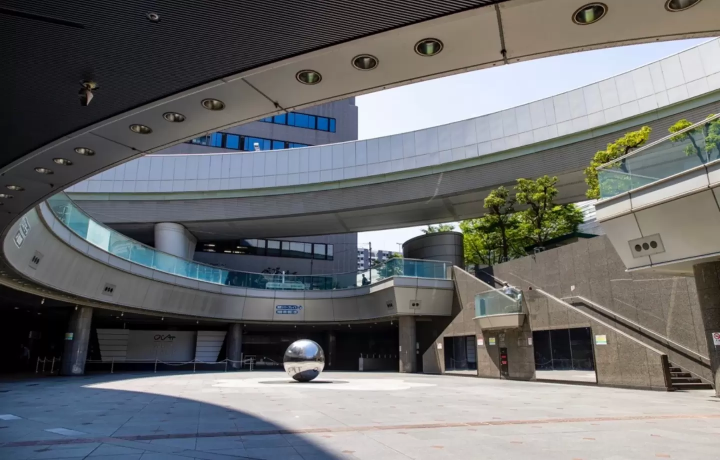
The Osaka City Air Terminal (OCAT) stands as a cornerstone of transit infrastructure in the Kansai region. As the largest bus terminal in Western Japan, it serves as the primary gateway for millions of travelers arriving via long-distance express buses and airport limousine services. Strategically located in the Minatomachi district of Naniwa-ku, OCAT is not merely a transport hub; it is a multi-functional complex that integrates commercial retail, dining, and transit logistics.
![[Updated in 2026] How to get from OCAT to Namba Station and the exit using the escalator](https://resources.matcha-jp.com/resize/720x2000/2025/05/28-234766.webp)
For the first-time visitor, however, the sheer scale of the OCAT building can be daunting. With six floors of commercial space and direct connections to underground rail networks, finding one’s way from the second-floor bus arrival terminal to the street-level exits or the sprawling Namba station complex requires precision. This guide, updated for June 2026, provides the definitive roadmap for navigating this facility, ensuring that your transition from the bus seat to the vibrant streets of Osaka is seamless.
![[Updated in 2026] How to get from OCAT to Namba Station and the exit using the escalator](https://resources.matcha-jp.com/resize/200x2000/2025/05/28-234765.webp)
Chronology: Understanding the OCAT Transit Flow
The layout of OCAT is designed to facilitate vertical movement, but the architecture often confuses travelers who inadvertently head toward the third-floor office levels rather than the transit arteries on the ground and basement floors.
![[Updated in 2026] How to get from OCAT to Namba Station and the exit using the escalator](https://place.matcha-jp.com/resize/200x2000/2024/11/19-19-26-08-1309755a09144a5c2978bce7345ec8fe229.webp)
The Arrival Phase
Upon disembarking from an express bus—whether you have traveled from the northern reaches of Sendai or the southern landscapes of Kumamoto—you will find yourself on the second floor.
![[Updated in 2026] How to get from OCAT to Namba Station and the exit using the escalator](https://resources.matcha-jp.com/resize/720x2000/2025/03/17-228292.webp)
Crucial Navigation Note: As you exit the bus boarding area, you will be met with a choice of escalators. It is imperative that you select the downward-bound escalator. Many travelers are lured by the visual prominence of upward-bound escalators leading to the third-floor commercial and office zones. Avoid these at all costs if your goal is the city center.
![[Updated in 2026] How to get from OCAT to Namba Station and the exit using the escalator](https://resources.matcha-jp.com/resize/720x2000/2025/03/28-229506.webp)
The Exit Strategy
Depending on your final destination within Namba, you will need to choose one of three primary ground-level exits:
![[Updated in 2026] How to get from OCAT to Namba Station and the exit using the escalator](https://resources.matcha-jp.com/resize/720x2000/2025/03/19-228630.webp)
- The West Exit: After descending to the first floor, turn right. Following the main concourse will bring you directly to the West Exit, which serves as the primary hub for local taxi stands and specialized tourist bus pick-up points.
- The North Exit: For those heading toward the upscale hospitality district, descend the escalator and proceed in the direction opposite to your arrival path. By continuing straight through the corridor to the far end of the building, you will emerge at the North Exit. This path places the Hotel Monterey Grasmere Osaka conveniently to your right.
- The East Exit: If your itinerary requires access to the eastern commercial district, descend the escalator and make an immediate left. A short walk will lead you directly to the East Exit, located in close proximity to the APA Hotel.
Supporting Data: Mastering the Rail Network
The true utility of OCAT lies in its direct integration with the subterranean rail networks of Osaka. The transit complex on the first basement (B1F) floor acts as the nexus for the JR, Osaka Metro, Kintetsu, and Hanshin lines.
![[Updated in 2026] How to get from OCAT to Namba Station and the exit using the escalator](https://resources.matcha-jp.com/resize/720x2000/2025/03/17-228300.webp)
Reaching JR Namba Station
To reach the JR lines, follow the downward-bound escalators from the second floor to the first, then turn right. You will soon encounter a secondary escalator bank that descends to the basement level. Upon reaching the B1F concourse, the JR Namba Station entrance will be clearly visible on your right.
![[Updated in 2026] How to get from OCAT to Namba Station and the exit using the escalator](https://resources.matcha-jp.com/resize/720x2000/2025/03/18-228439.webp)
From here, the city opens up. By utilizing the JR network and transferring at Shin-Imamiya Station, passengers can easily reach the historical sites of Nara, the coastal beauty of Wakayama, or the central transit hub of Osaka Station. For those traveling to the Universal Studios Japan (USJ) resort, the route is straightforward: take a train bound for Osaka, transfer at Nishikujo Station to the Sakurajima-bound line, and alight at Universal City Station.
![[Updated in 2026] How to get from OCAT to Namba Station and the exit using the escalator](https://resources.matcha-jp.com/resize/720x2000/2025/03/28-229532.webp)
Navigating to Osaka Metro, Kintetsu, and Hanshin Lines
Reaching the non-JR lines requires a bit more navigation through the linked commercial infrastructure. After arriving at the B1F level near the JR station, proceed toward the Maruito Namba Building entrance. By keeping the JR station on your right, enter the building and follow the corridor past the supermarket.
![[Updated in 2026] How to get from OCAT to Namba Station and the exit using the escalator](https://resources.matcha-jp.com/resize/720x2000/2025/03/28-229533.webp)
Hanging signage, standardized across the Namba transport complex, provides clear directional arrows. Following these will guide you to the interconnected platforms for the Osaka Metro (Sennichimae and Midosuji lines), the Kintetsu line, and the Hanshin line.
![[Updated in 2026] How to get from OCAT to Namba Station and the exit using the escalator](https://resources.matcha-jp.com/resize/720x2000/2025/03/17-228302.webp)
- The Midosuji Line: This is the backbone of north-south travel in Osaka. If you are aiming for the Nankai Line, your first step is to locate the Midosuji Line signage, which will then guide you through the transition tunnels to the Nankai terminal.
Official Perspectives: The Role of OCAT in 2026
According to official documentation provided by the OCAT administration, the facility serves more than just a logistical purpose. The building’s management has invested heavily in creating an "urban oasis," exemplified by the rooftop garden on the upper levels. Housing over 10,000 plants representing 200 species, the garden is intended to provide a tranquil respite for both commuters and local citizens.
![[Updated in 2026] How to get from OCAT to Namba Station and the exit using the escalator](https://resources.matcha-jp.com/resize/720x2000/2025/03/18-228444.webp)
Furthermore, the administration highlights "Ponte Square"—the outdoor plaza at OCAT—as a vital cultural touchpoint. By encouraging the city’s youth and street dance communities to utilize the space for practice and socialization, OCAT has transformed into a living, breathing venue for performance art. Visitors are encouraged to check the official OCAT website for the most recent schedules of musical performances and public events, which can occasionally impact pedestrian flow through the main plazas.
![[Updated in 2026] How to get from OCAT to Namba Station and the exit using the escalator](https://resources.matcha-jp.com/resize/720x2000/2025/03/18-228445.webp)
Implications for the Modern Traveler
The complexity of Namba’s transit geography is a reflection of Osaka’s growth as a major international tourism hub. The "OCAT to Station" route is a microcosm of the Japanese urban experience: efficient, highly structured, yet occasionally overwhelming for those uninitiated in the "subterranean city" culture.
![[Updated in 2026] How to get from OCAT to Namba Station and the exit using the escalator](https://resources.matcha-jp.com/resize/720x2000/2025/03/18-228387.webp)
Strategic Recommendations
- Prioritize Signage: While this guide provides a physical path, always cross-reference with the hanging yellow and white directional signs found throughout the building. They are updated in real-time to account for maintenance.
- Use the Right Tools: If you are traveling with large luggage, prioritize the elevators (located near the main information desk) rather than the escalators. While this article focuses on the escalator flow, the building is fully accessible.
- Plan for Transfers: Because Namba is a convergence point for five different rail companies, give yourself at least 15–20 minutes to transfer between the OCAT bus arrival point and your specific train platform.
As Osaka continues to evolve, OCAT remains the most reliable point of entry for the regional traveler. By mastering these routes, you are not just navigating a building; you are unlocking the entirety of the Kansai region. Whether your goal is the high-energy streets of Dotonbori, the historical landmarks of Nara, or the thrill of Universal Studios, your journey begins with a confident step off the bus and onto the right path at OCAT.












No comments yet. Be the first to join the conversation!