

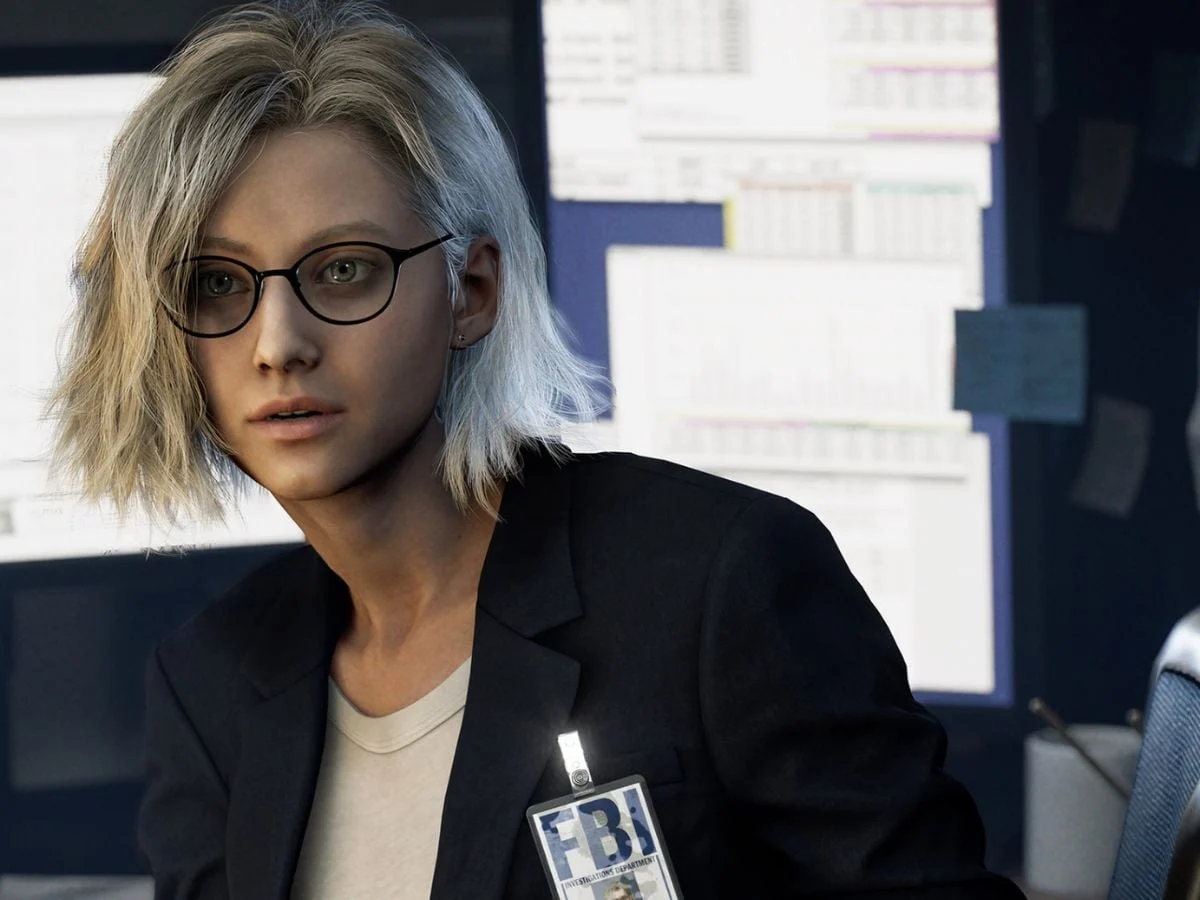
The Resident Evil franchise, Capcom’s crown jewel of survival horror, has spent nearly three decades defining the genre. From the claustrophobic, UMBRELLA-infested corridors of the Spencer Mansion to the sun-drenched, parasite-ridden rural landscapes of Spain and the isolated, snow-swept villages of Eastern Europe, the series has traversed the globe. However, one notable location has remained conspicuously absent from the mainline series: Japan, the very country where the franchise was born.
Recent comments from series producer Masato Kumazawa have reignited long-standing speculation that this geographical void may finally be filled in a future installment. While the franchise continues to enjoy immense success—most recently with the February release of Resident Evil: Requiem—the conversation surrounding the series’ potential shift toward a Japanese setting marks a significant moment for both the development team and the global fanbase.
The Evolution of the Resident Evil Setting
Since the inception of the series in 1996, Resident Evil has predominantly focused on Western settings. The original game’s setting, Raccoon City, was designed to evoke a quintessential American midwestern town, a decision rooted in the developers’ desire to lean into classic Western horror tropes—think Night of the Living Dead or The Shining.
Throughout the years, Capcom has meticulously curated these environments to serve the narrative. Resident Evil 5 took the action to the sweltering plains of West Africa, while Resident Evil Village leaned into gothic folklore. By transplanting these bio-organic weapon (BOW) outbreaks into diverse international locales, Capcom has maintained a sense of global stakes. However, as the franchise approaches its 30th anniversary, the prospect of returning to its roots—not just in spirit, but in location—has become a topic of internal discussion at Capcom.
Masato Kumazawa’s Vision: A "Requiem" for the Past
The recent buzz stems from an interview between producer Masato Kumazawa and the Japanese publication Futaman. When pressed on the possibility of a Japan-based Resident Evil, Kumazawa did not dismiss the idea; instead, he offered a candid look into the minds of the development staff.

"I think that every Japanese Resident Evil fan has definitely thought about a Japan setting, and I’ve also considered it myself," Kumazawa stated, as reported by IGN. "As the series is primarily developed by staff in Japan, I think everyone on the dev team has probably thought about it. Even though Japan hasn’t appeared as a setting for the games yet, I think it might at some point in the future."
This acknowledgment is significant. For years, there has been a perception that Resident Evil must be set in the West to maintain its "Hollywood blockbuster" aesthetic. Kumazawa’s comments suggest that the creative team is not only aware of the demand for a Japanese setting but is actively entertaining the logistical and creative challenges of bringing the T-Virus to Tokyo, Kyoto, or the Japanese countryside.
Addressing the "Requiem" Misconceptions
The recent release of Resident Evil: Requiem naturally brought questions regarding the future of the series. With a title that implies a finality or a "song for the dead," fans were understandably concerned that Capcom might be signaling the end of the franchise.
Kumazawa was quick to clarify that Requiem is not an epitaph for the series itself, but rather a thematic conclusion to specific narrative threads. "It’s a Requiem for Leon’s battles against bioterrorism, and a requiem for the past Raccoon City incident," he explained.
By framing Requiem as a bridge between the classic era and the future, Capcom is effectively clearing the slate. The producer’s assertion that "there are still many things we’d like to do" signals that the development team is in a period of transition, looking for new ways to keep the series fresh without alienating the core audience.

Fan Speculation and the Horror Landscape
The idea of a Japanese Resident Evil has sparked intense debate among the community. The horror landscape has changed significantly in recent years; games like Silent Hill f have successfully utilized Japanese aesthetics to evoke a sense of dread that is distinct from Western sensibilities.
Fans have been vocal about how such a setting should be handled. While some envision a traditional, folklore-heavy approach—reminiscent of J-horror classics like Ringu or Ju-On—others argue that Resident Evil works best when it subverts the mundane.
"If they set it in Japan, I don’t want a generic rural village," wrote one prominent user on a gaming forum. "Give me the neon-soaked, claustrophobic density of a futuristic Tokyo, or the terrifying isolation of a remote volcanic island. The horror comes from being trapped in an environment that feels like it should be safe, not just a spooky forest."
This sentiment aligns with the core identity of Resident Evil: the juxtaposition of advanced science and human fragility. Whether it is a government facility hidden beneath a bustling Shibuya intersection or an outbreak on a ferry traveling between Japan’s islands, the potential for creative level design is immense.
The Future: Balancing Identity with Innovation
A recurring theme in Kumazawa’s comments is the necessity of evolution. He noted that "players will get bored if we just keep making the same kind of games," emphasizing that the development team is tasked with preserving the series’ identity while embracing new challenges.

The "identity" of Resident Evil is built on several pillars: resource management, environmental puzzle-solving, and the encroaching dread of biological mutation. Moving the series to Japan provides a unique opportunity to experiment with these pillars. For instance, Japan’s strict gun control laws compared to the United States could fundamentally change how players interact with their environment and defend themselves against BOWs, potentially steering the gameplay closer to the tension-heavy survival roots of the original 1996 title.
Chronology of Major Resident Evil Settings
To understand the significance of a potential Japan-based entry, one must look at the series’ geographical evolution:
- 1996: Resident Evil – Raccoon City, USA. The birth of the franchise and the definitive urban survival horror template.
- 1998: Resident Evil 2 & 3 – Raccoon City. The escalation of the outbreak.
- 2005: Resident Evil 4 – Rural Spain. A pivot toward action-horror that redefined the genre.
- 2009: Resident Evil 5 – Kijuju, Africa. An exploration of large-scale, open-environment bio-terrorism.
- 2012: Resident Evil 6 – Global (China, USA, Eastern Europe). A multi-perspective approach to global conflict.
- 2017: Resident Evil 7: Biohazard – Dulvey, Louisiana, USA. A return to intimate, contained, first-person horror.
- 2021: Resident Evil Village – Fictional Eastern European region. A blend of gothic horror and action.
- 2025/2026: Resident Evil: Requiem – A culmination of the Leon Kennedy arc and a look toward the future.
Implications for Capcom
If Capcom does decide to pull the trigger on a Japanese setting, the implications for the studio would be twofold. First, it would be a symbolic reclamation of the series’ origins, potentially bridging the gap between the original Japanese design team’s vision and the global audience they have cultivated. Second, it serves as a litmus test for the series’ longevity.
As technology advances, allowing for more detailed environmental storytelling, the developers are no longer constrained by hardware limitations that previously dictated the scope of their maps. If they can capture the specific anxieties of Japanese urban density—the "salaryman" culture, the reliance on public transit, and the stark contrast between modern technology and ancient traditions—they could craft the most terrifying Resident Evil entry to date.
Conclusion: A New Horizon
While nothing has been officially announced, the discourse surrounding a Japanese-set Resident Evil feels less like idle speculation and more like a logical next step for a series that has conquered every other corner of the map.
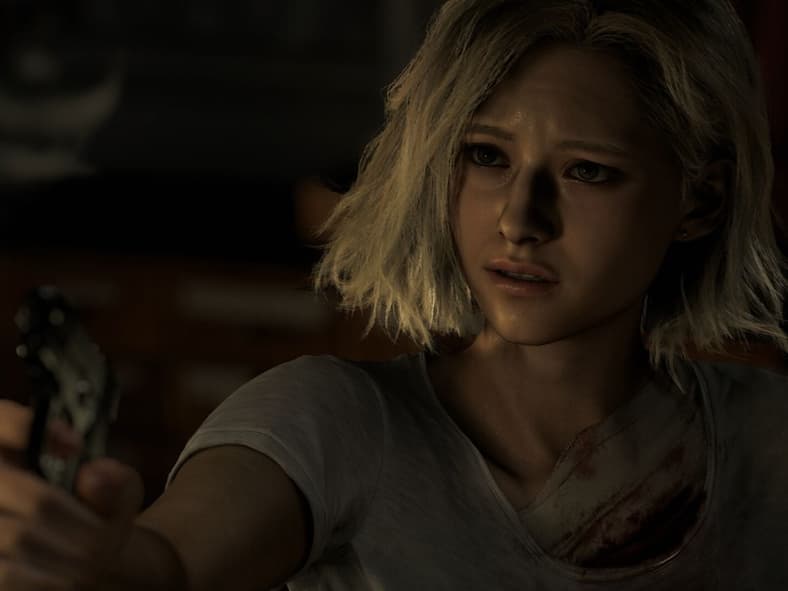
Producer Masato Kumazawa’s willingness to discuss the idea openly suggests that the seed has been planted. For a franchise that thrives on the unknown, a journey into the heart of its own home country might just be the "new challenge" required to ensure that Resident Evil continues to terrify, innovate, and thrive for another thirty years. As the development team looks beyond the Requiem for Leon Kennedy, one thing remains certain: wherever the next outbreak occurs, the world will be watching.











No comments yet. Be the first to join the conversation!