

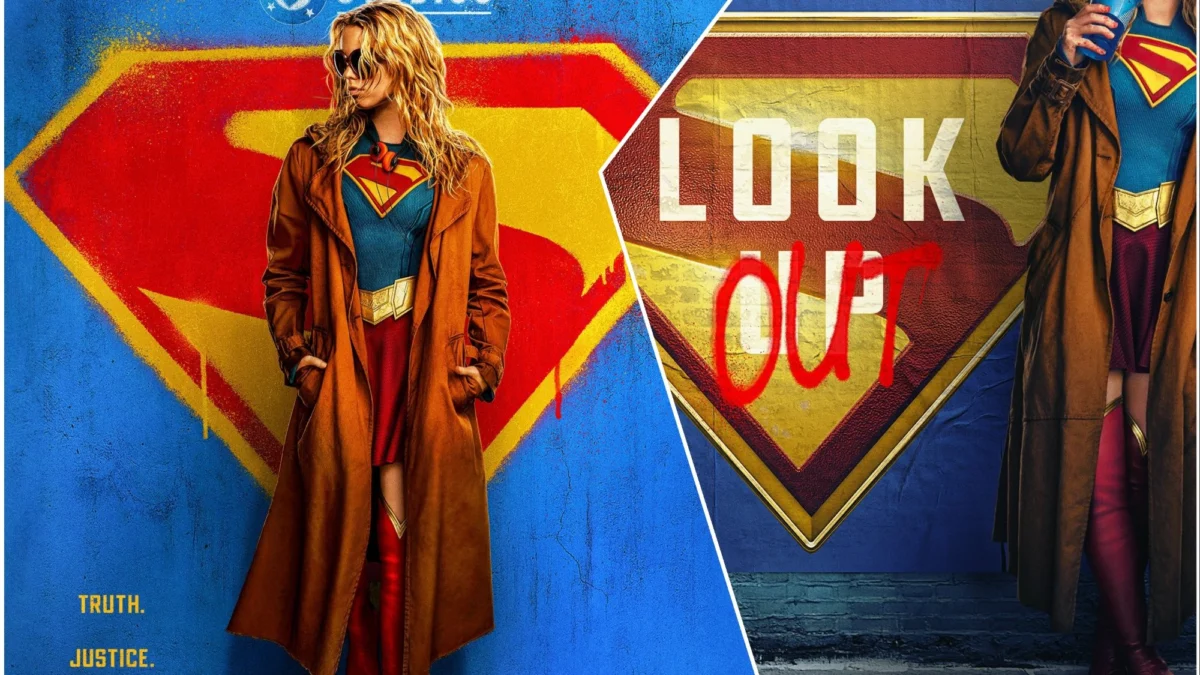
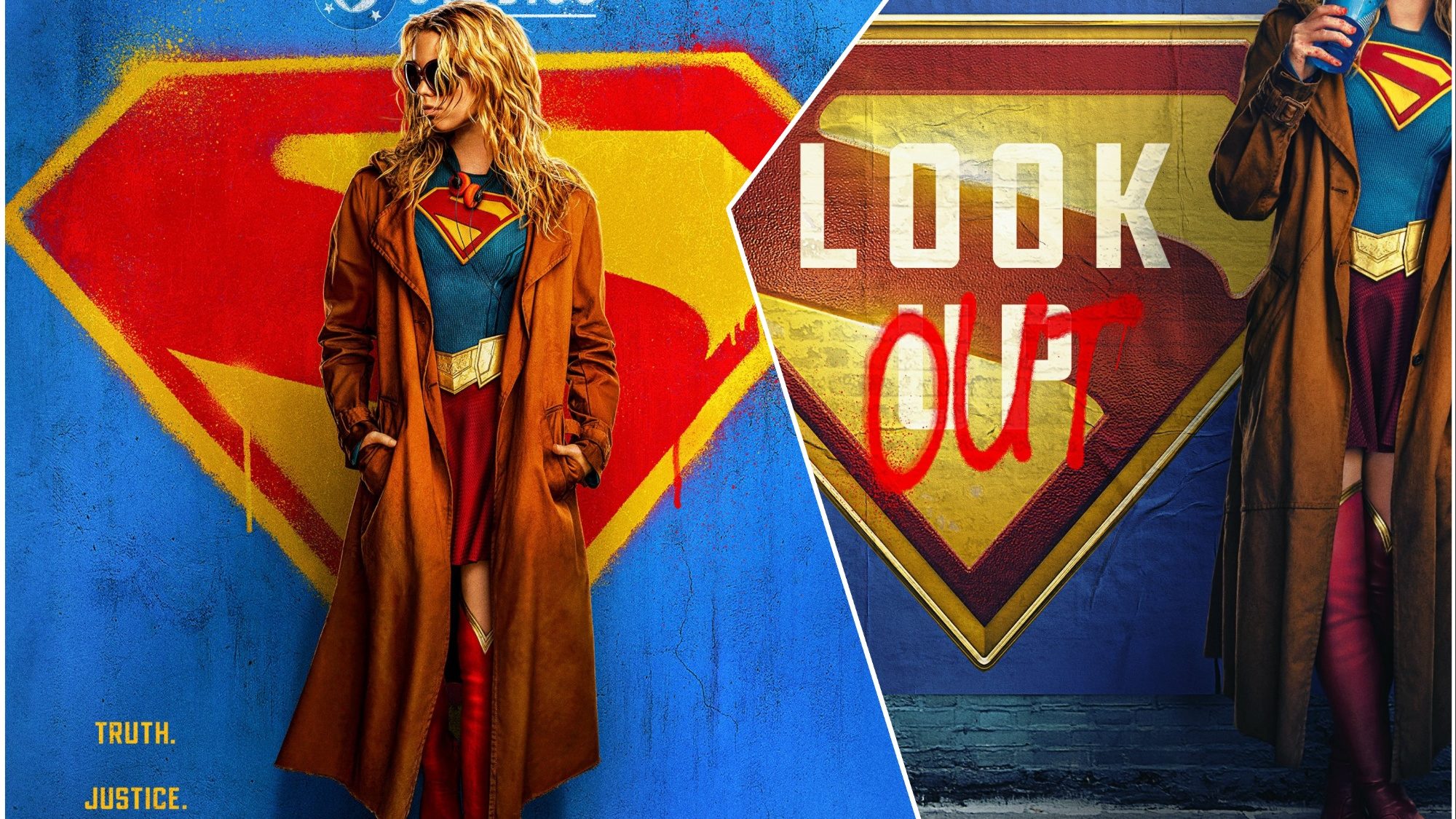
As the countdown to the theatrical release of DC Studios’ Supergirl enters its final, critical weeks, Warner Bros. Pictures has unveiled a new set of five character posters. While the studio has faced persistent criticism regarding its promotional strategy for this high-stakes feature, these latest offerings provide a baseline of adequacy that avoids the pitfalls of previous marketing materials, even if they fall short of being considered groundbreaking.
The State of ‘Supergirl’ Marketing: A Critical Analysis
Warner Bros. has, by many industry accounts, struggled to cultivate the same level of cultural momentum for Supergirl that it managed for Superman last year. In the landscape of modern franchise filmmaking, marketing momentum is not merely a bonus—it is a prerequisite for success. Comparisons are already being drawn between the Supergirl campaign and other upcoming genre projects. For instance, the highly anticipated Clayface is currently flying under the radar; however, industry insiders argue that this quiet approach is a calculated risk for a film that represents a "big swing" in terms of tone and narrative ambition.
Supergirl, conversely, is a cornerstone of the new DC cinematic slate. The perceived lack of urgency in its marketing rollout is, therefore, a point of contention among fans and analysts alike. The frustration stems from the fact that the initial promotional materials for Supergirl were exceptionally strong, raising expectations that have not been consistently met in the months since. As studios continue to navigate the shifting demands of digital-first marketing, there remains a persistent debate over the value of static character posters. When these assets rely on recycled key art against minimalist backgrounds, they offer little to excite the average moviegoer. The hope remains that the final stretch of the campaign will pivot toward more evocative, high-investment visuals, mirroring the caliber of the film’s well-edited trailers.

Chronology of the Project: From Development to Debut
The journey of Supergirl to the big screen has been one of the most closely watched developments in the post-reboot era of DC Studios. Under the stewardship of co-CEOs Peter Safran and James Gunn, the project was positioned as a definitive exploration of Kara Zor-El, distinct from previous iterations of the character.
- Early Development: The film was announced as a centerpiece of the new DC Universe, with Ana Nogueira tapped to pen the screenplay. The objective was to ground the character in a narrative that emphasizes an interstellar journey of vengeance and justice.
- Casting and Pre-Production: The selection of Milly Alcock for the dual role of Supergirl/Kara Zor-El was met with significant enthusiasm, as her range promised to bring a necessary complexity to the character. Director Craig Gillespie was brought on to helm the project, bringing a unique directorial vision that balances high-stakes action with emotional stakes.
- Production Phase: Principal photography saw a robust international effort, with a heavy emphasis on practical effects and high-production-value set design. The collaboration between director of photography Rob Hardy and production designer Neil Lamont was highlighted early on as a key component of the film’s visual language.
- The Marketing Pivot: As of June 2026, the film is in the final throes of its promotional cycle. The recent release of the character posters serves as a bridge to the upcoming theatrical premiere, attempting to keep the film top-of-mind for audiences while the studio prepares for the final wave of interviews and promotional events.
Supporting Data: The Talent Behind the Lens
The success of a blockbuster in the current market relies as much on the technical team as it does on the star power in front of the camera. Supergirl is backed by a veteran production team, signaling that Warner Bros. has invested heavily in the film’s craft.

Cast List:

- Milly Alcock as Kara Zor-El / Supergirl
- Matthias Schoenaerts in a pivotal, yet undisclosed, antagonistic role
- Eve Ridley, David Krumholtz, and Emily Beecham in supporting roles
- Jason Momoa in a significant appearance that has sparked extensive fan speculation regarding the connectivity of this film to the wider DC universe.
The Production Team:
The film represents a collaboration between Troll Court Entertainment and The Safran Company. Behind the camera, the studio has assembled a powerhouse of talent:

- Director: Craig Gillespie
- Screenplay: Ana Nogueira
- Director of Photography: Rob Hardy
- Production Designer: Neil Lamont
- Editor: Tatiana S. Riegel
- Costume Designers: Anna B. Sheppard and Michael Mooney
- Visual Effects Supervisor: Geoffrey Baumann
- Composer: Claudia Sarne
This assembly of talent, particularly in the editing and visual effects departments, suggests a film that prioritizes narrative pacing and immersive world-building. The inclusion of composer Claudia Sarne also promises a distinct sonic landscape that will deviate from traditional superhero tropes.
Official Responses and Strategic Positioning
While Warner Bros. has remained relatively tight-lipped regarding the specific critiques of their marketing, the strategy appears to be one of "controlled visibility." By releasing character posters in the final weeks before the premiere, the studio is opting to keep the conversation centered on the characters themselves rather than the broader spectacle, which has already been teased in trailers.
James Gunn and Peter Safran have consistently emphasized that this version of Supergirl is based on the foundational characters created by Jerry Siegel and Joe Shuster, while simultaneously pushing them into a darker, more modern context. The official synopsis states: "When an unexpected and ruthless adversary strikes too close to home, Kara Zor-El, aka Supergirl, reluctantly joins forces with an unlikely companion on an epic, interstellar journey of vengeance and justice." This summary highlights a departure from the typical "hero origin" story, opting instead for a narrative driven by personal loss and the quest for retribution.
Implications for the Future of the DC Universe
The performance of Supergirl is arguably the most significant litmus test for the new DC Studios leadership. If the film resonates with both critics and the general public, it will validate the strategy of focusing on character-driven narratives within the broader comic book genre. However, if the film suffers from a lack of marketing visibility, it could signal a need for a fundamental shift in how Warner Bros. approaches the rollout of its mid-to-high budget projects.
Furthermore, the "under the radar" success of other projects—and the potential for Clayface to surprise audiences—suggests that the market is currently hungry for films that subvert expectations. Supergirl sits at a crossroads: it is a legacy character in a brand-new iteration, produced by a studio that is currently recalibrating its public image.
The reliance on standard character posters, while "fine" as the initial reporting suggests, serves as a reminder that the audience’s appetite for traditional marketing materials is waning. Fans are increasingly looking for "behind-the-scenes" content, such as the featurettes recently released for The Odyssey, which provide insight into the process of filmmaking rather than just presenting static images.
As the release date of June 26, 2026, approaches for North America, and June 24 for international territories, the focus will undoubtedly shift from posters to early screenings and critical reviews. For Warner Bros., the goal is to ensure that the "Supergirl" brand is not just recognized, but actively desired by a younger, more discerning demographic that values authenticity over assembly-line promotion. Whether these posters are enough to build that bridge remains to be seen, but they serve as a functional, if uninspired, final step in the long, complex journey of bringing Kara Zor-El back to the silver screen.









No comments yet. Be the first to join the conversation!