Neng Nana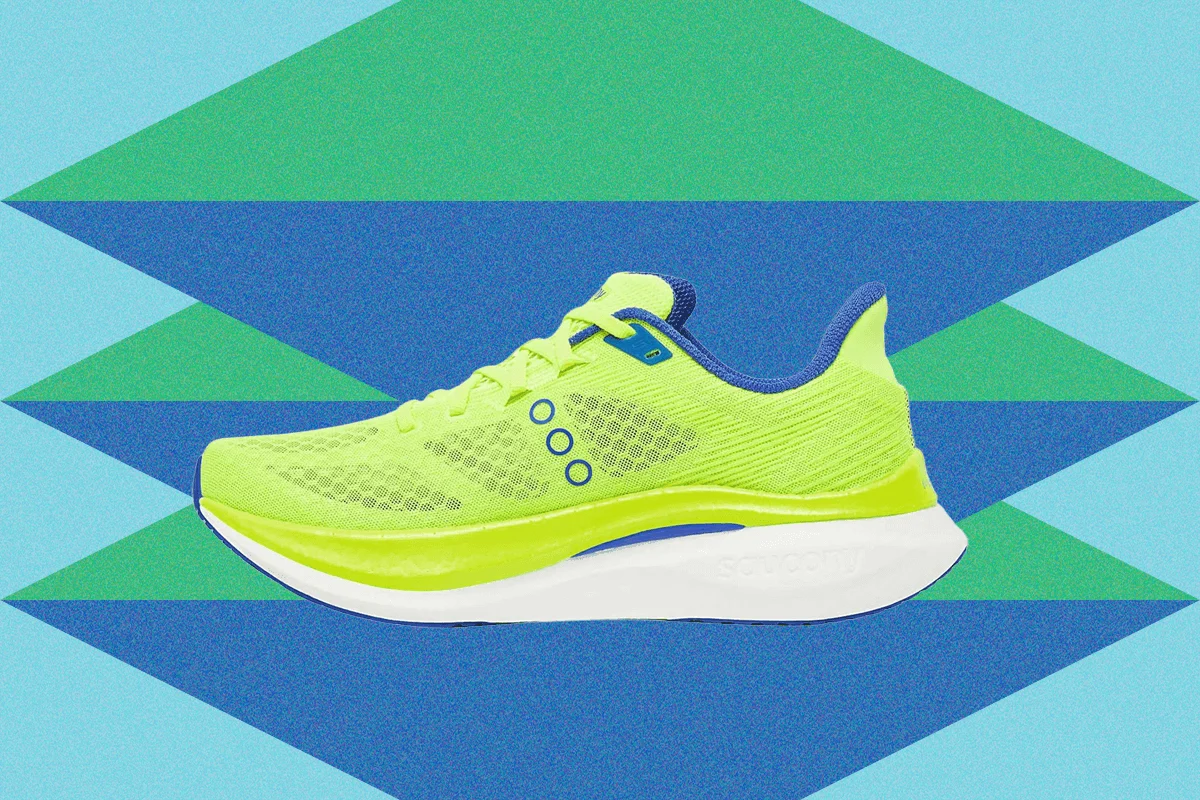
For the dedicated runner, the search for the "perfect" shoe is rarely a one-time event. While headlines often focus on the latest carbon-plated super-shoes designed for marathon personal bests, the reality for the average athlete—who logs hundreds of miles of training—is far more nuanced. Not every foot thrives in the same geometry, and not every workout demands the same level of aggressive responsiveness.
If your primary rotation isn’t hitting the mark, or if you are simply looking for a reliable workhorse to supplement your high-tech racing gear, the market offers a wealth of high-performing alternatives. Based on extensive testing and real-world mileage, we have curated a selection of honorable mentions that deserve a place in your closet.
The Versatility Mandate: Shoes That Bridge the Gap
The Diadora Nucleo 2 ($165)
In an era dominated by maximalist, high-stack "super-foams," the Diadora Nucleo 2 stands as a testament to the power of straightforward engineering. It is not designed to provide an artificial spring or an aggressive "wow" factor. Instead, it offers a consistent, no-nonsense platform. For runners who prioritize a stable, predictable ride across varying paces, the Nucleo 2 delivers a level of inherent stability that is becoming increasingly rare. It is an ideal companion for recovery days or steady-state mileage where comfort takes precedence over speed.
The Rad R1 ($130): The Hybrid Specialist
The landscape of fitness is changing; the modern athlete often splits their time between the treadmill, the weight room, and the local track. The Rad R1 was specifically engineered for this hybrid reality. Whether you are performing high-intensity interval training (HIIT), lateral agility drills, or heavy compound lifts, the R1 provides a grounded, supportive base.
While it is more than capable of handling short, efficient runs on softer treadmill surfaces, its true utility lies in its versatility. It offers enough underfoot control to handle box jumps and lunges while maintaining the stability required to get under a barbell. For those who want to minimize the number of shoes in their gym bag without sacrificing performance, the R1 is a compelling option.
Daily Drivers: Performance for Every Mile
When it comes to your daily training rotation, you need shoes that are smooth, lightweight, and capable of adapting to your changing moods on the road.
- New Balance Rebel V5 ($145): A formidable rival to industry staples like the Saucony Endorphin Speed 5, the Rebel V5 has earned its reputation through sheer efficiency. It is exceptionally smooth and light, making it a reliable choice for everything from tempo runs to easy efforts.
- Adidas EVO SL ($105): Providing a high-value alternative to premium market leaders, the EVO SL is a master of all trades. It handles daily mileage with grace and maintains its structural integrity even as the odometer climbs.
- Kiprun Kipride Max ($160): If your preference leans toward a plush, cushioned ride with a noticeable "pop," this model stands out. It successfully balances the softness of a maximalist shoe with enough energy return to keep your legs feeling fresh on longer efforts.
Stability and Comfort: Supporting the Long Haul
Not every runner seeks a stripped-down, lightweight racer. Many require shoes that provide additional structure and support to mitigate fatigue and address biomechanical needs.
- New Balance Fresh Foam X 1080 v15 ($170): A perennial favorite for those who prioritize a premium underfoot experience. The 1080 series has long been the gold standard for daily comfort, and the v15 continues this legacy with refined foam geometry that feels plush without being "mushy."
- HOKA Clifton 9 ($164): Often cited as the quintessential entry-level shoe for new runners, the Clifton 9 defies HOKA’s reputation for being "too much" shoe. It is surprisingly minimal, balanced, and light. It provides a forgiving landing for those still developing their form, making it a low-risk, high-reward investment.
- Saucony Ride 17 ($110) and Hurricane 25 ($135): Both models represent excellent value in the current market. The Ride 17 is a reliable workhorse for those who want a classic running feel, while the Hurricane 25 offers a more structured experience for those who prefer extra support.
- Brooks Glycerin 23 GTS: For the runner who requires a Guidance Support System (GTS), the Glycerin series is a reliable, high-cushion choice. It remains a top pick for those who suffer from overpronation but are unwilling to compromise on the luxury of a cushioned, long-distance ride.
The Durability Conundrum: How Long Should a Shoe Actually Last?
One of the most persistent questions in the running community is: When should I actually replace my shoes?
The Myth of the 500-Mile Rule
For decades, the standard advice has been to replace running shoes every 300 to 500 miles. However, this rule of thumb is a relic of a bygone era. It was based on limited data and standardized EVA foam technology that, once compressed, lost its ability to absorb impact.

Today, the landscape has shifted. Modern midsole foams—often referred to as "super-foams"—use advanced polymers (like PEBA) that possess vastly different fatigue characteristics than the EVA of the past. Furthermore, the outsole rubber compounds and upper mesh technologies have become significantly more durable.
The Reality of Modern Materials
Durability is no longer a binary state of "good" or "bad." It is now a multi-faceted assessment of:
- Energy Return: Does the foam still provide the "bounce" it had on day one?
- Structural Integrity: Is the upper still providing a secure lockdown?
- Protective Cushioning: Does the shoe still offer enough protection to prevent impact-related injuries, even if the "pop" has diminished?
It is entirely possible for a high-tech carbon-plated race shoe to lose its competitive edge at high speeds while remaining perfectly capable as a protective daily trainer for easy recovery runs.
Variables Affecting Lifespan
Your specific running environment and physiology play a larger role in wear than any arbitrary mileage counter. Key variables include:
- Runner Weight: Higher force output accelerates foam degradation.
- Stride Pattern: Heavy heel-striking or excessive friction during toe-off will wear out specific zones of the outsole faster.
- Terrain: Concrete and asphalt are abrasive; softer, man-made tracks or treadmill belts extend the life of the outsole.
- Climate: Extreme heat and humidity can affect the molecular structure of certain foams over long periods.
How to Know When It’s Time
Rather than relying on a pedometer, runners should listen to their bodies and inspect their gear. Obvious signs of retirement include:
- Visual Wear: Holes in the upper mesh or complete loss of tread pattern on the outsole.
- Heel Collar Breakdown: Loss of structure around the ankle leading to slipping.
- "Dead" Feeling: If the shoe no longer feels responsive or starts to feel "slappy" against the ground, the midsole has likely lost its energy-return properties.
The most practical advice remains: Use your shoes until something feels off. If you find yourself experiencing new aches or pains after a run, it is often a sign that the cushioning technology has reached the end of its effective service life, regardless of what your mileage log says.
Expert Recommendation: The Path Forward
If you are unfamiliar with a specific brand or model, do not rely solely on online reviews. The anatomy of the foot is deeply personal. We strongly recommend visiting a local running specialty store for a professional gait analysis and a test run. Many shops allow for short treadmill sessions, which provide the best possible data to ensure that your investment will serve you well for the hundreds of miles ahead.
Ultimately, your running shoes are the most critical piece of equipment you own. By diversifying your rotation with these reliable alternatives and monitoring their health through real-world feedback rather than outdated rules, you can ensure a safer, more enjoyable, and more consistent training experience.


 Asro
Asro
 Rifan Muazin