Sagoh
Sagoh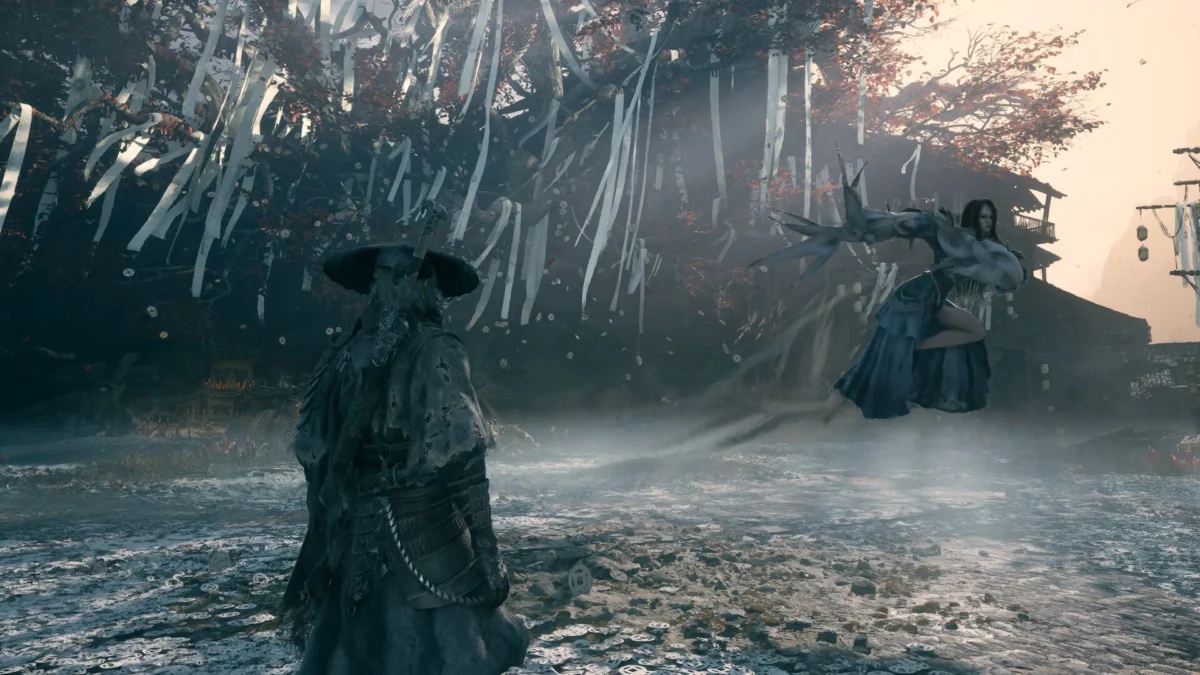
In a landscape where "day-one patches" have become the industry standard for major game releases, S-GAME has opted for a different philosophy. Following the June 2026 PlayStation State of Play, where the developer initially announced a September 9, 2026, release date for its highly anticipated action title Phantom Blade Zero, the studio has officially confirmed a strategic pivot. The game will now launch on October 29, 2026, marking a 50-day delay for the PS5 and PC title.
While delays are often met with apprehension by the gaming community, S-GAME’s communication suggests a commitment to a "finished-at-launch" product. By sacrificing nearly two months of development time, the studio aims to sidestep the common pitfalls of modern AAA gaming, where stability and performance are frequently sacrificed in favor of hitting aggressive quarterly targets.
The Chronology of the Delay
The narrative surrounding Phantom Blade Zero took a swift turn immediately following its high-profile appearance at the June 2026 State of Play. The showcase, which was designed to generate momentum for the title’s late-summer launch, initially set expectations for a September 9 arrival.
However, the momentum shifted just hours after the event concluded. Utilizing their official social media channels, S-GAME issued a formal statement clarifying that the internal development roadmap required additional time. The announcement was direct and aimed at managing player expectations early: the original September window was no longer feasible if the team were to meet its own internal quality benchmarks.
This shift moves the release into late October, a crowded window in the gaming calendar, but one that provides the team with a vital 50-day cushion to refine the experience. The chronology of the reveal highlights the volatile nature of modern game development, where even a major showcase appearance is not enough to solidify a launch date until the final code is polished.
Technical Ambitions and the "Anti-Patch" Philosophy
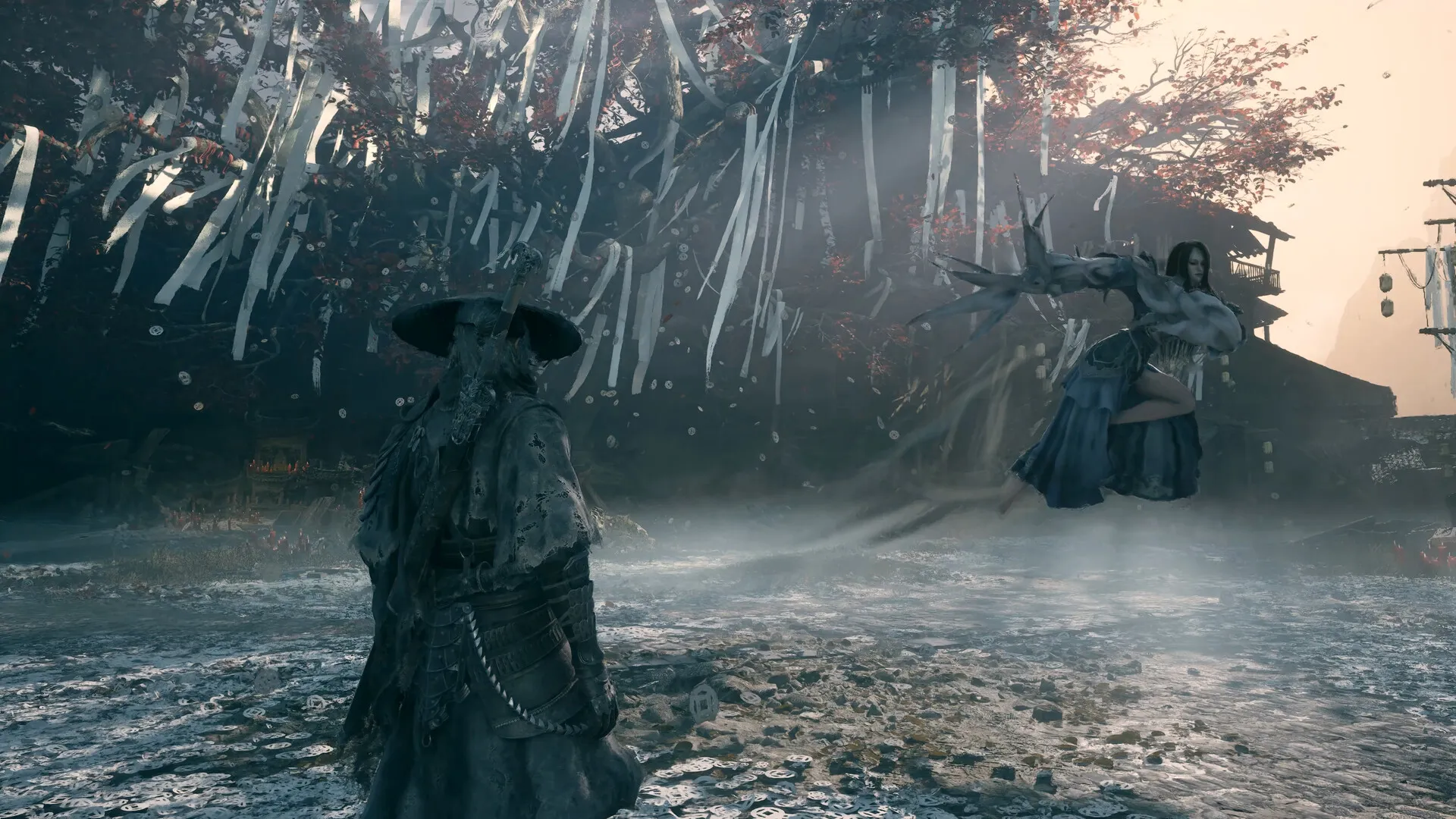
Perhaps the most significant aspect of the delay announcement is the developer’s explicit stance on technical optimization. S-GAME noted that the extra 50 days are not being used to "fix" a broken game, but rather to elevate the existing assets—specifically character models and environmental textures—to a higher standard.
One of the more technical details mentioned in the statement is the team’s focus on achieving high-fidelity visuals "without relying on ray tracing." In an industry currently obsessed with hardware-intensive lighting effects, S-GAME’s focus on traditional rendering optimization is noteworthy. By refining their engine’s ability to handle complex lighting and geometry through native optimization rather than software-side ray tracing, the team hopes to ensure consistent frame rates and visual clarity across both the PS5 and varying PC hardware configurations.
Furthermore, the studio emphasized that this time is being used to prevent the necessity of massive post-launch patches. The "day-one patch" culture—where consumers download gigabytes of updates immediately upon installing a game—has become a point of contention for many players. S-GAME’s pledge suggests a desire to deliver a "gold master" experience that functions fully from the moment the disc is inserted or the download is completed.
Supporting Data and Upcoming Marketing Beats
The delay has necessitated a reshuffling of the game’s marketing schedule, though S-GAME has confirmed that the planned "Summer 2026" deep dive will proceed as intended. This is a critical period for the studio, as they prepare to transition from general hype to specific consumer engagement.
According to the updated schedule, fans can expect the following:
- Summer 2026 Deep Dive: A comprehensive trailer and gameplay breakdown will be released to provide a closer look at the combat mechanics and world-building.
- Pre-order Availability: The window for pre-orders will open in conjunction with the Summer deep dive, allowing players to secure their copies for both PC and PS5.
- Extended State of Play Showcase: Following the initial deep dive, a dedicated 15-to-20-minute State of Play segment will focus exclusively on Phantom Blade Zero. This extended look is expected to provide a definitive overview of the game’s systems, narrative scope, and technical performance.
These marketing efforts are crucial for a new IP in the crowded action-RPG space. By providing an extended deep dive, S-GAME is attempting to reassure investors and players alike that the delay is a proactive measure for quality control rather than a sign of development distress.
Implications for the Industry and Consumers
The 50-day delay of Phantom Blade Zero carries broader implications for how studios approach the final stretch of development. The decision to delay a game for less than two months is a bold move; it is long enough to impact the fiscal quarter but short enough that the team is clearly working on final polish rather than a foundational overhaul.
For the Consumer
For the average player, this delay is largely a positive sign. It indicates that S-GAME has the autonomy to prioritize the product over a specific calendar date. In an era where games like Cyberpunk 2077 or Star Wars Jedi: Survivor faced massive technical scrutiny at launch due to performance issues, the decision to hold back Phantom Blade Zero for 50 days suggests a studio culture that values its reputation and long-term player trust over the immediate gratification of a September release.
For the Developer
Internally, the pressure is now on to ensure that the October 29 launch date is set in stone. Pushing a date once is often forgiven by the community, but failing to meet a revised date can lead to a loss of consumer confidence. By clearly stating that the delay is for optimization rather than "feature creep," S-GAME has set a high bar for themselves. The team must now deliver a stable, high-performance experience that justifies the extra time.
The Competitive Landscape
The shift to October puts Phantom Blade Zero in a more competitive position. October is historically a major month for "blockbuster" releases, and while the game will now be competing against other end-of-year titles, the extra time ensures that it will not arrive in a buggy, unoptimized state that could otherwise lead to poor reviews.
Looking Ahead: The October Launch
As we move closer to the October 29 release, all eyes will be on the promised summer deep dive. The gaming community will be looking for proof that the extra 50 days have indeed been spent productively. If the visuals and performance metrics shown during the upcoming State of Play align with the high expectations set by the game’s initial reveal, the decision to delay will likely be remembered as a masterclass in responsible project management.
Phantom Blade Zero stands as a test case for a mid-tier studio aiming for the "AAA" big leagues. The developers at S-GAME have clearly identified that in today’s market, a title is only as good as its launch day reception. By choosing to wait, they are betting that the patience of their audience will be rewarded with a tighter, more cohesive, and technically sound experience.
Whether this gamble pays off remains to be seen, but the transparency shown by the studio—and their explicit goal of avoiding the "patch-it-later" trap—is a refreshing change of pace for the industry. Players can mark their calendars for October 29, 2026, with the expectation that the Phantom Blade Zero they play on day one will be the high-quality, polished vision the developers intended.


 Asro
Asro
 Muslim