Evan Lee Salim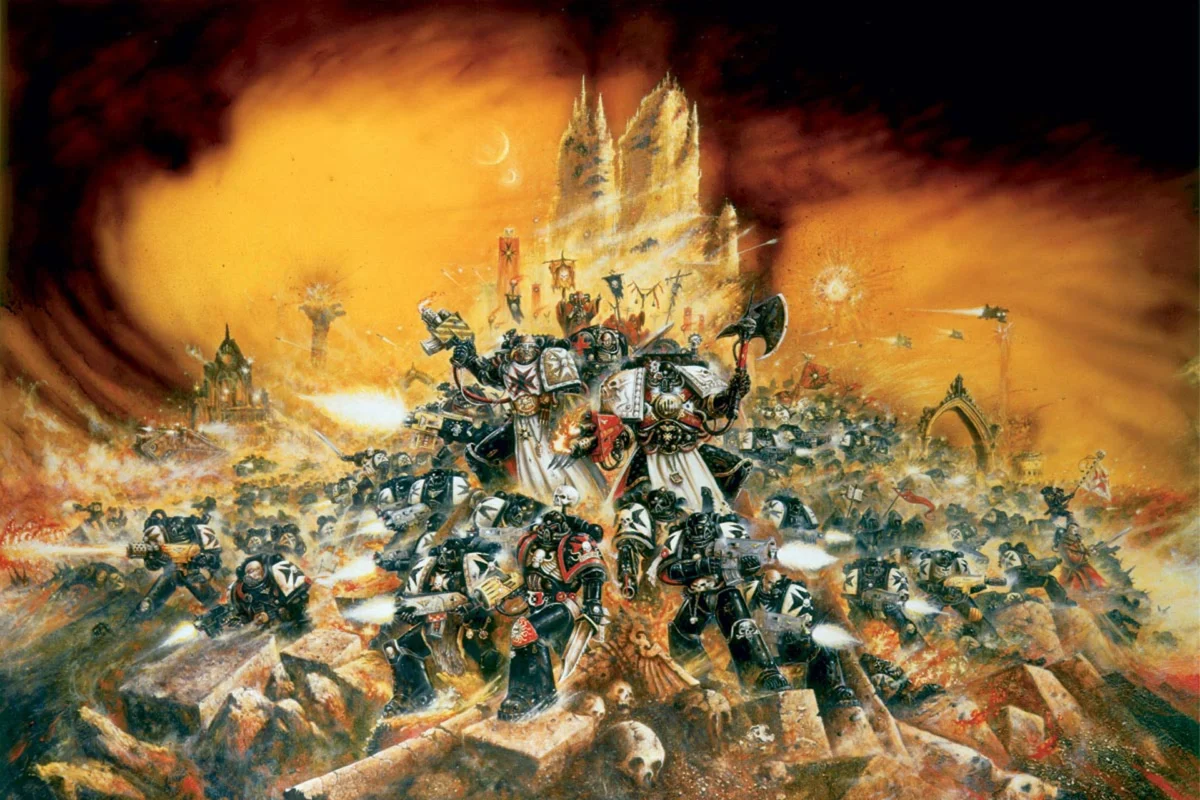
The tabletop gaming world is in mourning following the passing of John Blanche, the legendary illustrator and art director whose singular vision transformed Games Workshop’s Warhammer franchise from a niche hobby into a global cultural phenomenon. Blanche, 77, passed away earlier this week, leaving behind an artistic legacy that defined the aesthetic of "grimdark" sci-fi and fantasy for over four decades.
His death was confirmed by artist Trish Carden, who shared a statement on behalf of Blanche’s wife, Lin. "John was an inspirational artist, devoted to his family and a good friend to many," Carden wrote. "Always generous with his time and knowledge, he was very well loved by all who knew and worked with him. He’ll be hugely missed."
A Life Defined by Vision
To understand the visual language of the 41st Millennium, one must understand John Blanche. His work was characterized by a chaotic, visceral, and baroque intensity—a style that moved away from the clean, high-fantasy tropes of the 1970s toward something much more textured, decaying, and profoundly human.
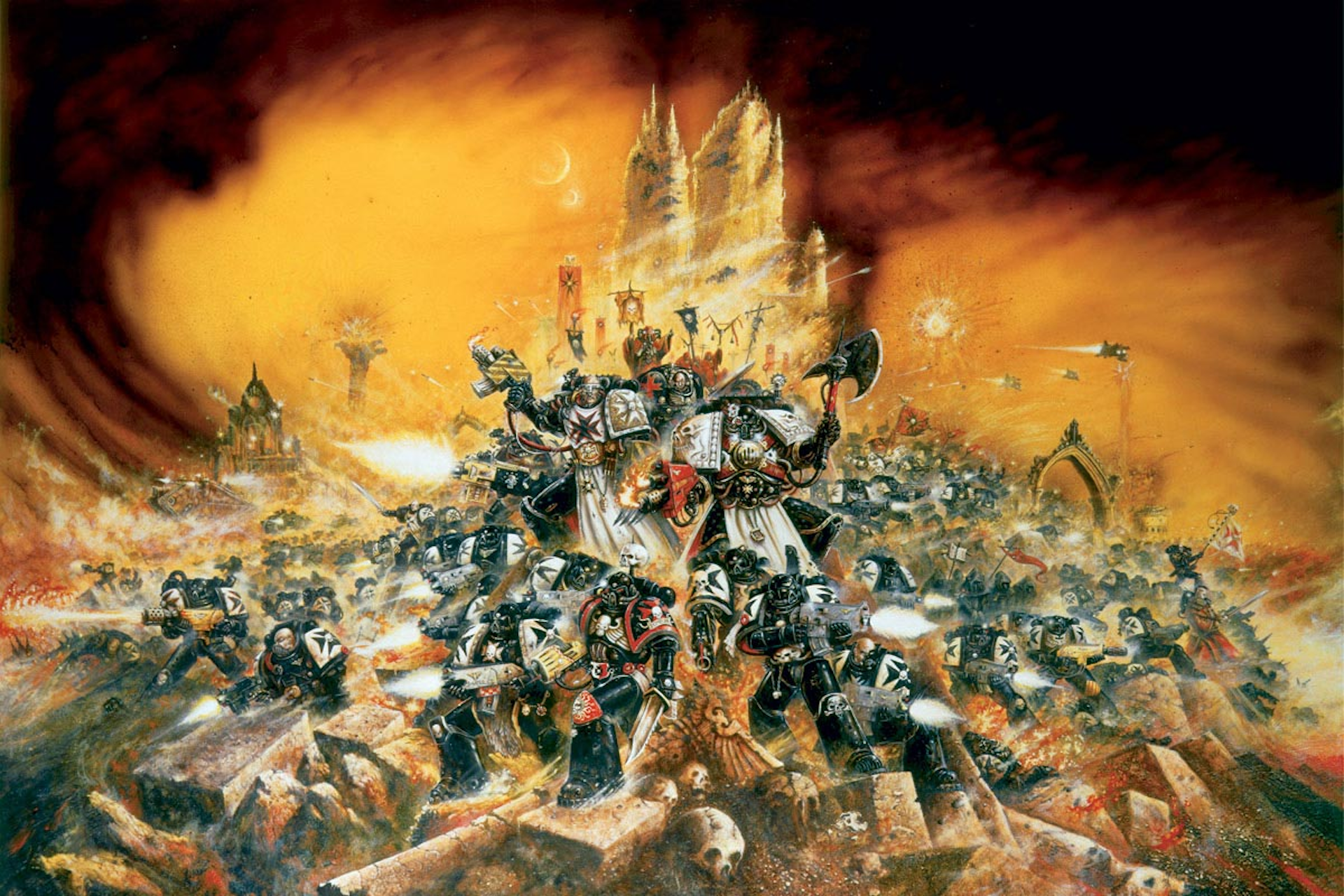
Born in 1948, Blanche began his career long before the term "grimdark" entered the common lexicon. He became a fixture at Games Workshop during the company’s formative years in the 1980s. While others focused on technical accuracy or heroic idealism, Blanche focused on atmosphere. His illustrations of the Imperium of Man—sprawling, gothic cathedrals of metal, rusted armor, and fanatical warriors—captured the essence of a civilization in terminal decline.

Key Milestones in a Career of Iconography
- The Early Years (1970s–1980s): Blanche’s initial foray into the industry established him as a master of traditional media. His work for magazines like White Dwarf and early Warhammer Fantasy sourcebooks provided the foundational imagery for the tabletop medium.
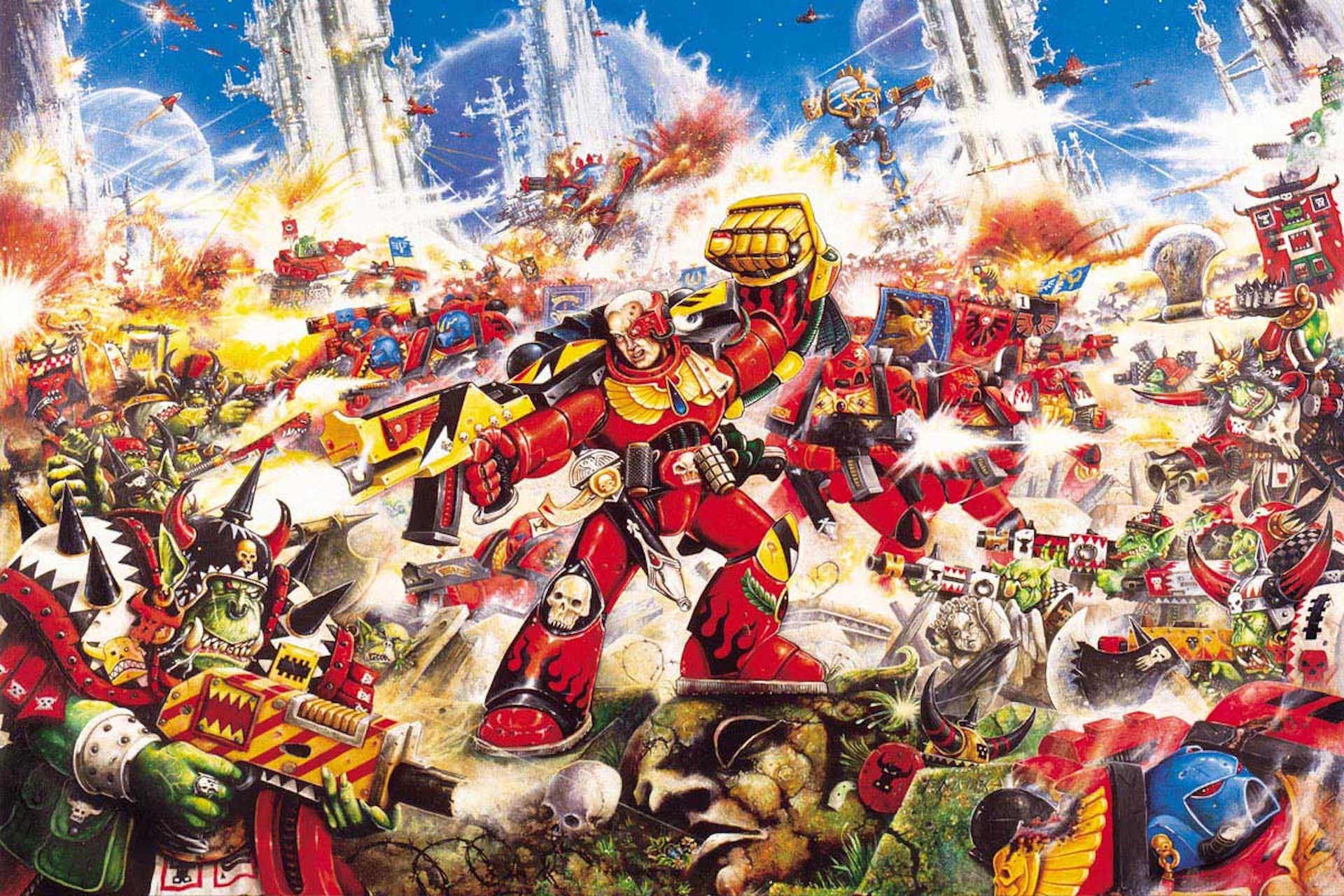
- Defining the 40K Aesthetic: As Warhammer 40,000 shifted from a rogue-trader skirmish game to a sprawling space-opera epic, Blanche’s art provided the "bible" for the setting. His cover art for various rulebooks and codices turned the Space Marines from simple soldiers into monolithic, religious icons.
- The Art Directorship: Beyond illustration, Blanche’s role as an Art Director at Games Workshop was instrumental. He curated a generation of talent, ensuring that the company’s visual output remained distinct from the polished, sleek sci-fi aesthetics of competitors.
- Retirement (2023): After decades of influence, Blanche retired from his full-time position at Games Workshop. Even in his final years, his influence remained so pervasive that the company’s design philosophy remained inextricably linked to his original, foundational sketches.
The "Blanchitsu" Phenomenon
Perhaps the most enduring testament to Blanche’s impact is the fan-coined term "Blanchitsu." In the hobby community, this refers to a specific style of miniature painting and kitbashing that mimics his illustration style: gritty, weathered, monochromatic, and highly atmospheric.
Fans across the globe have spent years trying to replicate the specific "grime" and texture of his brushwork on their own plastic soldiers. This movement transformed the way players engaged with the hobby, moving the focus from "tournament-ready" clean painting to "narrative-heavy" artistic expression. By turning the Warhammer hobby into an act of creative art, Blanche turned his fans into artists themselves.
Tributes and Industry Impact
The outpouring of grief from the gaming and illustration communities has been immense. Writers, developers, and fellow artists have taken to social media to articulate the void his passing leaves behind.
Kieron Gillen, the renowned comic book writer and author of DIE, captured the sentiment of many, stating: "He set fire to a generation’s imagination, and those fires show no sign of stopping burning. His work very much illuminated the darkness."

The sentiment was echoed by others, including developers who credited him for the visual direction of numerous licensed games. From the original Space Hulk to Warhammer: Shadow of the Horned Rat and more recent titles like Vermintide 2, Blanche’s "special thanks" credits on these projects were not mere formalities; they were acknowledgments of his foundational contribution to the digital worlds they were building.
PC Gamer’s own Tim Clark noted, "His style scratches something in my brain in a way no one else’s does. I genuinely think he’s one of the all-time grim dark sci-fi influences. Without John, the universe of Warhammer would be unrecognizable."
Beyond the Tabletop: A Legacy of Horror and History
Blanche’s work was never just about war; it was about the human cost of war. His iconic depiction of "The Emperor Sits Upon His Golden Throne" is perhaps the most profound example. In that piece, the viewer is confronted not by a triumphant hero, but by a decaying, withered shell—a god-figure trapped in an eternal, agonizing stasis.
Critics and art historians often point to this piece as the moment Warhammer transcended its pulp sci-fi roots to become a genuine study in horror. By stripping away the glamour of space warfare, Blanche forced the audience to look at the decay, the stagnation, and the desperate, brutal reality of his world.
The Implications for Future Design
The passing of a visionary of this magnitude inevitably raises questions about the future of the brand. Games Workshop has, over the last decade, modernized its aesthetic, favoring sharper, more vibrant, and high-definition digital art. Yet, the "soul" of the brand continues to lean heavily on the visual vocabulary established by Blanche.
His influence is so deeply embedded in the DNA of Warhammer that his absence may lead to a period of reflection for the design team at Games Workshop. The challenge for future illustrators will not be to replicate his work, but to maintain the feeling of that work—the sense of scale, the grimy reality, and the overwhelming gothic weight that Blanche mastered.
A Final Farewell
John Blanche was 77 at the time of his passing. While he retired from Games Workshop in 2023, his output remained legendary. He leaves behind an industry that, in many ways, he helped build from the ground up.
In a world that often prizes commercial polish, Blanche remained committed to a style that was uncompromising, visceral, and deeply personal. He taught a generation of hobbyists that there is beauty in decay and that the most compelling stories are often told in the shadows.
As the gaming world moves forward, the "grimdark" aesthetic he championed will continue to burn—a testament to a man who saw the darkness in the stars and decided, with a brush and ink, to make it immortal.
John Blanche is survived by his wife, Lin, and a global community of fans, artists, and creators who will continue to find inspiration in his work for decades to come. His legacy is not just in the books and miniatures, but in the millions of hours of imagination he ignited across the world.


 Asro
Asro
 Muslim