

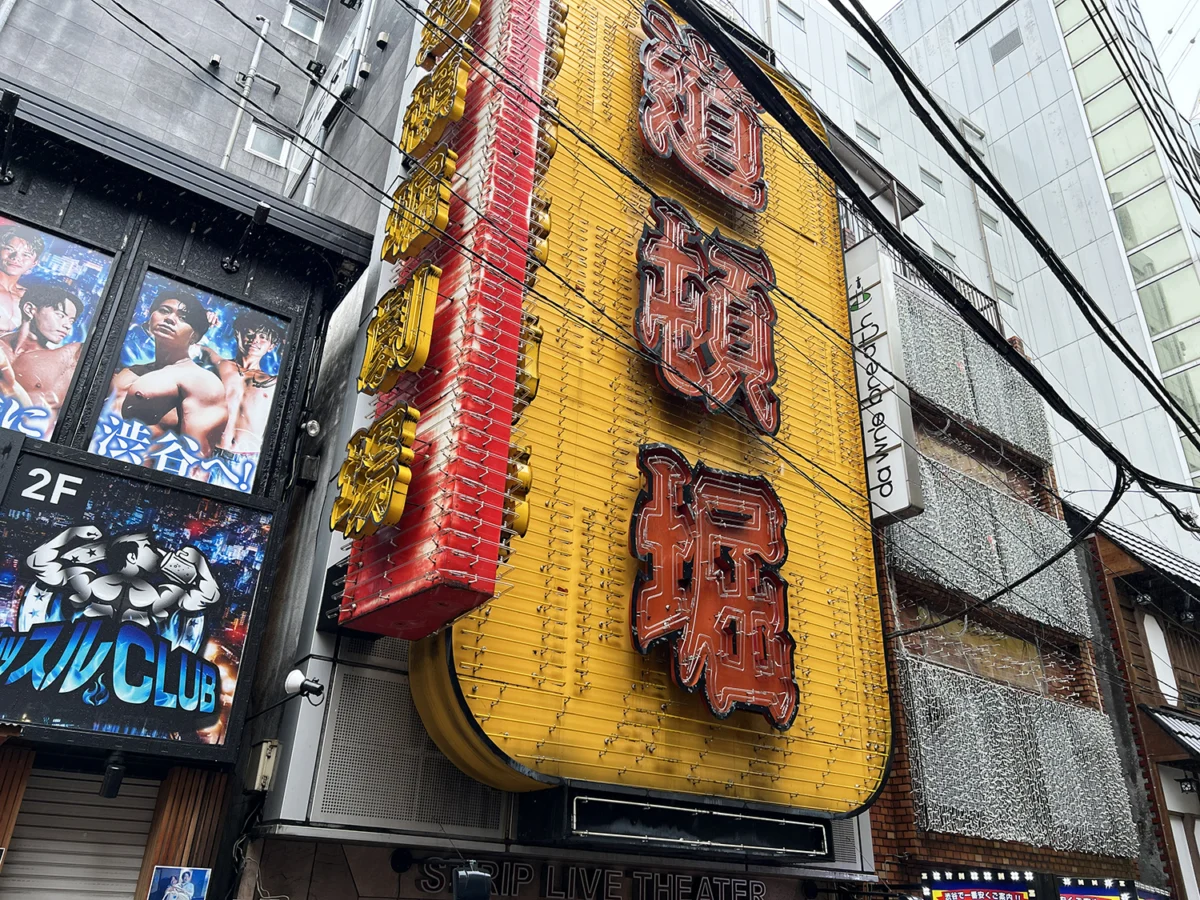
When Typhoon Jangmi made landfall in Japan on June 3, 2026, it brought the relentless, horizontal rain and gusting winds that have become a hallmark of the early summer rainy season. For the average Tokyoite, the decision was simple: if the office allowed it, one stayed home. If commuting was mandatory, one navigated the labyrinthine subway systems with heads down, umbrellas braced against the gale.
Yet, for the international traveler, the approach of a tropical storm presents a distinct dilemma. Do you retreat to the safety of your hotel room, or do you press on, knowing that your itinerary is dictated by a flight home in just a few days? As SoraNews24 reporter Seiji Nakazawa discovered during his own commute through the heart of Shibuya, the answer is often a defiant, rain-soaked commitment to the travel experience.
The Ghost Town Phenomenon: A City in Stasis
As Typhoon Jangmi swept through the Kanto region, the usually chaotic intersection of Shibuya—a place synonymous with the rhythmic, thundering footsteps of thousands—underwent a surreal transformation.
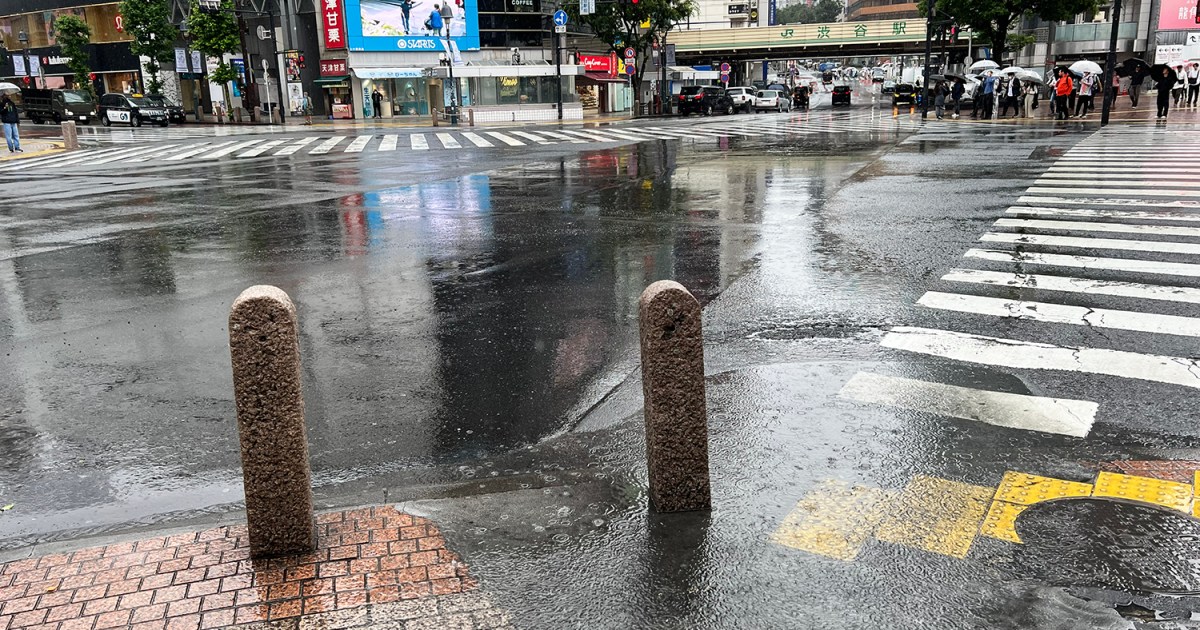
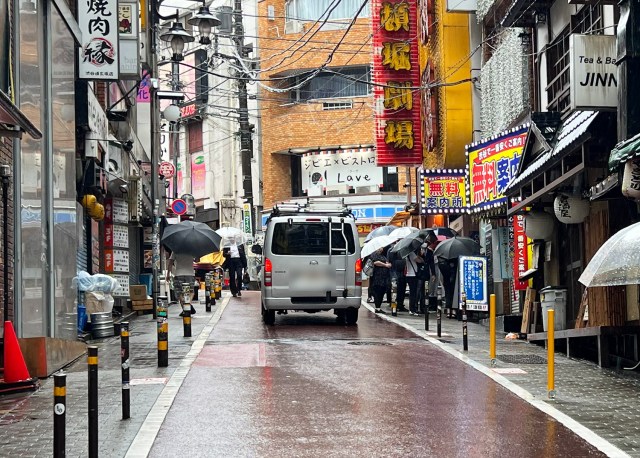
Nakazawa, who opted to commute to his office in Shinjuku despite the availability of remote work, noted that the urban pulse of Shibuya had slowed to a crawl. The streets, typically choked with pedestrians, were eerily vacant. Storefronts were shielded by metal shutters, and the sprawling station area, which usually serves as a high-velocity transit hub, felt like a scene from a post-apocalyptic film. In some instances, the accumulation of water in low-lying pedestrian tunnels and street corners exceeded the number of people present.
However, amidst this stillness, two distinct pockets of human activity emerged, revealing the unique, immovable priorities of the modern tourist.
The Dogenzaka Paradox: Adult Entertainment in a Storm
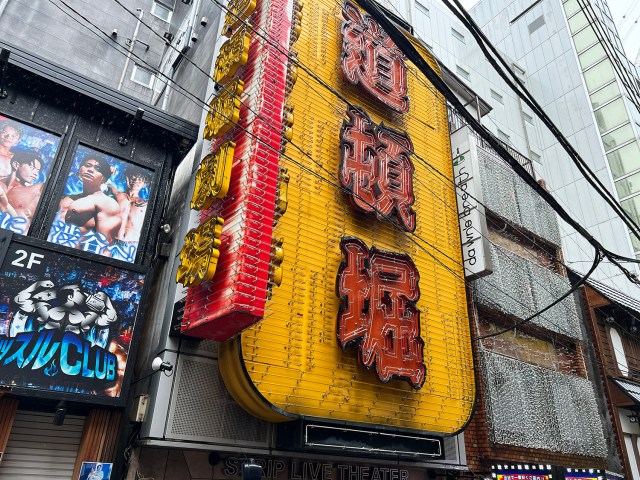
The first point of interest that defied the weather’s dampening effect was the Dotonbori Theater, located in the Dogenzaka district of Shibuya. To the uninitiated, the name might conjure images of Osaka’s famed culinary and entertainment neon district, but in Tokyo, this particular venue serves a different, more specialized purpose.
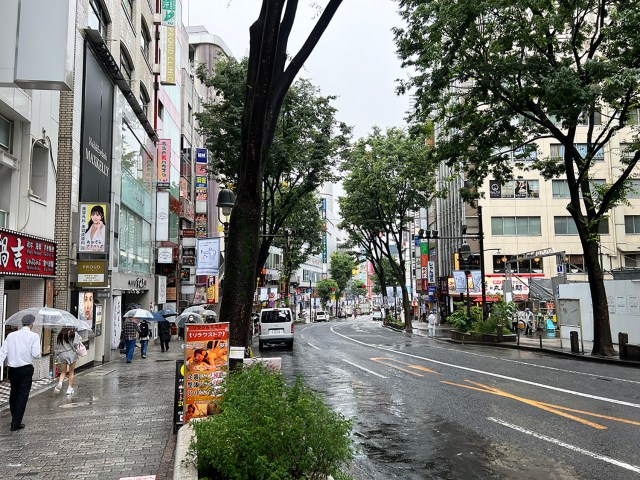
The Dotonbori Theater in Shibuya is a long-standing institution in the world of Japanese adult entertainment. With its retro, lantern-lit signage and an atmosphere that harks back to a grittier era of Tokyo nightlife, the club serves as an enduring curiosity for both elderly locals and international visitors.
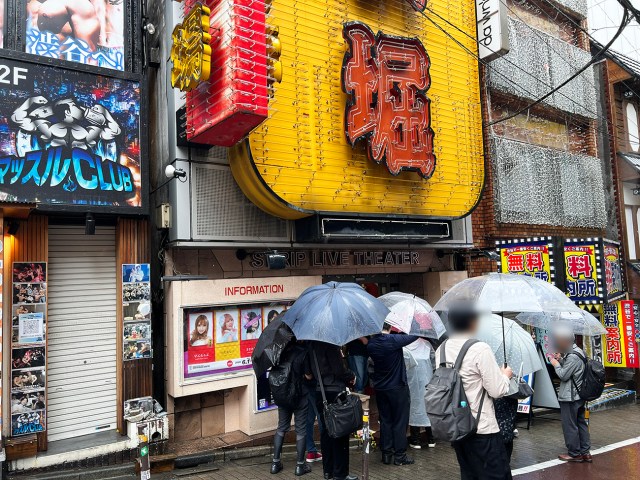
On June 3, while the city shuttered itself against the typhoon, the theater remained a hive of activity. For Nakazawa, the sight of patrons queuing in the rain to enter an establishment dedicated to erotic performance was a jarring reminder of the varied motivations that drive tourism. Whether it is a "bucket list" desire to experience every facet of Japanese culture or simply a need to find indoor shelter that promises a lively distraction, the theater proved that even a tropical storm cannot derail the appetite for adult-oriented nightlife.
The Eternal Sentinel: The Hachiko Statue
If the Dotonbori Theater represented the fringes of curiosity, the second site was a testament to the iconic, almost spiritual power of Japanese landmarks. Just outside the main exit of Shibuya Station, the bronze statue of Hachiko—the Akita dog famed for his unwavering loyalty to his deceased master—drew a steady stream of pilgrims.
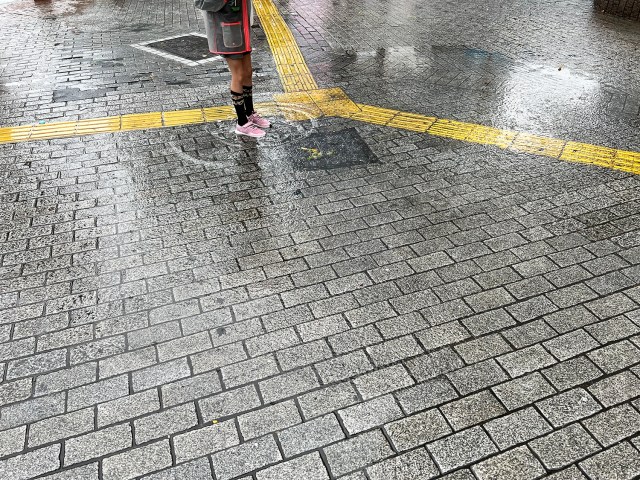
Despite the torrential downpour, the area around the statue was occupied by a persistent line of umbrellas. These were not locals, who are accustomed to ignoring the statue in their daily rush, but international tourists. They stood in the rain, soaked but resolute, waiting for their turn to capture a photograph with the symbol of devotion.
The Significance of the "Once-in-a-Lifetime" Trip
The juxtaposition between the nonchalant local, for whom the statue is merely a meeting point, and the tourist, for whom it is a global landmark, was profound. Nakazawa observed that the joy on the faces of those in the queue was not diminished by the weather.
For these travelers, the visit to Japan represented a significant financial and emotional investment. The realization that they might only ever stand at this spot once in their lives served as a powerful motivator. The typhoon was not an obstacle; it was simply a backdrop to a memory they were determined to create.
Supporting Data: Tourism and Resilience
The phenomenon observed in Shibuya aligns with broader trends in post-pandemic tourism. According to data from the Japan National Tourism Organization (JNTO), the influx of foreign visitors has led to an increased "intensity" in travel habits. Travelers are no longer willing to sacrifice pre-planned days to inclement weather, particularly when their stay is limited to a single week in a major city.
The "resilience factor" in urban tourism is supported by the density of covered infrastructure in cities like Tokyo. The extensive underground malls, department stores, and subway networks allow for a "semi-indoor" experience that mitigates the risks of typhoon-level weather. However, the decision to brave the open-air streets for a specific landmark, like Hachiko, highlights a psychological shift: the desire to "be there" overrides the physical discomfort of the elements.
Official Responses and Safety Protocols
While the enthusiasm of tourists is noted, local authorities remain cautious. The Japan Meteorological Agency (JMA) issued several warnings throughout June 3, advising citizens and tourists alike to avoid non-essential travel during the peak of the storm.
"We recognize that visitors want to maximize their time in Japan," a representative from the Tokyo Metropolitan Government noted in a briefing regarding the storm’s impact on public spaces. "However, the primary concern remains the risk of flying debris, sudden flooding, and the potential for public transit delays. We urge all visitors to monitor official channels and prioritize safety over itinerary completion."
Despite these warnings, the reality on the ground—as evidenced by the Shibuya queue—shows that the allure of a "must-see" location often takes precedence over official guidance.
Implications: The Changing Vibe of Urban Tourism
What does this mean for the future of urban tourism in Japan? The "vibe" that Nakazawa observed in the queue—a sense of shared, rain-soaked camaraderie—suggests that travelers are forming a unique bond with their destinations.
- Emotional Intensity: Extreme weather seems to heighten the emotional stakes of the travel experience. A photo taken in a storm becomes a more significant narrative element than one taken in perfect sunshine.
- The "Bucket List" Pressure: As travel becomes more accessible, the pressure to "check off" landmarks increases, leading to a diminished tolerance for downtime caused by environmental factors.
- The Local Perspective: For residents, these events serve as a mirror. Seeing tourists celebrate a statue they walk past daily forces a re-evaluation of one’s own city. It bridges the gap between the mundane and the magical.
Conclusion: The Magical Charm of Shibuya
As Seiji Nakazawa continued his walk toward his office, the energy of the crowds—the quiet, intense focus of the theater-goers and the exuberant, umbrella-wielding fans of Hachiko—began to affect him. The negativity of the rain, the inconvenience of the wind, and the physical struggle of the commute were washed away by a sudden, contagious appreciation for the city’s resilience.
Shibuya, in the middle of a typhoon, had not lost its luster; it had simply revealed a different facet of its personality. It is a place that thrives on movement and emotion, even when the clouds are at their darkest. For the tourists who braved the storm, it was not just a trip to a landmark; it was an affirmation that no matter the conditions, the journey remains worth it.












No comments yet. Be the first to join the conversation!