Iffa Jayyana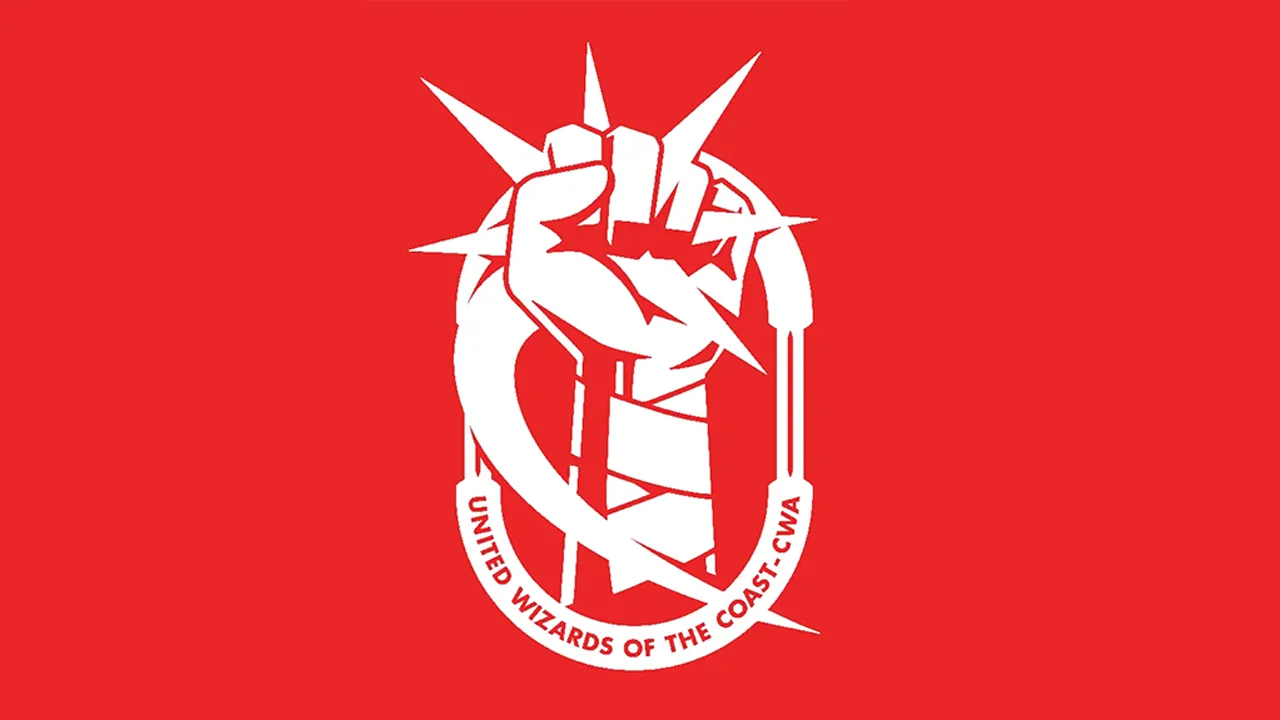
As the video game industry experiences an unprecedented surge in labor organizing, Wizards of the Coast (WotC)—the powerhouse behind Dungeons & Dragons and Magic: The Gathering—has found itself at the center of a high-stakes labor dispute. With a formal union vote scheduled for June 2, management has launched a concerted effort to discourage employees from joining the Communications Workers of America (CWA), setting the stage for a showdown that could reshape the company’s internal culture.
The Core Conflict: Management’s Warning to Staff
In a letter addressed to all employees dated May 14, Wizards of the Coast President John Hight articulated the company’s stance on the burgeoning labor movement within its ranks. The correspondence, which has since circulated publicly, marks a pivotal moment in the studio’s history.
At the heart of management’s argument is the claim that unionization may be counterproductive to the employees’ long-term interests. Hight emphasized that while the decision to unionize is a "personal" one, the company believes that the best path forward involves a direct relationship between leadership and staff.
"We believe your voice is strongest when it is heard directly. Not through a third party," the letter stated. The document further warned that, should employees vote in favor of the CWA, all existing benefits, perks, and compensation structures would effectively be "on the bargaining table."
The implication is clear: management suggests that collective bargaining is a zero-sum game with inherent risks. "That means you could end up with more, the same, or less than you have now," the letter warned, noting that the negotiation process is often "lengthy," citing a national average of 465 days for such proceedings to conclude. By framing unionization as a potential threat to current stability, WotC is employing a classic corporate strategy designed to foster hesitation among the workforce.
Chronology of the Organizing Effort
The tension between WotC management and its staff did not arise in a vacuum. The current push for unionization is the culmination of months of organizing by the UWOTC-CWA (United Wizards of the Coast – Communications Workers of America).
1. Initial Organizing and the Voluntary Recognition Request
Earlier this spring, Magic: The Gathering Arena developers announced their intent to form a union. The group sought voluntary recognition from the company, a standard move aimed at bypassing the lengthy and often contentious National Labor Relations Board (NLRB) election process.
2. The May 1 Deadline
The union set a deadline of May 1 for Hasbro and Wizards of the Coast to voluntarily recognize their union. However, management declined to meet this demand. By refusing to grant voluntary recognition, the company signaled its intent to contest the unionization process, necessitating the upcoming formal election.
3. The May 14 Correspondence
Following the missed deadline, the internal communication from John Hight served to solidify the company’s position. This document, intended to provide "information" to voters, has been widely interpreted by labor advocates as a discouragement tactic, commonly referred to in labor law contexts as "union avoidance."
4. The June 2 Vote
The current timeline points toward the June 2 election date, overseen by the NLRB. This will be a decisive moment for the studio, as employees will cast their ballots to determine if they wish to be represented by the CWA in future contract negotiations.
The Industry Context: A Growing Trend
Wizards of the Coast is not an outlier; it is the latest in a long string of major game studios grappling with labor unrest. The trend began in earnest in 2022 when Raven Software’s quality assurance (QA) team became the first major video game union in the United States. Since then, the momentum has been undeniable.
The wave of unionization has largely been driven by Microsoft subsidiaries following the tech giant’s acquisition of Activision Blizzard. The list of unionized entities now includes:
- Activision Quality Assurance United-CWA
- OneBGS (Bethesda Game Studios)
- World of Warcraft Game Makers Guild
- QA teams at Blizzard (Albany and Austin)
- Activision User Research Union-CWA
- Overwatch Gamemakers Guild-CWA
- Diablo developers
Furthermore, the recent filing by developers at Double Fine Productions—another Microsoft-owned studio—suggests that the appetite for collective bargaining is only growing. The success of these groups in securing contracts and workplace protections provides a blueprint that the UWOTC-CWA is currently following.
Implications for the Future of WotC
The outcome of the June 2 vote will have profound implications for both the employees and the leadership at Wizards of the Coast.
For the Employees
If the union succeeds, the primary goal will be to secure a legally binding collective bargaining agreement. This contract would ideally codify protections regarding wages, working hours, benefits, and workplace conditions. Proponents argue that such a contract provides stability and a seat at the table that a "direct working relationship" cannot guarantee, as individual agreements with management can be altered at the company’s discretion.
For Management
If the union loses, the company will maintain its current "flexibility," as Hight described in his letter. However, this may come at the cost of long-term employee trust. If the union wins, management must pivot from a position of absolute authority to one of negotiation. The process will require them to engage with the CWA on all employment matters, a shift that many traditional corporate entities find challenging.
The "Third Party" Narrative
Management’s insistence that a union represents an unwelcome "third party" is a common trope in labor relations. However, labor organizers maintain that a union is the employees. By framing the CWA as an external entity, management aims to create a wedge between the workforce and the labor organization. The effectiveness of this messaging will be tested when the ballots are counted on June 2.
The Question of "Flexibility" vs. "Rigidity"
A key point of contention is the concept of "flexibility." Wizards of the Coast management argues that their current structure allows for a responsive and flexible workplace. In contrast, they characterize union contracts as "rigid."
Labor experts often interpret "flexibility" as the ability for management to change compensation, benefits, or working conditions unilaterally. For many developers, this "flexibility" is precisely what has led to burnout, layoffs, and stagnant wages. From the employees’ perspective, the "rigidity" of a contract is not a disadvantage, but a feature—it provides the security that allows workers to plan their lives without the looming threat of sudden corporate policy shifts.
Looking Ahead: The June 2 Ballot
As the June 2 deadline approaches, the air at Wizards of the Coast is thick with anticipation. The company has made its position clear: it favors the status quo and fears the consequences of collective bargaining. Meanwhile, the organizers are focused on the promise of democratic control over their working conditions.
The outcome of this vote will be a bellwether for the gaming industry. If a studio as successful and historically stable as Wizards of the Coast can be successfully unionized, it suggests that no segment of the industry is immune to the ongoing push for labor rights. For the employees, it is a choice between the comfort of the current leadership model and the uncertain, yet potentially transformative, path of collective power.
As the industry watches, the question remains: will the workers choose the "direct relationship" championed by John Hight, or will they opt for the collective strength of the CWA? The answer will define the culture of one of the gaming world’s most iconic studios for years to come.

 Azzam Bilal Chamdy
 Nana
Nana