Lina Irawan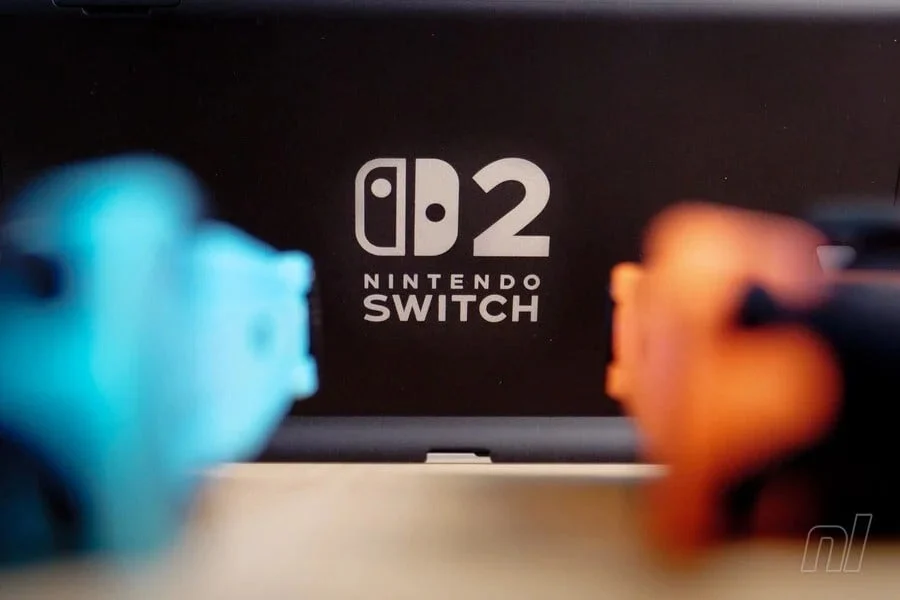
Nintendo is preparing to release a revised version of its upcoming Switch 2 console in the European Union, a move necessitated by new EU regulations that will require consumer electronics to feature easily user-replaceable batteries. The company’s official European website has confirmed these upcoming "future compliant versions," which will be identifiable by unique model numbers and a new ‘OSM’ designation on their packaging.
This significant update signals Nintendo’s proactive approach to adhering to the EU’s evolving environmental and consumer rights directives. The change will come into effect for products sold within the EU from February 18th, 2027. While the primary driver for this revision is regulatory compliance, it raises questions about potential design implications and Nintendo’s broader strategy for the Switch 2 lifecycle.
The Regulatory Landscape: A Push for Sustainability and Consumer Choice
The impetus behind this revision stems from the European Union’s commitment to fostering a more sustainable and consumer-centric electronics market. At the forefront of these efforts is Regulation (EU) 2023/1542 concerning batteries and waste batteries, often referred to as the "Batteries Regulation." This comprehensive legislation aims to mitigate the environmental footprint of batteries throughout their entire lifecycle, from manufacturing and distribution to their eventual disposal and recycling.
Key provisions of the Batteries Regulation include:
- Restrictions on Hazardous Materials: The regulation prohibits the supply of batteries and rechargeable batteries containing certain hazardous metal content, promoting the use of safer and more environmentally benign materials.
- Enhanced Labelling Requirements: Batteries must be clearly labelled to inform consumers about their composition, potential hazards, and proper handling procedures.
- Safe Removal and Recycling: The legislation mandates that batteries can be safely removed from appliances, facilitating their separate collection and ensuring their environmentally sound recovery or disposal. Nintendo has stated its full cooperation with authorized regional institutions to achieve these goals.
- User-Replaceable Batteries: Perhaps the most impactful aspect for consumers and manufacturers alike, the regulation stipulates that from February 18th, 2027, batteries integrated into certain appliances sold within the EU "must be easily replaceable by end-users at any time during the lifetime of the product."
Nintendo’s official statement on its European website explicitly acknowledges these requirements: "In addition, the Regulation requires that from February 18th, 2027, batteries integrated into certain appliances and sold in the EU must be easily replaceable by end-users at any time during the lifetime of the product. Nintendo is implementing measures to comply with these requirements by preparing versions of products to meet the Regulation."
This directive is not merely an administrative hurdle; it represents a fundamental shift in how electronic devices are designed and maintained within the EU. The goal is to extend the lifespan of products, reduce electronic waste, and empower consumers to take a more active role in the upkeep of their devices, thereby fostering a circular economy.

A Chronology of Developments: From Rumors to Confirmation
The journey from initial speculation to official confirmation has been a gradual one, marked by investigative reports and subtle clues.
- March 2026: Initial Reports of a Switch 2 Revision: The first inkling of Nintendo’s plans emerged in March of this year, when Japanese outlet Nikkei reported that the company was developing a revised version of the Switch 2 specifically to align with impending EU regulations. At this stage, the exact nature of the changes remained speculative, but the focus was on battery compliance.
- January 2026: The ‘OSM’ Mystery Code: Prior to the Nikkei report, a less direct clue emerged in January 2026. A "mystery product code" surfaced, sparking rumors of a new Switch 2 model. This code, later revealed to be ‘OSM’, was a key piece of the puzzle that would eventually lead to the current understanding of the revision.
- Present: Official Confirmation and Details: The most recent development, occurring this week, comes directly from Nintendo’s official European website. The company has now formally confirmed the existence of these "future compliant versions" of the Switch 2 for the EU market. The confirmation includes the crucial details about unique model numbers and the ‘OSM’ suffix on packaging, serving as clear identifiers for these regulatory-compliant units.
This timeline illustrates a typical pattern in the tech industry: initial leaks and rumors, often based on internal product codenames or manufacturing details, followed by official pronouncements once products are closer to market or regulatory deadlines loom. Nintendo’s approach, while perhaps not as overtly transparent as some other companies, demonstrates a methodical adaptation to external pressures.
Supporting Data: Understanding the ‘OSM’ Designation
The introduction of the ‘OSM’ code is not arbitrary; it serves as a specific marker for regulatory purposes. The official compliance message from Nintendo provides clarity: "For current products with model numbers starting with ‘BEE’, future compliant versions will have unique model numbers and the additional code ‘OSM’ visible on the packaging, designating them as separate products for regulatory purposes."
This distinction is vital. By assigning unique model numbers and the ‘OSM’ suffix, Nintendo is creating a clear demarcation between its standard Switch 2 models and those specifically designed to meet EU battery regulations. This allows for:
- Traceability: Regulatory bodies can easily identify and track the compliant models within the EU market.
- Inventory Management: Nintendo and its distributors can effectively manage different product SKUs for various regions.
- Consumer Awareness: While the cosmetic differences might be minimal, the packaging will serve as an indicator for consumers and retailers about the product’s compliance status within the EU.
The fact that ‘OSM’ was previously a "mystery product code" underscores how closely Nintendo guards its product development. The revelation that it directly relates to the EU battery regulation provides a concrete explanation for earlier speculation.
Official Responses and Nintendo’s Stance
Nintendo’s official communication on the matter is measured and focused on compliance. The provided statement from their European website is a testament to this approach.

"Nintendo products are fully compliant with these requirements, and Nintendo cooperates fully with authorised regional institutions to facilitate the proper collection and environmentally sound recovery or disposal of its batteries," the statement reads. This highlights Nintendo’s existing commitment to environmental responsibility and regulatory adherence.
Regarding the specific mandate for user-replaceable batteries, Nintendo states, "Nintendo is implementing measures to comply with these requirements by preparing versions of products to meet the Regulation." This indicates a proactive rather than reactive stance, with the company investing in the necessary design and manufacturing adjustments.
The emphasis on "unique model numbers and the additional code ‘OSM’ visible on the packaging, designating them as separate products for regulatory purposes" suggests that Nintendo aims to compartmentalize the regulatory changes, ensuring that these specific versions are clearly identifiable for compliance within the EU.
Implications for the Switch 2 and Beyond
The requirement for user-replaceable batteries in the EU Switch 2 is likely to have several implications, both for the console itself and for Nintendo’s broader product development strategies.
Design and User Experience
The most immediate question is how this mandated user-replaceability will manifest in the Switch 2’s design. While Nintendo hasn’t provided explicit details, there are a few possibilities:
- Simplified Internal Access: The console’s internal design might be modified to allow for easier access to the battery compartment. This could involve fewer screws, more accessible panels, or a less integrated battery assembly. The goal is to enable "end-users" to perform the replacement, implying a process that doesn’t require specialized tools or extensive technical knowledge.
- No Drastic Cosmetic Changes: It’s also possible that the external design will remain largely unchanged, with the modifications being internal. Nintendo has a history of releasing revised hardware that offers internal improvements without significant external alterations. A prime example is the 2019 revision of the original Nintendo Switch, which featured significantly improved battery life and addressed a security vulnerability in its Nvidia chipset, all while maintaining the same outward appearance. This precedent suggests that user-replaceable batteries might be integrated subtly.
- Potential Impact on Durability/Water Resistance: Historically, devices with easily removable batteries have sometimes faced challenges in maintaining the same level of dust and water resistance as their sealed counterparts. Nintendo will need to carefully engineer the new design to balance accessibility with robust build quality.
Market Segmentation and Global Strategy
The ‘OSM’ designation implies that this revision is specifically for the European market. This raises the question of whether other regions will receive the same user-replaceable battery design. It’s possible that Nintendo will adopt a tiered approach:

- EU-Specific Version: A Switch 2 model with user-replaceable batteries for the EU, and potentially other regions with similar upcoming regulations.
- Standard Version: A Switch 2 model for markets without such mandates, which might retain a more integrated battery design.
This approach allows Nintendo to optimize designs for different regulatory environments and potentially reduce manufacturing costs in regions where user-replaceability is not a requirement.
Longevity and Sustainability Messaging
While driven by regulation, the move towards user-replaceable batteries can be framed as a positive step for product longevity and sustainability. Empowering users to replace a worn-out battery can significantly extend the usable life of a console, reducing the need for premature replacement and contributing to a more sustainable consumption model. Nintendo could leverage this in its marketing, positioning the Switch 2 as a more durable and environmentally conscious gaming platform.
Pricing Revisions
It’s also important to note that Nintendo has recently announced price revisions for the Switch 2, set to take effect in the West this September. While not directly related to the battery compliance, these price adjustments indicate Nintendo’s ongoing strategic management of the Switch 2’s market positioning and profitability. It remains to be seen if the cost of implementing the battery revision will influence future pricing in the EU, though the ‘OSM’ designation suggests a separate product line.
In conclusion, Nintendo’s proactive adaptation to the EU’s Batteries Regulation marks a significant development for the upcoming Switch 2. The mandate for user-replaceable batteries, while a regulatory necessity, presents both design challenges and opportunities for Nintendo to enhance the console’s longevity and appeal to an increasingly environmentally conscious consumer base. The ‘OSM’ designation will be a key identifier for these compliant models, ensuring transparency and adherence to the EU’s forward-thinking legislation. As more details emerge, the gaming world will be watching to see how Nintendo integrates this crucial functionality into its next-generation console.



 Sagoh
Sagoh