

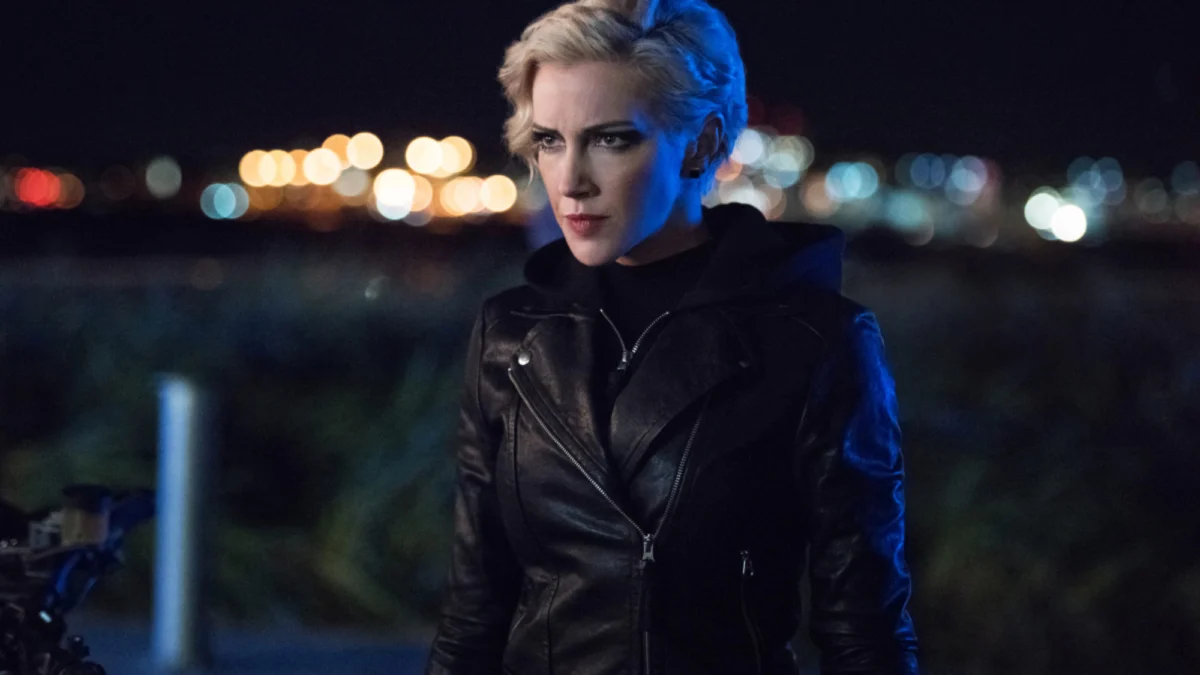
For nearly a decade, Katie Cassidy was the beating heart of the DC television universe on The CW. Across 162 episodes and four interconnected series—Arrow, The Flash, Legends of Tomorrow, and Vixen—Cassidy inhabited the many lives of Laurel Lance, transforming from a disillusioned attorney into the iconic Black Canary. Now, as she steps into the shoes of Sister Lu in the supernatural horror-thriller Speed Demon, Cassidy is reflecting on how the trauma, resilience, and growth of her most famous character helped shape her current career path and her approach to portraying complex, flawed women on screen.
The Foundation: A Legacy Forged in the Arrowverse
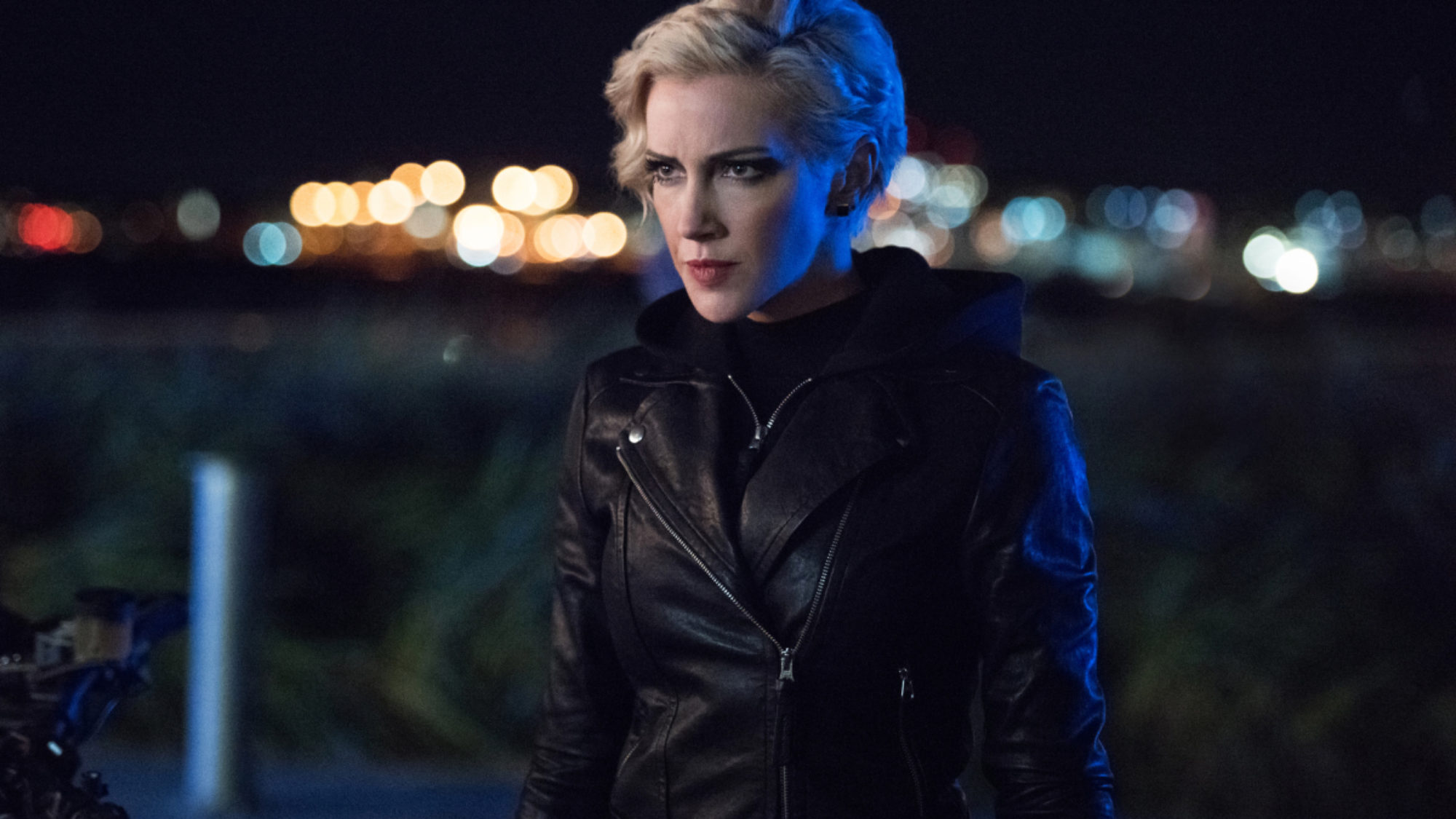
To understand the trajectory of Katie Cassidy’s career, one must first appreciate the magnitude of her contribution to the "Arrowverse." Between 2012 and 2020, Cassidy became a staple of the network, portraying multiple iterations of Laurel Lance, including the Earth-1 Black Canary, the Earth-2 antagonist-turned-antihero Black Siren, and the multiversal enigma Siren X.
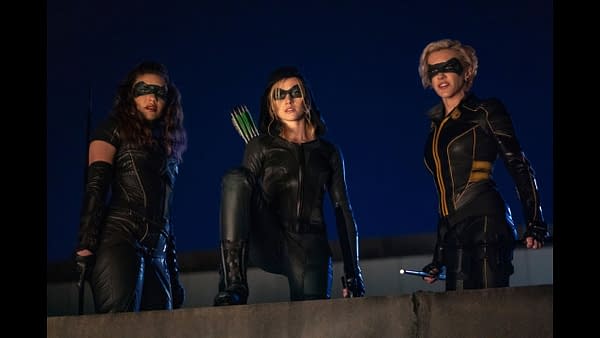
Cassidy’s tenure was marked by a rare consistency of character development that spanned a massive 14-season collective run. While many superhero actors cycle through a role, Cassidy was tasked with maintaining the emotional through-line of a character who faced unimaginable grief, loss, and personal failure. In an exclusive conversation, the actress expressed her profound gratitude for the platform the Arrowverse provided, noting that the depth of the writing allowed her to evolve alongside her character.
Chronology of a Character Arc: The Laurel Lance Journey
The resonance of Laurel Lance with the global fanbase is not accidental. It was a byproduct of a character journey that prioritized human flaws over heroic perfection.
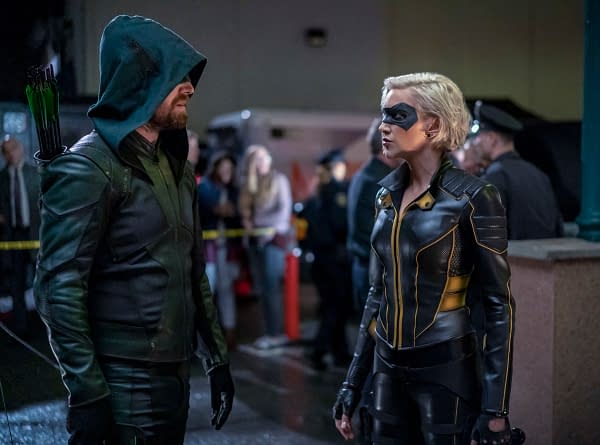
- Season 1: The Idealist: Laurel began her journey as a dedicated pro bono lawyer. Her life was defined by structure, morality, and a clear vision of justice—until the return of Oliver Queen shattered her reality.
- Season 2: The Descent: Following the resurfacing of both Oliver and her sister, Sara Lance, Laurel’s life spiraled. The betrayal of those closest to her, combined with the shock of their "resurrection," pushed her toward self-medication and substance abuse. This period remains a touchstone for many fans, as it portrayed a hero hitting rock bottom in a raw, unflinching manner.
- Season 3: The Ascent: Through a grueling process of self-reflection, Laurel began her path to redemption. It was not a linear trajectory; it was a slow, painful climb that culminated in her stepping into the mantle of the Black Canary.
- The Multiversal Shift: The introduction of Black Siren brought a new, darker edge to the character. As an Earth-2 counterpart, this version of Laurel provided Cassidy with a playground for villainy and redemption, showcasing her versatility as an actress.
Cassidy credits this nuanced writing for the character’s longevity. "People are drawn to real characters," she explained. "They watched her struggle, fall, and eventually harness her power. They saw her put down the bottle and step into her own strength. That process of shedding inner demons is universal, and I think that’s why she remains a ‘badass’ icon."

Supporting Data: The Impact of the Arrowverse
The scale of Cassidy’s work within the DC television landscape is statistically significant. Her presence in 162 episodes across four shows represents one of the most prolific runs in the history of the genre.
| Series | Seasons (Cassidy Appearance) | Primary Role |
|---|---|---|
| Arrow | 1–8 | Laurel Lance / Black Siren |
| The Flash | 2–6 | Black Siren |
| Legends of Tomorrow | 2 | Black Siren |
| Vixen | 1–2 | Black Canary |
Beyond the numbers, the impact is felt in the cultural footprint of the character. Laurel Lance was not just a sidekick or a love interest; she was a foundational pillar of the show’s mythology. Her transition from a civilian lawyer to a vigilante provided a blueprint for other female characters in the genre, balancing physical prowess with deep, often devastating, emotional intelligence.
Official Perspectives: The Evolution to Sister Lu
In her latest project, Speed Demon, Cassidy portrays Sister Lu, a character who, like Laurel, is defined by an ongoing struggle with personal demons and a journey toward sobriety. When asked about the parallels between the two, Cassidy noted that her time in the Arrowverse was the perfect training ground for the emotional intensity required for Speed Demon.

"When I looked at the script for Speed Demon, I immediately saw the connection," Cassidy shared. "There is a specific kind of internal conflict that comes with fighting for one’s own soul, whether it’s a superhero drama or a supernatural thriller. Sister Lu isn’t wearing a mask, but she is fighting a battle that is just as significant. The ‘badass’ legacy I carried from Laurel—the ability to hold space for pain while refusing to be defined by it—was essential for this role."

Critics have already drawn comparisons between Cassidy’s performance and the gritty, supernatural detective work seen in other iconic comic-inspired properties, such as Constantine. By grounding her performance in the reality of the character’s struggles, Cassidy elevates Speed Demon from a standard horror flick into something more character-driven and poignant.
Implications for the Future of Genre Television
Cassidy’s career trajectory serves as a testament to the power of the "character-first" approach to acting. While the spectacle of superhero television can often overshadow the performances, the longevity of Cassidy’s career suggests that audiences are increasingly looking for emotional authenticity, even within the confines of fantasy and horror.
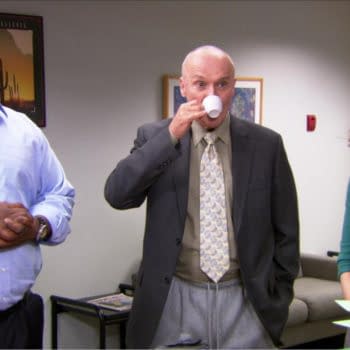
Her success in navigating the jump from the CW’s primetime superhero block to independent feature films alongside heavyweights like William H. Macy indicates a shift in how genre actors are perceived. The stigma of "television actor" has largely evaporated, replaced by an appreciation for the endurance and discipline required to sustain a performance across hundreds of hours of screen time.

Furthermore, Cassidy’s openness regarding her character’s recovery arcs reflects a broader trend in Hollywood: the desire for stories that treat addiction and mental health with gravity rather than as mere plot devices. By consistently choosing roles that explore these themes, she is carving out a niche for herself as a performer who can balance high-concept action with profound, humanizing vulnerability.

Conclusion: A Lasting Legacy
As Speed Demon continues its run in theaters and on-demand platforms, it is clear that Katie Cassidy’s influence on the television landscape is far from over. While the Arrowverse may have concluded, the lessons learned—and the fans gained—during those 162 episodes continue to propel her forward.

Whether she is donning a leather suit to patrol the streets of Starling City or grappling with supernatural entities in a tense, atmospheric thriller, Cassidy remains a powerful force on screen. Her journey from the courtroom of Arrow to the mysterious world of Speed Demon proves that for an actress of her caliber, the most important battles aren’t the ones fought with weapons or powers—they are the ones fought within the heart of the character.
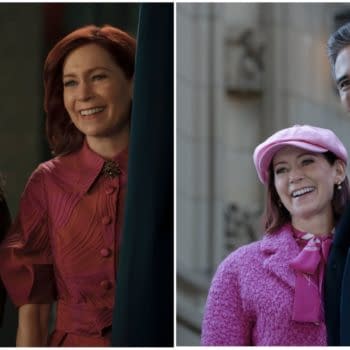
As fans continue to revisit her vast catalogue on streaming platforms like Pluto TV, the legacy of Laurel Lance—a woman who survived her own darkness to become a beacon of strength—serves as a reminder of why we watch these stories in the first place: to see ourselves reflected, to see our struggles validated, and to find the courage to step into our own power.









No comments yet. Be the first to join the conversation!