Jia Lissa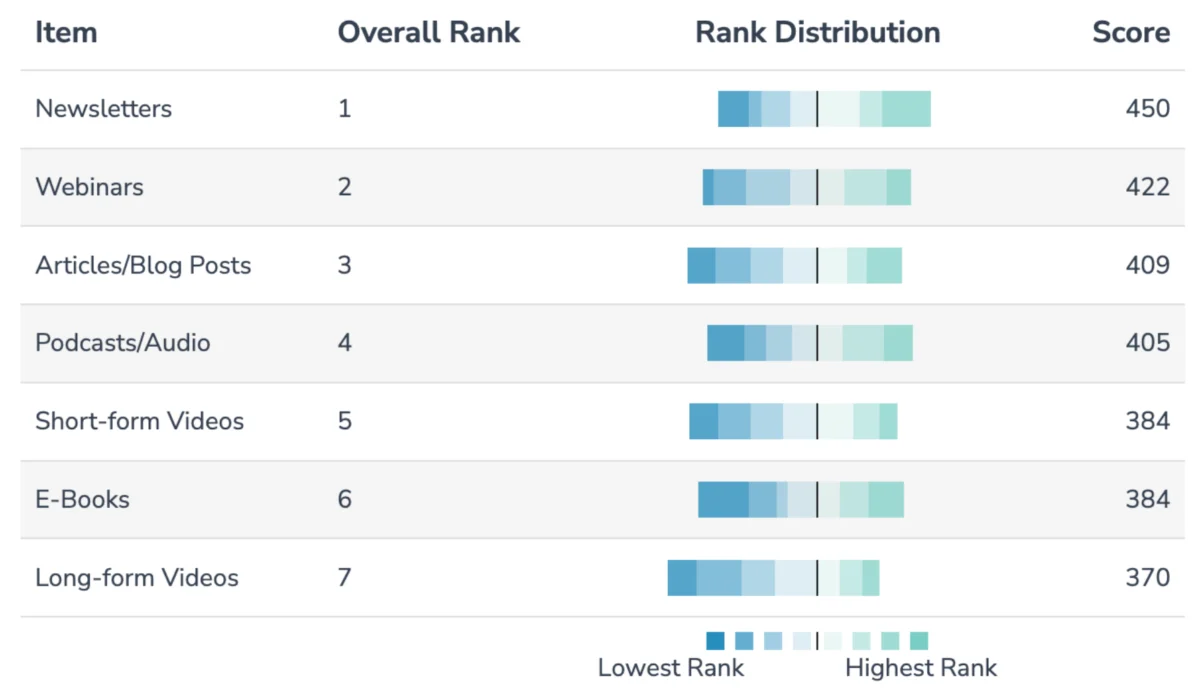
In the modern digital ecosystem, marketing leaders are not suffering from a shortage of content—they are drowning in it. Every day, the average executive’s inbox and social feeds are besieged by an unrelenting deluge of white papers, tactical "how-to" guides, LinkedIn think-pieces, and industry news. For the busy professional, the challenge has shifted from finding information to filtering it.
Recognizing this seismic shift in how industry decision-makers consume information, Convince & Convert (C&C) has announced a major strategic pivot in its owned media efforts. Moving away from its long-standing newsletter, ON, the firm has launched The Trendline—a redesigned, high-value, curated resource specifically engineered to help marketing leaders cut through the noise and synthesize complex industry shifts without the friction of excessive click-throughs.
The Evolution of Audience Consumption
For years, the standard playbook for corporate newsletters was a straightforward aggregation: a list of links, a summary of recent blog posts, and a recap of the latest podcast episodes. While this "broadcast" model served its purpose in the early 2010s, it has reached a point of diminishing returns. As content mediums have matured, the bar for quality has risen, and audiences have grown increasingly impatient with low-value, high-effort content.
According to annual audience research conducted by C&C, the preference for how marketers stay informed has undergone a definitive change. When surveyed, marketing leaders identified the newsletter as their #1 preferred format for receiving industry trends and insights—ranking it higher than short-form video, webinars, blogs, or podcasts.
The data is clear: readers are not looking for more content; they are looking for a perspective. They crave a "smart summary"—a curated digest that doesn’t just report on what happened, but explains what it means and why it matters to their specific business objectives.
A Strategic Shift: Why The Trendline Replaces ON
The transition from ON to The Trendline represents more than a simple branding exercise; it is a fundamental shift in editorial philosophy. The leadership at C&C identified three primary flaws in their previous approach that were hindering audience value:

- Format-Centric Delivery: The old model was organized by content type (e.g., "Our latest blog," "Our latest podcast"). This forced the reader to do the heavy lifting to find the strategic value.
- The "Click-Through" Burden: Relying on readers to click multiple links to understand a core insight created unnecessary friction. Modern readers want the insight in the email, not behind a link.
- Lack of Narrative Lens: The previous iteration functioned as a directory rather than a debrief. The new model acts as a "strategic filter," where every item is presented through the lens of the C&C expert team.
By moving to The Trendline, C&C has committed to a "debrief" format. The objective is to provide professional analysis that helps leaders make better decisions in real-time, effectively saving them the time of conducting their own industry research from scratch.
Breaking Down the Format: How to Add Value Upfront
The structure of The Trendline is intentionally compact. The editorial team has implemented strict guidelines to ensure that even the most complex industry developments are synthesized into digestible, high-impact segments. This format is designed to respect the reader’s time, acknowledging that senior marketing leaders often lack the bandwidth for deep-dive reading sessions during the workday.
The Four Pillars of the New Strategy
To ensure maximum utility, the team at C&C overhauled the newsletter’s layout:
- The Lead Insight: A high-level strategic takeaway that frames the current week’s marketing landscape.
- The Curated Digest: Hand-picked news and analysis that avoids the "link-farm" trap in favor of expert commentary.
- The "Why It Matters" Factor: Each item is accompanied by a specific explanation of the implications for a marketing department’s strategy.
- Interactive Engagement: The "Sound Off" poll at the conclusion of each edition serves as a direct feedback loop, allowing the brand to gather qualitative and quantitative engagement data that transcends traditional, often murky, open and click-through rates.
Implications for Modern Content Strategy
The move to The Trendline provides a roadmap for other organizations struggling to maintain engagement in an attention-starved economy. The core lesson is that in an era where trust is the most valuable commodity, the "more is better" approach is officially obsolete.
Audience-First Design
One of the most important takeaways from this transition is the importance of understanding pain points. When presenting to CMOs or senior stakeholders, the goal is not to demonstrate the volume of your research, but to provide the tools necessary to solve specific problems. As noted by the C&C leadership, if you are presenting 20 charts when the audience only needs the bottom-line insight, you have failed the user experience test.
The Rise of Owned Media
As social media algorithms become more volatile and organic reach continues to decline, owned media channels like newsletters are regaining their status as the most stable bridge between a brand and its audience. A newsletter that consistently delivers value builds a level of trust that social media platforms simply cannot replicate.

By focusing on a newsletter that provides value within the inbox, C&C is betting on the long-term efficacy of direct, high-value communication. They are not merely aiming to keep their audience "informed"; they are aiming to make their audience "smarter."
Key Takeaways for Marketing Leaders
For brands looking to refine their own email marketing strategies, the C&C transition highlights several critical imperatives:
- Audit Your Value Proposition: Stop measuring success by how many links you provide. Start measuring by how much time you save your reader.
- Develop a "Strategic Lens": Your audience can get news from anywhere. They come to you for your specific, informed perspective. Ensure your newsletter isn’t just a news feed, but a distillation of your unique expertise.
- Prioritize In-Email Consumption: Minimize the number of clicks required to derive value. The more "upfront" value you provide, the higher your brand authority will be.
- Leverage Interactive Metrics: Utilize tools like polls and surveys to gather data that is more actionable than standard engagement metrics. Understanding why your audience interacts with specific topics is more important than knowing that they clicked.
Conclusion: The Path Forward
The shift toward The Trendline serves as a case study for the broader marketing industry. It proves that even established, high-performing media brands must be willing to cannibalize their own legacy formats to meet the changing needs of their audience.
In a world saturated with digital noise, the most successful brands will be those that act as curators and filters rather than content factories. As marketers move forward into the remainder of the year, the mandate is clear: deliver less, but make it mean more. By focusing on quality, strategic depth, and user-centric design, brands can transform their newsletters from "junk mail" candidates into indispensable tools for the modern professional.
For those looking to observe this strategy in action, the Trendline serves as a living laboratory for the future of email marketing, proving that when you align your content strategy with the real-world needs of your audience, the results—trust, authority, and sustained engagement—will naturally follow.


 Rifan Muazin
 Siti Muinah