Iffa Jayyana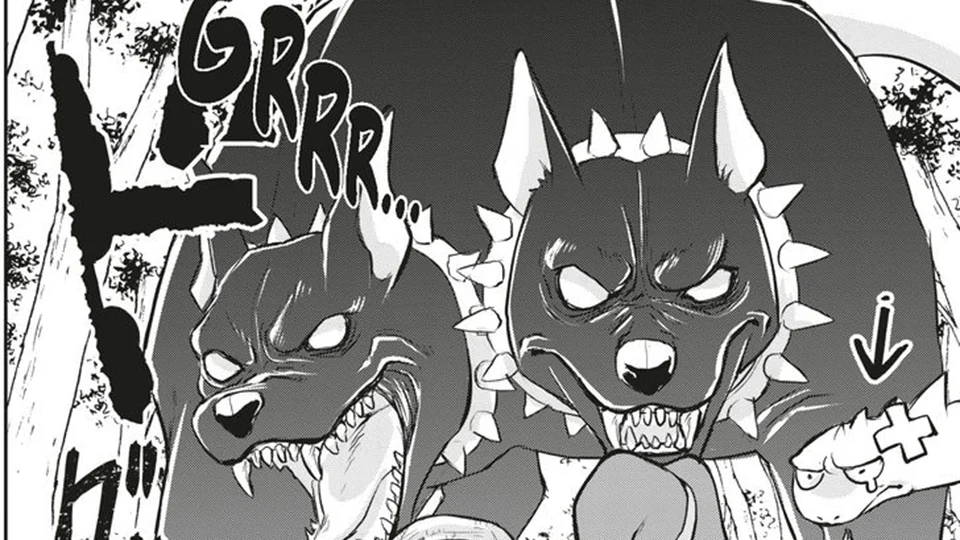
The isekai genre—stories centered on characters transported to parallel, often fantasy-based worlds—has become the definitive juggernaut of modern manga and light novel publishing. From the tactical survival of That Time I Got Reincarnated as a Slime to the gritty deconstruction of The Rising of the Shield Hero, the genre is no stranger to subversion. However, even by these experimental standards, Kasuga Ryo’s Isekai Metaller arrives with a unique, high-decibel energy that promises to redefine the "hero’s journey" through the lens of heavy metal culture.
Published by Titan Manga, the series is set to hit bookshelves on October 14, 2025. It is a refreshing, head-banging departure from the typical "chosen one" narratives, offering a protagonist whose primary weapon isn’t a holy sword, but an electric guitar and a philosophy of radical empathy.
The Core Premise: A Requiem for the Shy
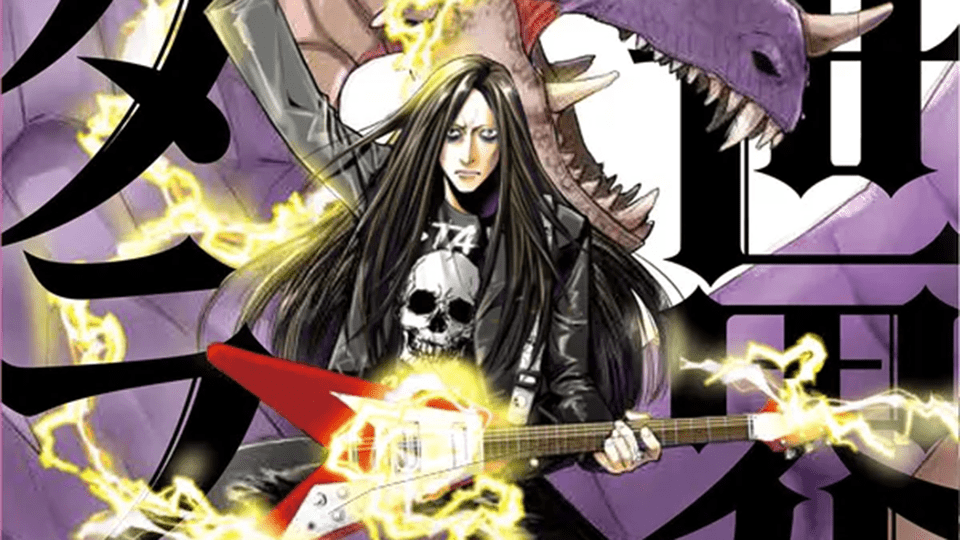
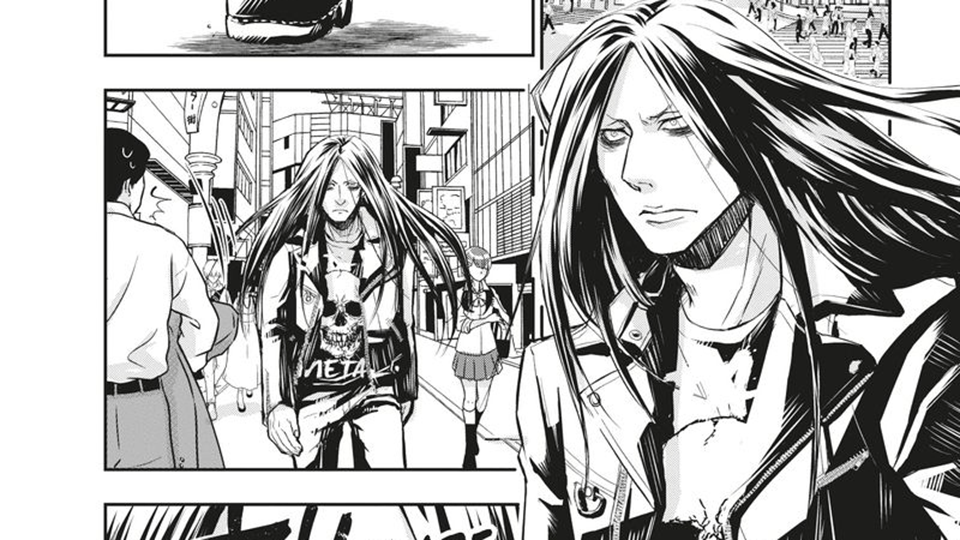
At the heart of the narrative is Alexi, a man whose outward appearance—all spikes, leather, and grim aesthetic—belies a deeply sensitive interior. Before his untimely demise, Alexi was a musician struggling to find his voice. Having spent his youth as a painfully shy individual, he eventually found sanctuary and expression within the thunderous, cathartic roar of heavy metal.
For Alexi, the music was never about aggression; it was about connection. He harbored a sincere, if unfulfilled, dream: to reach the hearts of others through his music, proving that even the most "monstrous" exteriors can house a profoundly compassionate soul. His transition to the afterlife is as fitting as it is ironic. During a climactic performance, Alexi is electrocuted—a death that, in the metal community, might be considered the ultimate stylistic exit.
Chronology: From the Stage to the Sword-and-Sorcery Frontier
The narrative arc of Isekai Metaller follows a distinct structure, balancing the fish-out-of-water comedy of the genre with genuine character growth:
- The Final Chord: The story opens in our world, establishing Alexi’s band struggles and his personal growth. This section provides the necessary emotional stakes, grounding the reader in his motivation.
- The Thunderous Rebirth: Upon waking in the fantasy world, Alexi discovers his transition wasn’t just a change of location. He is granted immense, "lightning-based" powers. Drawing a parallel to tabletop roleplaying games like Dungeons & Dragons, Alexi essentially functions as a high-level Bard who has mastered a destructive, supernatural version of "Thunder Wave."
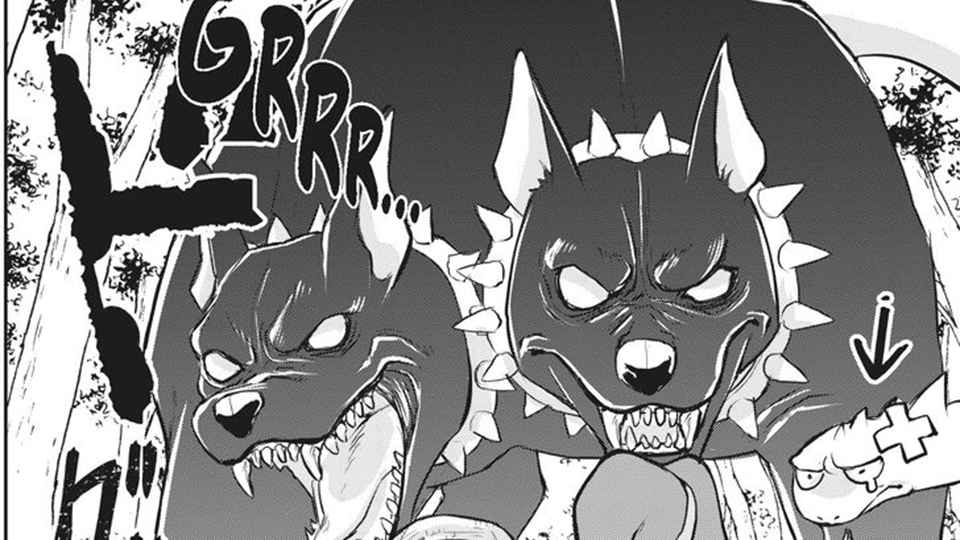
- The Monster Encounter: Unlike typical adventurers who view every creature as experience points or threats, Alexi views the local bestiary through the aesthetic lens of classic metal album covers. His initial interactions with these "beasts" are characterized by curiosity rather than violence.
- The Formation of the Party: Alexi begins to assemble a motley crew of social outcasts, including a mage, a wolfman warrior, and an orphaned thief. This group reflects his own desire to uplift those who are typically marginalized in a world that operates on rigid, ruthless power dynamics.
- The Conflict of Values: The overarching goal shifts from simply surviving to reforming the world’s power structure, which treats "lower-level" fighters as expendable cannon fodder.
Supporting Data: Why "Metal" Works in Fantasy
To understand why Isekai Metaller is resonating with early reviewers, one must look at the intersection of music culture and fantasy tropes. In traditional fantasy literature, the "bard" is often relegated to a support role—a comedic relief character who buffs the party but rarely drives the plot.
By centering the narrative on a "Metaller," Kasuga Ryo utilizes the inherent theatricality of the genre. The imagery of a Flying V guitar combined with lightning magic provides a visual spectacle that differentiates the series from the endless sea of "swords and shields" manga currently flooding the market.
Furthermore, the "Level 999" power cap serves as a narrative device that allows Alexi to act as a mentor and protector rather than a character who needs to spend the first five volumes "grinding" for experience. This shift allows the writer to focus on the socio-political implications of his presence in this world. By challenging the status quo—where the strong exploit the weak—the series transforms from a simple power fantasy into a critique of hierarchical systems.

Official Commentary and Artistic Intent
In recent discussions regarding the localization of the title, Titan Manga editors have emphasized that Isekai Metaller is as much about the "heart" as it is about the "head-banging." The central conflict is not just between good and evil, but between the rigid, traditional expectations of fantasy heroes and the authentic expression of the self.
"The series isn’t about imposing one’s will on a world," notes a promotional brief from the publisher. "It is about finding common ground through shared passion."
This is most evident in the introduction of the "Glam Rocker" antagonist. Rather than engaging in a standard "hero vs. villain" duel, the narrative creates a space for a musical dialogue. This encounter serves as a meta-commentary on the genre of music itself, with Alexi arguing that the genre doesn’t define the listener; the connection to the music does. Whether it is thrash, death metal, or glam rock, the value of the art lies in whether it allows the individual to get in touch with their "inner voice."
Implications: The Future of the "Isekai" Genre
The success or failure of Isekai Metaller will likely serve as a litmus test for the industry. Readers are becoming increasingly weary of "cookie-cutter" reincarnation stories. By injecting a niche, vibrant subculture into the fantasy setting, the manga provides a blueprint for how to keep the genre fresh.
Thematic Depth
The most compelling implication of this series is its stance on "monstrosity." By characterizing the demons and monsters of this world not as mindless enemies, but as potential subjects for musical connection, the story subverts the "genocide of the other" trope often found in isekai. The ultimate goal—to "jam" with the Demon King—represents a radical departure from the standard "slay the big bad" ending. It suggests that communication, rather than violence, is the ultimate form of resolution.
The Power of Representation
Alexi’s arc as a shy boy who uses music to overcome social anxiety is a powerful, relatable hook for the target demographic. In an era where many readers turn to fantasy to escape the pressures of reality, seeing a character who uses his passions to navigate social hierarchies provides a sense of agency that is often missing in more cynical stories.
Final Verdict
Isekai Metaller is a loud, bold, and surprisingly tender addition to the fantasy landscape. It manages to balance the high-octane spectacle of lightning-fueled guitar solos with a surprisingly nuanced message about the importance of being heard.
For fans of the genre who feel that the current wave of "reincarnation stories" has become too repetitive, this series offers a much-needed shot of adrenaline. It doesn’t just ask us to look at a new world; it asks us to listen to it.
Whether you are a lifelong metalhead or just a casual fan of fantasy adventure, Isekai Metaller Volume 1 is poised to be one of the most talked-about releases of the season. As Alexi continues his quest to turn the fantasy world into his personal concert hall, readers can expect a series that is as much about the beauty of the human spirit as it is about the power of the riff.
Mark your calendars for October 14, 2025, when the first volume hits the shelves. The stage is set, the amp is plugged in, and the performance is about to begin.


 Neng Nana
 Asro
Asro