Jia Lissa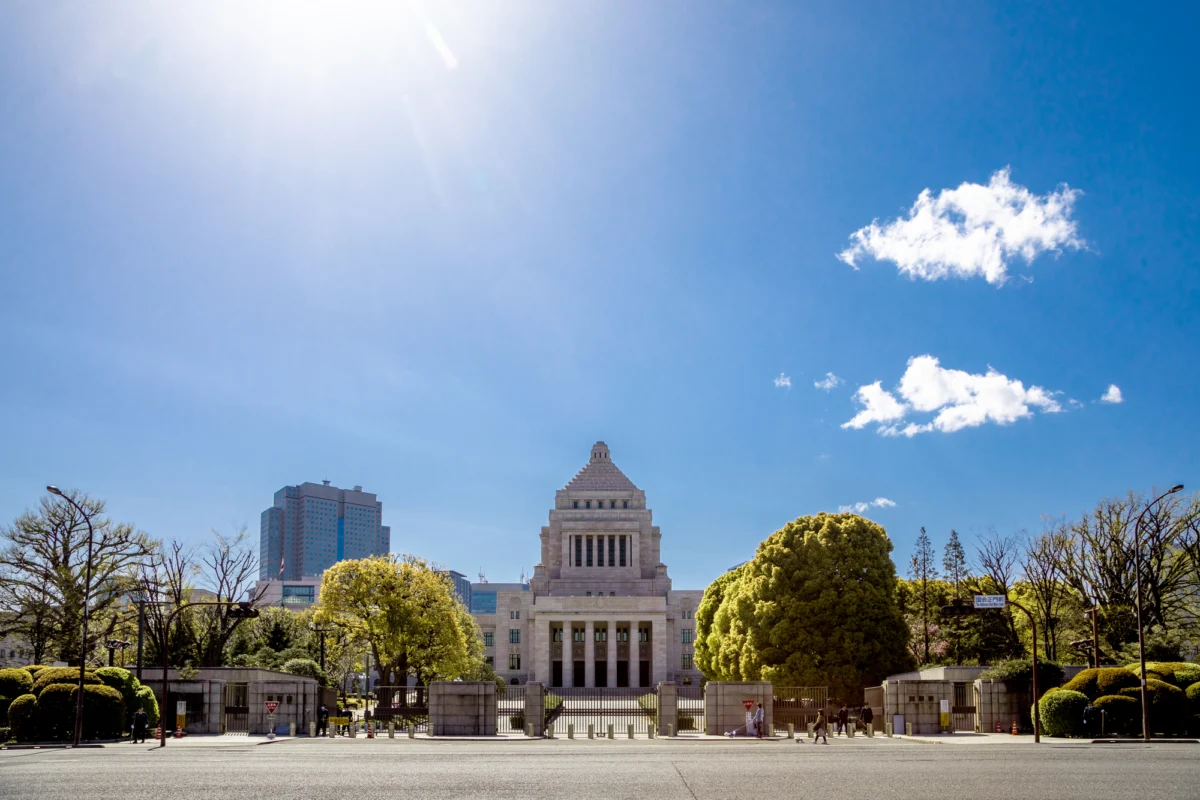
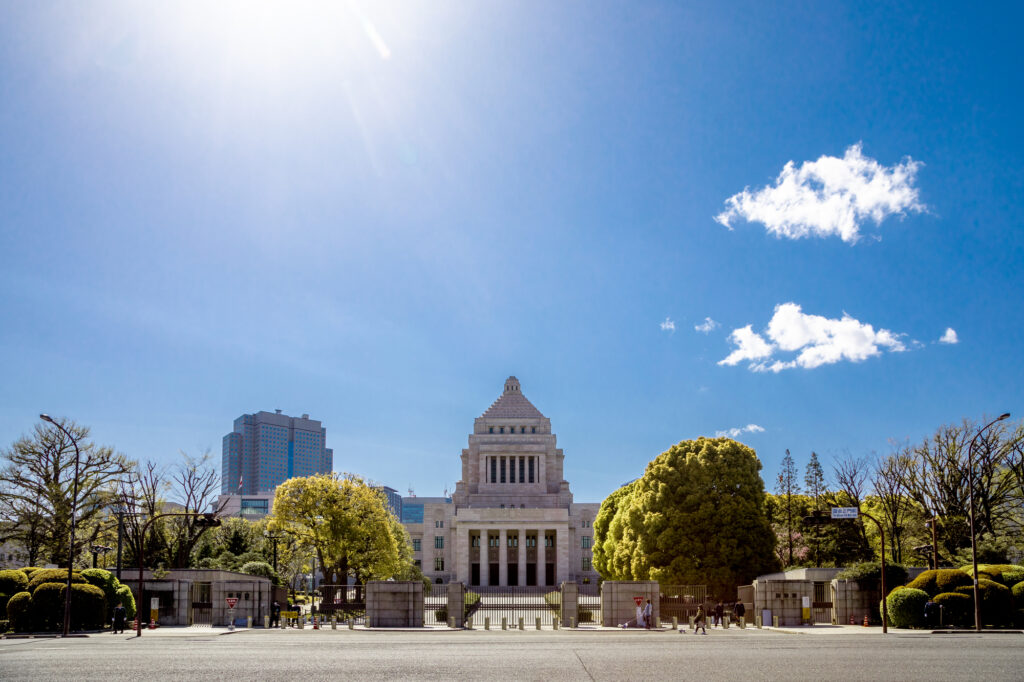
TOKYO — The air outside the National Diet in Tokyo was thick with tension and resolve this past Sunday as approximately 650 demonstrators gathered to deliver a singular, piercing message: “No to Hate, No to Discrimination.”
Organized by the "NO to Hate! National Campaign"—a diverse coalition of 11 organizations advocating for the rights of migrants, refugees, and minority communities—the protest served as the culmination of a nationwide movement launched in February. The participants, ranging from labor union representatives to community advocates and foreign residents themselves, marched against a tide of tightening immigration measures and what they describe as a dangerous, state-sanctioned climate of xenophobia.
The Catalyst: A Shift in Political Rhetoric
The rally was not an isolated event but a direct response to a political landscape that has undergone a radical transformation over the last 18 months. Since the 2025 Upper House election, the discourse surrounding foreign residents has shifted from bureaucratic management to contentious identity politics.
During the 2025 campaign, political entities such as the far-right party Sanseito gained traction by campaigning under the banner of "Japan First." This rhetoric, which frequently characterizes immigration as an existential threat to national cohesion, has bled from the fringes of the internet into the mainstream political arena. Critics argue that this normalization of anti-foreigner sentiment has emboldened nationalist groups and created a palpable sense of fear among Japan’s roughly three million foreign residents.
On June 18, the coalition took a major step in their campaign, submitting a petition signed by approximately 140,000 citizens to members of the Diet. The petition explicitly calls for robust legislative protections against discrimination, demanding that the government codify the rights of all residents regardless of nationality or ethnicity.
Chronology of Escalating Tensions
The current crisis of confidence between the migrant community and the Japanese government is rooted in a series of policy shifts that began in earnest during the latter half of 2025:
- July 2025: The Upper House election serves as a flashpoint, where immigration becomes a primary wedge issue, with various parties proposing stricter controls on foreign land ownership and visa renewals.
- October 2025: The government drastically increases the capital requirements for the "Business Manager" visa, jumping sixfold from ¥5 million to ¥30 million.
- February 2026: The "NO to Hate! National Campaign" is launched in response to increasing reports of harassment and the political scapegoating of foreigners.
- March 2026: The Japan Federation of Bar Associations (Nichibenren) issues a formal statement criticizing the proposed fee hikes, warning of the potential for increased irregular residency.
- May 29, 2026: Parliament approves a major revision to the Immigration Control and Refugee Recognition Act, authorizing significant fee hikes for residency procedures.
- June 21, 2026: The protest at the National Diet takes place, uniting hundreds in a call for policy reversal.
The Economic and Legal Barrier: Fee Hikes and Capital Requirements
The legislative centerpiece of the protesters’ frustration is the revision to the Immigration Control and Refugee Recognition Act. While the exact final figures are pending Cabinet order, the proposed fee increases—ranging from ¥10,000 to ¥70,000 for standard renewals and up to ¥200,000 for permanent residency applications—have been labeled by activists as a "poverty tax" on the foreign community.
The economic impact is perhaps most visible in the business sector. The October 2025 increase in capital requirements for the Business Manager visa has effectively priced out small-scale immigrant entrepreneurs. Reports indicate that many long-standing "ethnic" restaurants in Tokyo, which have contributed to the cultural and economic vitality of their neighborhoods for years, are now facing closure. Advocacy groups estimate that up to 90% of such businesses could be forced to shutter if the current requirements remain in place, as they are unable to raise the ¥30 million threshold.
Impact on Vulnerable Populations
The Japan Association for Refugees (JAR) has been at the forefront of the opposition, noting that the fee structures are particularly punitive for asylum seekers. Under Japan’s current "Designated Activities" visa system, applicants are often stuck in a cycle of short-term, three-month renewals.
"For a family of four, the cumulative cost of these frequent renewals can reach nearly ¥100,000 in a matter of months," says a representative from a migrant support group. "These are people who are often legally barred from working while their applications are pending. The government is essentially creating a financial barrier to basic human rights."
Official Stance vs. Grassroots Reality
The Japanese government maintains that these measures are purely administrative. Officials argue that the fee increases are necessary to cover the rising operational costs of the Immigration Services Agency and to streamline management in an era of demographic decline.
However, this justification is flatly rejected by the protesters. "The government frames this as ‘management,’" one speaker noted at the rally. "But when you combine these fees with language proficiency requirements and stricter permanent residency rules, it is clear the goal is not management—it is exclusion."
The Japan Federation of Bar Associations has echoed these sentiments, questioning the timing of these policies. Japan faces chronic labor shortages in critical sectors such as nursing, agriculture, and construction. By creating a hostile environment for foreign workers, the government risks exacerbating the very labor crises it claims to be addressing.
The Human Cost: Voices from the Frontlines
The demonstration provided a platform for those whose lives are directly impacted by the political climate. Miguel, a 58-year-old Brazilian who has lived in Tokyo for decades, expressed the exhaustion felt by many in the community: "We are coworkers, we are neighbors, we are parents. When they talk about ‘foreigners’ as a social problem, they are talking about us. We aren’t criminals; we are just trying to live our lives."
Nui Tatsuo, representing a group that supports the Kurdish community in Saitama, highlighted the psychological impact of the current rhetoric, particularly on children. "Every election season, we see candidates using xenophobic rhetoric to win votes. It creates a climate where children are afraid to walk to school or use the train station. This isn’t just about politics—it’s about the safety and dignity of people living in our neighborhoods."
Implications for Japan’s Future
The protest at the Diet underscores a fundamental disagreement over what kind of country Japan intends to be. As the nation faces a shrinking population and a desperate need for labor, the government is caught between the necessity of integrating foreign workers and the political pressure from nationalist factions to maintain a closed-border ethos.
The organizers of Sunday’s rally believe that the path forward cannot be paved with exclusion. By emphasizing the role of foreign residents as essential members of the workforce and community, they are attempting to reshape the narrative. The 140,000 signatures submitted to the Diet represent a significant portion of the population that rejects the "Japan First" ideology in favor of a multicultural, cohesive society.
As of now, the government has given no indication that it intends to pause or reconsider the planned fee hikes or visa restrictions. However, the energy displayed at the Diet suggests that the coalition is not planning to back down. With demographic pressures mounting and the next electoral cycle always on the horizon, the battle over Japan’s identity—whether it will be a nation of guarded walls or open gates—is only just beginning.
For the participants of the "NO to Hate" movement, the message remains clear: the future of Japan is not found in the rhetoric of the past, but in the reality of the neighbors who work, live, and contribute to the nation every day. Whether the government chooses to listen, or continues down the path of tightening control, will define Japan’s social and economic trajectory for decades to come.


 Neng Nana
 Asro
Asro