Basiran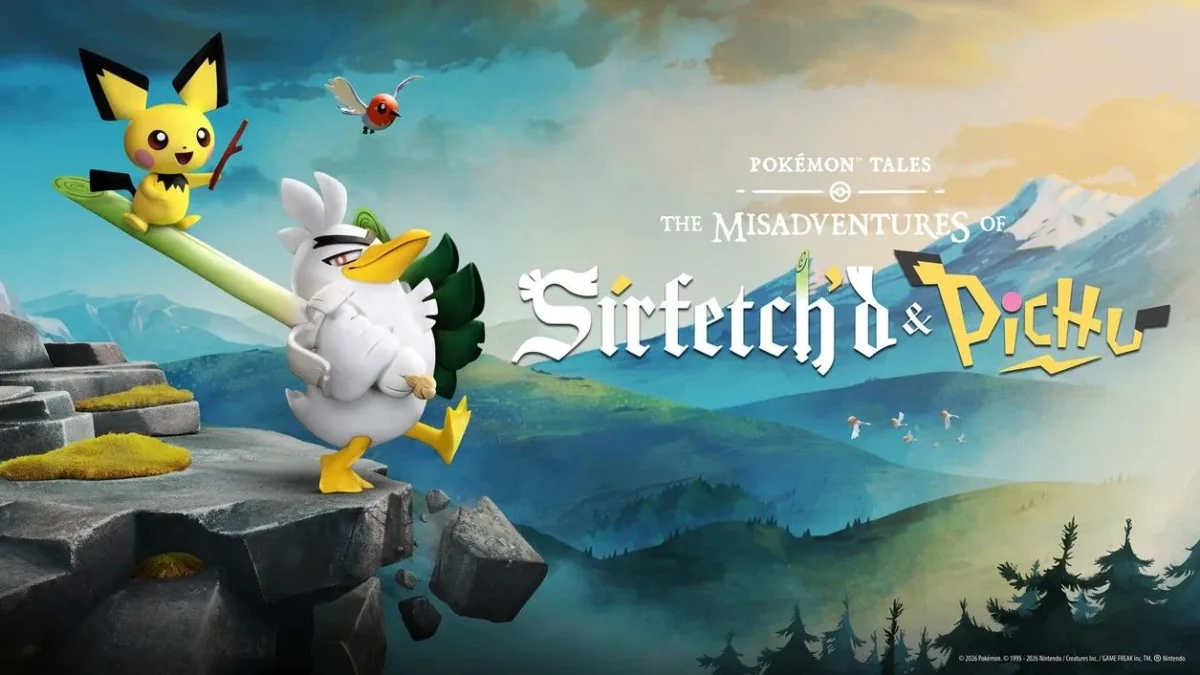
In an era defined by the relentless march of generative AI and the quest for infinite digital scalability, the world’s most successful media franchise has made an uncharacteristically deliberate choice. The Pokémon Company—a brand that commands a multi-billion-dollar empire built on digital creatures—has turned its gaze toward the thumb-pressed, physical world of stop-motion animation. By partnering with Aardman, the legendary British studio behind Wallace & Gromit and Shaun the Sheep, Pokémon is not just creating a new series; it is making a profound statement about the future of creativity.
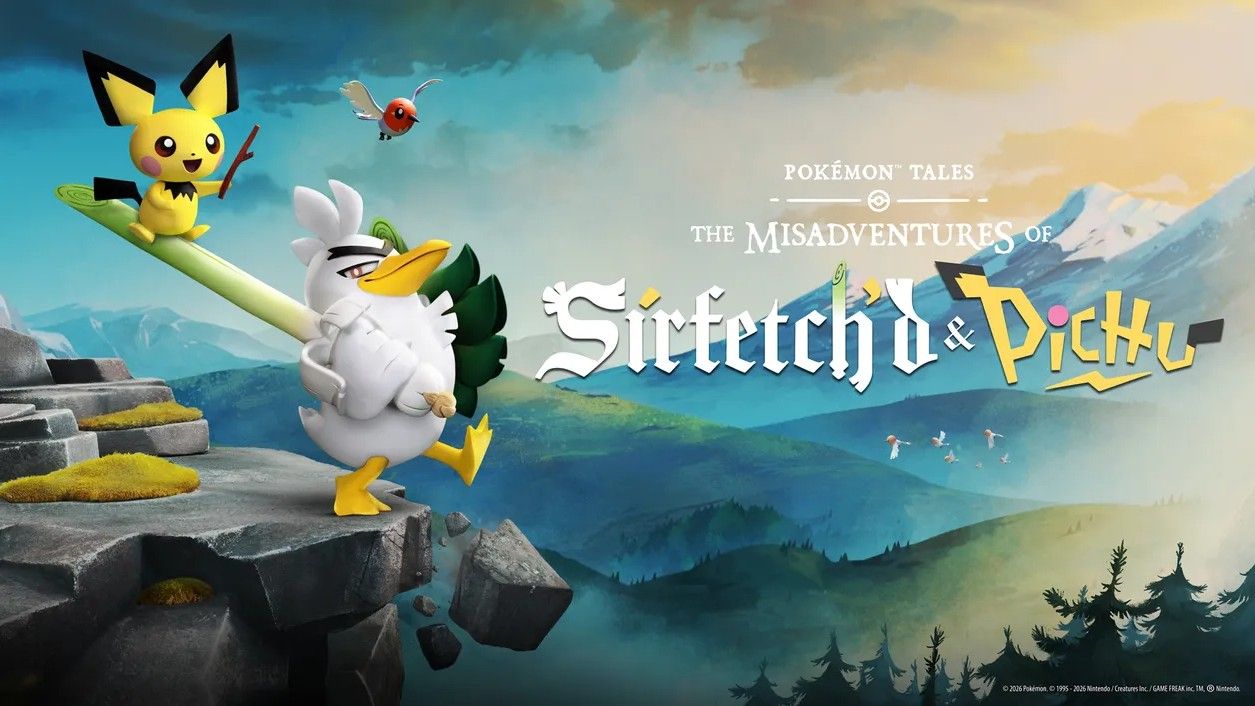
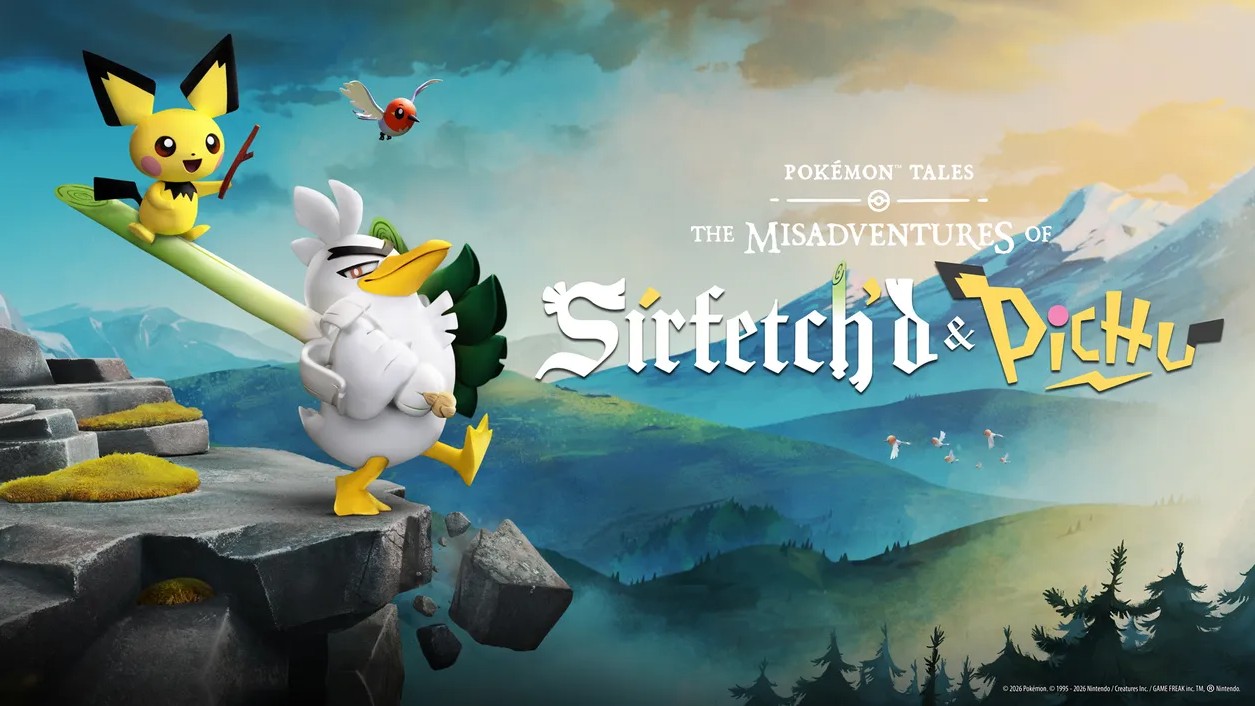
Revealed at the Annecy International Animation Film Festival, Pokémon Tales: The Misadventures of Sirfetch’d & Pichu is slated for a 2027 release. While the industry scrambles to integrate automated workflows, this project stands as a bastion of traditional artistry, reminding us that in a world of endless generated content, the human touch is the ultimate luxury.
The Core Revelation: A Partnership of Two Giants
The announcement confirms that the Galar region—the setting of the Pokémon Sword and Shield games—will be brought to life through the meticulous, frame-by-frame process of stop-motion animation. The teaser, which captures Sirfetch’d navigating a rocky, mountainous terrain with a Pichu tucked safely on its massive leek lance, feels less like a corporate product and more like a high-end storybook brought to life.
This is not a project born of cost-cutting or efficiency. Aardman is notoriously methodical, a studio that requires months of labor to produce mere minutes of finished film. For The Pokémon Company, a brand that could easily commission high-gloss, low-cost CGI from anywhere in the world, the choice to collaborate with Aardman represents a pivot toward "slow content"—a deliberate rejection of the "faster is better" mantra currently dominating the creative landscape.
A Chronology of the Project’s Vision
The journey to this announcement has been marked by a shift in how major franchises view their legacy.
- Early 2024: Internal discussions between The Pokémon Company and Aardman begin, focusing on how to translate the "vivid physicality" of the Pokémon world into a tactile medium.
- Mid-2025: Initial concept art and physical model prototypes are developed, testing how the Galar region’s aesthetic translates into clay and felt.
- June 2027 (Projected): Pokémon Tales is scheduled to debut, marking the first time the franchise has leaned this heavily into traditional, non-digital stop-motion animation.
- The Development Philosophy: Unlike traditional animation, where a single digital asset can be reused infinitely, the Aardman process requires the physical fabrication of each character for every scene. This creates a "vivid physicality" that digital models, no matter how high-resolution, struggle to replicate.
Supporting Data: The Value of Human Labor
In the current creative economy, the distinction between "generated" and "crafted" is becoming the primary metric of value. AI-generated imagery, while impressive in its speed, often lacks the "imperfections" that define human creation—the slight variations in texture, the microscopic shifts in lighting, and the intentionality of a sculptor’s thumbprint.
Recent industry trends show that while AI tools have saturated the market with "average" creative output, consumer demand for authentic, high-quality, and labor-intensive media is surging. By choosing stop-motion, The Pokémon Company is betting that its audience—a massive, global demographic—will value the tangible warmth of a hand-crafted production over the sterile polish of algorithmic generation. This is a strategic move to preserve brand equity: by associating Pokémon with the prestige of Aardman, the franchise elevates its artistic credibility, separating itself from the flood of AI-generated fan art and low-effort digital content.
Official Perspectives: The Philosophy of Warmth
The collaboration has been met with enthusiasm from both parties, as leadership highlights the importance of the human element in animation.
Sarah Cox, Aardman’s chief creative director, spoke at Annecy regarding the "hand-crafted spin" the team is applying to the project. She emphasized that stop-motion is not just a technique; it is a philosophy of storytelling. "By bringing the vivid physicality of stop frame animation into the Pokémon world, we are celebrating the quirks and eccentricities of these characters," Cox noted.
Phil Rynda, the director of original animation at The Pokémon Company, echoed this sentiment, highlighting the "warmth" inherent in the production. "Every brilliantly crafted frame contains a soul that is hard to manufacture through other means," Rynda stated. This focus on "warmth" serves as a direct critique of the "cold" efficiency of modern digital production pipelines. It suggests that the brand is consciously moving away from the "slicker, faster, cheaper" model of entertainment in favor of something that feels permanent and cherished.
Implications: The Future of the Creative Industries
The significance of Pokémon Tales extends far beyond the fanbase. It serves as a bellwether for the creative industry at large.
1. The Premium on Human Skill
When the biggest media franchise in the world chooses to pay a premium for human expertise, it sends a signal to creative professionals: the "decade of accumulated skill" is still the most valuable asset in the room. As AI continues to commoditize entry-level creative tasks, companies are realizing that the "top tier" of work—work that captures the public imagination—requires the nuance that only human experience can provide.
2. Tactile Honesty as a Marketing Tool
Aardman’s success has always been rooted in its "tactile honesty." Whether it is the visible thumbprints on a clay character or the slight jitter of a puppet’s movement, the audience recognizes the labor behind the art. In an era where audiences are increasingly savvy at distinguishing between something "made" and something "generated," this honesty acts as a trust-builder. Pokémon is effectively telling its audience: "We respect your time and your love for this brand enough to build something real for you."
3. The Rejection of "Content" in Favor of "Craft"
We are currently living in an age of "content"—a term that implies a commodity meant to be consumed and discarded. By investing in a slow-burn, artisanal project, The Pokémon Company is distancing itself from the "content" label. They are opting for "craft." This distinction is critical; while content is meant to fill space in an algorithm, craft is meant to occupy a place in culture.
Conclusion: A Masterclass in Brand Longevity
The partnership between The Pokémon Company and Aardman is a masterclass in how to manage a long-term brand. Rather than attempting to stay "current" by jumping on every fleeting technological trend, the franchise is doubling down on its own identity.
The choice to use stop-motion is a bold, artistic, and ultimately defiant act. It proves that even in a world obsessed with the new, the fast, and the digital, there is still an undeniable, magnetic power in the handmade. As we look toward 2027, Pokémon Tales will likely stand not just as a piece of animation, but as a reminder that the most sophisticated technology we possess remains the human hand, guided by the human eye.
In a world where everything can be prompted, Pokémon has chosen to be crafted. For that, the creative industries should take note: the future of high-value media may not be found in the cloud, but in the clay.

 Asep Darmawan
 Nana
Nana