Nila Kartika Wati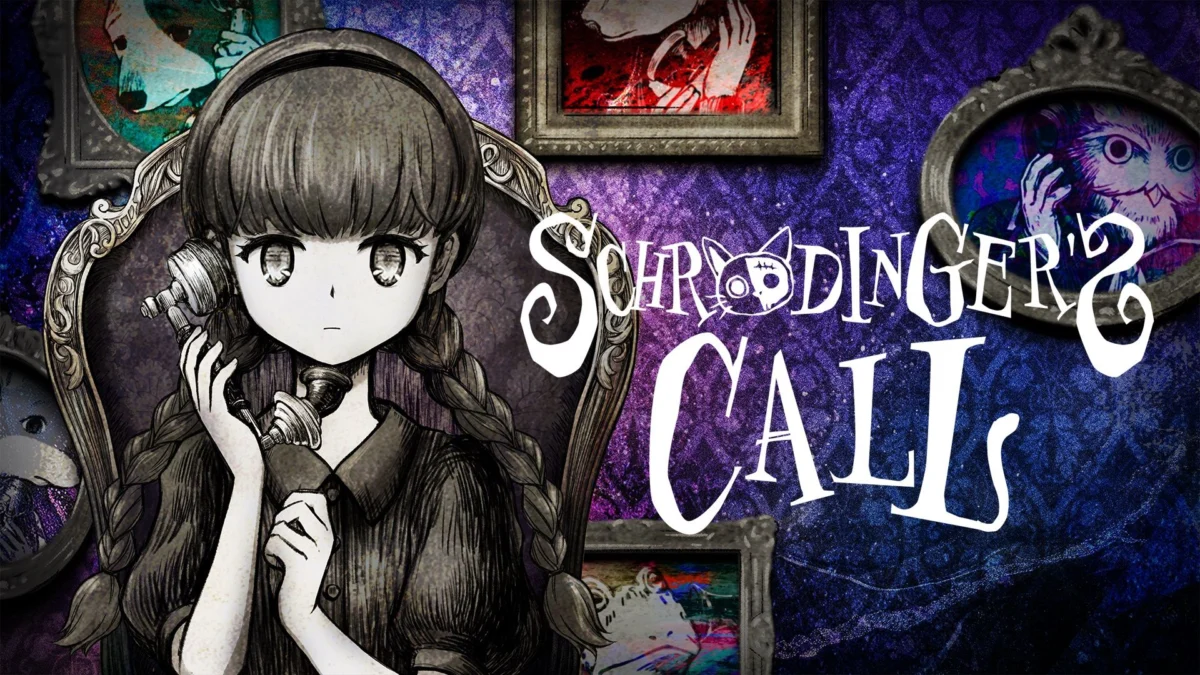
In the landscape of 2026’s indie gaming scene, few titles have managed to capture the ephemeral, melancholic beauty of human existence quite like Schrödinger’s Call. Developed by Acrobatic Chirimenjako and published by Shueisha Games, this visual novel arrives as a poignant meditation on the nature of reality, memory, and the inevitable finality of the human experience. It is a game that challenges the player not through reflex-based combat or complex puzzles, but through the heavy, existential burden of being the final listener in a world that has already ceased to be.
Main Facts: The Premise of the Last Confidant
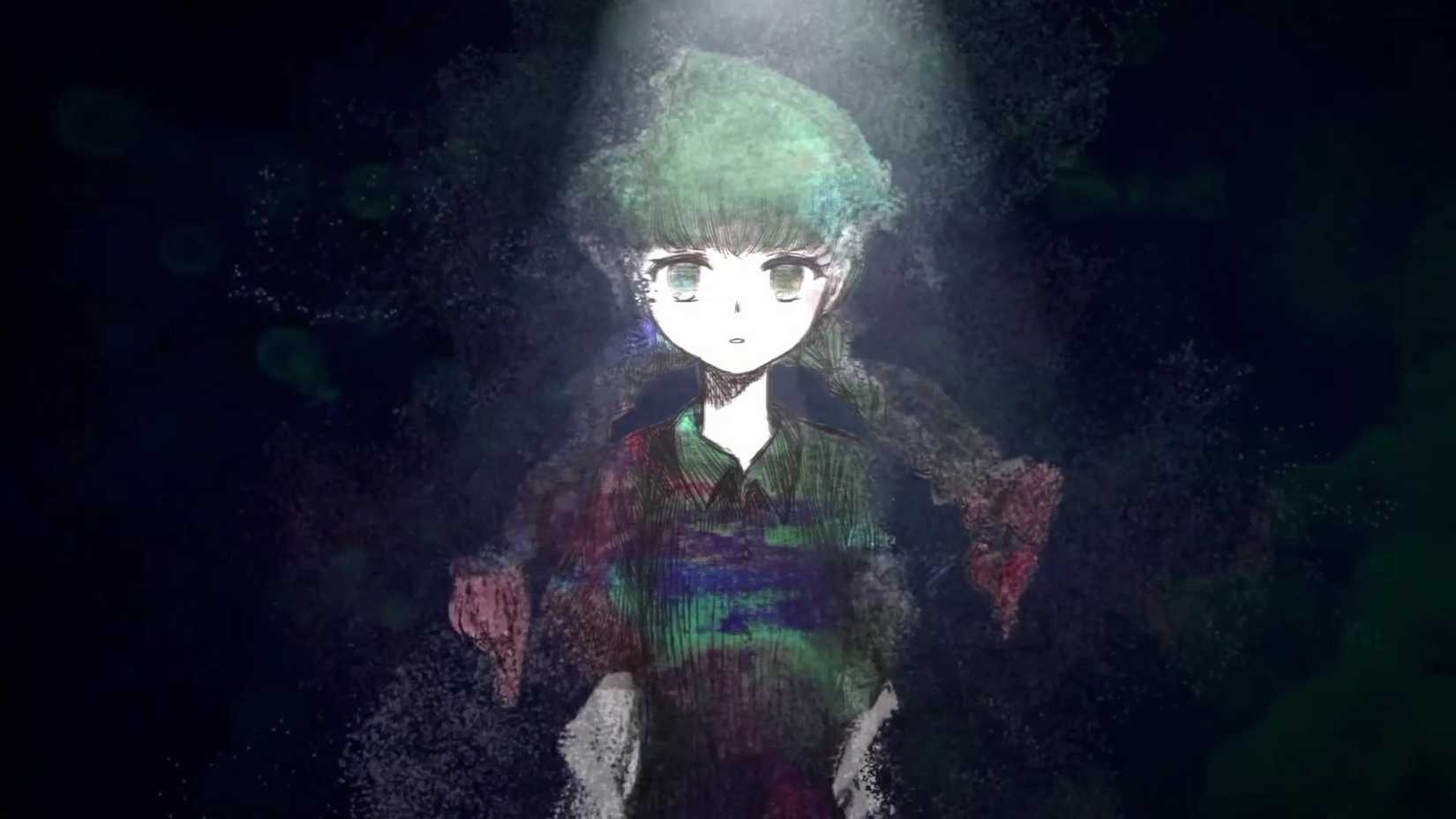
Schrödinger’s Call places the player in the shoes of Mary, an amnesiac protagonist trapped in a sterile, windowless room. Her only companions are a table, a chair, and a cat named Toby Notoby Hamlet—a moniker that serves as a constant, literary reminder of the game’s core philosophical inquiry: “To be, or not to be.”
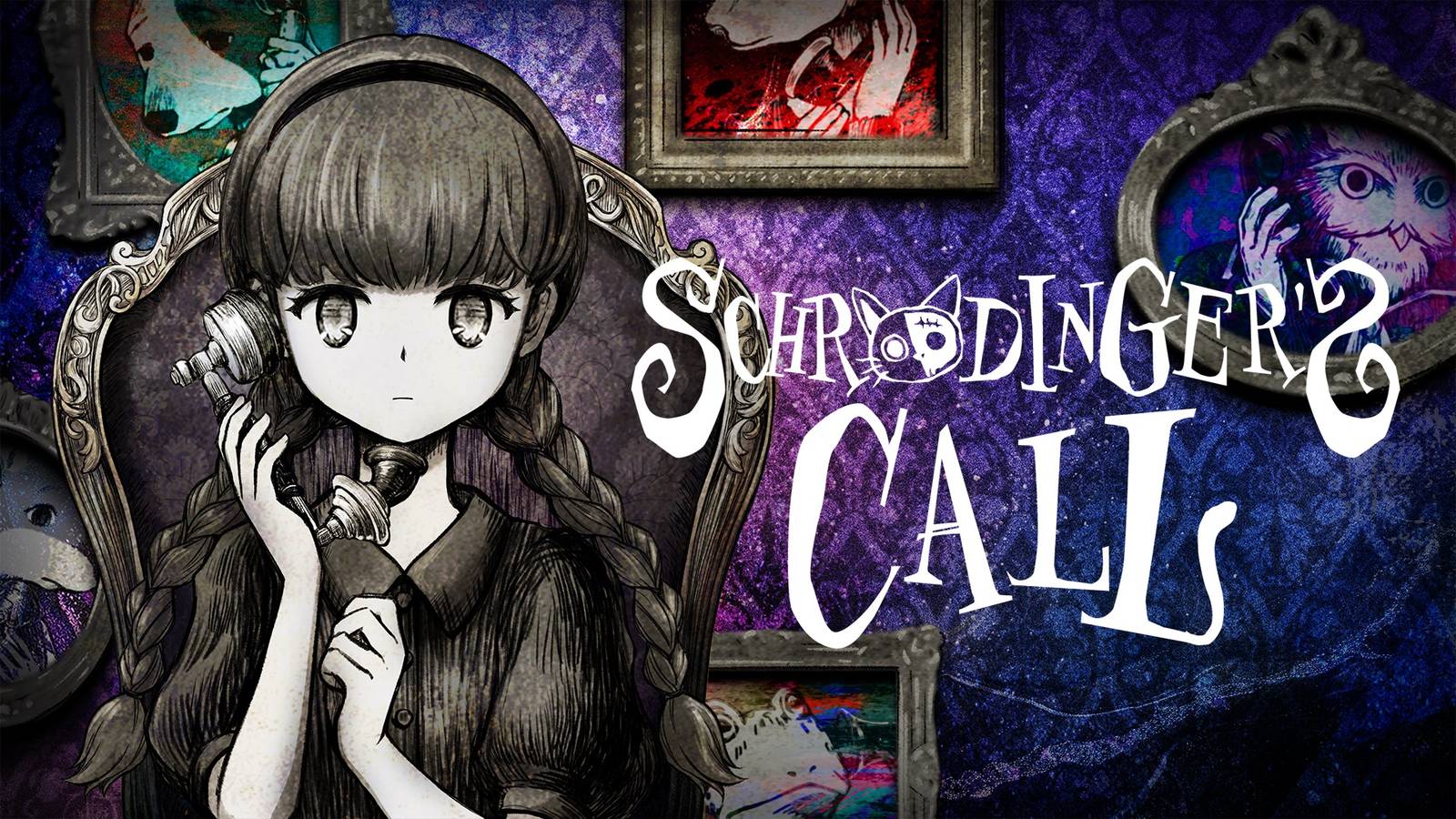
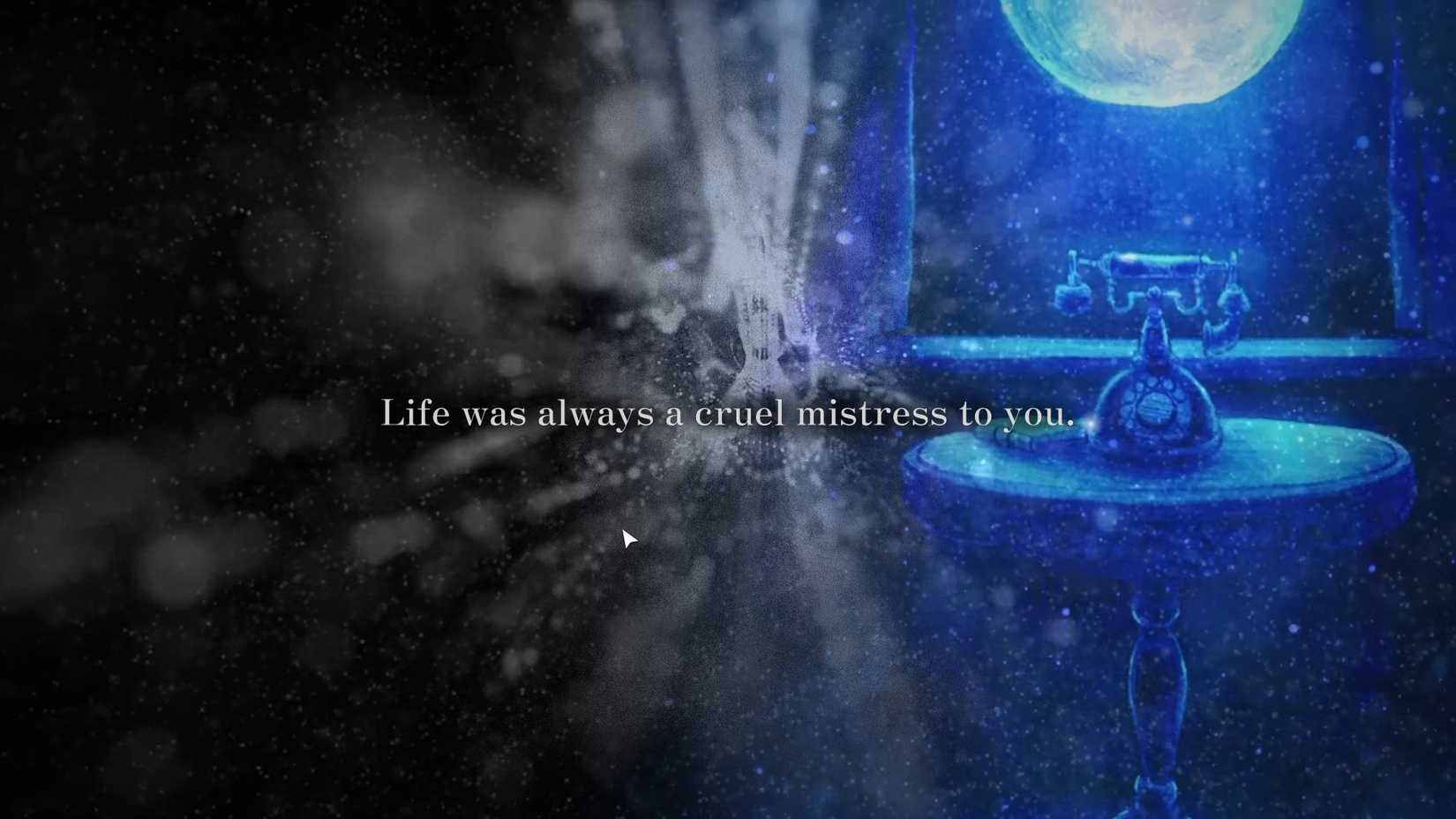
The narrative premise is as high-concept as it is devastating. Mary exists in a state of quantum superposition—a lingering echo between life and death. As she comes to understand, the moon has collided with Earth, and humanity has been effectively erased. She is the last "Confidant," a role tasked with answering the final phone calls of souls who have reached the end of their tether. With only 21 nanoseconds remaining before the total cessation of existence, Mary must navigate the memories of these lost souls to reconstruct her own fragmented past and, perhaps, find meaning in the absolute end.
Chronology: A Journey Through Fragmented Time
The structure of the game is episodic, with each chapter centered around a specific soul seeking closure. Because the game functions as a visual novel, the gameplay loop is intentionally limited. Players act as a detective of the soul, utilizing a notebook to track dialogue, inconsistencies, and emotional cues.

As Mary engages with these callers, the game’s chronology becomes increasingly non-linear. The souls on the other end of the line are suffering from their own form of memory loss, mirroring Mary’s own condition. This creates a compelling investigative layer: you aren’t just listening to stories; you are helping these entities piece together the final moments of their lives.
The progression is measured not by physical travel, but by the accumulation of "Truths." As the player uncovers the regrets and joys of the callers, the room around Mary shifts, and the clarity of her own memory begins to sharpen. However, the game maintains a constant sense of dread; because the player knows the world has already ended, every interaction is laced with the bitter knowledge that these connections are the last sparks of a dying civilization.
Supporting Data: The Craft of Aesthetic and Sound
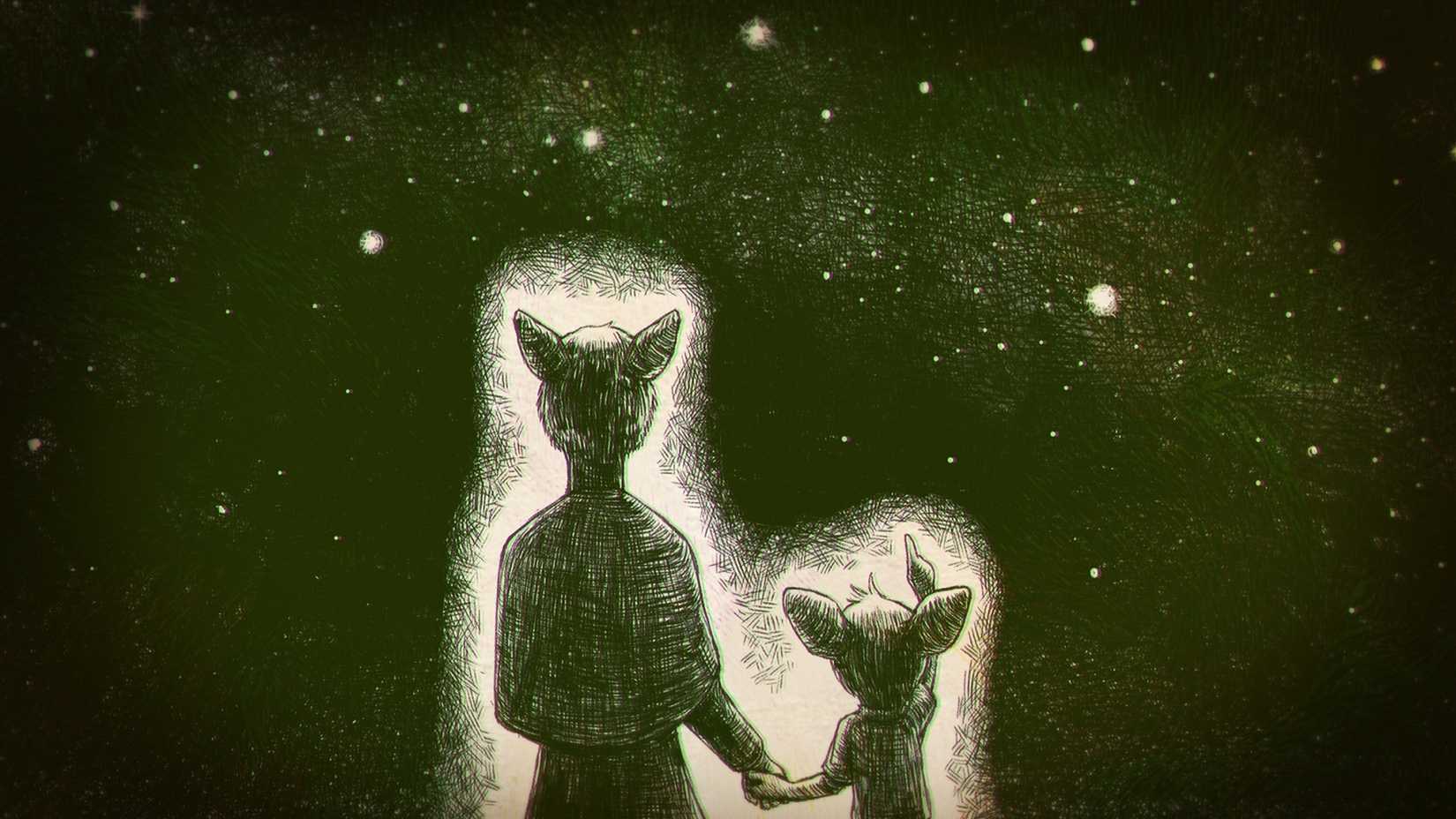
One of the most striking aspects of Schrödinger’s Call is its deliberate, storybook-inspired art style. The developers have opted for an aesthetic that does not animate every movement. Instead, the game utilizes gaps between frames, creating a "page-turning" sensation that forces the player to fill in the blanks with their own imagination. This artistic choice serves the narrative beautifully; as the characters struggle to recall their lives, the visuals mimic this fuzziness, with images shifting in clarity based on the stability of the memories being recounted.
A fascinating design choice is the portrayal of the callers as animals, while Mary remains the sole human figure. This choice serves to isolate her further, highlighting her unique position in the cosmic order. While the game’s developer, Acrobatic Chirimenjako, has remained quiet on the specific symbolism of this design, it is a point of intense speculation within the community, suggesting deeper, spoiler-heavy truths about the nature of the "Confidant."
The audio design is equally critical. Eschewing full voice acting—or opting for non-English performances—the game forces the player to rely on the score. The soundtrack is hauntingly minimalist, designed to fill the silence of the void without overwhelming the emotional weight of the text. It is an atmospheric masterclass, and it is no surprise that there is already a growing demand for the soundtrack to be released on streaming platforms.
Official Responses and Developer Intent
While Acrobatic Chirimenjako has maintained a modest public presence, early promotional materials from Shueisha Games emphasized the "reinvention of the visual novel genre." The developers intended to move away from the branching, often gamey paths found in typical VNs, focusing instead on a singular, deep emotional arc.

In interviews, the creative leads have noted that the "21 nanoseconds" countdown was chosen not to create stress, but to highlight the intensity of a single moment of human connection. By stripping away the possibility of a "good ending" where the world is saved, the developers force the player to accept that the value of life is found in the connection itself, rather than the longevity of the experience.
Implications: Why It Lingers
The brilliance of Schrödinger’s Call lies in its capacity to force the player into self-reflection. By asking the question, "What would you say if you had only one phone call left?", the game transitions from a digital experience to a deeply personal one.
The game demands multiple playthroughs. Because the narrative is so dependent on the player’s ability to "detect" the truth behind the callers’ fuzzy memories, a first playthrough often leaves the player feeling like they’ve only scratched the surface. Returning to the game allows the player to act as a more seasoned investigator, picking up on the subtle clues that were missed in the initial emotional fog.
Furthermore, the game serves as a critique of how we value the "end." In a medium often obsessed with winning, defeating bosses, or saving the princess, Schrödinger’s Call stands as a rare, mature piece of art that invites the player to sit with their regrets. It is not a horror game, though its premise is terrifying; it is a story about the grace required to accept the inevitable.
Technical Specifications
- Release Date: May 27, 2026
- Developer: Acrobatic Chirimenjako
- Publisher: Shueisha Games
- Platform: PC, Nintendo Switch
- Genre: Visual Novel / Adventure / Drama
- ESRB: Everyone (Mild Fantasy Violence)
Conclusion: A Masterpiece of the Indie Sphere
Schrödinger’s Call is, without reservation, one of the most significant indie releases of 2026. It is not a game for everyone; those looking for fast-paced action or optimistic escapism will likely find the heavy, terminal atmosphere too stifling. However, for those willing to engage with the text, the music, and the crushing weight of the narrative, it offers an experience that is rare in the gaming medium.
It is a game that stays with you. Days after the final scene, the questions Mary faces become your own. If the world were ending, what would your final conversation look like? Would you have the courage to listen, or the strength to speak? By the time the credits roll, Schrödinger’s Call has effectively proven that the most powerful stories aren’t those that change the world, but those that help us understand how to leave it. Whether you are a veteran of visual novels or a curious newcomer, this title is an essential, if deeply painful, addition to your library. It is, quite simply, a masterpiece of the genre.


 Asro
Asro
 Muslim