

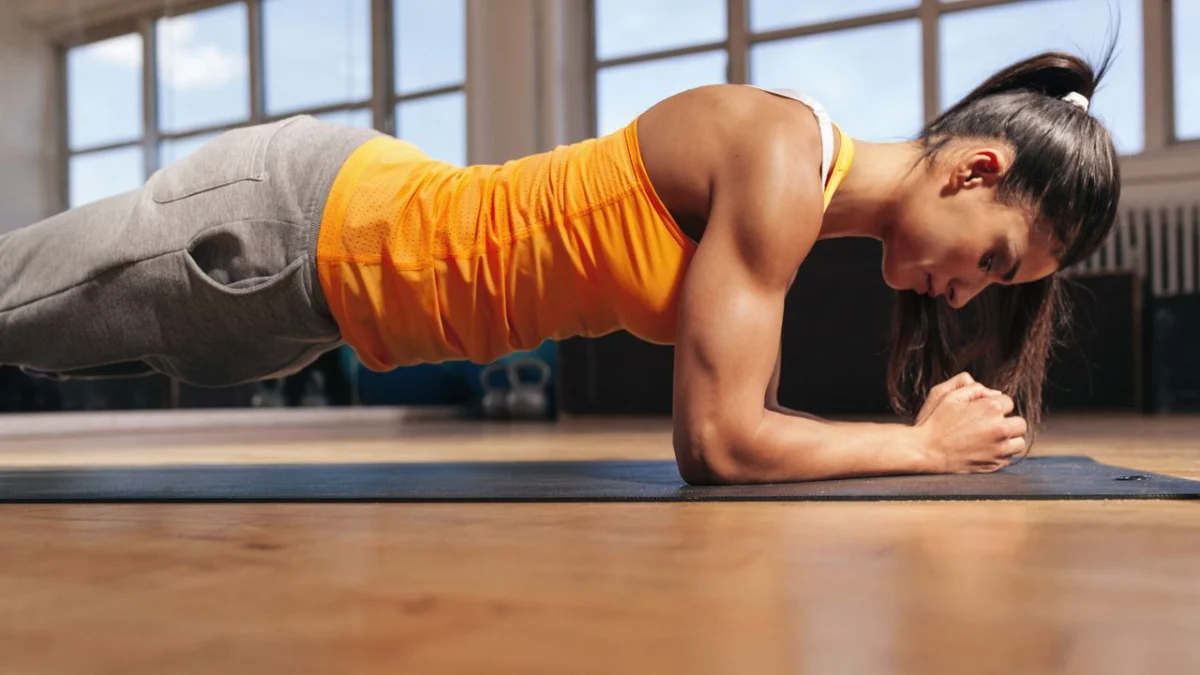
In the landscape of modern fitness, the humble plank is often viewed as the "gold standard" for core stability. Yet, even the most seasoned athletes can fall into a rut of stagnation. Enter the "gymnast plank"—a high-tension, advanced variation that is currently disrupting traditional abdominal training protocols. By shifting the focus from a neutral, rigid spine to an active, rounded, and hollow-body position, this movement demands a level of muscular engagement that standard planks simply cannot replicate.
The Evolution of Core Stability
For decades, the standard forearm plank has been the go-to exercise for physical therapists and personal trainers alike. Its simplicity—holding a straight line from head to heels—is its greatest strength, but it is also its limitation. Once an individual masters the basic hold, the return on investment (ROI) begins to diminish. The body adapts, the tension becomes manageable, and the core stops receiving the stimulus required for growth and increased stability.
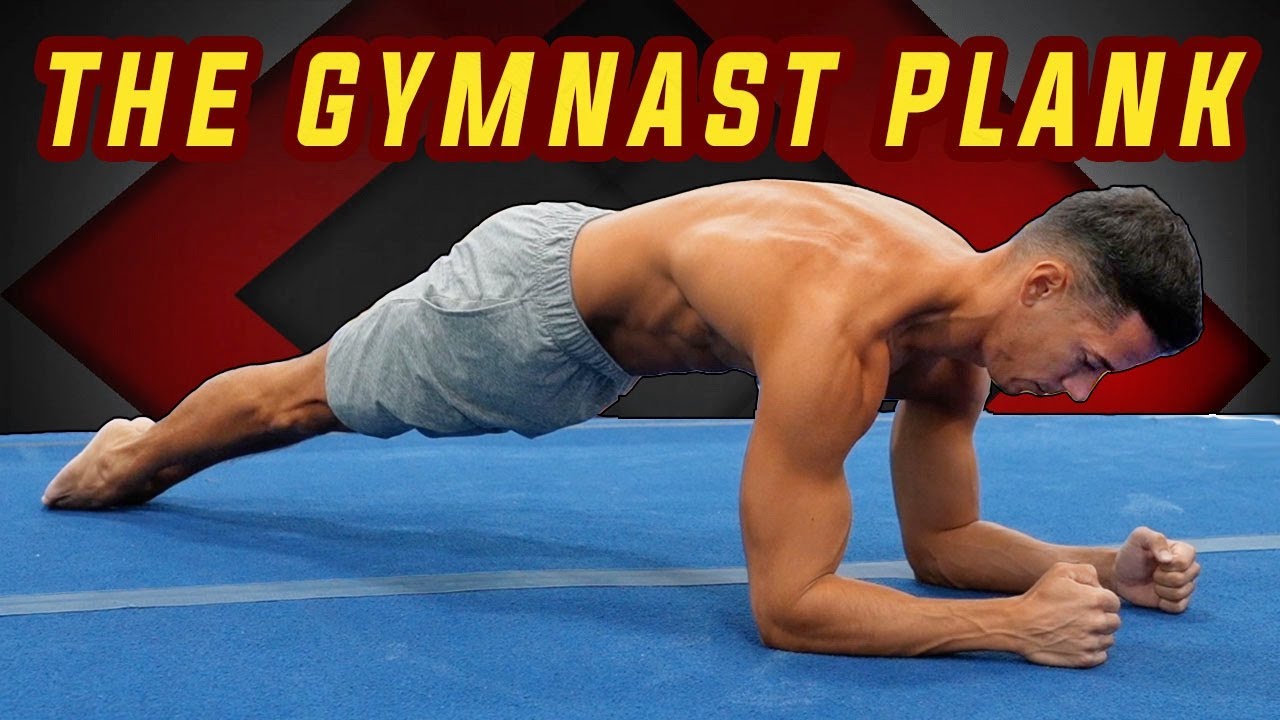
The gymnast plank, rooted in the foundational training of competitive gymnasts, introduces the concept of the "hollow body" position. Unlike a standard plank where the goal is to prevent sagging, the gymnast plank requires the athlete to intentionally create a rounded upper back (thoracic kyphosis) and a tucked pelvis (posterior pelvic tilt). This creates a "scooped" shape that maximizes the contraction of the deep transverse abdominis and the outer rectus abdominis.
Chronology of the Challenge: A Week of Intense Engagement
To understand the physiological impact of this movement, I incorporated the gymnast plank into my daily pre-run warm-up routine for seven consecutive days. As a marathon runner who spends significant time at a desk, my core stability and hip mobility are constant areas of focus.
Days 1–2: The Reality Check
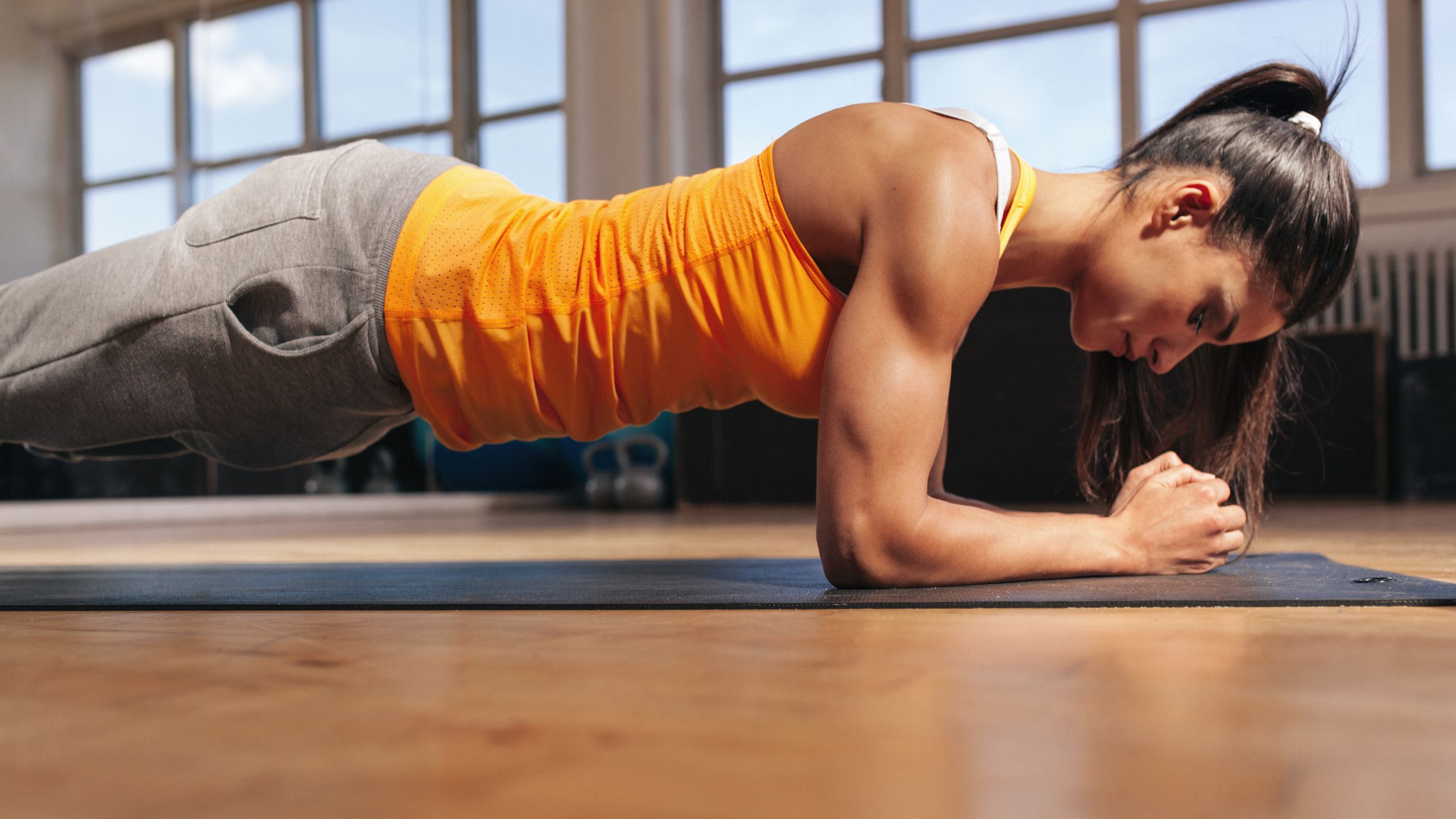
The initial experience was humbling. Attempting to maintain the "hollow" shape while balancing on forearms and pointed toes felt fundamentally unnatural. Where a standard plank feels like a steady endurance test, the gymnast plank feels like a full-body fight against gravity. By the 15-second mark, my muscles were trembling, and my focus was entirely on maintaining the pelvic tuck rather than simply surviving the clock.
Days 3–5: Adapting to the Tension
By the midpoint of the week, the neurological connection to my lower abs began to sharpen. The "desk hunch"—a common postural consequence of sedentary work—began to feel easier to correct through the intentional rounding of the upper back. The pressure on my toes, which initially felt abrasive, became a secondary concern as I learned to distribute my weight more effectively across my forearms.
Days 6–7: The Threshold of Mastery
By the end of the week, I was able to hold the position for a solid 30 seconds with proper form. The "core shake" remained intense, but the instability of the first few days had vanished. The experience served as a stark reminder that while high-volume, low-intensity training has its place, high-tension, short-duration movements like the gymnast plank are essential for breaking through strength plateaus.
Supporting Data: Why It Works
The efficacy of the gymnast plank is rooted in the biomechanics of the core. When you perform a traditional plank, you are working against the force of gravity trying to pull your belly button toward the floor. In a gymnast plank, you are adding an active "scoop."
1. The Rectus Abdominis "Scoop"
By tucking the pelvis, you are shortening the distance between the rib cage and the pubic bone. This maximizes the activation of the rectus abdominis—the primary "six-pack" muscle—well beyond what is achieved in a static, neutral-spine plank.
2. Scapular Stability
The requirement to "push the floor away" while rounding the upper back is a masterclass in scapular protraction. This movement strengthens the serratus anterior and the muscles surrounding the shoulder blades, providing a functional foundation for push-ups, pull-ups, and overhead lifting.
3. Counteracting the Anterior Pelvic Tilt
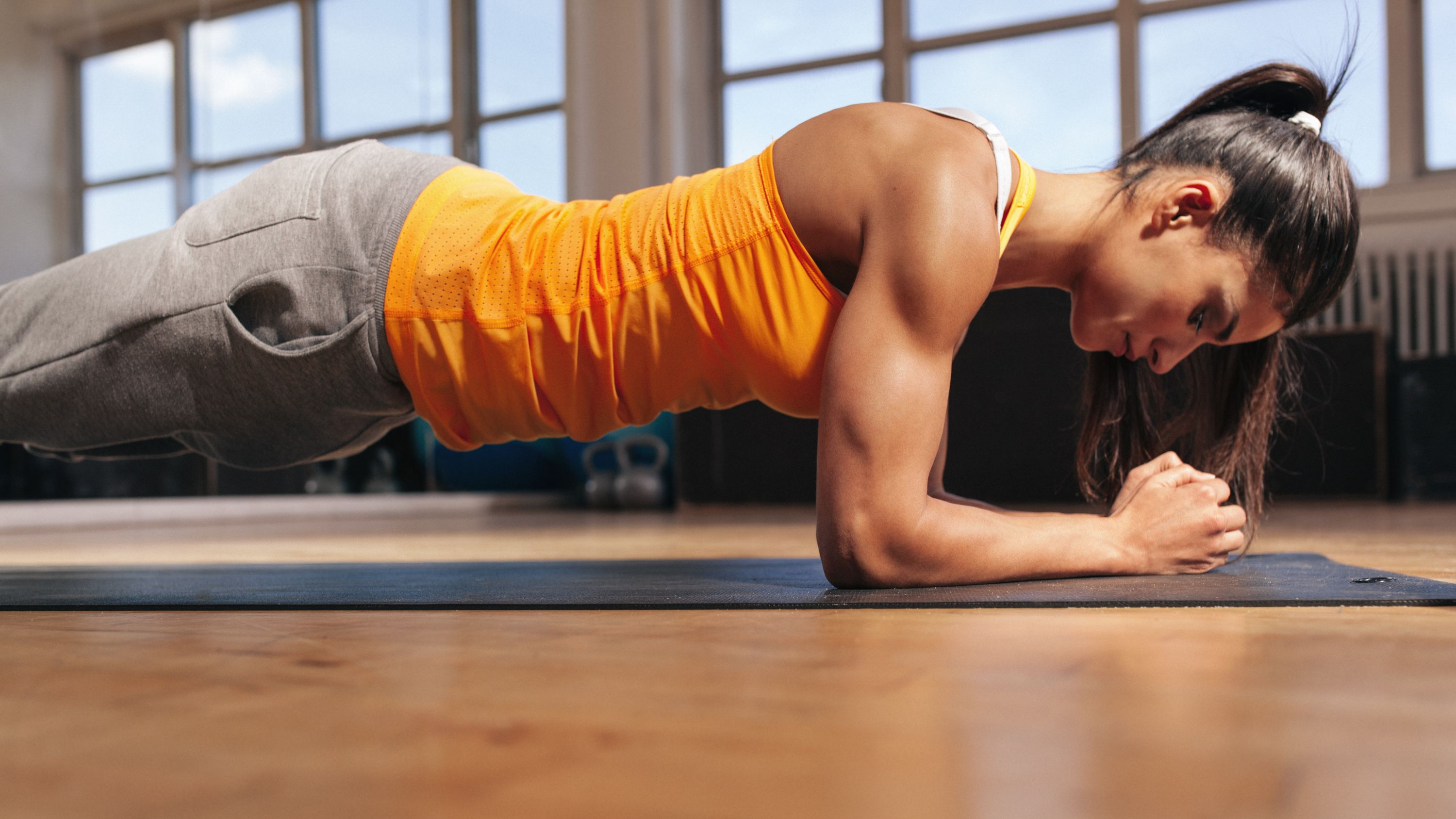
Many office workers suffer from tight hip flexors due to prolonged sitting. This tightness often pulls the pelvis forward, causing an arched lower back. The gymnast plank forces an active posterior tilt, teaching the body to engage the glutes and lower abs to return the pelvis to a neutral, healthy position.
Essential Form Guide: How to Execute Safely
Before attempting this move, it is imperative to acknowledge that it is an advanced progression. If you are pregnant, postpartum, or recovering from a back injury, consult with a physician or physical therapist.
- Start in a Forearm Plank: Set up as you would for a standard plank, ensuring your elbows are directly beneath your shoulders.
- Point the Toes: This isn’t just for aesthetics; pointing the toes helps engage the quadriceps and stabilizes the lower body, creating a tighter chain of tension.
- The "Scoop": Actively draw your belly button toward your spine while tucking your tailbone under. Imagine trying to pull your hips toward your ribs.
- Round the Shoulders: Push the floor away aggressively. Your upper back should look like a slight arch, not a flat table.
- Maintain Tension: The goal is not just to hold, but to create as much internal tension as possible. If your hips drop or your neck begins to strain, you have reached your limit. Reset immediately.
Implications for General Fitness
The gymnast plank serves as a bridge between static core work and functional athletic performance. By integrating this movement into your routine, you are doing more than just training your abs; you are retraining your body’s posture.
For the average individual, the implications are profound. Many of us spend our lives in a state of "postural decay," where our shoulders slump and our pelvis tilts forward due to our environment. This exercise acts as a structural reset. It reminds the body how to engage its primary stabilizers in a position of "hollow" strength.
Furthermore, it challenges the psychological aspect of training. We are often taught that "more is better"—longer planks, more sets, more reps. The gymnast plank proves that "better is better." Thirty seconds of high-quality, high-tension gymnast planking will do more for your core strength than three minutes of a sloppy, passive standard plank.
Final Recommendations
If you are looking to revitalize your fitness regimen, do not underestimate the difficulty of this movement. Start with short intervals—10 to 15 seconds—and prioritize the "scoop" over duration. Use a high-quality yoga mat to protect your elbows and feet, as the intensity of the floor contact can be significant.
As I learned during my seven-day trial, the gymnast plank is not merely a fitness fad; it is a rigorous, effective tool for anyone looking to build a more resilient, functional, and aesthetically toned core. It may be a move that leaves your core shaking and your muscles aching, but the long-term benefits for your posture and athletic performance are undeniably worth the discomfort. If you are ready to stop just "hanging out" in your planks and start actually training your core, the gymnast plank is your next necessary challenge.











