Iffa Jayyana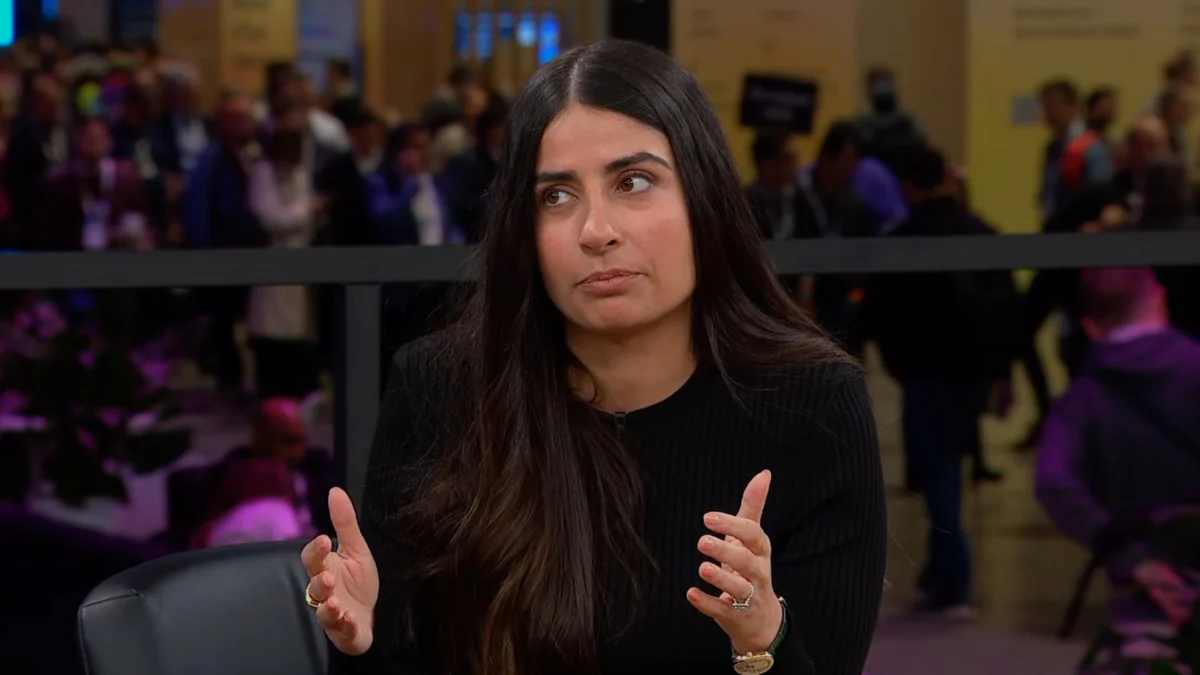
In the annals of corporate history, few acquisitions have been as seismic, controversial, or transformative as Microsoft’s $68.7 billion purchase of Activision Blizzard. Finalized just under 1,000 days ago, the deal was touted as a masterstroke that would redefine the gaming landscape, placing the world’s most iconic intellectual properties—Call of Duty, World of Warcraft, and Candy Crush—firmly under the Xbox banner.
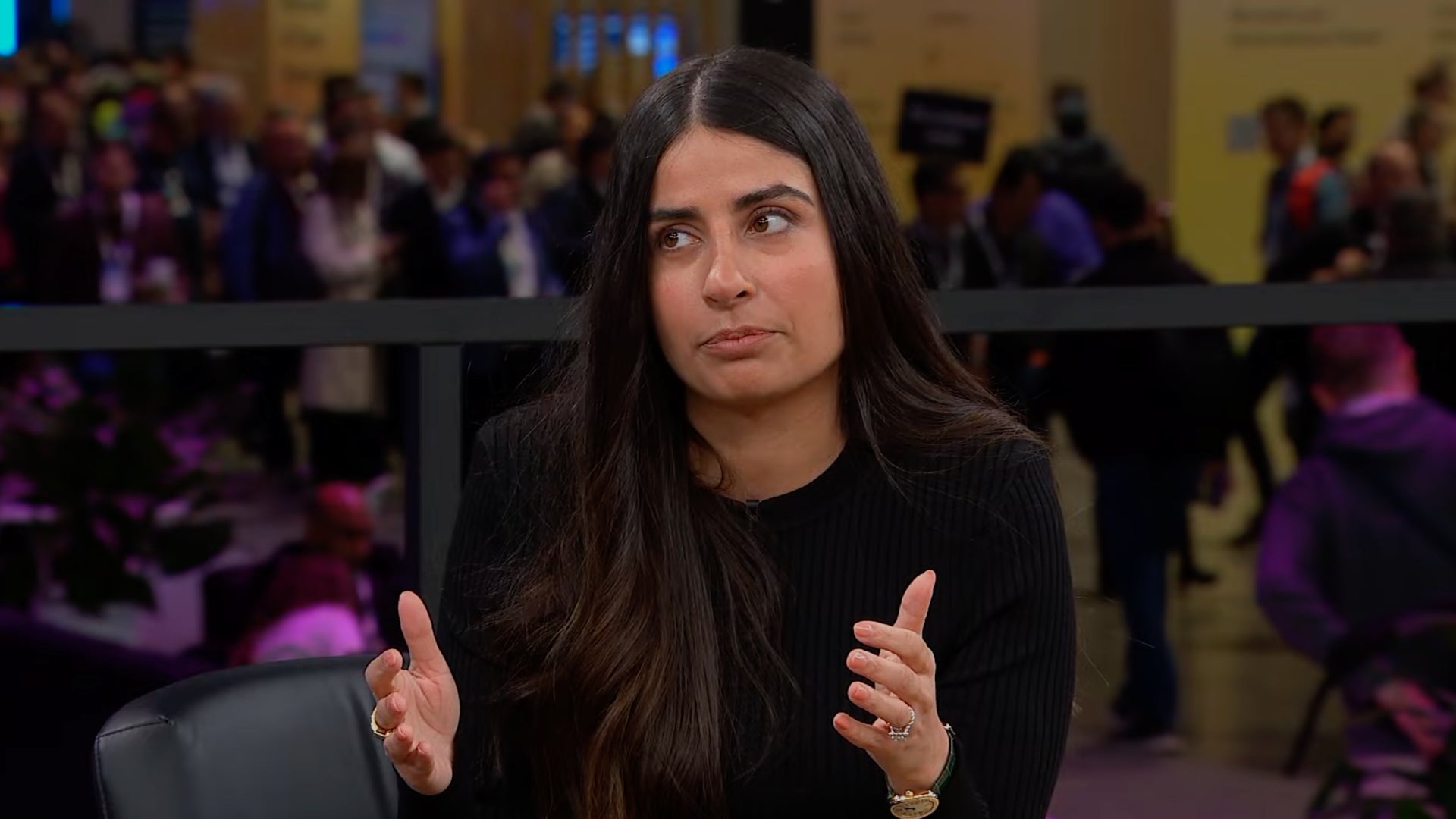
However, as of 2026, the mood in Redmond has shifted. In a candid and somewhat startling interview with Bloomberg Tech, new Xbox CEO Asha Sharma offered a perspective that felt worlds away from the bullish optimism that characterized the acquisition’s announcement. When asked whether the massive investment had truly "paid off," Sharma’s response was one of studied ambivalence, acknowledging the immense value of the assets while openly questioning the strategic context in which they were purchased.
The Context: A Deal Forged in a Different Era
To understand the complexity of the current situation, one must look back at the economic and social landscape of the early 2020s. Microsoft initiated the acquisition during the height of the COVID-19 pandemic, a period of unprecedented growth for the gaming industry. At that time, Microsoft’s strategy was hyper-focused on the "core console" experience and the aggressive expansion of its Game Pass subscription service.
During her interview, Sharma provided a fascinating window into the shifting corporate philosophy at Xbox. "It was bought at a time before ChatGPT," she noted. "It was bought at a time when our strategy was predominantly on the core console. It was at a time when we were right in the middle of Covid. So, it is hard to say how to think about those decisions."
This statement is revealing. By invoking the rise of generative AI, Sharma is signaling that the fundamental calculus of the technology sector has shifted. The capital-intensive acquisition of massive development studios may no longer be the primary lever for growth in an era where AI-driven content generation and cloud-native experiences are becoming the new frontier.
A Chronology of the Mega-Deal
The path to integrating Activision Blizzard was anything but smooth. The timeline of this acquisition serves as a case study in regulatory friction and internal restructuring:
- January 2022: Microsoft announces its intent to acquire Activision Blizzard for $68.7 billion, a move that sent shockwaves through the industry.
- 2022–2023: A grueling 20-month legal battle ensues. Microsoft faces intense scrutiny from the Federal Trade Commission (FTC) in the U.S., the Competition and Markets Authority (CMA) in the U.K., and the European Commission.
- October 2023: The deal finally clears its last major regulatory hurdle, officially bringing Activision Blizzard into the Microsoft fold.
- 2024–2025: The "integration" phase begins, characterized by significant internal upheaval. This period saw widespread layoffs, the cancellation of several high-profile projects (including the Perfect Dark reboot), and a controversial price hike for Xbox Game Pass Ultimate.
- 2026: The departure of long-time gaming head Phil Spencer and the promotion of Asha Sharma mark a new chapter. The company now faces the challenge of reconciling a massive, expensive portfolio with a rapidly evolving, AI-centric market.
Supporting Data: The Value of the Assets
Despite the ambiguity regarding the acquisition’s overall strategic fit, Sharma was quick to defend the quality of the assets acquired. From a purely revenue-generating standpoint, the Activision Blizzard portfolio remains the envy of the entertainment world.
"I don’t know anybody in entertainment who wouldn’t want Call of Duty, which is now grossing more revenue than the Marvel Cinematic Universe," Sharma stated. She further highlighted the enduring power of Candy Crush—a mobile gaming juggernaut that consistently ranks among the top three apps worldwide—and the legendary status of World of Warcraft.
The argument for the acquisition rests on these "predictable hits." Activision Blizzard has maintained a rhythm of success for two decades that few other companies can replicate. For Microsoft, these titles provide a reliable "moat," ensuring that Xbox remains a primary destination for hundreds of millions of gamers globally, regardless of hardware shifts.
Official Responses and Internal Discord
The transition from the Phil Spencer era to the Asha Sharma era has been marked by a distinct change in tone. Under Spencer, Microsoft often spoke in terms of community, accessibility, and the "long-term vision." Under Sharma, the discourse has become more pragmatic, bordering on the detached.
The layoffs at ZeniMax and the closure of internal studios have left a lingering tension within the Xbox workforce. These decisions, while framed by leadership as necessary for "continued success" in a lean, efficiency-focused market, have damaged morale. Sharma’s willingness to publicly question the wisdom of the acquisition suggests a leader who is attempting to distance herself from the "baggage" of the previous administration.
However, this openness is a double-edged sword. While it portrays a CEO who is willing to look at the business with clear eyes, it also introduces uncertainty. If the current leadership is questioning the value of the company’s most expensive purchase, investors and fans alike are left to wonder: What comes next? Are these assets truly safe, or are they subject to further restructuring?
Implications for the Future of Xbox
The "wishy-washy ditheriness" that critics fear is perhaps the greatest risk for Xbox right now. A company that is constantly apologizing for its own strategic moves risks losing its identity. As Sharma navigates the post-acquisition fallout, she faces three critical challenges:
1. The AI Pivot
The mention of ChatGPT is not a throwaway comment. It implies that Microsoft is shifting its focus toward AI-enhanced development. If the Activision Blizzard assets cannot be integrated into a pipeline that leverages AI to lower costs and increase output, they may continue to be viewed as "expensive legacy assets" rather than the pillars of a new era.
2. Subscription Sustainability
The Game Pass price hike was a signal that the cost of maintaining such a massive content library is unsustainable under the old model. Microsoft must now prove that it can monetize these games without alienating its core subscriber base. The balance between "value for the gamer" and "profitability for the corporation" has never been more fragile.
3. Culture and Morale
The "soulless" perception of AI-driven corporate management is something Sharma has explicitly promised to avoid. Yet, the reality of the layoffs and cancellations creates a narrative of a company in decline. To succeed, leadership must foster an environment where developers feel empowered to create rather than just "manage assets."
Conclusion: A Turning Point
Whether the Activision Blizzard acquisition will be remembered as a stroke of genius or a historic example of corporate overreach remains to be seen. Asha Sharma’s recent remarks suggest that the company is currently in a state of reflection, perhaps even remorse.
For the gaming public, the message is clear: the era of "growth at all costs" is over. We have entered a period of consolidation and soul-searching. Microsoft has the intellectual property to dominate the next decade of gaming, but as Sharma’s comments imply, owning the best games in the world is only half the battle. The true test lies in whether they can adapt those assets to a world that looks fundamentally different from the one in which they were bought. As it stands, the "green throne" is occupied by a leader who is looking for a way forward, even if she isn’t entirely sure that the path behind her was the right one to take.


 Asro
Asro
 Muslim