


While the "happily ever after" remains the gold standard of mainstream cinema, a distinct lineage of filmmakers has long challenged the audience’s need for comfort. In the landscape of film history, there exist masterpieces that refuse to offer the catharsis of a victory. Instead, these films force viewers to grapple with the cruel, random, and often permanent nature of suffering. These are not merely sad stories; they are structural explorations of futility, where the ending serves as a final, crushing realization that some wounds do not heal and some battles cannot be won.
The following analysis examines ten of the most devastating cinematic conclusions ever committed to celluloid, ranked by their emotional weight and their refusal to provide the audience with a reprieve.

10. American History X (1998) – The Failure of Redemption
American History X serves as a stark warning about the long-term consequences of hate. The narrative follows Derek Vinyard (Edward Norton), a former neo-Nazi who attempts to steer his younger brother, Danny (Edward Furlong), away from the path of white supremacy after serving a prison sentence.
Chronology and Implications:
The film’s tragedy lies in its temporal structure. We see Derek undergo a profound ideological shift, moving from a radicalized monster to a man seeking genuine redemption. However, the film’s central thesis is that actions have irreversible consequences. By the time Derek successfully renounces his past, the momentum of his previous influence has already consumed Danny. The final scene, featuring the shocking murder of Danny, serves as a cold reminder that personal growth does not necessarily shield one’s loved ones from the trauma of the past. The implication is clear: hatred leaves scars that survive even the most sincere efforts at atonement.

9. Dancer in the Dark (2000) – The Cost of Innocence
Lars von Trier’s musical tragedy starring Björk is perhaps the most unvarnished look at how the world treats the vulnerable. Selma, a Czech immigrant in the United States, works in a factory to save money for her son’s eye surgery, all while struggling with her own encroaching blindness.
Supporting Data:
Selma’s life is defined by her "musical fantasies"—vibrant, rhythmic escapes from her grueling reality. However, when she is forced to kill in self-defense, her purity and her desire to protect her son lead to a catastrophic legal outcome. She chooses to spend her final savings on her son’s operation rather than her own legal defense. The film’s final act, featuring her execution, is a gut-wrenching indictment of a legal system that punishes the poor for their inability to navigate its cold, bureaucratic logic. It is a masterpiece of despair that leaves no room for hope.

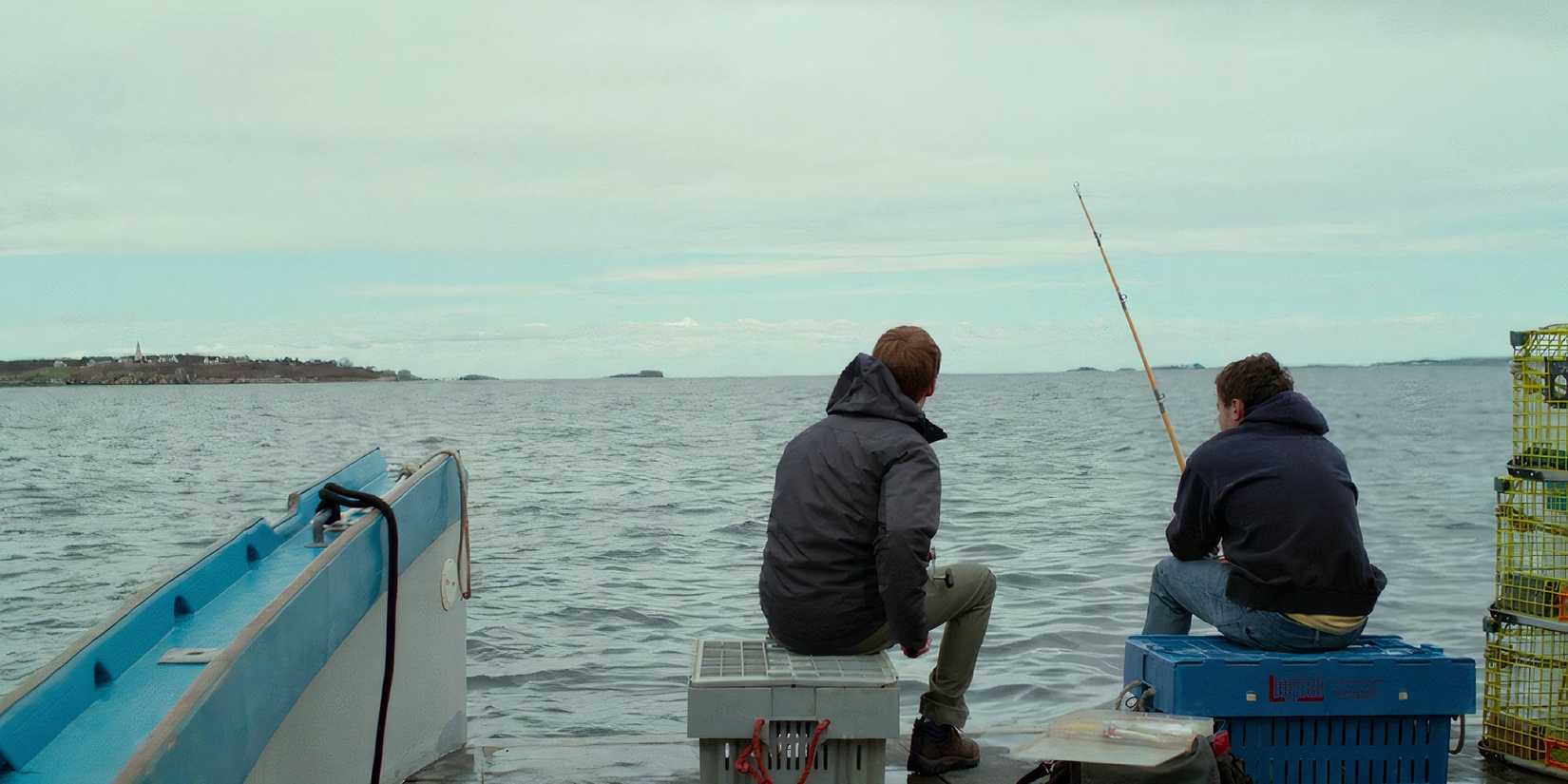
8. Manchester by the Sea (2016) – The Permanence of Grief
Kenneth Lonergan’s drama remains one of the most honest depictions of mourning in the 21st century. Casey Affleck stars as Lee Chandler, a man who carries the heavy burden of a past tragedy—the accidental death of his children—that he simply cannot outrun.
Implications:
Unlike most dramas that follow a trajectory of "healing," Manchester by the Sea rejects the notion that time cures all. The film ends not with a breakthrough, but with a concession. Lee and his nephew reach a practical, if imperfect, arrangement. Lee is not "fixed," and his life is not "made better." He is simply surviving. The film’s refusal to offer a tidy resolution is what makes it so profoundly resonant; it validates the reality that for some, life becomes a long, quiet endurance of grief.

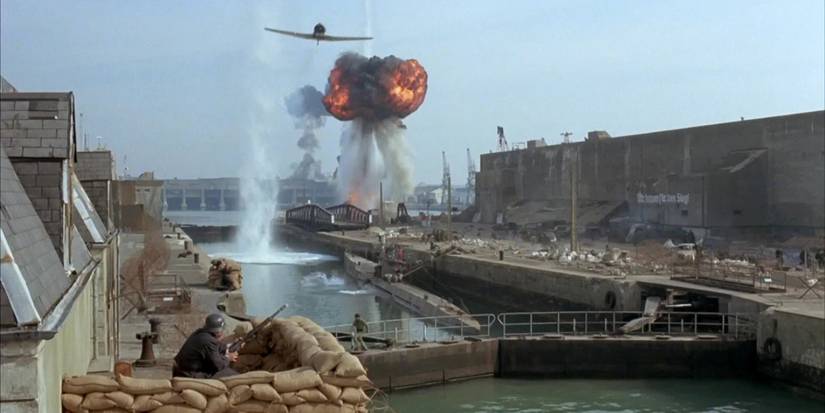
7. Das Boot (1981) – The Randomness of War
Wolfgang Petersen’s submarine epic is a claustrophobic, intense examination of the mundane horrors of World War II. The crew of the U-96 endures months of psychological decay, mechanical failure, and terror, only to survive against all odds.
Chronology:
The film’s final sequence is a masterclass in irony. After the crew survives a harrowing mission and returns to their base, they are greeted by an Allied air raid. Just as the audience experiences the relief of their return, the film abruptly destroys them. This ending strips away any sense of "heroism" or "purpose" from their service. It reduces their complex, terrified lives to a footnote in a violent conflict, emphasizing that war does not distinguish between the hardened veteran and the exhausted survivor.
6. Come and See (1985) – The Loss of Humanity
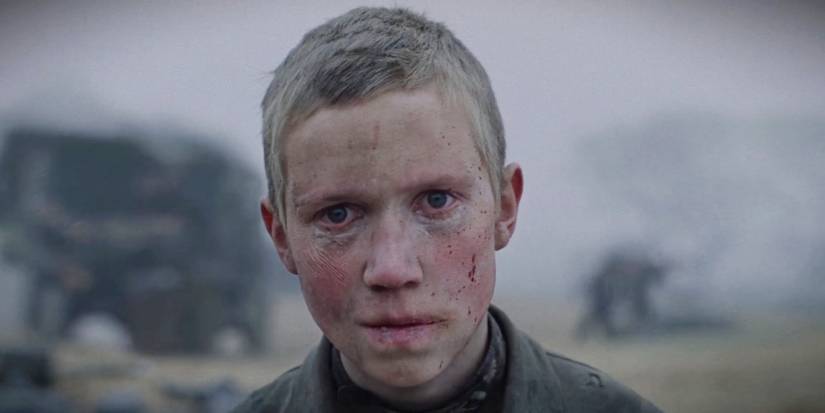
Elem Klimov’s Soviet war film is widely considered the most harrowing depiction of the Eastern Front ever filmed. It follows Flyora, a young boy who joins the partisans, only to witness the systematic dehumanization of his people by Nazi occupation forces.
Supporting Data:
The film is an endurance test for the audience. By the end, Flyora has aged decades in a matter of weeks. The final scenes—involving the cold-blooded execution of captives and a haunting montage of Hitler’s life played in reverse—suggest that the war has permanently hollowed out the protagonist. It is not just a story of physical survival, but a terrifying look at the death of the soul in the face of absolute evil.
5. Threads (1984) – The End of Progress
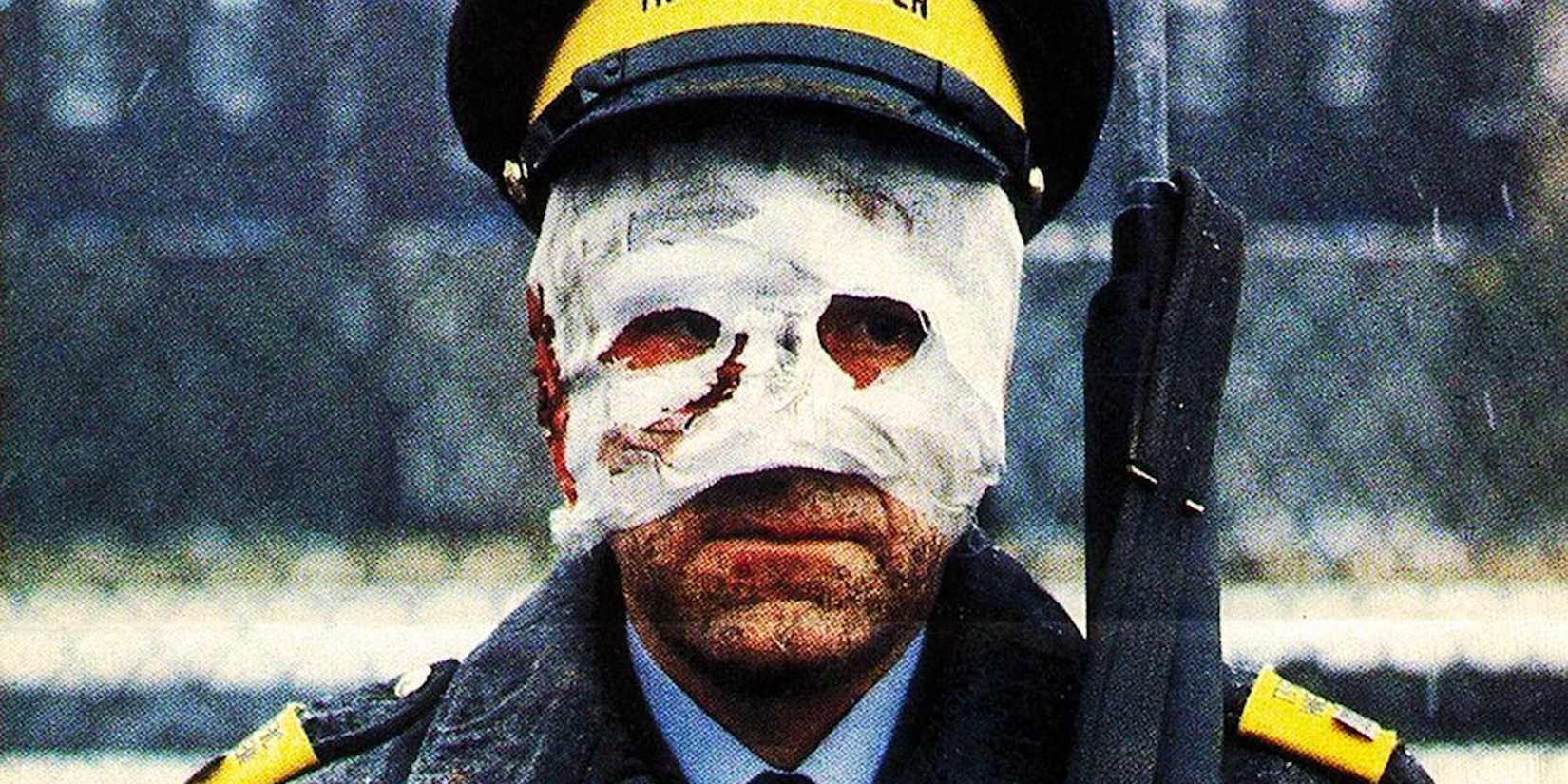
The BBC’s television film Threads is perhaps the most frightening piece of media ever produced regarding nuclear war. It meticulously documents the collapse of Sheffield, England, following a nuclear exchange between NATO and the Soviet Union.
Implications:
Threads does not end with the explosion; it ends with the aftermath—the slow, agonizing dissolution of society. We see the breakdown of language, medicine, and morality over several years. The final shot of a woman looking at her newborn child, knowing the bleak, irradiated, and hopeless world it has entered, is a nihilistic conclusion that haunts viewers long after the screen goes black. It posits that humanity’s greatest failure is the certainty of our own extinction.
4. Grave of the Fireflies (1988) – The Ghostly Reunion
Studio Ghibli is known for whimsy, but Grave of the Fireflies is a devastating exception. It follows two siblings, Seita and Setsuko, as they try to survive the firebombing of Japan.
Chronology and Implications:
The film’s opening already tells us that the children die, but watching the slow, agonizing reality of their starvation is a harrowing experience. The final moments, where their spirits watch the modern city grow over the site of their deaths, are both beautiful and crushing. It is a reminder that in war, the most innocent are the first to be discarded. Their "happy" afterlife is the only solace the film allows, highlighting the total failure of the world of the living.
3. Se7en (1995) – The Triumph of Nihilism
David Fincher’s thriller is a bleak moral inquiry disguised as a police procedural. The ending, featuring the revelation of "what’s in the box," remains one of the most shocking twists in cinematic history.
Official Responses and Analysis:
When John Doe successfully goads Detective Mills into killing him, he forces the detective to become the final piece of his masterpiece—the sin of Wrath. The film’s conclusion, with Somerset (Morgan Freeman) quoting Hemingway, suggests that while the world may be worth fighting for, the fight itself is often futile. It is a cynical, hard-boiled conclusion that leaves the audience feeling as violated as the protagonist.

2. Requiem for a Dream (2000) – The Spiral of Addiction
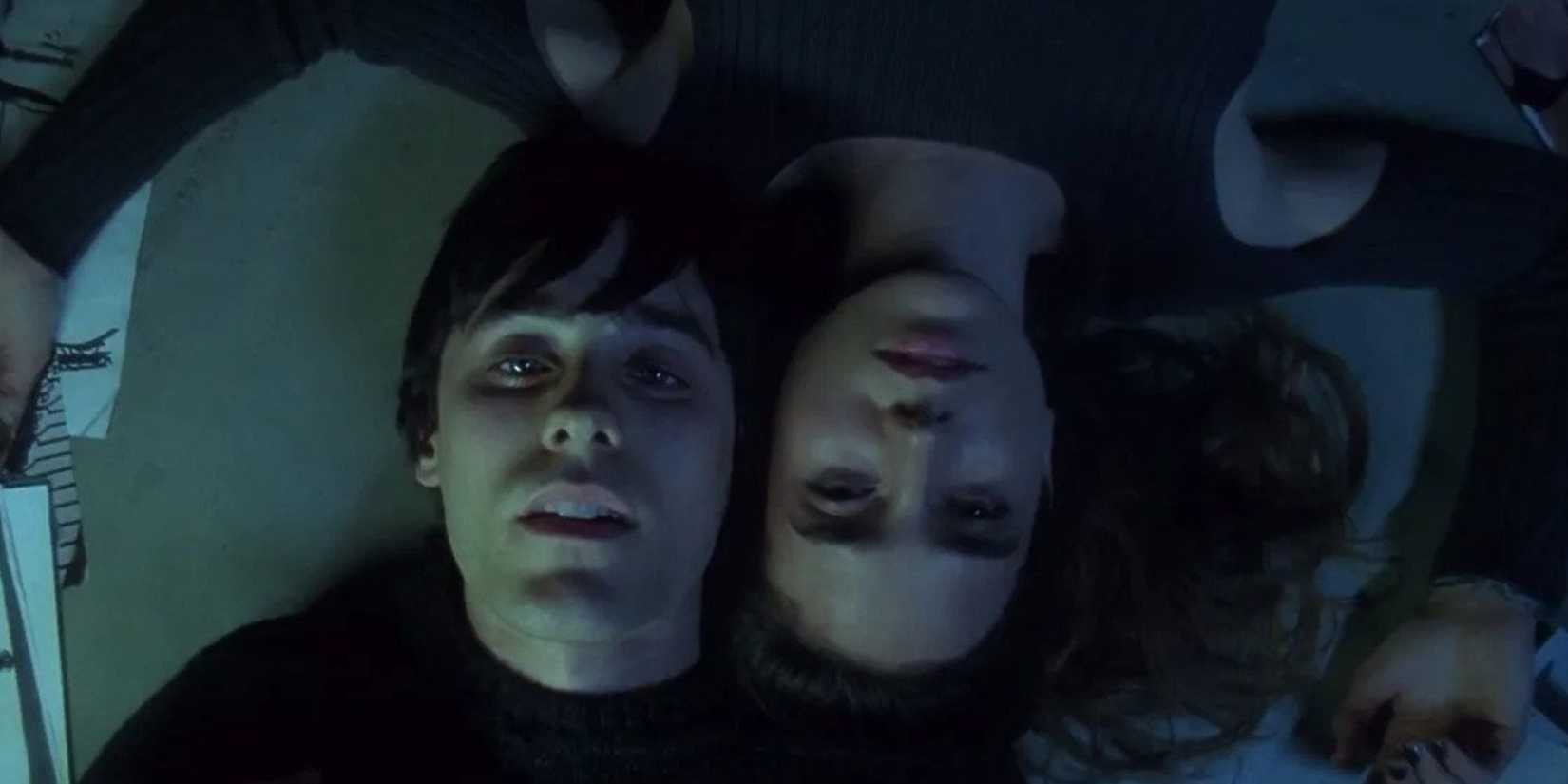
Darren Aronofsky’s film is a visceral, unrelenting exploration of the mechanics of addiction. By the final act, every character—Harry, Marion, Tyrone, and Sara—has reached a state of complete, irrevocable degradation.
Supporting Data:
Aronofsky’s use of aggressive, repetitive editing captures the sensory overload of addiction. The final montage, which shows each character in their own private hell, is a masterclass in editing as a storytelling tool. There is no recovery, no intervention, and no redemption. The film suggests that the "dream" is a lie, and the reality of addiction is a lonely, dehumanizing void.
1. The Mist (2007) – The Ultimate Cruelty
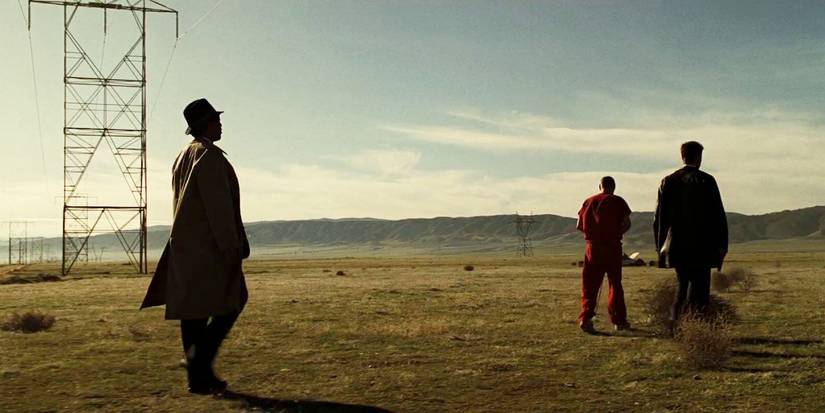
Frank Darabont’s adaptation of the Stephen King novella features an ending that famously diverged from the source material—to devastating effect.
Chronology:
The protagonist, David, kills his son and fellow survivors to save them from a gruesome death at the hands of the monsters in the mist. Mere moments later, the military arrives, and the mist clears. The cruelty of this timing—that he was only seconds away from salvation—is the ultimate sucker punch. It is a conclusion that denies the hero his humanity, forcing him to live with the knowledge that he was the architect of his own destruction. It is, without question, the most effective and soul-crushing ending in modern cinema.
Conclusion: Why We Watch
Why do audiences subject themselves to these films? The answer lies in the human desire to confront the uncomfortable. These movies do not provide a map for how to be happy; rather, they provide a reflection of the world in its most honest, unvarnished state. By stripping away the comfort of a "happy ending," these films demand that we acknowledge the fragility of our own lives, the weight of our choices, and the profound, often quiet, suffering that exists just outside our field of vision. They are not films for entertainment; they are films for endurance, reminding us that sometimes, the only way to move forward is to sit in the dark and bear witness.











No comments yet. Be the first to join the conversation!