

Published Jun 5, 2026, 2:00 PM EDT
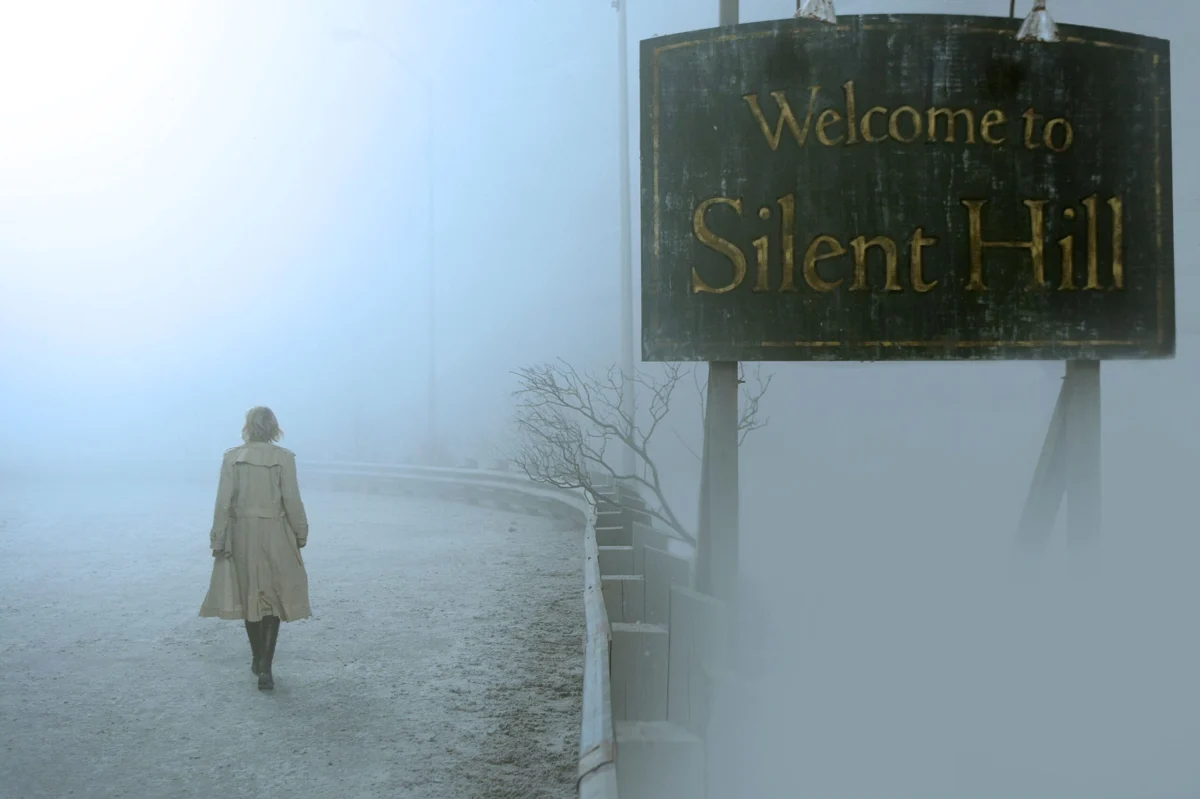
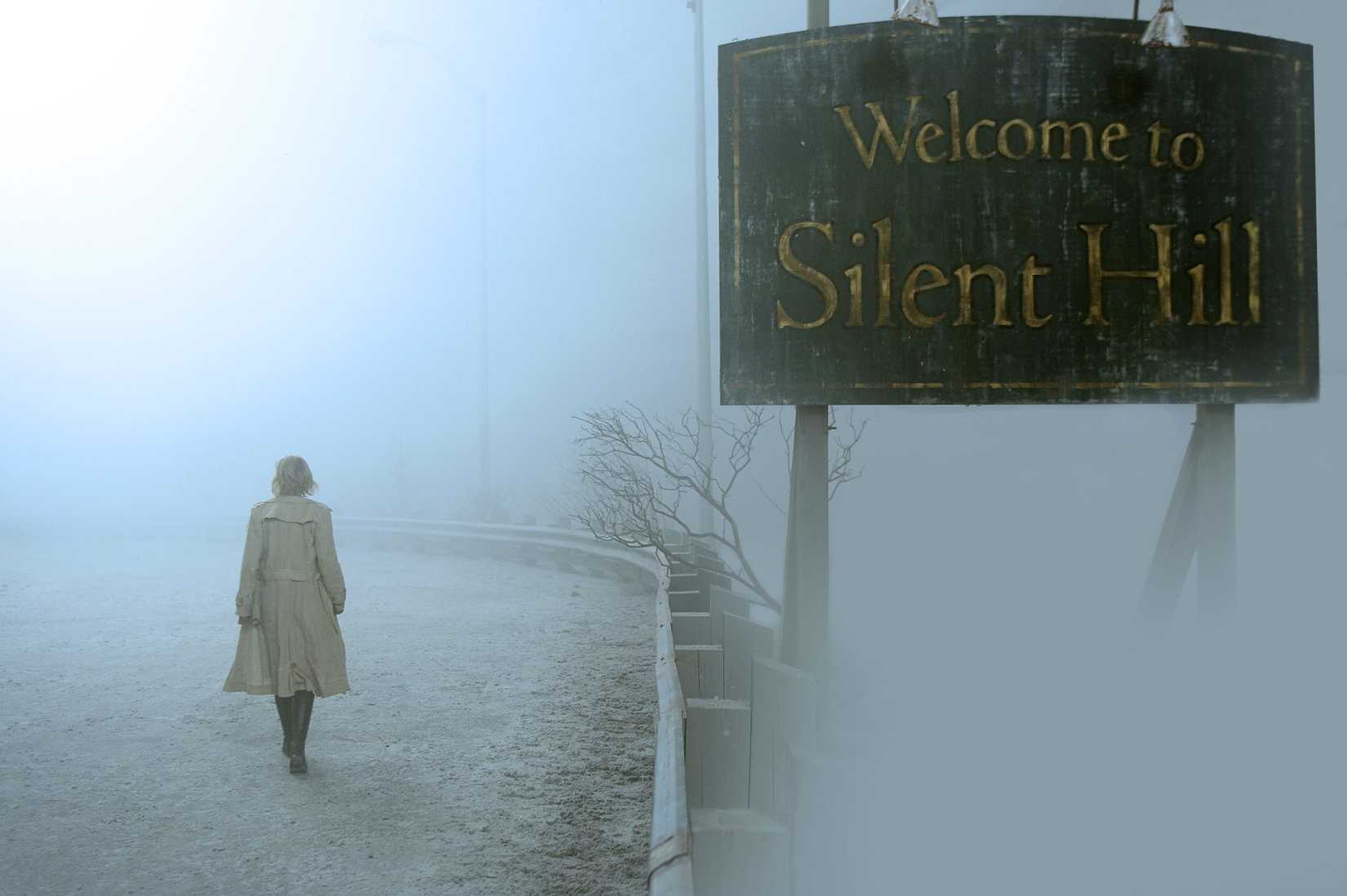
For decades, the name "Silent Hill" has conjured images of a perpetually fog-shrouded, dilapidated resort town in rural America, a purgatorial landscape where personal demons manifest as grotesque horrors. This iconic setting has been treated by fans and critics alike as the very bedrock of the legendary psychological horror franchise. However, Konami’s latest wave of Silent Hill projects signals a profound shift, boldly charting courses far beyond its titular locale. With Silent Hill: Townfall transporting players to a remote Scottish island and Silent Hill f delving into 1960s Japan, the series is demonstrating a willingness to transcend its geographical origins, proving that the true terror of Silent Hill lies not in a fixed address, but in the depths of the human psyche.
This strategic diversification, while initially met with understandable apprehension from a devoted fanbase, is not merely a cosmetic change but a crucial evolution. It underscores a long-held, albeit often understated, truth about the franchise: Silent Hill has always been larger than one town. The recent revelations, particularly the unsettling trailer for Townfall showcased during Tuesday’s State of Play livestream, reinforce the argument that the series’ identity is robust enough to thrive outside its traditional borders, promising a future of thematic richness and expanded horror.
Main Facts: A New Dawn for Dread
The most recent announcements paint a clear picture of Konami’s ambitious vision for the Silent Hill franchise. Two titles, in particular, exemplify this departure from the familiar:
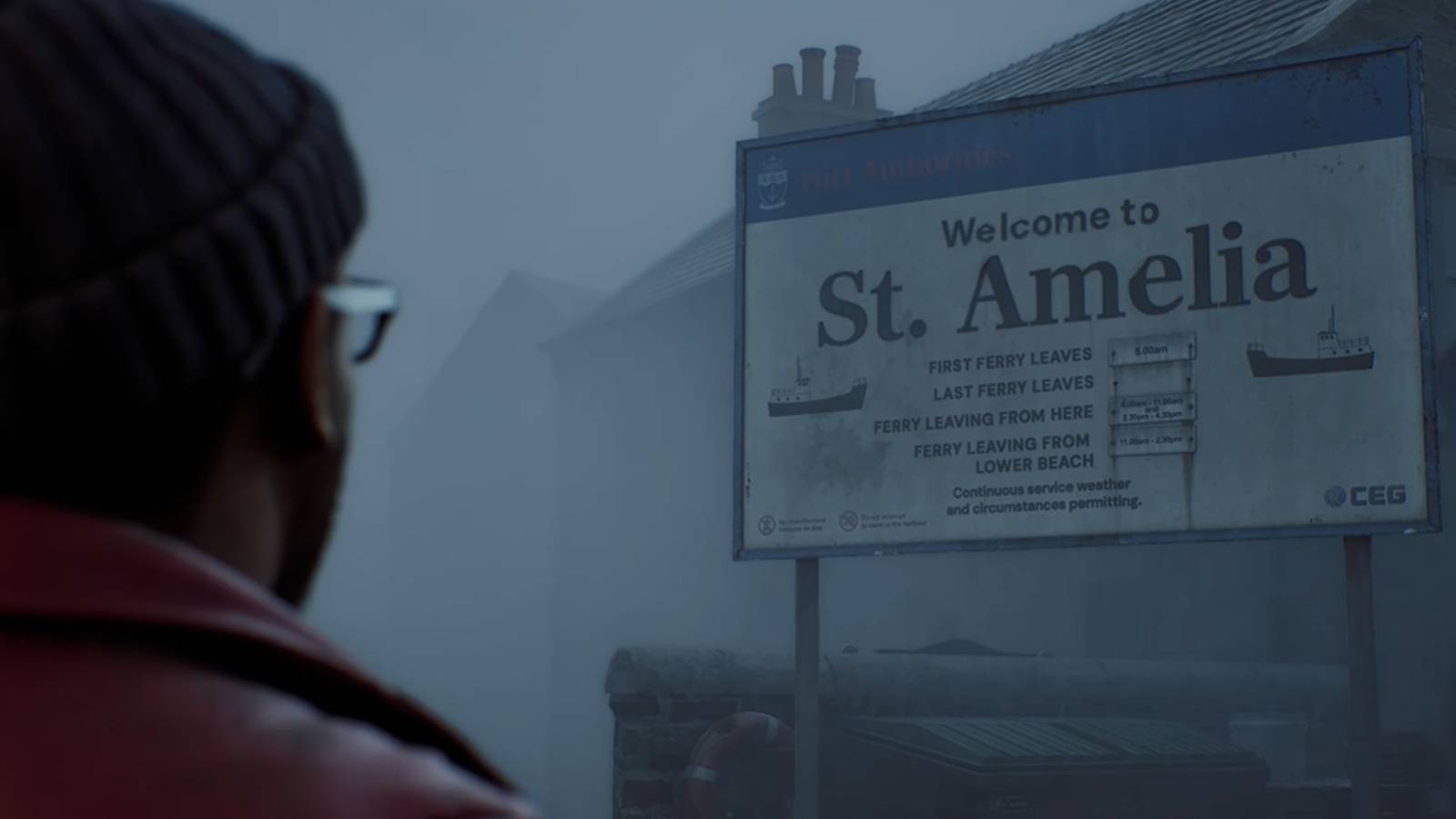
- Silent Hill: Townfall: Developed by No Code (known for Stories Untold and Observation) and published by Annapurna Interactive, Townfall is poised to take the series to the isolated island of St. Amelia off the coast of Scotland. The recent trailer offered a chilling glimpse into its world, featuring signature Silent Hill elements like grotesque creature designs, a palpable sense of psychological unraveling, a community harboring dark secrets, and an oppressive, obscuring fog. A notable nod to tradition appeared in the form of Simon’s CRTV, a handheld analog television serving as a modern analogue to Harry Mason’s iconic radio, seemingly capable of detecting paranormal activity.
- Silent Hill f: Helmed by NeoBards Entertainment, this installment shifts the narrative to 1960s Japan. Despite its radically different cultural and temporal setting, Silent Hill f has already garnered critical acclaim, boasting an impressive 86% positive rating on Metacritic. Its success unequivocally proves that the franchise’s core identity—its atmosphere, psychological depth, unsettling music, and layered symbolism—can be effectively translated and enriched by new backdrops. Subtle connections to the wider Silent Hill mythology, such as references to White Claudia and recurring cult imagery, further integrate this seemingly disparate setting into the overarching narrative tapestry.
These titles, alongside the upcoming Silent Hill 2 remake and the recently released Silent Hill: The Short Message (set in Germany), represent a conscious effort by Konami to decentralize the horror experience. The implication is clear: the terror of Silent Hill is not geographically bound, but an existential condition that can manifest anywhere human trauma and darkness converge.
Chronology: The Evolution of a Nightmare Landscape
To fully appreciate the significance of this current trajectory, it’s essential to trace the historical evolution of the Silent Hill franchise and its relationship with its namesake town.
The Team Silent Era (1999-2004): Establishing the Myth
The series began with Team Silent, Konami’s internal development team, crafting four seminal titles that defined psychological horror.
- Silent Hill (1999): Introduced the eponymous town, a place seemingly cursed by the dark rituals of a local cult and the psychic trauma of a young girl, Alessa Gillespie. The town itself was a character, its streets and buildings warped by Alessa’s nightmares.
- Silent Hill 2 (2001): Widely considered the pinnacle of the series, this game solidified the idea of Silent Hill as a psychological purgatory. For protagonist James Sunderland, the town manifested his guilt over his wife Mary’s death. The monsters, the environments, and even the fog were deeply personal reflections of his tormented psyche, distinct from Alessa’s influence.
- Silent Hill 3 (2003): Returned to the cult narrative, with Heather Mason (Alessa’s reincarnation) confronting the town’s demonic origins. The Otherworld here was again a twisted reflection of her trauma and the cult’s influence.
- Silent Hill 4: The Room (2004): This game was the first significant departure, moving the primary setting to South Ashfield, a neighboring town. While Silent Hill itself was referenced and could be visited, the core horror centered on Walter Sullivan’s apartment building and his warped connection to the cult, demonstrating that the "Silent Hill effect" could extend beyond the town’s literal borders. This was a crucial early hint at the franchise’s broader potential.
The Western Development Era (2007-2012): Experimentation and Mixed Results
After Team Silent disbanded, Konami outsourced development to Western studios, leading to a period of diverse interpretations:
- Silent Hill: Origins (2007): A prequel developed by Climax Studios, it returned to the town, exploring Travis Grady’s past and his role in the cult’s history. It reinforced the town’s role as a mirror for personal demons.
- Silent Hill: Homecoming (2008): Developed by Double Helix Games, this title expanded the mythology to Shepherd’s Glen, a neighboring community founded by families who left Silent Hill generations earlier. This explicitly linked the trauma and cult influence to areas outside the main town, showing a "contagion" effect.
- Silent Hill: Shattered Memories (2009): Climax Studios reimagined the first game, focusing heavily on psychological profiling and the protagonist’s perception shaping the world. While set in the town, its highly subjective reality further blurred the lines between physical place and mental state.
- Silent Hill: Downpour (2012): Vatra Games’ installment placed protagonist Murphy Pendleton in the eastern part of Silent Hill, again using the town as a vehicle for him to confront his guilt.
This era, while inconsistent in quality, consistently explored the idea that the town was less a fixed entity and more a malleable canvas for psychological horror, with its influence potentially spreading.
The "Dark Ages" and Renewed Hope (2012-2022): Dormancy and Disappointments
Following Downpour, the franchise entered a period of dormancy, punctuated by a series of high-profile disappointments:
- P.T. (2014) and the cancellation of Silent Hills: Hideo Kojima and Guillermo del Toro’s ambitious project was tragically cancelled, leaving fans heartbroken and signaling a period of uncertainty for the franchise.
- The Pachinko Debacle (2015): The release of a Silent Hill-themed pachinko machine was seen as a profound betrayal by fans, symbolizing Konami’s perceived disregard for the series’ legacy.
- Silent Hill: Ascension (2023): This interactive streaming series was widely panned for its narrative shortcomings and exploitative monetization, further eroding fan trust.
- Return to Silent Hill (2024): The poorly received film adaptation of Silent Hill 2 also failed to capture the essence of the game, adding to the list of missteps.
These events cultivated a deep skepticism among the fanbase, making the current revival efforts a high-stakes endeavor. Fans are wary, and rightly so, of Konami’s past decisions, which makes the success of games like Silent Hill f and the promise of Townfall even more crucial.
The Revival (2022 Onwards): A Multifaceted Approach
The current slate of projects represents Konami’s most concerted effort in years to revitalize the series:
- Silent Hill 2 Remake: Developed by Bloober Team, this aims to faithfully recreate the beloved classic, catering to purists while updating it for modern audiences.
- Silent Hill f: The first major new entry, proving the concept of a geographically diverse Silent Hill.
- Silent Hill: Townfall: Further pushing the boundaries of location and cultural influence.
- Silent Hill: The Short Message: A free-to-play experimental title set in Germany, focusing on contemporary themes of social media, bullying, and self-harm, demonstrating that the psychological horror can be applied to modern anxieties in new settings.
This diversified approach suggests Konami has learned from its past and is committed to exploring the franchise’s potential through multiple creative lenses.
Supporting Data: The Enduring Essence of Silent Hill
The success of Silent Hill f and the promising glimpse of Townfall confirm a crucial insight: the true horror of Silent Hill has always been rooted in a consistent set of thematic pillars and narrative devices, rather than a specific zip code.

The Town as a Psychological Mirror
Throughout the series, the town of Silent Hill has rarely been a static, objective location. Instead, it acts as a dynamic, personalized hellscape, reflecting the inner turmoil of its protagonists:
- Alessa Gillespie (SH1, SH3): Her immense psychic power and profound trauma from abuse and immolation literally warp reality, creating the iconic "Otherworld" of rust, blood, and industrial dread. The monsters are often twisted manifestations of her fears and memories.
- James Sunderland (SH2): His Silent Hill is a purgatory born of his guilt over Mary’s death. The town’s architecture is more dilapidated and desolate, and its monsters—like Pyramid Head—are direct personifications of his suppressed desires for punishment and his distorted sexuality. Angela Orosco and Eddie Dombrowski also experience their own unique, equally terrifying versions of the town, tailored to their respective traumas of abuse and bullying.
- Walter Sullivan (SH4): Though primarily set in South Ashfield, Walter’s influence transforms apartment buildings and subway stations into extensions of his warped religious fanaticism and desire for a "paradise." His "Silent Hill" is a series of interconnected, nightmarish spaces tied to his horrific rituals.
- Anita (The Short Message): In a German apartment building, Anita’s overwhelming social anxiety, experiences with bullying, and self-harm manifest as a monstrous entity made of cherry blossoms and a suffocating, graffiti-laden environment. This powerfully demonstrates how contemporary psychological distress can evoke a classic Silent Hill horror experience, irrespective of the North American town.
These examples underscore that the consistency in Silent Hill lies in the process of psychological horror: vulnerable individuals confronting the physical manifestations of their own trauma, guilt, grief, fear, and questions of identity. The town, or any given location, is merely the vessel through which these themes are horrifyingly expressed.
Core Thematic Pillars Beyond Geography
Several elements consistently define the Silent Hill experience, transcending geographical boundaries:
- Psychological Horror: This is the bedrock. The series excels at disturbing the player’s mind, making them question reality, sanity, and the nature of evil. It’s about dread, paranoia, and the internal battle, not just jump scares.
- The Otherworld: Not a single, fixed alternate dimension, but a shifting, nightmarish parallel reality. It’s the physical manifestation of the dark energies, trauma, and cult influences pervading a location. Its appearance changes dramatically from game to game, proving its fluidity.
- Fog and Obscurity: The literal fog that blankets Silent Hill often symbolizes the moral ambiguity, the hidden truths, and the psychological confusion plaguing the protagonists. In Townfall, the Scottish island is equally fog-choked, maintaining this crucial atmospheric element.
- Distorted Reality and Sensory Deprivation: Flickering lights, impossible architecture, unsettling sound design (Akira Yamaoka’s iconic industrial tracks, the radio static indicating nearby threats) all contribute to a disorienting, oppressive atmosphere.
- Symbolism and Allegory: Monsters are rarely just monsters; they are allegories for guilt, repressed desires, sexual trauma, or religious fanaticism. Cult imagery, often involving paganism and sacrifice, weaves through the narrative, regardless of the primary setting. Silent Hill f‘s use of Japanese folklore and body horror, intertwined with cult elements, shows how these symbolic layers can be adapted culturally.
- The Call to Horror: The methods by which characters are drawn into the nightmare are often mysterious and personal. James receives a letter from his dead wife; Heather searches for her identity; Anita is haunted through digital messages; and in Townfall, Simon’s CRTV appears to transmit unsettling broadcasts, acting as an eldritch lure. The specifics change, but the pattern of an inescapable pull into a personal hell remains.
Taken together, these enduring elements demonstrate that the "Silent Hill" experience is a carefully constructed thematic framework, not an address. The fog, the Otherworld, the personalized monsters, and the profound exploration of trauma were never strictly bound to a single American town. Silent Hill simply happened to be where we encountered these anomalies first, a ground zero for a universal psychological plague.
Official Responses: Konami’s Strategy for Reinvigoration
While direct developer quotes about Townfall‘s specific setting rationale are limited, Konami’s broader strategy for the Silent Hill revival speaks volumes. By delegating different projects to various studios—Bloober Team for the SH2 remake, NeoBards for Silent Hill f, No Code for Townfall, and Hexadrive for The Short Message—Konami is clearly aiming for a multifaceted approach.
This strategy suggests a conscious decision to:
- Bring Fresh Perspectives: Allow diverse creative teams to interpret the Silent Hill essence, preventing stagnation and offering varied gameplay and narrative styles.
- Expand the Universe: Actively move beyond the original town to prove the franchise’s adaptability and broader thematic resonance.
- Address Different Audiences: Cater to both long-time fans (with the remake) and those seeking new, innovative horror experiences (with f, Townfall, and The Short Message).
The developers of Silent Hill f, for instance, have spoken about wanting players to "find the beauty in terror," indicating an intent to explore grotesque aesthetics and deeper emotional resonance, a hallmark of the series regardless of location. For Townfall, No Code’s history with narrative-driven, unsettling experiences suggests they understand the psychological underpinnings of Silent Hill, promising a game that feels "different but familiar" – precisely what the franchise needs. This approach allows the developers to focus on the core feel and thematic depth of Silent Hill, rather than being constrained by recreating specific street layouts or landmarks.
Implications: The Path Forward Through the Fog
The move away from the original Silent Hill town carries significant implications for the franchise’s future, largely positive despite the initial shockwaves of change.
Preventing Stagnation and Embracing Diversity
By shedding the geographical shackles, Silent Hill can unlock immense narrative potential. Imagine horrors steeped in different cultural mythologies, anxieties reflecting various historical periods, or modern psychological torment explored through diverse lenses. Silent Hill f‘s integration of Japanese folklore, for example, offers a fresh take on body horror and otherworldly manifestations that would feel out of place in a typical American setting. Townfall‘s Scottish island setting could explore themes of isolation, ancient folklore, and claustrophobia in a unique way. This diversification is vital for preventing the series from becoming repetitive or a mere shadow of its former glory.
Reaffirming the True Identity of Silent Hill
Ultimately, these new directions force both creators and fans to confront the true identity of Silent Hill. It’s not about a specific street corner or a particular monster, but about the profound, unsettling journey into the darkest corners of the human mind. It’s about confronting one’s own sins, fears, and suppressed traumas in a world that mirrors those internal landscapes. The ability of the series to elicit terror, dread, and deep emotional resonance, regardless of the map, is the ultimate measure of its success.
While skepticism is a natural byproduct of Konami’s past missteps, Silent Hill: Townfall and its brethren deserve the opportunity to stand on their own merits. The future health and longevity of the franchise should not be judged by how faithfully each new installment recreates a particular stretch of road in Maine, but by its capacity to not only capture but also expand upon the profound ideas that made the series resonate in the first place. This doesn’t mean simply copying Silent Hill 2, but rather understanding its essence and applying it anew.
The most courageous and healthiest thing Silent Hill can do now is to keep moving forward, much further and farther beyond that town of our restless dreams. As the fog rolls in over new, uncharted territories, we, the fans, are invited to follow, trusting that the core of what makes Silent Hill truly terrifying will guide us through the unknown. The nightmare, it seems, has truly begun to spread.











No comments yet. Be the first to join the conversation!