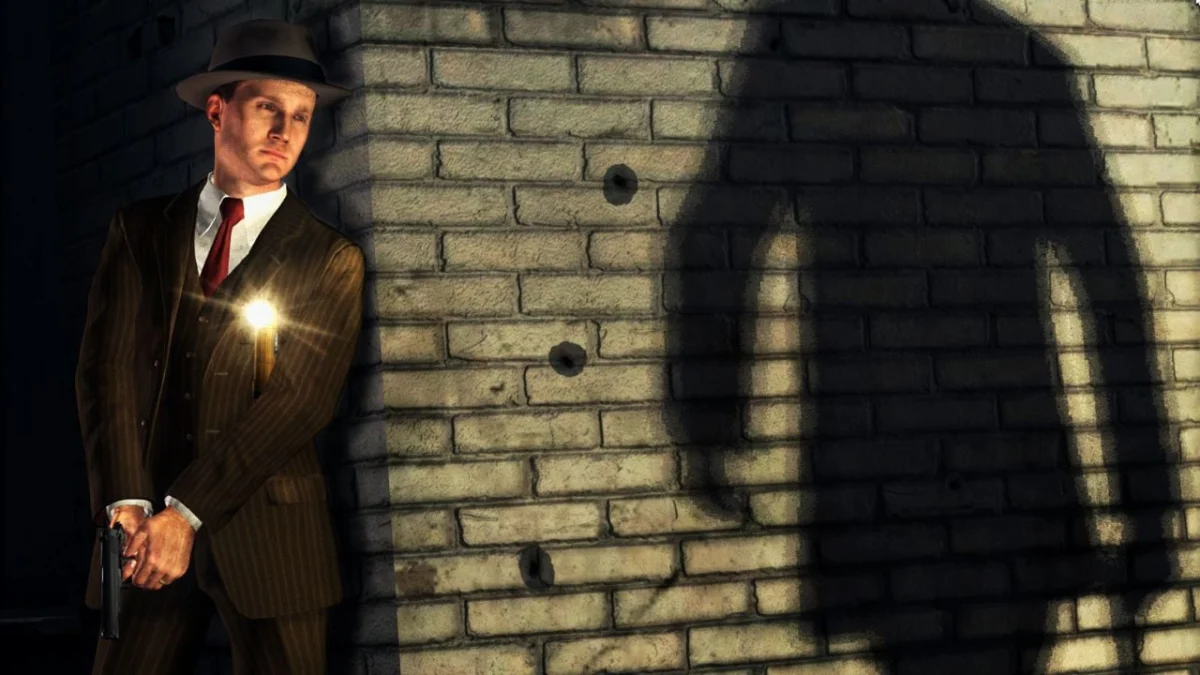
In the pantheon of iconic video game protagonists, few are as distinct as Cole Phelps, the rigid, war-hardened detective at the center of Rockstar Games’ 2011 masterpiece, L.A. Noire. With his sharp jawline, period-accurate fedora, and a moral compass as complex as the post-war Los Angeles skyline, Phelps remains a landmark in performance-capture technology. However, recent revelations from behind the scenes suggest the game’s aesthetic and narrative trajectory could have looked significantly different.
Jon Hamm, the Emmy-winning star of Mad Men, was once a primary contender for the lead role of Cole Phelps. While the role ultimately went to Aaron Staton—who played Ken Cosgrove on the same critically acclaimed series—the disclosure of Hamm’s near-casting provides a fascinating "what-if" scenario for one of the most ambitious titles in gaming history.
The Casting Crossover: A Hollywood-Gaming Convergence
The decision to look toward the cast of Mad Men was not a coincidence. During the development of L.A. Noire, which was helmed by Team Bondi and published by Rockstar Games, the production utilized a shared casting director between the game and the AMC television phenomenon.
In the late 2000s, Mad Men was at the height of its cultural influence, capturing the precise aesthetic of mid-century America that L.A. Noire sought to replicate. This synergy allowed developers to pull from a talent pool that was already adept at navigating the nuanced, often dark interpersonal dynamics of the 1940s and 50s. While Aaron Staton eventually secured the role, making Cole Phelps a household name in gaming, the internal discussions at Rockstar once leaned toward a much more seasoned, commanding presence.
The "Jack Kelso" Theory: Why Hamm Didn’t Fit the Badge
Daniel McMahon, a key writer on L.A. Noire, recently offered insight into the casting process during an interview with IGN. According to McMahon, while Jon Hamm was under serious consideration, the team ultimately realized that his persona—defined by the stoic, authoritative, and unflappable Don Draper—did not align with the narrative arc of Cole Phelps.
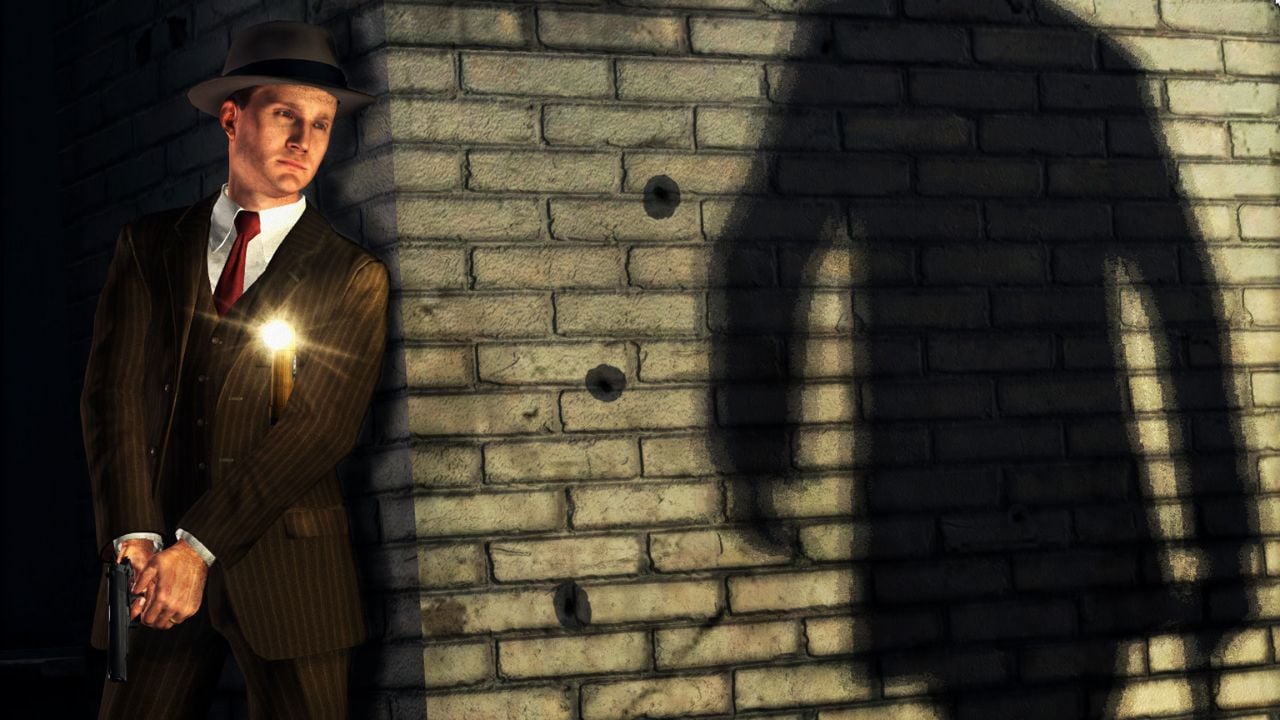
"It was never said at the time, but now, I understand the vision which was: Jon Hamm is a wonderful actor, but he’s not Cole Phelps," McMahon explained.
The rationale behind the pivot was rooted in character vulnerability. Cole Phelps is not a polished hero; he is a man constantly struggling to reconcile his wartime trauma with the corruption of the LAPD. He is often depicted as out of his depth, occasionally erratic, and desperately trying to maintain control in a world designed to break him.
"Aaron Staton was much better at portraying Cole’s fragility," McMahon added. "A lot of the time, Cole’s flapping around having no idea what he’s doing. He’s very smart, but he’s also young, not very experienced, and he’s just trying his best."
McMahon further noted that had Hamm been cast, he would have been a far better fit for the role of Jack Kelso, the hardened private investigator and war veteran who serves as a crucial foil to Phelps. "Jon Hamm would’ve been a much better Jack Kelso because he’s a character of great power, he’s a character of control. Jon Hamm knows what he’s doing and gets s*** done."
A Retrospective on L.A. Noire’s Technical Ambition
To understand why casting was such a high-stakes endeavor for L.A. Noire, one must look at the game’s revolutionary technology. L.A. Noire was the first game to utilize "MotionScan," a proprietary performance-capture technology that utilized 32 cameras to record an actor’s face from every angle.
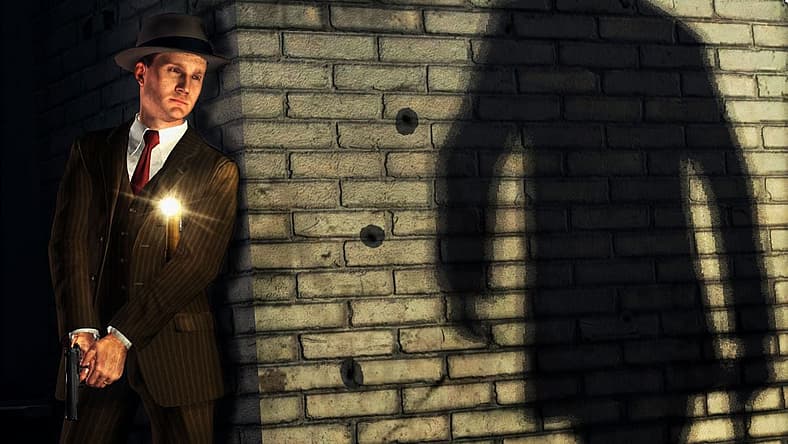
The goal was to create a game where players could read the facial expressions of suspects to determine if they were lying. This technology required actors to be not just vocally capable, but physically expressive in a way that had never been required in the industry before. Aaron Staton’s performance was pivotal to this, as he had to convey internal conflict solely through subtle eye movements and micro-expressions, a feat that arguably defined the game’s legacy.
The Legacy of the Franchise: Hopes and Hurdles
The revelation regarding Jon Hamm has reignited public interest in a franchise that has remained largely dormant for nearly a decade and a half. Since its 2011 release, L.A. Noire has maintained a cult following, with players continuously asking for a sequel or a modern remake.
The journey for a follow-up has been rocky. A spiritual successor, titled Whore of the Orient, was in development but was eventually cancelled, leaving fans with a void that has yet to be filled. The industry has evolved significantly since 2011, and the prospect of a new detective game in the Rockstar catalog remains a tantalizing "what if" for millions of fans.
Official Stance: Strauss Zelnick and the Future of Legacy IP
Hope for the franchise was recently buoyed by comments from Strauss Zelnick, the CEO of Take-Two Interactive (Rockstar’s parent company). While speaking at the iicon video game executive conference, Zelnick addressed the potential for resurrecting older intellectual properties within their library.
"Broadly, we’re looking at doing something in the future with all of our intellectual property," Zelnick stated. While he was careful to manage expectations, noting that there is "nothing to announce on L.A. Noire specifically," he did not rule out the possibility.
Zelnick’s comments highlighted the internal philosophy of the company: "With regard to our legacy IP, the teams are always looking at what we have and we’re always thinking about it. The question is, at any given time, do we have a team that’s passionate about working on that?"
This approach suggests that a potential L.A. Noire project is not a matter of "if" but "when" a creative team within Rockstar finds the right spark to revisit the dark, neon-soaked streets of 1947 Los Angeles.
Implications: The Evolution of Actor-Driven Gaming
The fact that a star of Jon Hamm’s caliber was considered for a video game role in 2011 underscores how early the industry was pivoting toward "Hollywood-style" productions. Today, the lines between film, television, and gaming are almost entirely blurred, with A-list actors frequently headlining major titles.
However, the lesson from L.A. Noire serves as a reminder to developers: casting is not merely about star power. It is about the specific alignment between an actor’s range and the character’s emotional narrative. By opting for Staton over the more recognizable Hamm, the developers of L.A. Noire prioritized the integrity of the character’s "fragility" over the draw of a celebrity name.
In hindsight, this decision likely saved the game’s narrative identity. Had the audience been constantly distracted by the presence of a "Don Draper" figure, the specific, grounded tragedy of Cole Phelps might not have resonated as deeply as it did.
Final Thoughts
As we look back at the development of one of gaming’s most unique detective stories, the "what-if" of Jon Hamm serves as a window into the complex, collaborative, and often serendipitous process of game design. L.A. Noire stands today as a testament to the importance of character-driven storytelling in the medium. Whether we ever see a return to the streets of post-war LA remains to be seen, but the conversations surrounding its history ensure that its influence continues to loom large over the industry.
For now, fans are left to imagine the noir-drenched atmosphere of the game with a different lead, while appreciating the performance that ultimately defined the experience. As the gaming landscape continues to mature, the story of Cole Phelps will undoubtedly remain a case study in how to perfectly marry performance, technology, and narrative vision.