Basiran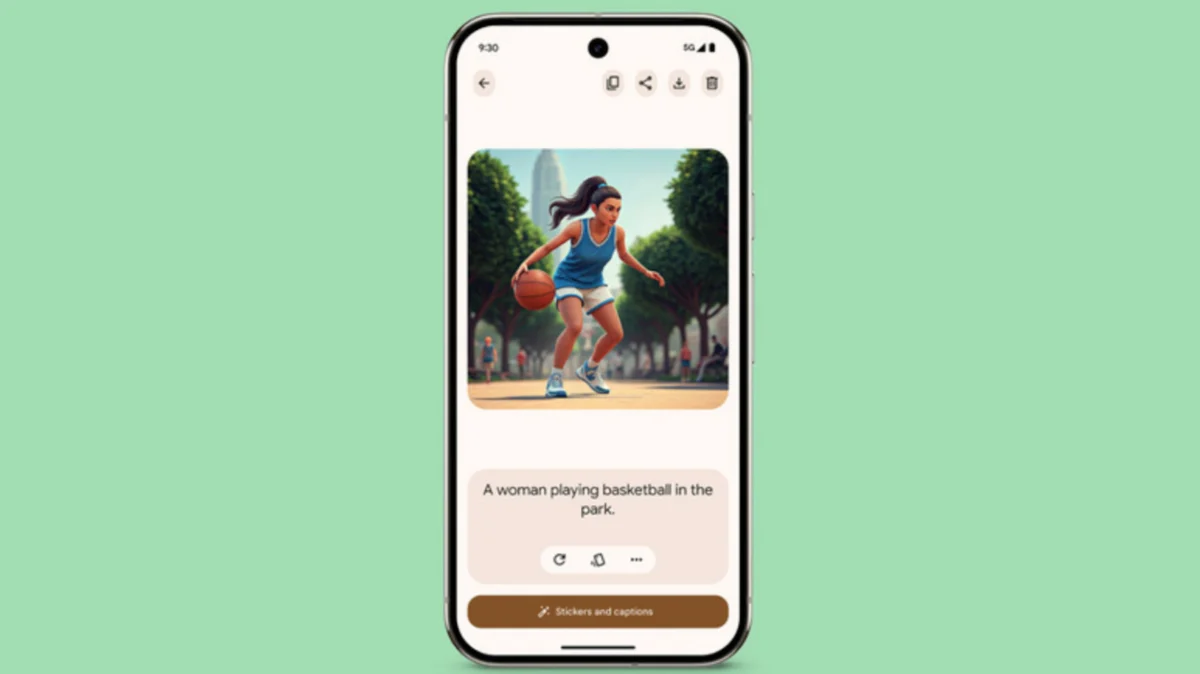
The landscape of Google’s software ecosystem is shifting once again, marked by the definitive closure of Pixel Studio. Less than two years after its high-profile debut, the AI-powered image generation application has been officially shuttered via a mandatory software update. This move, while signaled months in advance, represents a significant consolidation of Google’s generative AI efforts, pushing users away from standalone, device-specific tools toward the centralized, multimodal experience offered by Gemini.
For users who grew accustomed to the quick-trigger AI image generation capabilities of their Pixel devices, the transition is stark: the app icon now functions as a gateway to Google’s flagship AI platform, leaving many to wonder if the "Pixel-exclusive" magic has been permanently diluted.
Main Facts: The End of an AI Experiment
The closure of Pixel Studio was confirmed in early June 2026, following a rollout of a terminal software update that effectively "bricks" the application. Upon opening the app post-update, users are no longer met with a creative canvas or sticker-making interface. Instead, they are presented with a singular, prominent prompt: "Open Gemini." This button redirects users to the Google Play Store or their existing Gemini installation, effectively funneling the entire Pixel user base into the broader Google AI ecosystem.
Beyond the redirection, the update suggests that users pivot to "Nano Banana"—Google’s latest iteration of localized image generation—within the Gemini interface. This shift signifies that Google is moving away from maintaining a dedicated, standalone app for generative art, favoring a unified assistant that can handle text, code, and image generation under one roof. The move has been widely documented by industry observers, including 9to5Google, who noted that the transition is part of a broader "spring cleaning" of Google’s software portfolio.
A Chronology of the Pixel Studio Lifecycle
The rise and fall of Pixel Studio offers a condensed case study in the rapid, often volatile evolution of consumer-facing generative AI.
The Launch: A Flagship Feature (2024)
Pixel Studio arrived in 2024 as a cornerstone feature of the Pixel 9 series. At the time, Google was in the midst of an aggressive push to define the "AI Phone" category. Pixel Studio was marketed as a creative powerhouse, allowing users to generate complex images from simple text prompts and transform personal photos into custom stickers. It was pitched as a hallmark of the Tensor chip’s capabilities—a tool that felt native, responsive, and deeply integrated into the Android experience.
The Peak: Expansion and Feature Growth (2025)
By early 2025, Google had bolstered the app with substantial content updates. The app gained the ability to generate images and stickers of people, a significant technical hurdle that highlighted Google’s progress in image synthesis. It was a period of optimism, where the app was positioned as a permanent fixture of the Pixel experience, differentiating the hardware from competitors like Samsung and Apple.
The Decline: Signaling the End (February 2026)
The writing on the wall appeared in February 2026, when Google officially announced plans to wind down the service. In the months that followed, the company engaged in a slow-motion dismantling of the app’s features. The photo editor, once a robust suite of AI-assisted tools, was progressively stripped of its advanced functionality. These incremental removals served as a "soft landing," preparing the user base for the eventual permanent closure.
The Finality: The Update (June 2026)
The June 2026 update served as the final chapter. With the app effectively removed from the functional ecosystem, Pixel Studio has now joined the infamous "Google Graveyard," a community-maintained chronicle of the hundreds of products, services, and apps that Google has launched and subsequently abandoned over the last two decades.
Supporting Data: Why the Consolidation?
The decision to shutter Pixel Studio is not merely about removing a single app; it is a strategic maneuver rooted in resource allocation and user behavior.
1. Unified User Experience (UX)
Google’s current internal philosophy prioritizes the "Gemini-first" approach. By forcing users into the Gemini interface, Google ensures that the AI model receives more data, more engagement, and more reinforcement learning opportunities. A standalone app like Pixel Studio created a siloed environment that, while useful, prevented Google from cross-pollinating the user’s creative activity with their search, email, and document data.
2. Technical Overhead
Maintaining a standalone image generation app requires constant updates to account for new security patches, changing Android APIs, and evolving model weights. By centralizing these tasks within Gemini, Google reduces its maintenance burden. The introduction of "Nano Banana" as an integrated tool suggests that Google has found a way to run high-quality image generation more efficiently within the Gemini framework than as a separate, heavy application.
3. The "Nano" Advantage
The reference to "Nano Banana" points to Google’s advancements in on-device AI. By shifting the workload to a more streamlined, specialized engine, Google can likely offer faster image generation with a lower memory footprint, which is crucial as the company looks to expand its AI capabilities to lower-end devices.
Official Responses and Industry Reaction
Google has remained characteristically sparse in its official communication regarding the closure, largely relying on in-app prompts and existing support documentation. However, the tech community has been vocal.
Developers and tech influencers, such as AssembleDebug (Shiv), were among the first to highlight the finality of the update. The sentiment among the enthusiast community is one of frustration and resignation. Many users enjoyed the dedicated nature of Pixel Studio, citing its specific focus on creativity as a welcome break from the cluttered, text-heavy interfaces of standard AI chatbots.
Critics of the move have pointed out that Google’s habit of "killing" apps—often referred to as the "Google Graveyard" phenomenon—creates a sense of unreliability. If a flagship feature of a premium smartphone can be removed in less than two years, consumers may become more hesitant to rely on proprietary software features in future hardware purchases.
Implications: What This Means for Pixel Users
The shuttering of Pixel Studio has broad implications for the future of mobile software and AI integration.
The Death of Niche Tools
We are entering an era where specialized, single-function apps are becoming obsolete. As Large Language Models (LLMs) and Multimodal Models (LMMs) grow more capable, the "App Store" model is being challenged by the "Agent" model. Instead of downloading an app to edit photos, an app to generate text, and an app to summarize meetings, users will increasingly interact with a single, omnipotent AI assistant.
Hardware-Software Decoupling
Historically, Pixel devices were sold on the promise of "exclusive features." When Google removes these features, the value proposition of the hardware changes. This creates a challenging dynamic for the Pixel line: if the software experience is identical to what is available on a competitor’s phone via the Gemini app, Google must work harder to differentiate its hardware through build quality, camera optics, and battery performance.
The Trust Deficit
There is a long-term risk to Google’s brand reputation. When users invest $800 to $1,000 in a premium smartphone, they expect the software to evolve, not disappear. While Google provides a substitute (Gemini), the loss of the original app’s specific workflow is a friction point. If the company continues to sunset apps with such regularity, it may impact user loyalty and brand trust, particularly among power users who prioritize consistency.
Conclusion: Looking Ahead
Pixel Studio’s demise is a microcosm of the current tech industry’s pivot toward AI centralization. For Google, the goal is clear: become the primary interface for all digital interactions. By integrating the capabilities of Pixel Studio into Gemini, Google is betting that the convenience of an "everything app" outweighs the benefits of a dedicated creative tool.
For the average user, the transition may be seamless, but for the digital creative, it marks the end of an era where specialized software defined the smartphone experience. As we move forward, the question remains: will the consolidation of these services into Gemini truly lead to a more powerful user experience, or will it result in a diluted, "one-size-fits-all" interface that lacks the nuance and specialized utility of the tools it replaced? Only time will tell if "Nano Banana" and Gemini can truly fill the creative void left by the now-departed Pixel Studio.

 Jia Lissa
 Neng Nana