Lina Irawan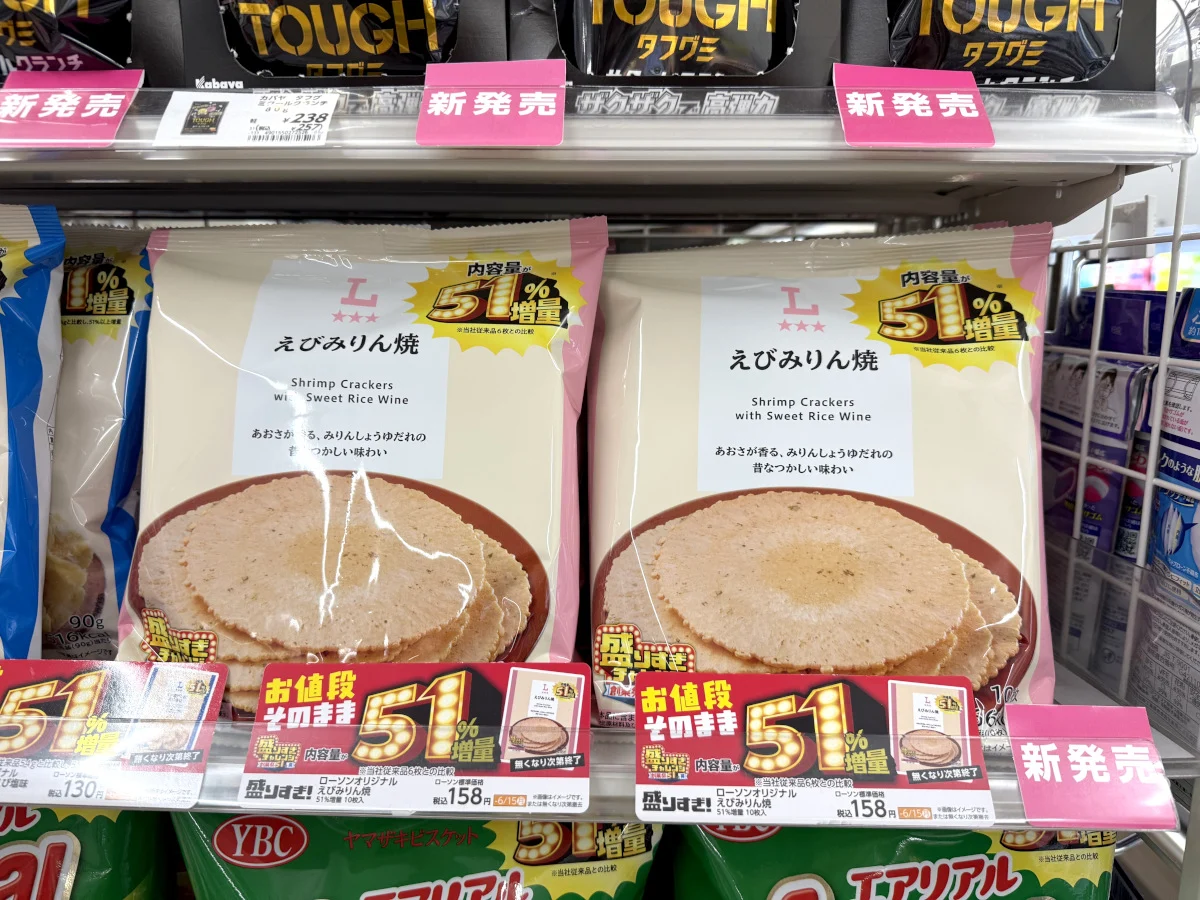
In the fast-paced world of Japanese retail, convenience stores—or konbini—are far more than mere pit stops for a quick snack. They are laboratories of culinary innovation, constantly pushing the boundaries of what can be mass-produced, packaged, and served under fluorescent lights. Currently, Lawson, one of Japan’s "Big Three" convenience chains, is making waves with a bold, gluttonous initiative titled the "Super Happy Too Much! Challenge."
This campaign, which has already entered its second week, has captured the attention of social media users and food critics alike. By offering a selection of products with significantly increased volume at no extra cost, Lawson is effectively testing the limits of consumer appetite and the logistics of extreme portion control.
Main Facts: The Anatomy of the “Too Much!” Campaign
The "Super Happy Too Much! Challenge" is a strategic marketing and promotional effort aimed at driving foot traffic by capitalizing on the viral nature of "extreme" food. The campaign features a rotating roster of 10 items, all of which have been "upsized" to an almost comical degree.
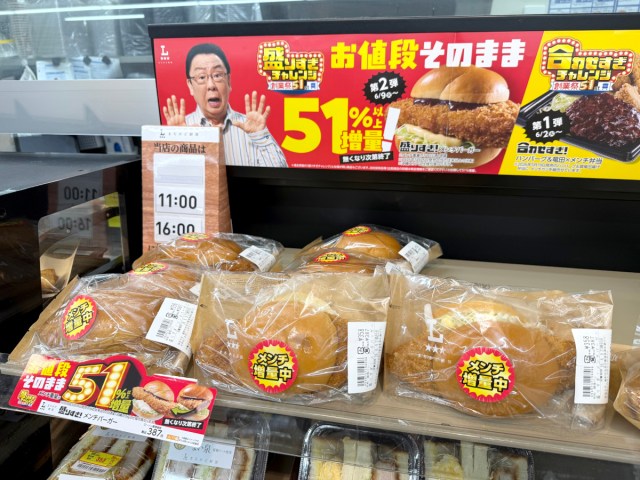
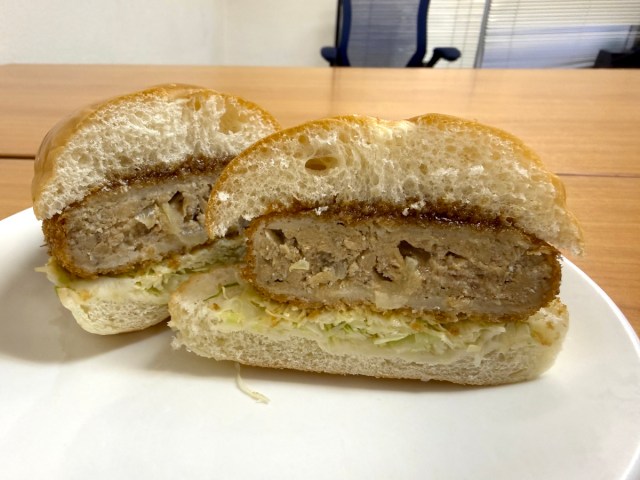
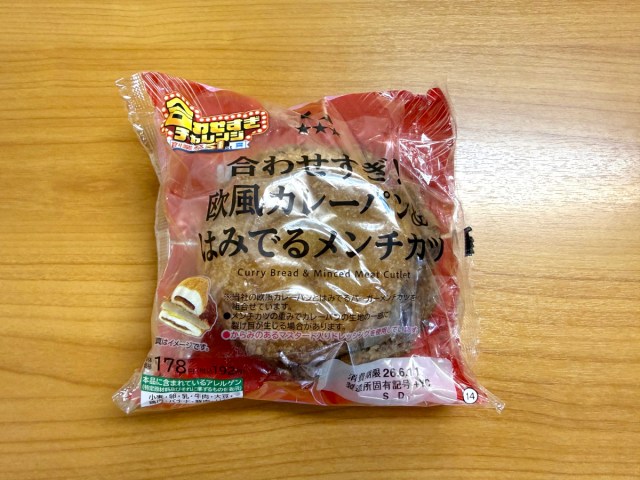
The core of the appeal lies in the value proposition. In an era of rising costs, receiving 51 percent more of a product for the same price is a powerful draw. However, the campaign is not merely about volume; it is about the "spectacle of excess." Items like the Too Much! Menchi Burger and the European-Style Curry Bread & Jutting-out Menchi Katsu have become the faces of this movement, drawing crowds to Lawson’s "Machikado Kitchen" counters, where fresh, in-store preparation allows for these larger, more complex formats.
Chronology of the Challenge
The campaign officially launched on June 9, 2026, with an initial wave of products that focused heavily on flavor intensity—ranging from intensely salty snacks to hyper-sweet beverages.
- Week One (June 9–15): The focus was on "Extreme Sensations." Lawson rolled out beverages and snack variations that challenged the palate with polarizing levels of salt and sugar. This served as a "proof of concept" to gauge how far the average consumer was willing to go in search of novelty.
- Week Two (June 16–22): Following the success of the initial launch, the second week shifted toward physical volume. The introduction of the Too Much! Menchi Burger and the Curry Bread/Menchi Katsu hybrid signaled a pivot from flavor-based extreme to portion-based extreme.
As of mid-June, the campaign has maintained high visibility across Japanese social media platforms, with influencers and casual shoppers documenting their "unboxing" of these oversized meals.
Supporting Data: The Logistics of the Upsize
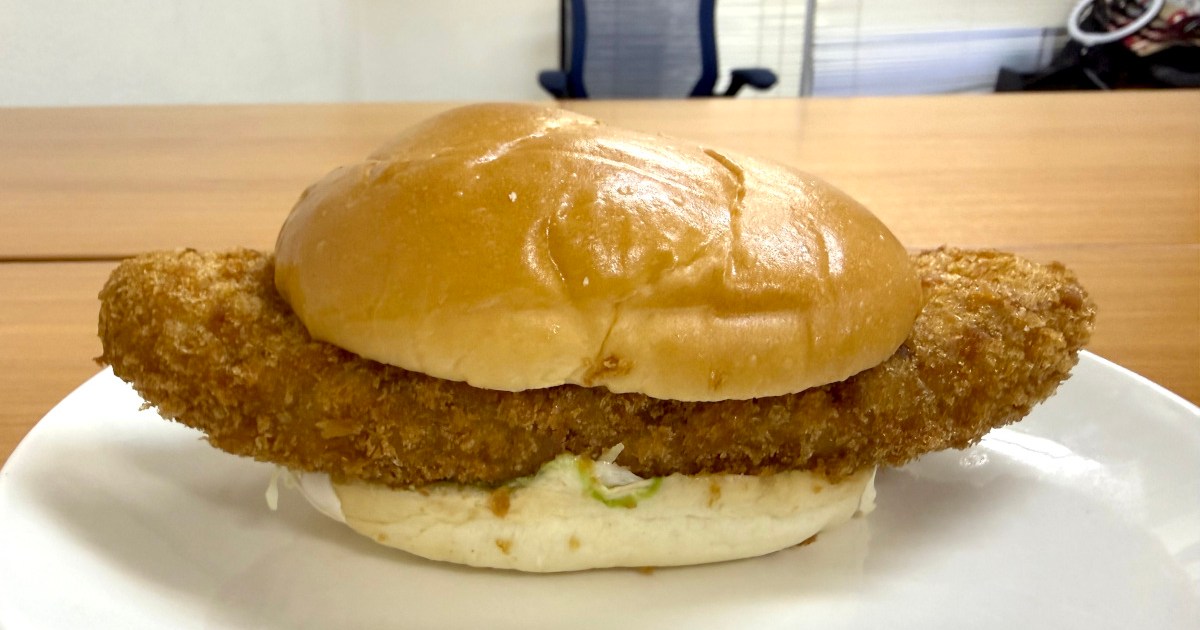
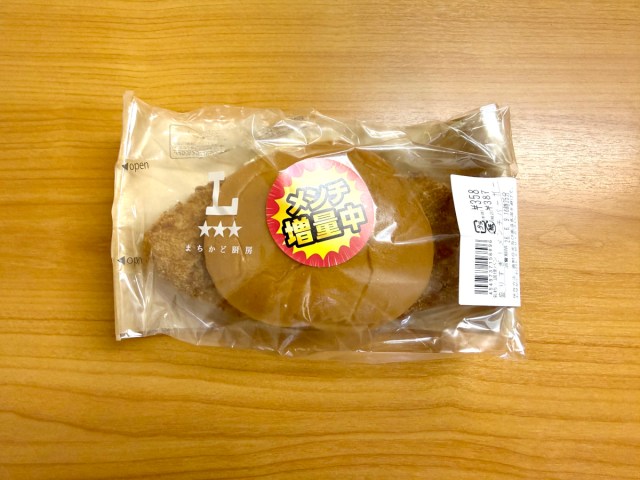
The success of the "Super Happy Too Much! Challenge" rests on the technical execution of these oversized portions. Take, for instance, the Too Much! Menchi Burger (priced at 387 yen, or approximately $2.41 USD). According to internal reports and observations, the menchi katsu (minced meat cutlet) patty has been scaled up by 51 percent in weight compared to its standard counterpart.
This is not a simple matter of swapping buns; it requires a complete re-engineering of the assembly process. The cutlet is now so large that it protrudes significantly from the sides of the bun—a visual hallmark that has become the campaign’s signature.
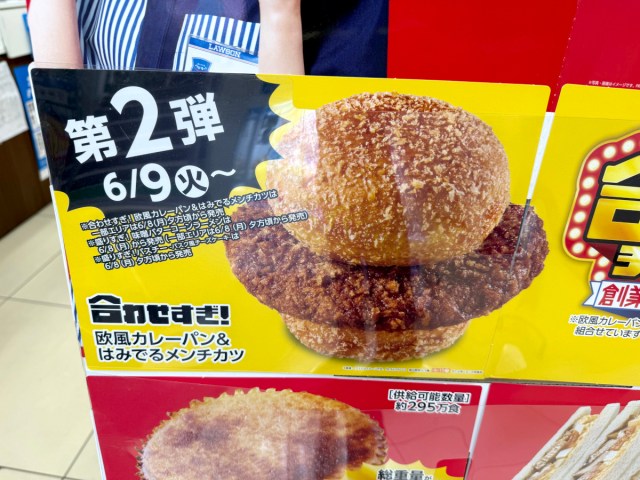
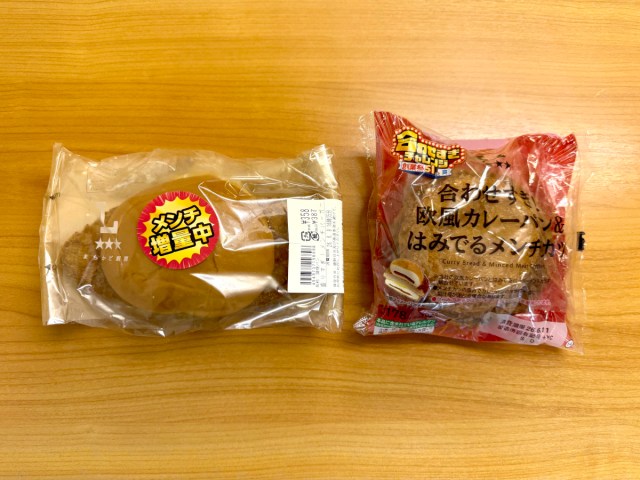
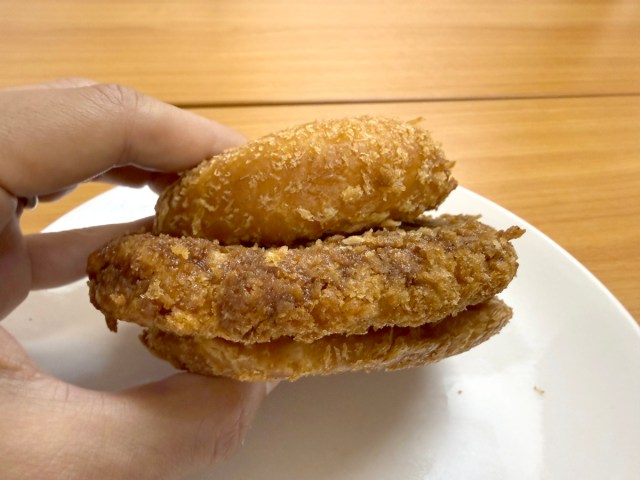
Furthermore, the European-Style Curry Bread & Jutting-out Menchi Katsu (192 yen) represents a more radical departure from standard manufacturing. By using two pieces of curry-filled bread as a "bun" for a full-sized menchi katsu, Lawson has created a triple-fry sandwich. The structural integrity of the bread must hold up to the weight of the meat, while the flavors must be balanced enough to prevent the product from being perceived as merely "greasy."
Official Responses and Corporate Strategy
Lawson’s public relations department has framed the campaign as an "appreciation of the customer." By providing "too much" food, they are attempting to create a sense of generosity that fosters brand loyalty.
Industry analysts suggest that this is also a highly effective inventory and logistics test. By limiting the availability of these items to specific stores with "Machikado Kitchen" facilities, Lawson is able to manage the production of these complex items without overtaxing their central supply chain. Furthermore, the "viral" nature of the product images acts as free advertising, reducing the need for traditional television or print campaigns.
There has been little in the way of negative feedback regarding the caloric density of these items. Instead, the discourse remains focused on the "fun" of the challenge, effectively shielding the brand from potential criticism regarding health and nutrition by positioning the products as a limited-time "experience" rather than a staple diet.
Implications: The Future of Convenience Store Dining
The long-term implications of the "Super Happy Too Much! Challenge" are significant for the Japanese retail landscape.
1. The "Experience" Economy
Lawson has demonstrated that convenience stores can compete with fast-food chains by offering "limited-time" culinary experiences. This shifts the role of the konbini from a place of necessity to a place of entertainment. If this trend continues, we may see more frequent, high-impact "stunt" products in Japanese convenience stores.
2. The Limits of Indulgence
The feedback regarding the Curry Bread & Menchi Katsu hybrid—specifically that it can be "overwhelming" for the taste buds—provides a valuable data point. There is a "threshold of indulgence" where the novelty of a product begins to compete with its palatability. Lawson’s ability to navigate this balance will dictate whether future campaigns are viewed as successes or mere gimmicks.
3. Sustainability and Waste
While the "Super Happy" campaign is currently a success, it raises questions about food waste. If the portions are truly "too much" for the average consumer—as some reports suggest, with customers recommending splitting the meal into two sittings—then Lawson must ensure that the packaging and storage instructions are clear to prevent spoilage.
4. Competitive Pressure
The success of this campaign will undoubtedly force competitors like 7-Eleven and FamilyMart to respond. We may soon see an "arms race" of portions across the industry, as each chain tries to outdo the other in terms of size, flavor intensity, and viral appeal.
Conclusion: A New Frontier of Convenience
The "Super Happy Too Much! Challenge" is more than just a marketing stunt; it is a fascinating glimpse into the evolution of consumer desires. By challenging the traditional boundaries of size and composition, Lawson has managed to turn a routine purchase into a noteworthy event.
Whether the trend of "extreme convenience" continues or eventually burns out as consumers return to more balanced diets, one thing is certain: the bar for what a convenience store can offer has been raised. As of today, the Too Much! movement continues to draw hungry, curious, and camera-ready patrons to Lawson locations across Japan, proving that in the world of modern retail, sometimes "too much" is exactly the right amount.


 Neng Nana
 Asro
Asro