Muslim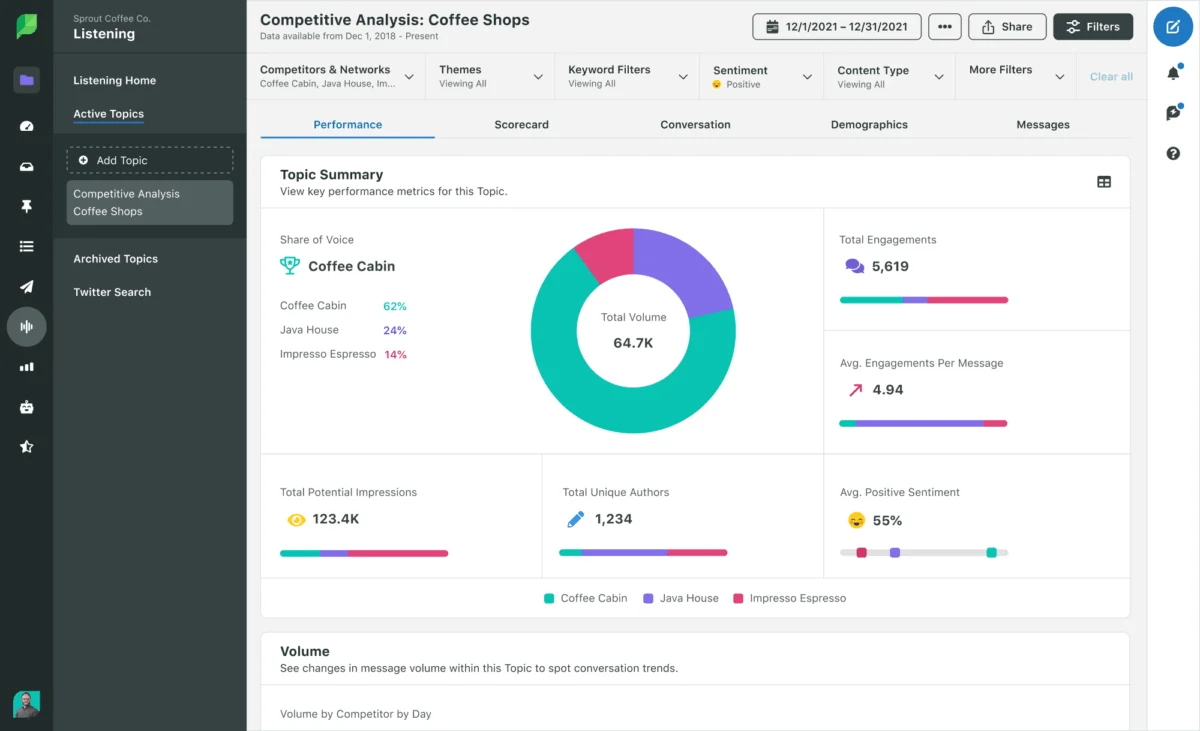
In the modern digital landscape, the question every social media manager eventually faces is one of fiscal pragmatism: Is this tool actually worth the subscription fee?
When comparing price tags across platforms, it is easy to succumb to the "sticker shock" trap, gravitating toward lower-cost or free tools under the assumption of a better deal. However, in the realm of social media management, the chasm between cost and value is often where hidden expenses reside. A tool that appears cheaper on the surface often masks the true costs of manual labor, fragmented data, and missed strategic opportunities.
The Economic Reality of Social Strategy
Recent data underscores this disconnect. According to a 2025 Total Economic Impact™ study conducted by Forrester Consulting, organizations leveraging Sprout Social achieved a return on investment (ROI) of 268% over a three-year period. With a net present value of $1.3 million and a payback period of less than six months, the study suggests that the platform’s cost is quickly eclipsed by the efficiencies it creates.
This is not merely a marketing claim; it is an independent, third-party validation that social media management is a business-critical function that requires robust, high-performance infrastructure rather than a patchwork of entry-level solutions.
Chronology of Platform Maturity: From Basics to Enterprise
The evolution of a social media team typically follows a predictable trajectory, and Sprout Social has structured its pricing model to mirror this growth, offering five distinct tiers.

1. The Foundation: Essentials ($79/seat/month)
Launched as an entry-level solution, the Essentials plan is designed for solo practitioners and small businesses. It provides a clean, powerful publishing workflow that replaces the chaos of native platform posting. Key capabilities include:
- Unified Publishing: Managing up to 5 profiles from a single window.
- AI-Powered Optimization: Utilizing ViralPost® technology to determine the exact moment to publish for maximum engagement.
- Collaborative Infrastructure: A shared content calendar and basic performance reporting.
2. The Growth Phase: Standard ($199/seat/month)
As teams move beyond simple publishing, the Standard plan introduces the "Smart Inbox." This feature centralizes messages, mentions, and comments from multiple networks into a single, actionable feed. This transition is critical for businesses that need to manage customer conversations and reputation monitoring without logging into five different dashboards.
3. The Professional Pivot ($299/seat/month)
The Professional plan serves as the most popular tier for a reason: it removes the "ceiling." By offering unlimited social profiles, it allows agencies and growing brands to scale without the friction of account caps. It adds deep-dive analytics, competitor benchmarking, and paid performance insights—essential for teams tasked with proving ROI to executive stakeholders.
4. The Intelligence Layer: Advanced ($399/seat/month)
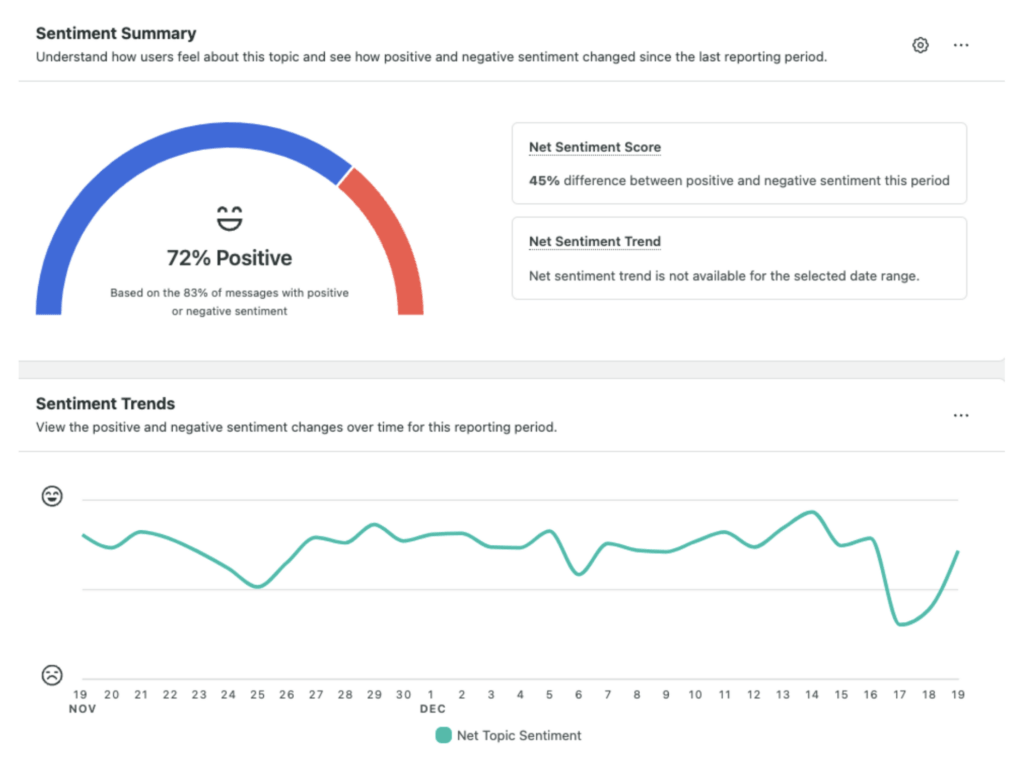
Advanced is designed for organizations where social media is an extension of customer care and business intelligence. With sentiment analysis, Message Spike Alerts, and native integrations with CRM systems like Salesforce and Zendesk, this tier transforms social media from a marketing channel into a proactive service engine.
5. The Enterprise Partnership (Custom Pricing)
At the pinnacle, the Enterprise tier is less of a software package and more of a strategic partnership. It is built for global organizations requiring SSO, white-glove onboarding, and dedicated implementation partners to manage complex, multi-brand, multi-region operations.

Supporting Data: The Cost of Inefficiency
To understand the "cheaper tool" fallacy, one must look at where the time actually goes. Before adopting centralized management, many teams spend upwards of 70% of their time on low-value tasks: scheduling, manually publishing, and hunting for data across disparate platforms.
Sprout Social’s Forrester-validated findings reveal significant productivity gains:
- 80% reduction in social media reporting time.
- 25% time reduction in influencer management.
- $223,800 in cumulative savings over three years by consolidating fragmented tools into one platform.
These figures illustrate that the "cost" of a tool is not just the monthly invoice; it is the opportunity cost of having your brightest talent manually stitching together reports instead of executing strategy.
Official Case Studies: Turning Data into Action
The effectiveness of these tools is best reflected in the success stories of major organizations.
- Pay.com.au: By integrating Sprout’s publishing and listening tools, the team improved its customer response rate from 20% to 98% in just one week.
- Salesforce: Managing over 150 social channels, Salesforce reported saving 12,000 hours in their first year, allowing their team to move ten times faster on community management.
- ScottsMiracle-Gro: Through the integration of Sprout with Salesforce Service Cloud, the company cut case resolution time by 50%, proving that social media, when properly supported, is a major pillar of customer satisfaction.
Implications: The "Cheaper Tool" Trap
When evaluating management software, teams generally choose between three categories: free scheduling tools, mid-tier platforms, and enterprise-grade ecosystems.
The Limitation of "Free"
Free and entry-level tools are built for simplicity. They allow for queuing posts and checking basic engagement. However, they lack the "intelligence layer." There is no way to see aggregate performance, no guidance on audience behavior, and no path to connecting social activity to business outcomes. When your goals shift from "posting consistently" to "growing the business," these tools hit a ceiling that necessitates a costly and disruptive platform migration.
The Hidden Costs of Mid-Tier Limitations
Mid-tier platforms often look attractive, but they frequently gatekeep the most vital features behind "add-on" pricing. Teams often find themselves paying for the base software, only to realize they must purchase separate modules for listening, deep-dive reporting, or AI assistance. The result is a fragmented tech stack that mimics the very inefficiency you set out to solve.
Strategic Decision-Making: Which Plan is Yours?
Choosing the right plan is an exercise in assessing your team’s current "social maturity."
- Choose Essentials if: You are tired of "cobbling together" free tools and need a professional foundation to build a scalable, data-backed strategy.
- Choose Standard if: You are managing real customer conversations and the volume of mentions across platforms has become too large for manual monitoring.
- Choose Professional if: You are hitting account limits, need to prove ROI via competitor benchmarking, or require rigorous content approval workflows.
- Choose Advanced if: Social media is mission-critical for your brand’s survival, requiring deep sentiment analysis, crisis alerts, and seamless integration with your existing CRM.
- Choose Enterprise if: You are managing a global, multi-layered organization that requires custom security, compliance, and dedicated support.
Final Assessment: The ROI of Capability
The evidence is clear: the most expensive social media management tool is the one that prevents your team from doing their best work. When your platform handles the heavy lifting of scheduling, reporting, and customer care, your team is free to focus on what matters: crafting high-quality content and building genuine, lasting connections with your audience.
As you look toward the future of your social media operations, the ultimate question is not whether you can afford the monthly cost of a comprehensive platform like Sprout Social, but whether you can afford the long-term impact of the inefficiencies caused by inferior tools. With 30-day free trials available across the board, the barrier to entry is minimal, allowing teams to test the value proposition firsthand before making a long-term commitment.
In a world where digital presence is synonymous with brand reputation, the investment in a robust, intelligent, and scalable platform is not just a marketing expense—it is a strategic imperative.


 Nana Wu
 Nana
Nana