Suro Senen
For many modern gamers, the AAA industry has become synonymous with homogenization. The pursuit of "four-quadrant" appeal and the massive financial risks associated with hundred-million-dollar budgets often lead to "safe" design choices: open-world checklists, live-service bloat, and a reliance on established, stagnant formulas.
As the industry faces a creative crossroads, many players have migrated to the indie scene, where the absence of corporate pressure allows for bold, experimental, and inherently original game design. However, a select group of AAA titles has managed to break the cycle. By adopting the mechanics, pacing, or niche philosophies typically reserved for independent projects, these games serve as a testament to the fact that big budgets and big ideas can coexist. Here are ten AAA games that dared to innovate within genres dominated by the indie spirit.

1. Death Stranding: The High-Budget "Walking Simulator"
When Hideo Kojima announced Death Stranding, the industry expected a standard action-adventure epic. What it received was a meditative, atmospheric odyssey that blurred the lines between a traditional game and a "walking simulator"—a genre previously reserved for experimental indie projects like Dear Esther or Firewatch.
The Anatomy of the Journey
Death Stranding focuses on the physical act of traversal. By introducing complex mechanics regarding balance, weight distribution, and environmental hazards, Kojima transformed the simple act of moving from point A to point B into the core gameplay loop. It is a game about the journey, not the destination.

Why It Stands Out
By wrapping a hyper-niche, philosophical gameplay loop in a massive, star-studded production, Death Stranding proved that AAA audiences are hungrier for innovation than publishers often assume. Its focus on "social strand" connectivity and its refusal to rely on conventional power fantasies make it the ultimate outlier in the blockbuster landscape.
2. Baldur’s Gate 3: Resurrecting the Party-Based RPG
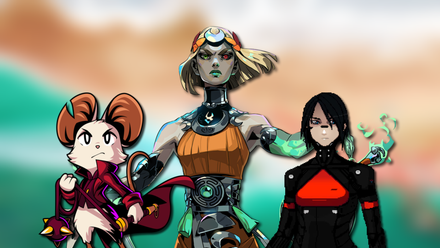
For years, the complex, turn-based, party-driven RPG was considered a relic of the PC gaming past, relegated to isometric indie darlings like Divinity: Original Sin or Pillars of Eternity. Larian Studios changed that narrative overnight.
The Return of Complexity
Baldur’s Gate 3 is a massive, reactive, and system-heavy experience that rejects the simplified combat systems common in today’s mainstream RPGs. It forces players to account for positioning, elemental interactions, and long-term resource management.
The Market Implication
The game’s unprecedented success serves as a direct rebuttal to the "streamlining" trend. It proves that players do not want their experiences diluted; they want depth, agency, and a level of narrative reactivity that matches the complexity of tabletop gaming.
3. NieR: Automata: The Genre-Fluid Masterpiece
NieR: Automata is, at its core, a bizarre experiment that shouldn’t work. PlatinumGames’ masterpiece constantly shifts its perspective and genre, jumping from third-person hack-and-slash combat to bullet hell, 2D platforming, and even top-down shmup segments.
Chronology of Chaos
The game demands that the player adapt constantly. Its narrative structure, which requires multiple "playthroughs" to reveal the full truth of its world, mirrors the experimental storytelling often found in indie visual novels. By rejecting a single, fixed identity, NieR: Automata remains one of the most unpredictable AAA experiences of the last decade.
4. Returnal: Bringing Bullet Hell to the Mainstream
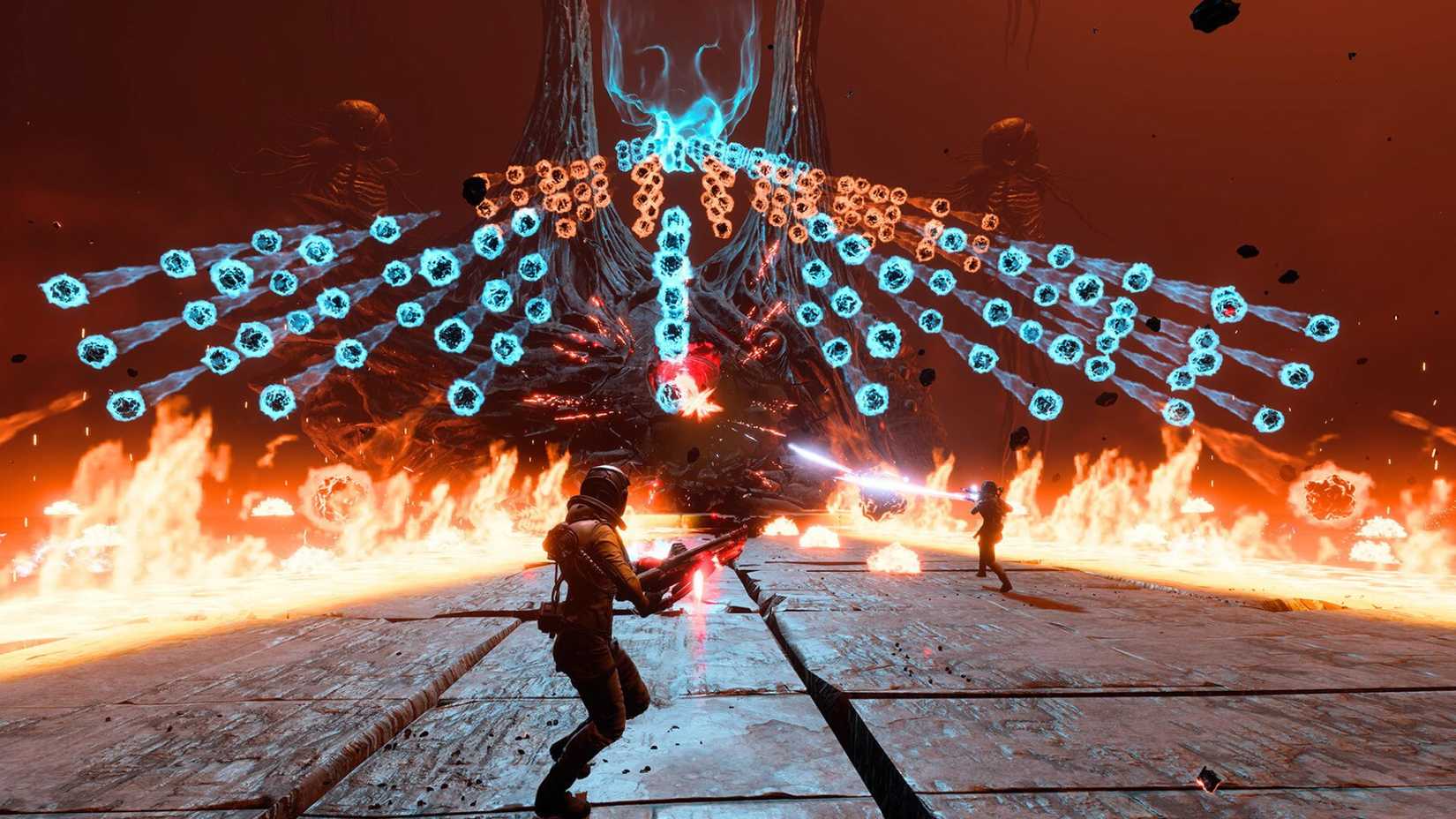
Roguelikes and "bullet hell" shooters are staples of the indie developer, often crafted by small teams with pixel-art aesthetics. Returnal, developed by Housemarque and published by Sony, brought these high-intensity, permadeath-driven mechanics to the PlayStation 5 with cutting-edge 3D graphics and haptic feedback.
The High-Stakes Experience
The game is unapologetically punishing. By maintaining the "loop-and-restart" philosophy of an indie roguelike while delivering a blockbuster visual experience, Returnal challenged the accessibility-first mindset that dominates much of the current AAA space.
5. Astro Bot: The Pure Platformer
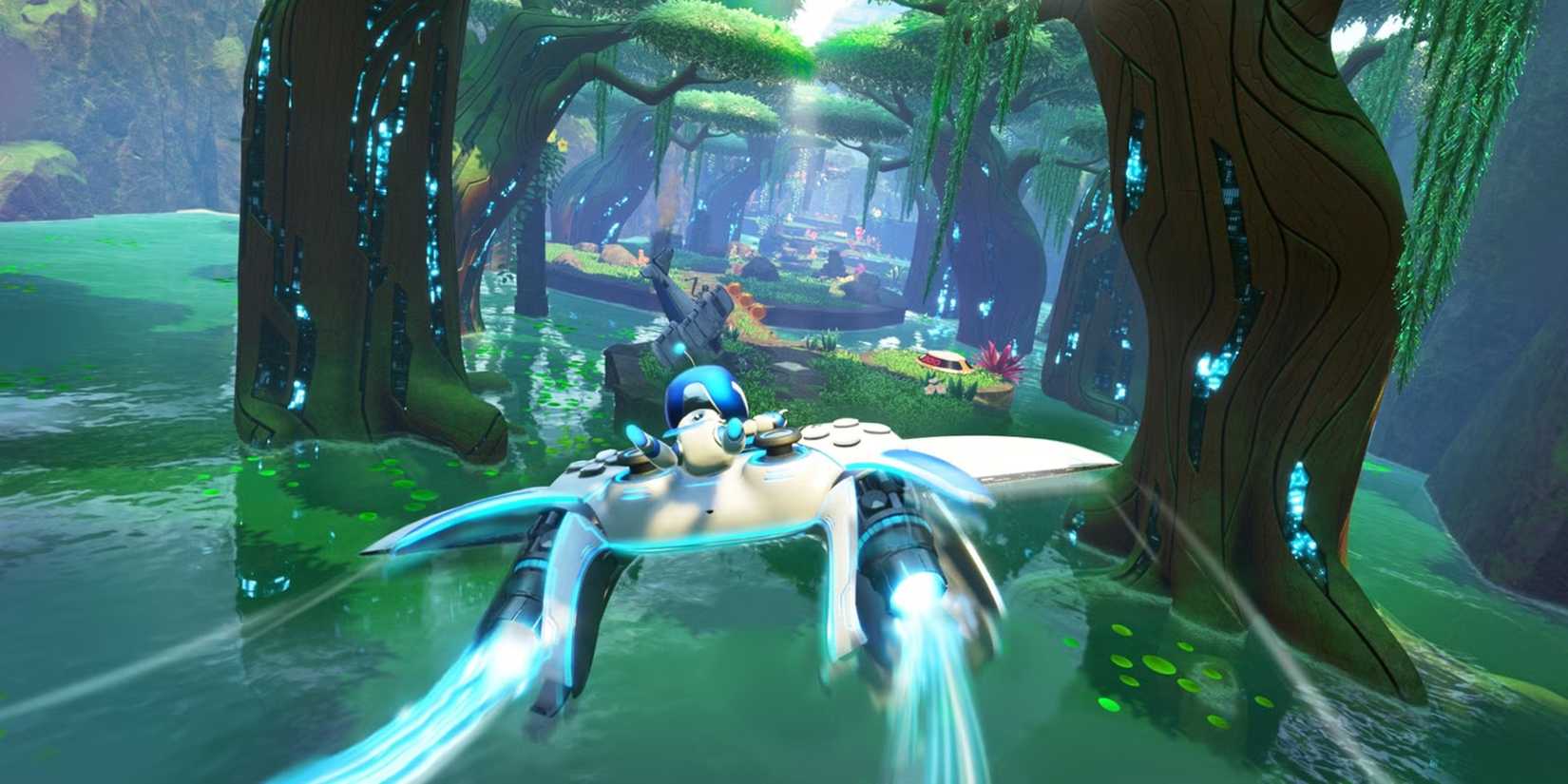
Platformers were the kings of the 90s, but they have largely been relegated to the indie space in the modern era. Astro Bot is a rare, vibrant, and joyful exception that proves "simple" fun remains a powerful commodity.
The Power of Design
Astro Bot ignores the industry trend toward "mature" and "dark" themes. Instead, it focuses on tactile, creative level design that celebrates the history of gaming. It is a rare AAA title that isn’t trying to be an epic, a simulator, or a live service—it is simply trying to be a perfect game.
6. Metroid Dread: The King Returns to His Throne
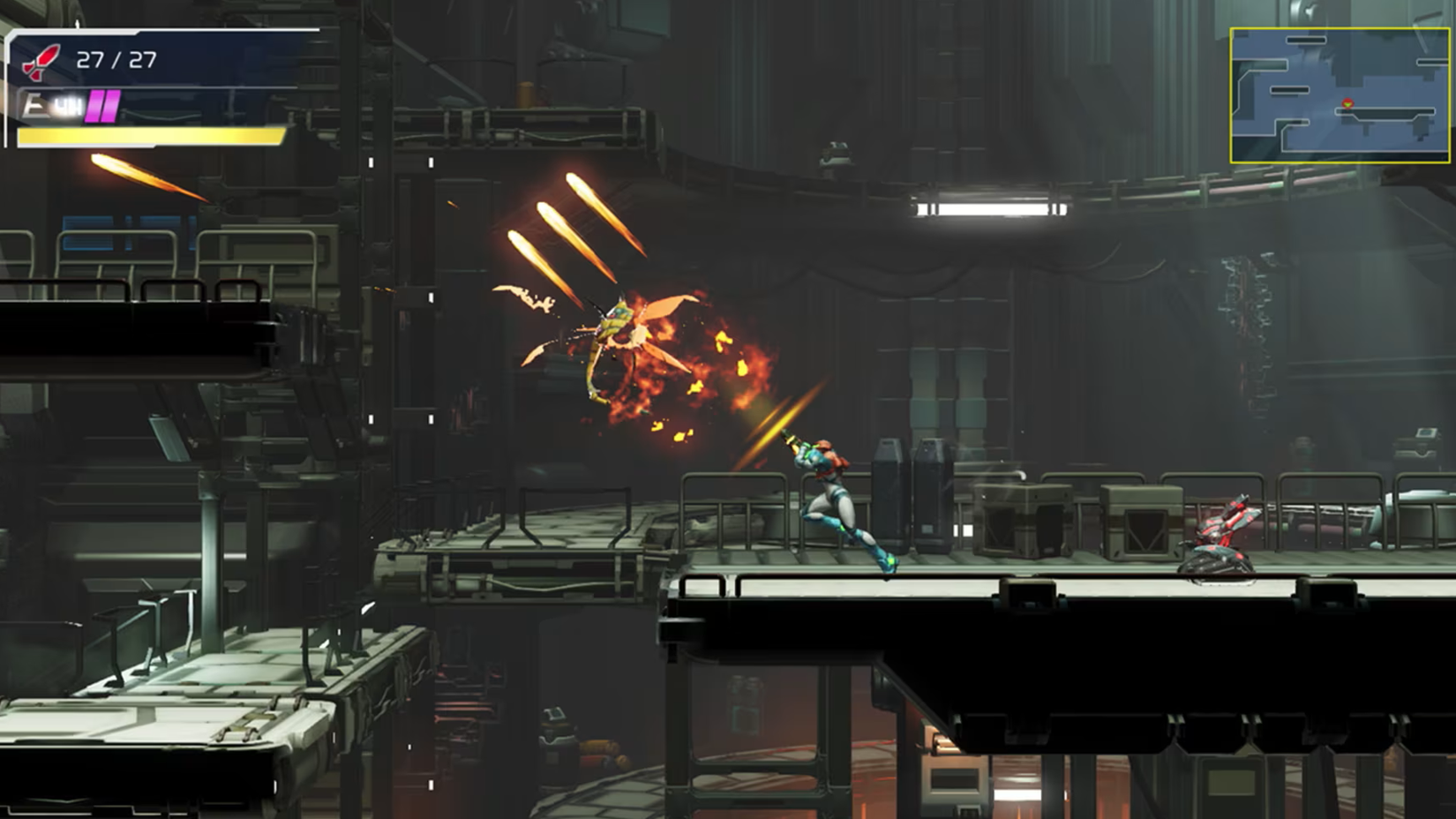
The Metroidvania genre is arguably the most crowded space for indie developers. From Hollow Knight to Blasphemous, small teams have spent the last decade perfecting the formula that Nintendo and Konami originally created.
Reclaiming the Mantle
With Metroid Dread, MercurySteam didn’t just imitate the genre; they refined it. By blending the classic exploration-heavy design of the original series with modern, fast-paced, and fluid combat, Metroid Dread reminded the world that the creators of the genre can still lead the pack.
7. Prey: Mooncrash
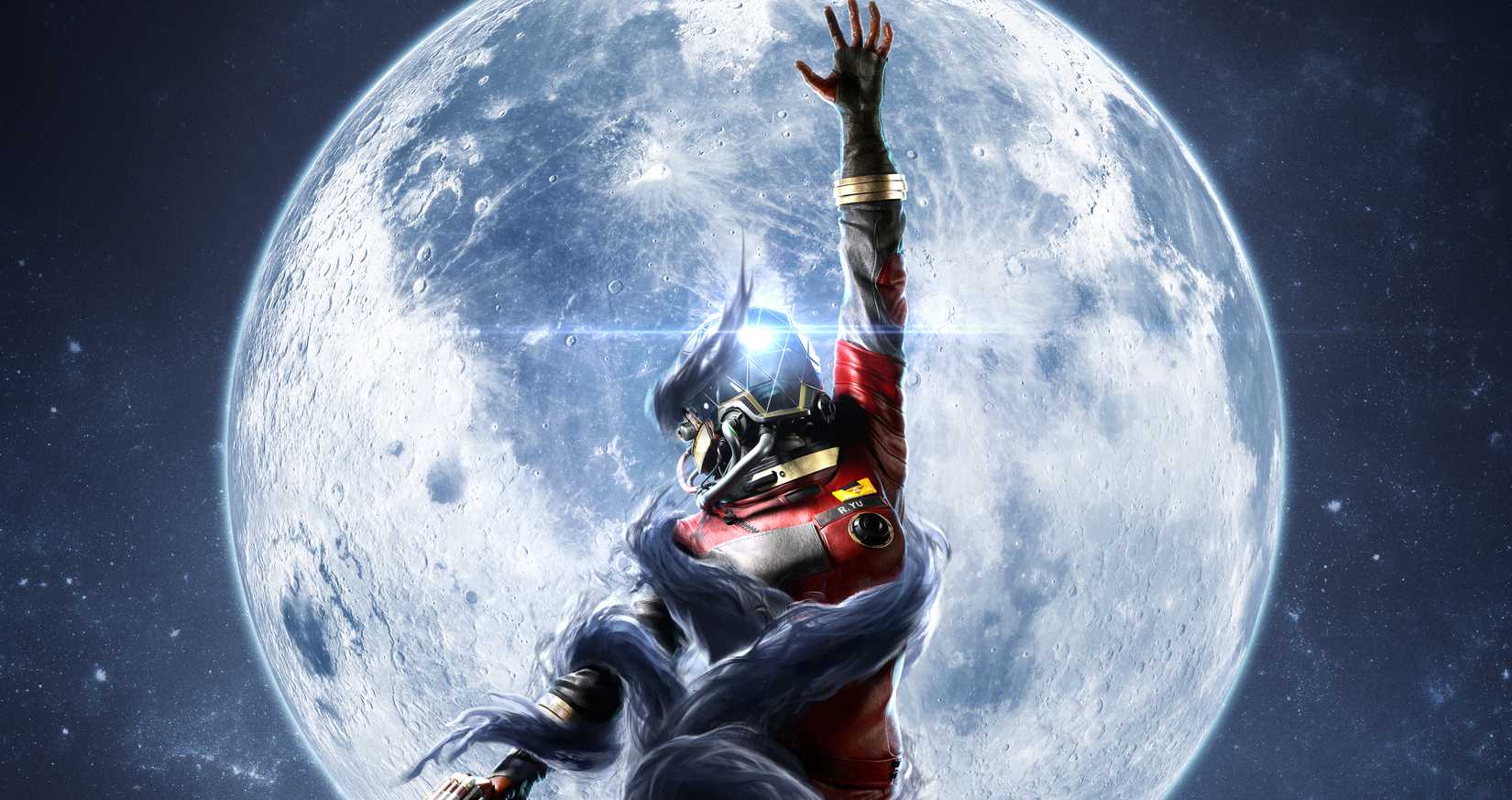
Arkane Studios has always been the master of the "Immersive Sim," but the Mooncrash expansion for Prey took a radical leap by introducing a procedural, roguelike structure to its sci-fi thriller.
Ever-Changing Simulation
The brilliance of Mooncrash lies in its replayability. By randomizing hazards, enemy placements, and objectives, it forced players to interact with the game’s deep systemic mechanics in ways that the base campaign never did. It is a masterclass in how a DLC can fundamentally alter a game’s DNA to provide a fresh, indie-style challenge.
8. Disney Dreamlight Valley: The Cozy Sim
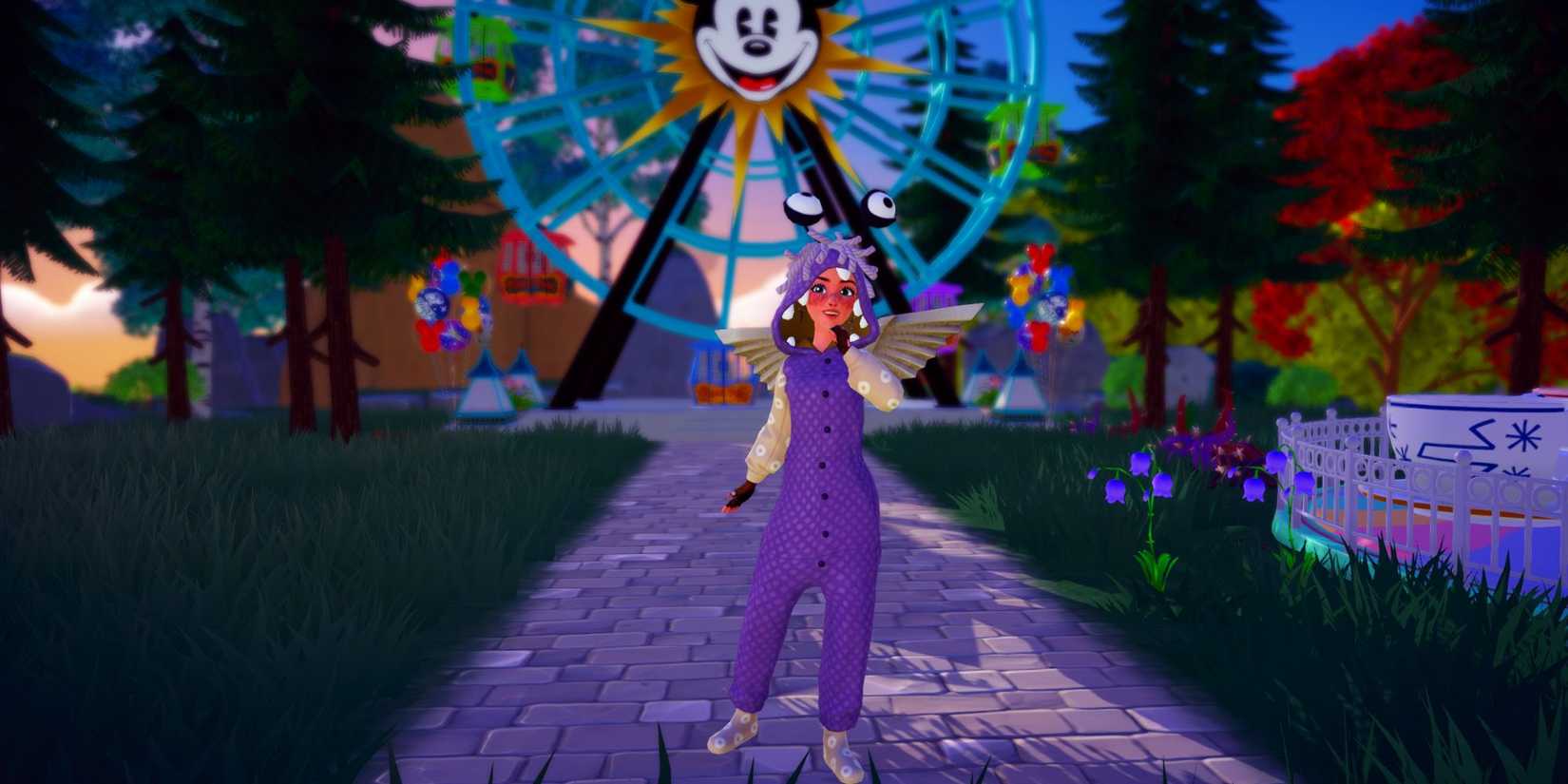
"Cozy" games have become a powerhouse in the indie sector, fueled by hits like Stardew Valley and Animal Crossing. Gameloft’s entry into this space with Disney Dreamlight Valley was initially met with skepticism, but it has proven to be a surprisingly robust, feature-rich simulation.
The Corporate Cozy
Despite its AAA origins, the game respects the conventions of the cozy genre—prioritizing player agency, decoration, and relationship building over conflict. It demonstrates that large publishers can successfully pivot to the "low-stakes" gaming market if they remain faithful to the genre’s core tenets.
9. Marvel’s Midnight Suns: Tactical Deck-Building
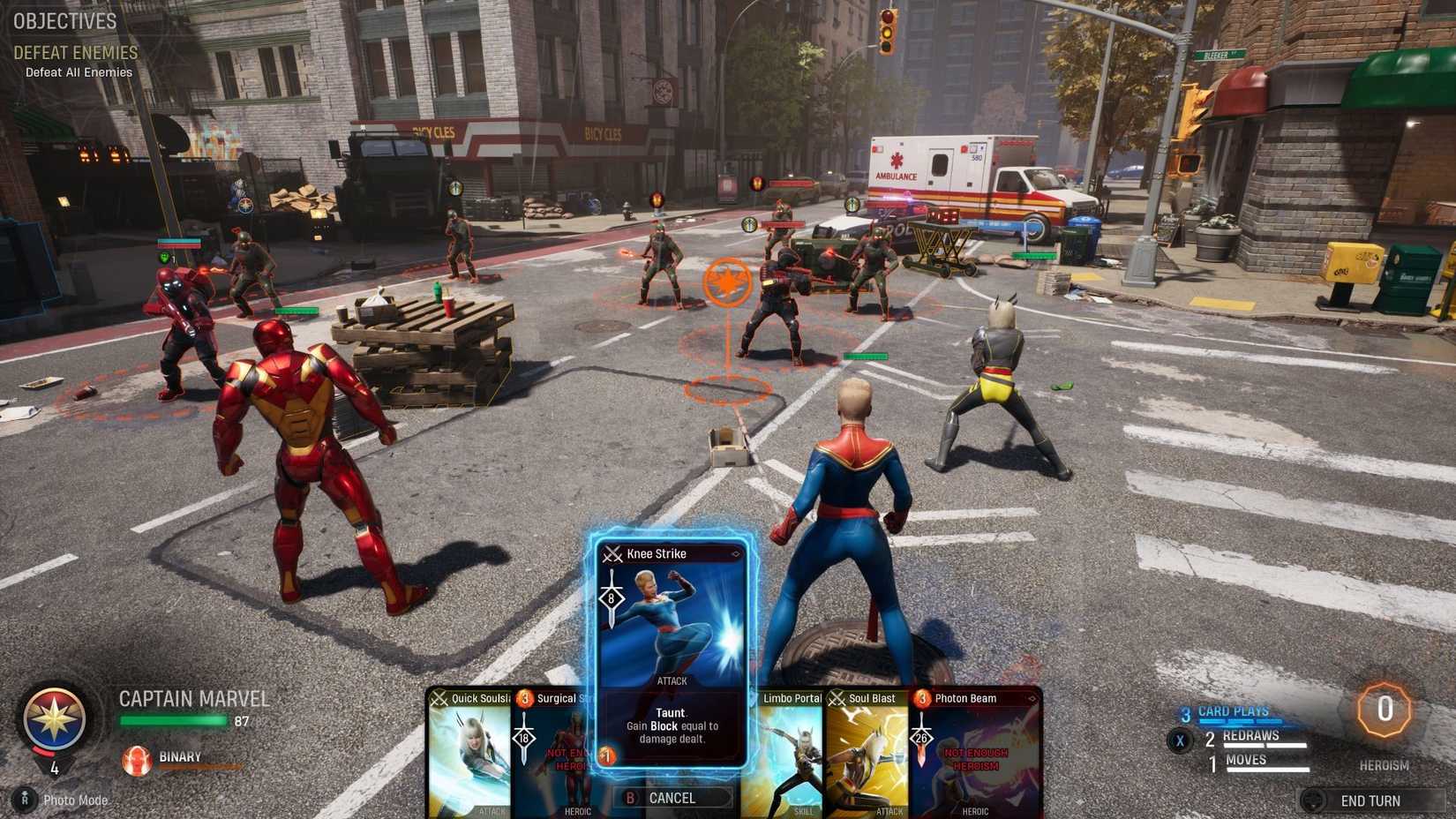
When a major studio creates a tactical, card-based RPG using the Marvel license, the result is usually a shallow, microtransaction-heavy mobile game. Marvel’s Midnight Suns defied every expectation by being a deep, thoughtful, and highly strategic turn-based game that would feel right at home in a curated indie collection.
Tactical Innovation
The game forces players to manage a deck of abilities, think in terms of environmental usage, and focus on social management outside of combat. It is an anomaly—a big-budget project that treats the player’s intelligence with respect, demanding tactical foresight rather than twitch reflexes.

10. Prince of Persia: The Lost Crown
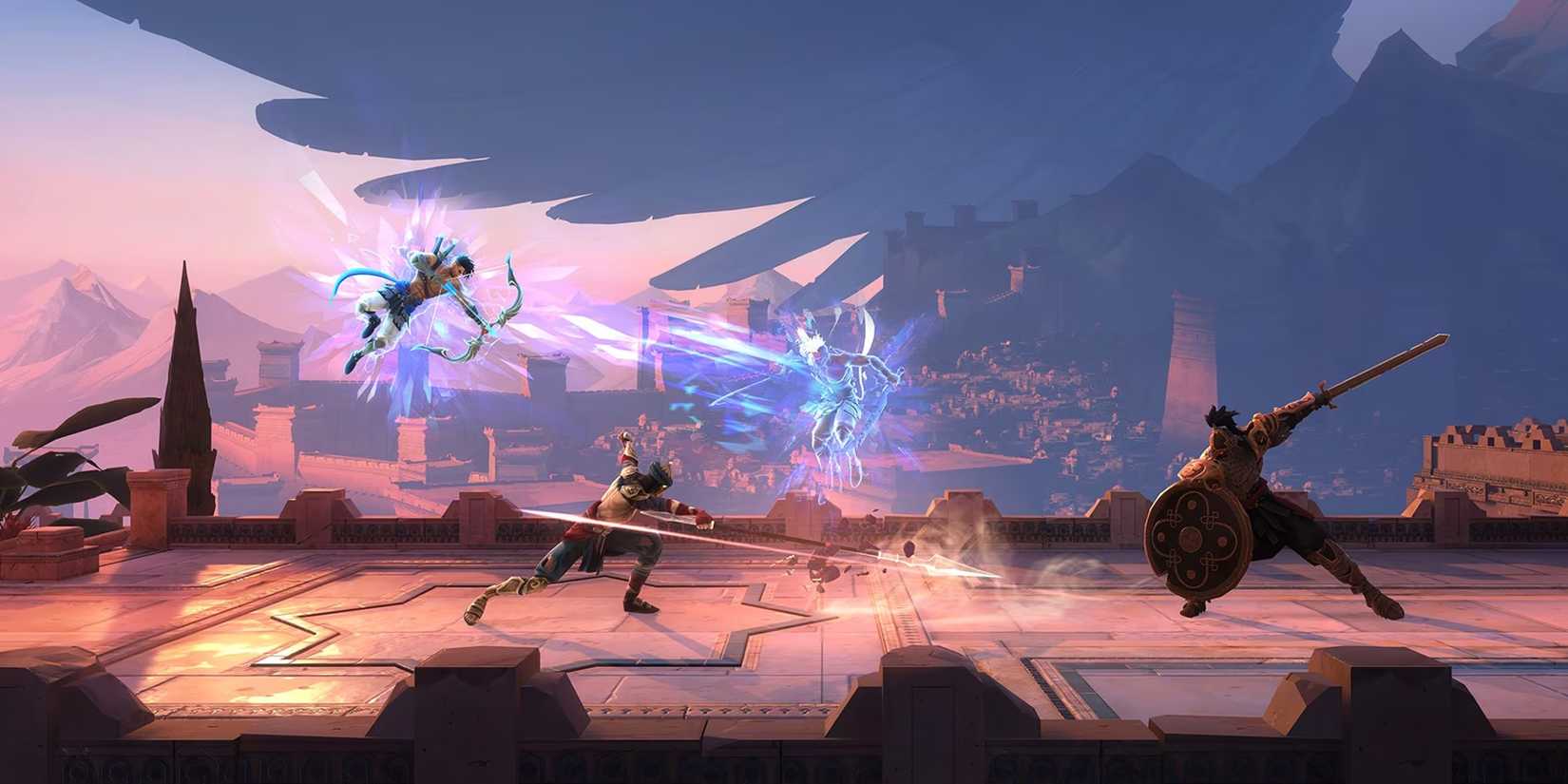
Ubisoft is often criticized for a "one-size-fits-all" approach to its massive open-world franchises. The Lost Crown was a necessary course correction. By returning to the 2D Metroidvania roots of the franchise, Ubisoft proved it still has the creative agility to pivot.
The Meticulous Craft
The game is defined by its attention to detail. Every platforming challenge and combat encounter feels deliberate and polished to a degree that only a studio with significant resources could achieve. It stands as a beacon for how legacy publishers can revitalize dormant IPs by embracing the genres that modern indie developers have so effectively championed.
Implications for the Future of AAA Gaming
The success of these ten titles suggests a shift in the wind. As the costs of producing "blockbuster" games continue to spiral, the risk of failure becomes existential.
Why "Indie-Inspired" AAA Works
- Focus over Bloat: These games prioritize tight, specific gameplay loops over massive, empty open worlds.
- Systemic Depth: They embrace mechanics that challenge players, moving away from the "press X to win" design philosophy.
- Genre Fluidity: They are unafraid to blend disparate genres to create unique experiences.
The industry is currently at a turning point. While massive, cinematic experiences will always have a place, the most exciting games of the next five years will likely be those that adopt the creative freedom and mechanical precision of the indie scene while utilizing the production polish of the AAA giants. For developers, the message is clear: innovation is not just a risk—it is the only way to stay relevant in a market that is increasingly valuing substance over scale.


 Asro
Asro
 Muslim