Raul Delapena Setiawan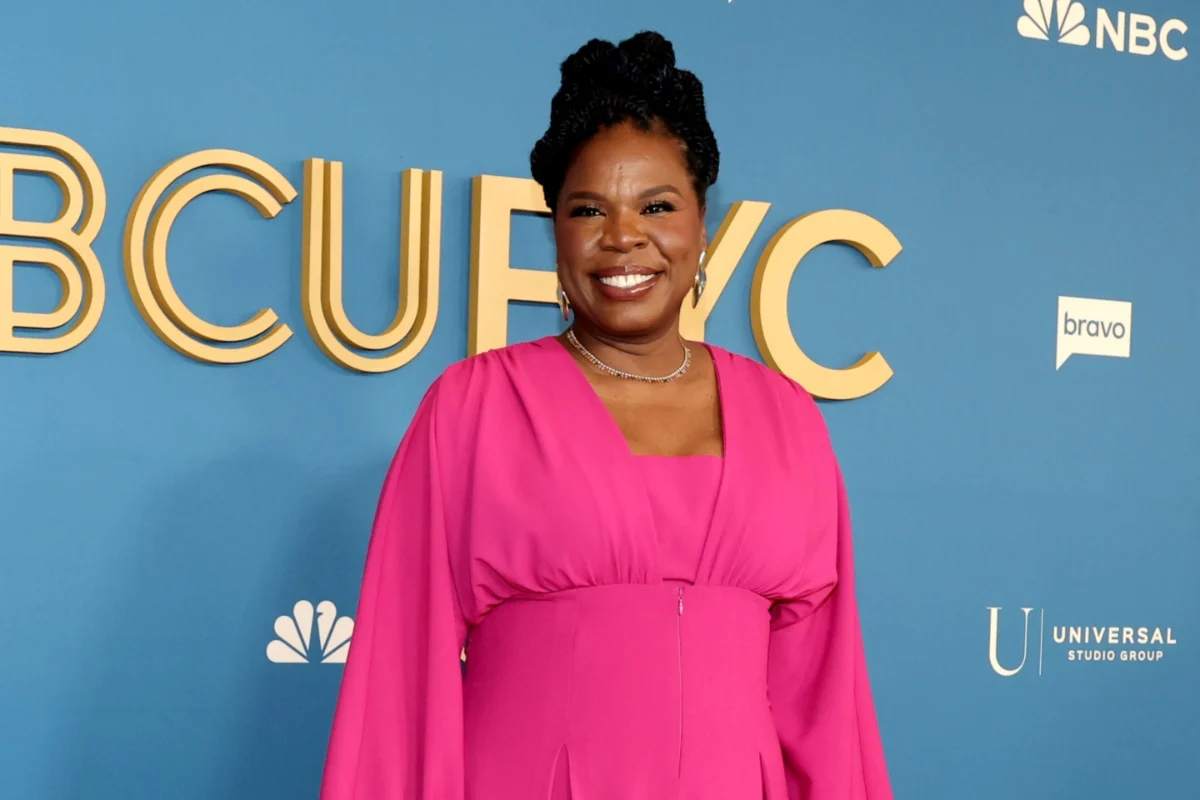
In the high-stakes, fast-paced ecosystem of Saturday Night Live, where comedy is manufactured at a breakneck speed, the writer’s room serves as both a crucible for talent and a pressure cooker of creative tension. For Leslie Jones, the beloved comedian and actress who joined the cast in 2014, the experience was marked by a persistent friction between her individual comedic voice and the reductive archetypes imposed upon her by the show’s machinery.
In a recent, candid appearance on The Sam Sanders Show, Jones opened up about the systemic frustration she faced during her five-season tenure at 30 Rockefeller Plaza. Her revelations have sparked a broader conversation regarding the representation of Black performers in legacy sketch comedy and the enduring power dynamics that often dictate how minority talent is packaged for mass-market consumption.
The Anatomy of a Stereotype: A Retrospective on Jones’ Tenure
Leslie Jones arrived at Saturday Night Live during the show’s 39th season, entering the fold as a historical anomaly: at 47 years old, she was the oldest new cast member ever hired in the show’s storied history. Her arrival was celebrated as a much-needed injection of raw, unfiltered energy, yet that very energy became the subject of a narrow creative focus.
Speaking to Sam Sanders, Jones articulated the exhaustion that accompanied her weekly contributions. "It was kind of frustrating that they would always make me the girl that was angry and beating up people or in love with a white boy," she explained. "They just always would make me angry or I’m fighting somebody."
For Jones, the repetitive nature of these sketches was not merely a creative limitation; it was a form of professional pigeonholing. As she noted during the interview, the predictability became a recurring internal monologue: "Every time I would get a sketch, I was like, ‘OK, who am I beating up this week?’"
Chronology: From Arrival to Exit
To understand the scope of Jones’ frustration, one must look at the arc of her time on the show.
- 2014: Jones joins SNL as a writer, later being promoted to a featured player. Her unique, boisterous persona immediately resonates with audiences.
- 2014–2019: Jones becomes a staple of the cast, gaining widespread acclaim and earning two Emmy Award nominations for Outstanding Supporting Actress in a Comedy Series.
- The Mid-Tenure Realization: As the seasons progressed, Jones began to identify a pattern in the scripts she received. The "angry Black woman" trope, a lazy shorthand frequently utilized in television comedy, began to dominate her screen time.
- 2019: Jones departs the show after five seasons, leaving behind a legacy that includes iconic Weekend Update segments and memorable character work, yet harboring deep-seated concerns about how the institution handles its Black talent.
When asked by Sanders if she felt the need to push back against these scripts in the moment, Jones admitted to a sense of professional pragmatism. She didn’t fight back initially, she explained, because "she wanted to be on the show," and the systemic nature of the writing was not immediately apparent until it became a relentless cycle. "I didn’t think that that was happening until it kept happening," she confessed.
The Business of Comedy: Institutional Resistance
The tension Jones describes is not unique to her experience; it is a recurring theme in the history of Saturday Night Live. The show is built on a "machine" mentality—a rigorous, seven-day cycle of writing, table reads, and rehearsals. In such an environment, nuances are often stripped away in favor of archetypes that are instantly recognizable to a national audience.
When Jones eventually did attempt to advocate for more diverse material, the resistance she encountered was framed by the show’s own standard for success. "They’re like, ‘This is successful. When you leave here, you’ll be able to make [a career],’" Jones recalled.
The implication, according to Jones, was that the typecasting was a vehicle for her eventual superstardom. However, Jones rejected the idea that she should mirror the career paths of her predecessors. "I don’t want to be Chevy Chase. I don’t want to be whoever," she asserted. "I want to be Leslie. I want to do everything. And I wanted to go across the board with everything."
This desire to be seen as a multi-dimensional performer rather than a caricature highlights the disconnect between the SNL writing staff’s perception of "what works" and the performer’s desire for artistic agency.
Is ‘SNL’ a Healthy Ecosystem for Black Comics?
The question of whether Saturday Night Live is a "healthy place to be a Black comic" remains a contentious subject in the entertainment industry. The show has faced periodic criticism for its lack of diversity, particularly among its writing staff and in its treatment of performers of color.
When pressed on this, Jones was careful but firm. She avoided a blanket condemnation of the institution, choosing instead to define it by its function. "I think that it is the machine that it is. That’s just all I can tell you."
This response suggests a sophisticated understanding of the show’s nature: SNL is a beast designed to produce high-volume, broad-appeal comedy. In its pursuit of mass appeal, the "machine" often relies on the path of least resistance, which—in the context of American cultural history—often defaults to harmful or limiting stereotypes.
Implications for the Industry
The implications of Jones’ comments extend far beyond the offices of 30 Rock. They raise significant questions about the responsibility of showrunners and writers to evolve alongside their performers.
- Creative Agency: Performers are more than the sum of their sketches. When an institution fails to see the versatility of a cast member, it risks alienating the very talent that drives its cultural relevance.
- The Persistence of Archetypes: The entertainment industry continues to grapple with the "angry" or "aggressive" tropes often assigned to Black women. Jones’ experience confirms that even at the highest levels of comedy, these tropes remain a default setting for writers who lack the imagination or the will to write more nuanced characters.
- The Value of Institutional Reform: The success of performers like Jones—who went on to achieve significant mainstream success post-SNL—demonstrates that while the "machine" provides a platform, it is often the individual’s perseverance that creates true longevity.
Conclusion: A Call for Versatility
Leslie Jones’ tenure on Saturday Night Live was undoubtedly a milestone in her career, characterized by viral moments and critical recognition. However, her reflection serves as a vital reminder that the "success" of a show should not be measured solely by its ratings or its longevity, but by its ability to foster and respect the full range of its performers’ talents.
By speaking out, Jones has provided a rare glimpse into the internal politics of one of the world’s most famous comedy institutions. Her story is a testament to the importance of demanding space—not just to be present, but to be authentic, multifaceted, and free from the limitations of someone else’s imagination. As the industry continues to evolve, the challenge for Saturday Night Live and similar institutions will be to move beyond the "machine" and toward a more inclusive, nuanced approach to comedic storytelling. Leslie Jones, in her unapologetic pursuit of being "Leslie," has set the standard for what that looks like.

 Lina Hope
 Azzam Bilal Chamdy