Nila Kartika Wati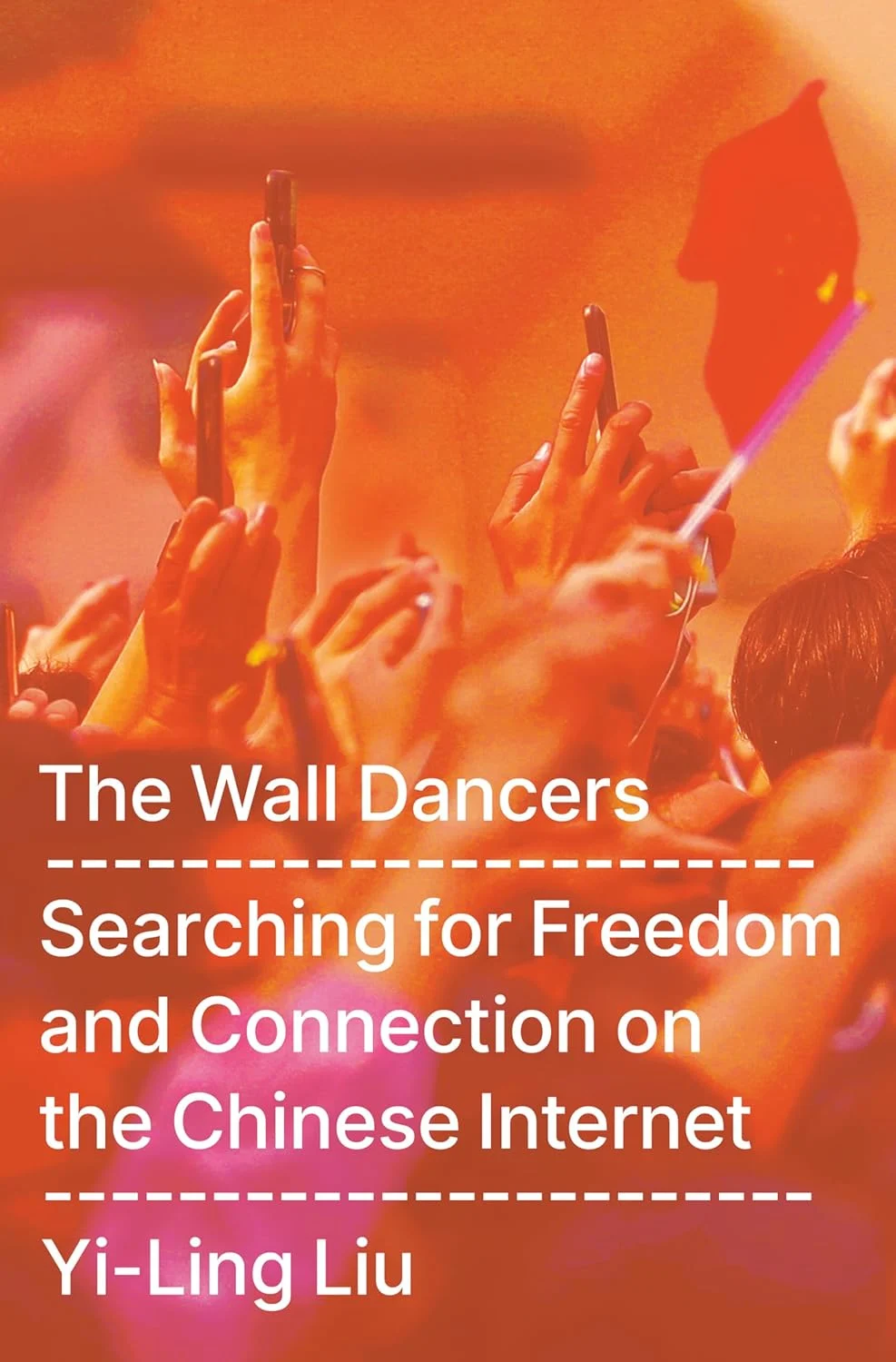
In the mid-2010s, China experienced a profound cultural shift. The state, moving through a period defined by the term fang—an "opening" or loosening of control—allowed science fiction to migrate from the cultural fringes into the absolute center of the mainstream. As journalist Yi-Ling Liu explores in her compelling new book, The Wall Dancers: Searching for Connection in the Age of the Internet, this was no accident. The Chinese government, eager to project a vision of "the Chinese imagination, Chinese style, and Chinese spirit," saw in speculative fiction a powerful vehicle for national branding.
This evolution was buoyed by the global success of Liu Cixin’s The Three-Body Problem, which ignited international interest in Chinese futurism. Amidst this rising tide, the works of Chen Qiufan (also known as Stanley Chan), a former tech executive turned novelist, became a litmus test for the era. As Liu notes, "Writing science fiction allowed Stanley to criticize society without being tied to any side of history." The Wall Dancers serves as an intimate, journalistic inquiry into the soul of a nation defined by its digital borders, examining how the internet—both a tool of liberation and a mechanism of surveillance—shapes the lives of those living behind the Great Firewall.
The Chronology of Control and Connection
To understand contemporary China, one must understand the evolution of its digital landscape. The history of the Chinese internet is not merely a chronicle of technological advancement; it is a timeline of negotiation between a hyper-regulated state and a populace desperate for global connection.
- The Early 2000s: The advent of the internet in China offered a fleeting promise of a "global village." For early adopters like Chen Qiufan, the digital space was a sanctuary where Western literature, forbidden by state authorities, could be accessed and discussed.
- The 2010s (The Fang Period): This era marked the mainstreaming of science fiction. The state’s tactical encouragement of the genre was designed to foster technological innovation and national pride. During this period, the "Great Firewall" grew more sophisticated, yet the culture of the internet remained fluid.
- The Present Day: The digital space has become a tightly curated ecosystem. With the banning of global platforms like WhatsApp and Twitter, the rise of domestic "super-apps" like WeChat and Weibo has created a digital environment where every interaction is subject to algorithmic and human surveillance.
The Architecture of the "Wall Dancer"
The central metaphor of Liu’s work—the "wall dancer"—describes those who participate in the delicate, high-stakes choreography of life under an authoritarian regime. To live in China, Liu suggests, is to engage in a constant push-and-pull with the state. The rules of engagement are intentionally nebulous, creating an environment where self-censorship becomes a survival mechanism.
"To live in China is to participate in a dance: a dynamic push and pull between state and society," Liu writes. This dance takes many forms: from the overt activism of those fighting for human rights, to the quiet, performative compliance of the average citizen who adopts a "speech tax"—uttering words contrary to their own hearts to remain in the good graces of the Party.
The book’s narrative is humanized through a series of vivid interviews. We encounter Ma Baoli, a former police officer who founded Blued, the world’s largest gay dating app. His journey from a law enforcement official to a tech entrepreneur, navigating periods of state indifference and intense scrutiny, acts as a microcosm for the broader LGBTQ+ experience in China. Similarly, the stories of feminist activist Lü Pin, hip-hop artist Kafe Hu, and former Weibo censor Eric Liu illuminate the diverse ways citizens attempt to carve out space for identity, creativity, and truth in a climate that demands conformity.
Supporting Data: The Fiction of Reality
Liu’s analysis relies heavily on the work of Chen Qiufan, whose fiction provides a chillingly accurate reflection of Chinese reality. In The Waste Tide, set in the toxic landscape of a real-world electronic waste site, Chen portrays a class-stratified society where the marginalized are physically and metaphorically "recycled" by the machinery of progress.
His short story, "The Fish of Lijiang," serves as a poignant critique of the alienation caused by rapid technological growth. The story—centered on a burnt-out employee who discovers that his tourist destination is a simulation—mirrors the lives of millions of Chinese office workers. By analyzing these texts, Liu demonstrates that science fiction in China is not just escapism; it is a coded language used to address the psychological toll of hyper-modernity. The books are, in effect, a "vantage point from which to see a panoply of possible futures at a time when the whole country was looking ahead."
Official Responses and State Narratives
The Chinese state’s relationship with the internet is characterized by a "selective dissemination" of information. Official narratives are promoted through the Great Firewall, while subversive ideas are systematically purged. The consequences of stepping out of line—ranging from the deletion of a single social media post to the loss of livelihood or arrest—ensure that the boundaries of the "dance" remain clear.
However, the state’s approach is not monolithic. There are moments of "indignant pride" and "smug triumphalism," particularly noted during the early waves of the COVID-19 pandemic, where the efficiency of the Chinese administrative apparatus was contrasted against the perceived chaos of Western liberal democracies. This form of patriotism is a central pillar of the Party’s current stability strategy, turning the gaze of the populace inward and framing Western influence as inherently destabilizing.
Implications for a Global Audience
The Wall Dancers poses a difficult challenge for its Western readers. Yi-Ling Liu, who writes from the vantage point of one who has navigated both Chinese and American cultures, encourages her readers to move beyond the shallow narratives filtered through the lens of national security interests.
The Pitfalls of the Western Perspective
One of the most significant implications of this book is the critique of the Western "othering" of China. Liu observes that Westerners often view Chinese identity through a binary lens: either a supporter of the state or a dissident. This simplistic framing fails to capture the nuance of the "wall dancer"—the person who, while perhaps not an activist, is not a blind follower either.
Furthermore, Liu exposes the blind spots in the American discourse. While she provides exhaustive detail on Chinese political reforms, she notes that American readers often accept their own political dysfunction as a neutral, "natural" state. The book suggests that to truly understand China, the West must first be willing to apply the same rigorous skepticism to its own internal narratives.
The Future of Chinese Identity
The ultimate question posed by the book is one of authenticity. If the values of the Chinese people are increasingly distinct from the values of the Party, what does an "authentic" Chinese identity look like? Is it a hybrid of traditionalism and digital liberalism? Or is it something entirely new, forged in the crucible of the Firewall?
Liu’s work does not provide easy answers. Instead, it offers a window into the lives of those who, despite the weight of the shackles, continue to find ways to connect, create, and exist. By focusing on the personal, the mundane, and the deeply human, The Wall Dancers transcends the political, offering a portrait of a society that is as complex, contradictory, and vibrant as any other.
In the final assessment, the book serves as a vital call to action for the "better readers" of the future. It demands that we approach the digital history of China not with the arrogance of judgment, but with the rigor of empathy. Whether one is a scholar of international relations or a casual observer of global trends, the stories of the wall dancers provide an indispensable, if haunting, map of the digital age—a time when the act of simply being connected has become a radical, and at times dangerous, endeavor.

 Raul Delapena Setiawan