Raul Delapena Setiawan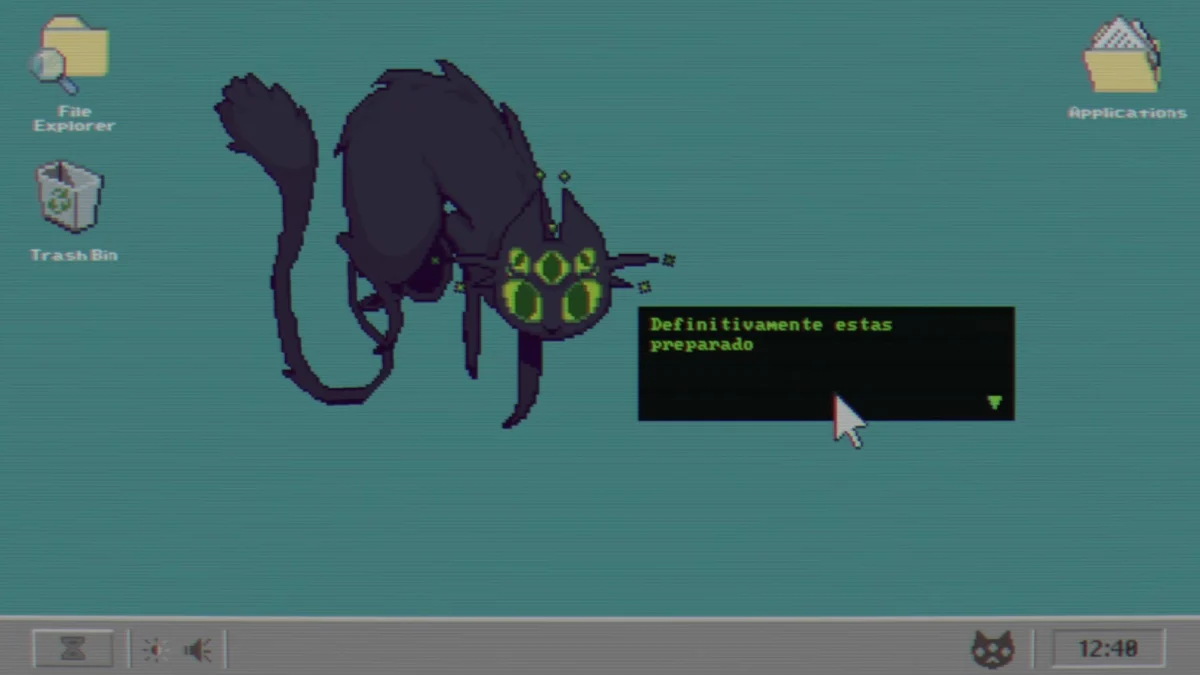
In the rapidly evolving landscape of indie gaming, few titles manage to capture the unsettling, liminal aesthetic of the early 2000s quite like Overbit. Developed for those who remember the dial-up era with equal parts fondness and trauma, Overbit is a bold experiment in meta-horror that transforms your PC into a digital battlefield. By blending the high-octane, reflex-testing madness of a WarioWare title with the deep, branching narrative of an RPG, the game challenges players to navigate a volatile virtual environment that seems determined to fight back.
Main Facts: A Digital Playground Gone Wrong
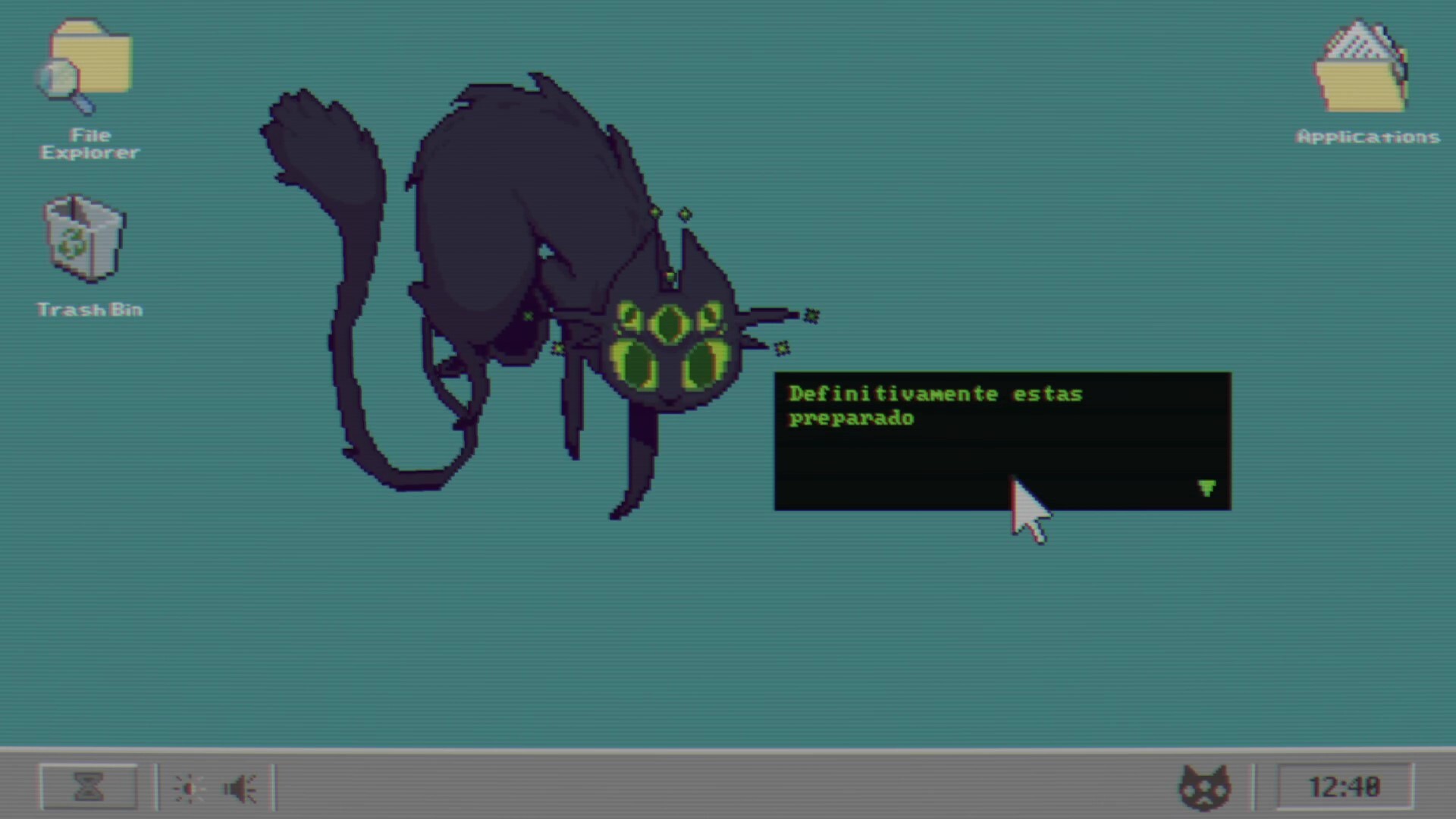
At its core, Overbit is a horror-comedy RPG that explores the digital afterlife of an abandoned virtual machine. Players are thrust into a simulated environment based on the architecture of early 2000s-era operating systems—a time of clunky interfaces, mysterious file directories, and the persistent, low-level anxiety of a system crash.
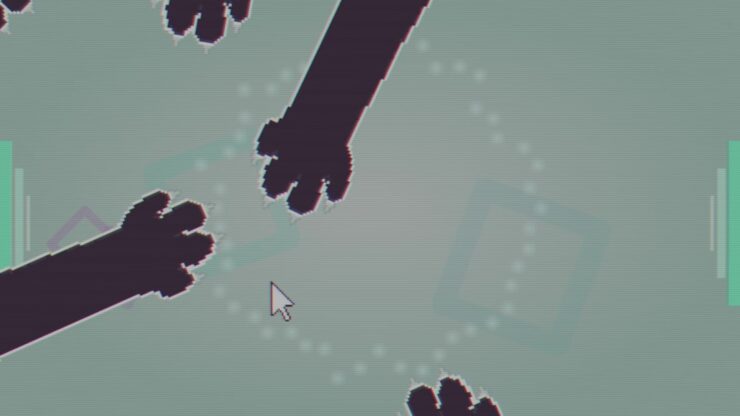
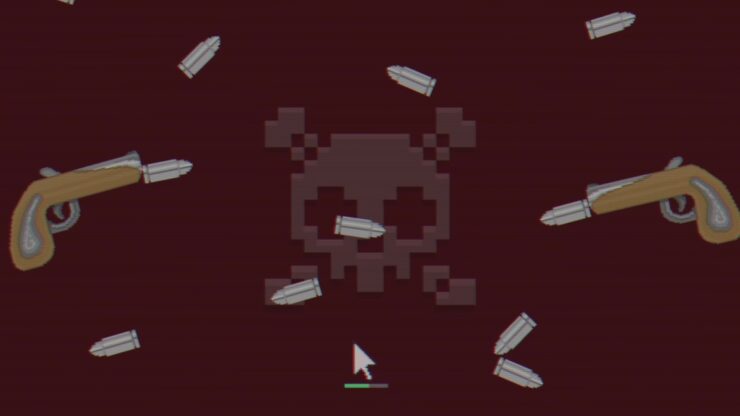
The game’s primary mechanic involves "poking around" inside the virtual machine’s file system. As you dig through directories and uncover legacy data, you trigger surprise mini-games. These challenges are not merely aesthetic; they are aggressive, often rage-inducing tests of skill. Whether you are dodging phantom cat paws swiping at your cursor, keeping pace with rhythmic prompts, or weaving through complex patterns of bullet-hell projectiles, the game forces you to engage with its world at breakneck speed.
What sets Overbit apart is its commitment to "breaking the fourth wall." The game frequently takes control of your mouse, forces intrusive pop-ups onto your desktop, generates fake system errors, and creates artificial barriers to your progression. It is a game that refuses to be contained within the windowed borders of your monitor, effectively turning the player’s own computer into an active participant in the horror.
Chronology: From Concept to Digital Menace
While the development of Overbit is ongoing, the project has already begun to carve out a unique space in the independent gaming circuit. The concept emerged from a desire to pay homage to the "wild west" era of the internet—a time when digital security was lax and the aesthetic of the GUI (Graphical User Interface) was still finding its footing.
- Early Conceptualization: The developers began with the premise of "files as characters." They envisioned a system where every piece of data—be it a corrupted text document or a legacy image file—possessed a form of sentience.
- Prototype Phase: The core gameplay loop of "file exploration leading to combat" was refined through numerous iterations, drawing heavy inspiration from the rapid-fire design of Nintendo’s WarioWare series.
- The Public Reveal: Overbit gained significant traction following its appearance at the Bilbao Games Conference (BIG Conference). During the event, attendees were able to demo the game, showcasing a clear divide between those who embraced the chaotic difficulty and those who found the "hostile" nature of the game’s UI truly unnerving.
- Current Development: The team is currently in the polishing phase, focusing on expanding the narrative depth and ensuring that the accessibility features—such as difficulty scaling—are balanced for a wider audience.
Supporting Data: The Anatomy of a Frustrating Experience
The appeal of Overbit lies in its friction. In an era of streamlined user experiences, the game intentionally introduces "bad" UX (User Experience) as a gameplay mechanic.
The Minigame Ecosystem
The minigames in Overbit are categorized by their mechanical demands:
- Reflex/Dodging: These segments require pixel-perfect movement of the mouse cursor, often featuring "cat hands" or other whimsical yet lethal entities that track player movement.
- Rhythm-Based Combat: These segments demand audio-visual synchronization, forcing the player to click or drag in time with the erratic soundtrack of the virtual machine.
- Bullet-Hell Survival: Drawing from the shmup genre, these segments flood the screen with projectiles, demanding high-level pattern recognition.
Accessibility vs. Difficulty
A critical point of discussion for the developers has been the "rage-inducing" nature of the game. To prevent alienating players, Overbit integrates multiple difficulty tiers. These settings do not just change the speed of the games; they alter the density of the narrative hints provided during combat, allowing players to choose whether they want a purely mechanical challenge or a more story-driven experience.
Official Perspectives and Narrative Depth
The story of Overbit is a tragic one, hidden between the lines of code and the broken files. Within the virtual machine, you encounter a cast of quirky, often corrupted creatures. Some are benevolent, desperate for the player to save them from deletion, while others are hostile, acting as the "immune system" of the failing machine.
The developer’s vision, as observed by those who have played the demo, is to make the player feel like an archaeologist of the digital age. Every decision to open a file is a moral choice: are you helping these creatures, or are you the architect of their final deletion? The game forces you to interpret the story through the lens of a malfunctioning OS, making the narrative as unreliable as the hardware it inhabits.
"It feels like the game is mocking you," noted one attendee at the BIG Conference. This is by design. The game’s personality is abrasive, cynical, and darkly humorous, much like the internet culture of the early 2000s that it seeks to emulate.
Implications: The Meta-Horror Renaissance
Overbit stands at the forefront of a growing trend in indie gaming: the "Desktop Horror" subgenre. Following in the footsteps of titles like Inscryption or Doki Doki Literature Club, Overbit understands that the most effective way to unsettle a player is to make them question the integrity of the hardware they are using.
The "WarioWare" Effect
By adopting the rapid-fire structure of WarioWare, Overbit ensures that players never have time to settle into a comfort zone. The constant shifting of mechanics keeps the tension high. This creates a psychological effect where the player is constantly on edge, waiting for the next "surprise" attack. The transition from a calm exploration of a folder directory to a high-stakes bullet-hell minigame is designed to induce a sense of whiplash, mirroring the chaotic, unpredictable nature of early web-browsing.
Cultural Preservation through Gameplay
Beyond the horror, there is an element of cultural preservation. The aesthetic of the 2000s-era computer—the Windows-style icons, the pixelated cursors, the synthesized MIDI-style sounds—is a vital part of the game’s identity. Overbit serves as a time capsule, preserving the "look and feel" of a bygone era of technology while simultaneously distorting it into something new and terrifying.
Accessibility as a Design Pillar
The inclusion of adjustable difficulty in a game that thrives on "frustration" is a masterclass in modern game design. By acknowledging that not every player has the reaction time of an esports professional, the developers ensure that the narrative—the true heart of the game—remains accessible to all. This approach allows the game to function as both a casual, "bite-sized" experience and a hardcore challenge, depending on the player’s preference.
Conclusion: Why You Should Watch Overbit
As Overbit moves toward its final release, it remains a title to watch. It is a rare example of a game that successfully weaponizes its own interface, turning the mundane act of clicking files into an intense, story-driven adventure. For those who yearn for the aesthetic of early computing but want a modern, heart-pounding experience, Overbit offers a uniquely chaotic journey.
Whether you are in it for the nostalgic callbacks to a time of beige towers and CRT monitors, or you simply want to test your reflexes against a game that seems to have a grudge against you, Overbit promises a memorable experience. It is a reminder that even in the most sterile digital environments, there is room for ghosts, monsters, and a whole lot of mischief.
For those interested in tracking the development of this peculiar project, the game is currently available to be added to your Steam Wishlist. Keep an eye on the official channels for updates regarding release dates and potential demos.


 Jia Lissa
 Azzam Bilal Chamdy