Ali Ikhwan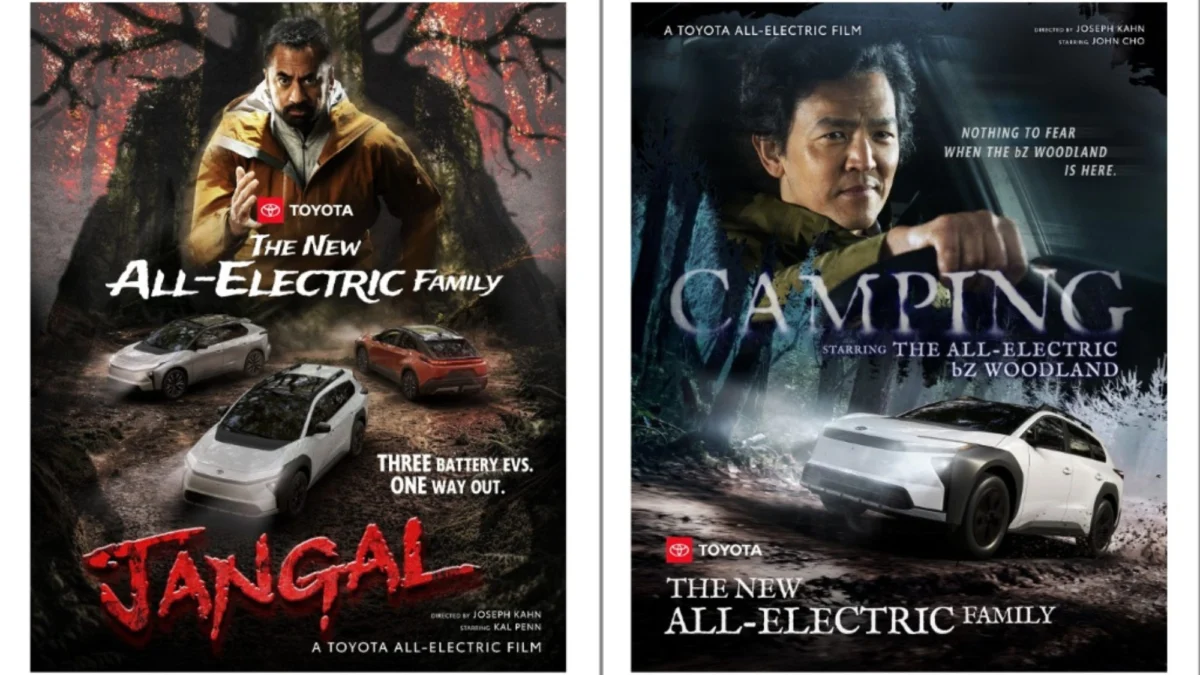
In an era where traditional television commercials are increasingly being skipped, blocked, or ignored, Toyota has opted for a bold, high-concept strategy to market its 2026 electric vehicle (EV) lineup. By enlisting the star power of actors John Cho and Kal Penn, the automotive giant has bypassed standard "feature-list" advertising in favor of something far more engaging: the creation of high-octane, fake Hollywood movie trailers.
The campaign, which features a series of 30-second shorts, marks a departure from the typical, clinical approach to EV marketing. Instead of focusing solely on charging times or battery capacity, Toyota is leveraging the cultural cachet of two of Hollywood’s most beloved stars to associate their electrified vehicles with the thrill of the silver screen.
The Core Concept: Cinema as a Marketing Engine
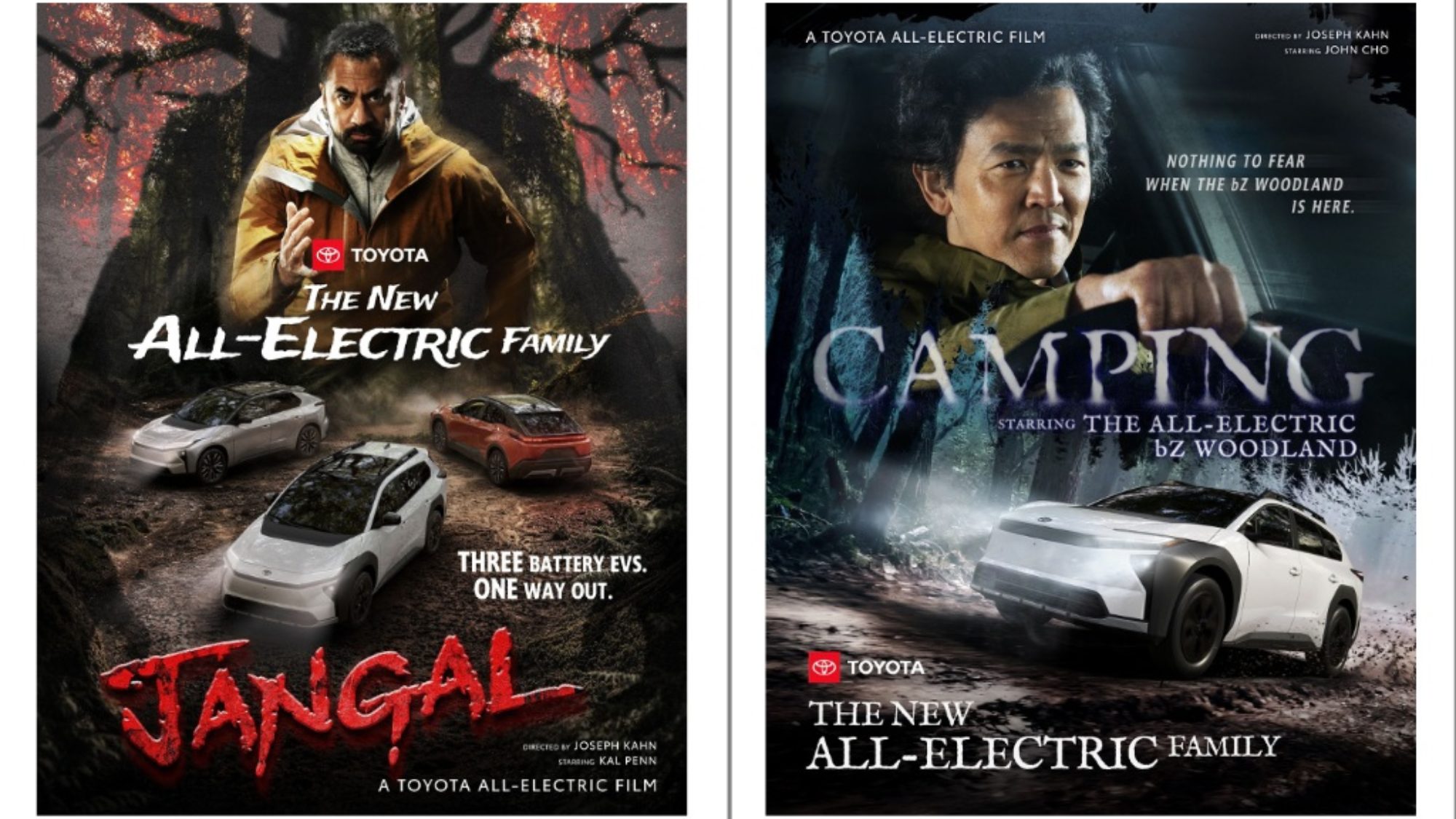
The campaign consists of four distinct spots—Camping and Escape, featuring John Cho, and Jangal and Chase, featuring Kal Penn. Rather than portraying the vehicles as mere modes of transportation, the commercials position the Toyota bZ Woodland and the Toyota C-HR as essential tools for survival, high-speed evasion, and supernatural exploration.
By utilizing the visual language of Asian action cinema, creature features, and suspense-driven thrillers, Toyota is attempting to rebrand the "electric car" as a protagonist in an epic story. The commercials are designed to air during the upcoming summer blockbuster season, placing them directly in front of the exact demographic that values the cinematic experience.
A Chronology of the Campaign’s Development
The road to this campaign was paved by Toyota’s desire to normalize the presence of EVs in the daily lives of consumers. While the automotive industry has spent years focusing on the technical hurdles of electrification, the shift in 2024 and 2025 has moved toward lifestyle integration.
- Early 2024: Toyota executives and their creative agencies began brainstorming ways to bridge the gap between "utilitarian EV" and "aspirational vehicle." The realization was that consumers are often intimidated by the transition to electric, viewing it as a lifestyle sacrifice rather than an upgrade.
- Mid-2024: The casting process focused on individuals who possess both broad audience appeal and a history of working within creative, story-driven projects. John Cho and Kal Penn were selected not just for their fame, but for their ability to bring a sense of humor and sincerity to what could have been a dry marketing pitch.
- Late 2024/Early 2025: Production took place on sets designed to mimic high-budget feature film aesthetics. Every detail—from the color grading of the footage to the tension-building sound design—was meticulously crafted to ensure the viewer would, for a split second, believe they were watching a preview for an upcoming blockbuster.
- Launch Phase: The rollout, scheduled for the summer, utilizes social media, streaming platforms, and television slots during major summer movie releases to maximize the "meta-marketing" effect.
Supporting Data: The Power of Celebrity and Storytelling
Toyota’s decision to move toward "fake trailers" is backed by shifting trends in consumer behavior. Data indicates that audiences are increasingly fatigued by traditional "hard sell" advertising.
The Shift in Marketing Psychology
Marketing research suggests that when a brand uses "narrative transportation"—a psychological phenomenon where the audience is fully immersed in a story—the brand recall is significantly higher than in traditional product placement. By turning the car into a character that helps the actor escape a monster or survive a wilderness trek, Toyota is creating a "hero’s journey" for the vehicle.
The Influence of Asian Cinema
The choice to lean into tropes from Asian action films and suspense thrillers is a calculated nod to a growing global market. These genres are currently enjoying a massive renaissance in Western media, particularly with younger demographics (Gen Z and Millennials) who consume content on platforms like TikTok and YouTube. By utilizing this aesthetic, Toyota is positioning its 2026 EV line as trendy, global, and culturally relevant.
Official Responses and Personal Connections
For the stars involved, the project was more than just a paycheck; it was an opportunity to engage with a brand that has played a role in their personal histories.
Kal Penn’s Perspective
Kal Penn, known for his roles in Harold & Kumar and House, spoke candidly about his history with the automaker. "Toyota has genuinely been part of my life for years, so this campaign felt personal from the beginning," Penn stated. "My very first car was a Toyota Paseo, and the first brand-new car I ever bought was a Toyota Prius. There’s a real trust and familiarity I’ve always associated with the brand, so getting to partner on something this fun and creative made it even more meaningful for me."
John Cho’s Perspective
John Cho, a titan of contemporary film known for his work in the Star Trek reboot and Searching, emphasized the importance of representation and creative integrity. "It’s exciting to see a campaign embrace Asian storytelling influences in such a bold and authentic way while also creating something audiences can genuinely enjoy watching," Cho noted. His comments highlight the shift toward more inclusive marketing strategies that respect the heritage of the storytelling styles being utilized.
Implications for the Automotive Industry
The ripple effects of this campaign are likely to be felt throughout the automotive marketing sector. As competition in the EV space becomes increasingly crowded, companies are being forced to find unique ways to differentiate themselves.
Moving Beyond the "Spec Sheet"
For the past decade, the EV market has been dominated by conversations regarding range, charging infrastructure, and torque. While these metrics remain important, Toyota’s campaign signals that the "tech-only" phase of EV marketing is ending. We are now entering an era where lifestyle, emotion, and brand identity are taking center stage.
The Rise of Meta-Advertising
We are likely to see more brands following Toyota’s lead in creating "fake content." By mimicking the very media their customers consume—whether that be trailers, short films, or even mockumentaries—brands can capture the attention of an audience that is otherwise adept at avoiding advertisements.
Long-term Impact on the 2026 EV Line
By associating the 2026 EV lineup with high-stakes adventure and cinematic flair, Toyota is attempting to shed the "conservative" image that has sometimes dogged the brand in the electric space. If the campaign succeeds, it will cement these specific models as the vehicles of choice for the modern, active, and tech-savvy driver.
Conclusion
Toyota’s collaboration with John Cho and Kal Penn is a masterclass in modern advertising. By recognizing that the audience of 2025 is more interested in entertainment than in a list of vehicle specifications, Toyota has created a bridge between the automotive world and the entertainment industry.
Whether these ads ultimately lead to a surge in sales for the 2026 bZ Woodland or the C-HR remains to be seen. However, in terms of brand engagement, the campaign has already achieved something difficult: it has made the advertisement itself a piece of content that people actually want to watch. As the automotive industry continues its pivot toward a fully electric future, the ability to tell a compelling, cinematic story will be just as important as the battery technology under the hood. Toyota has clearly taken that lesson to heart, and in doing so, they have set a high bar for their competitors to follow.

 Sagoh
Sagoh
 Ammar Sabilarrohman