Raul Delapena Setiawan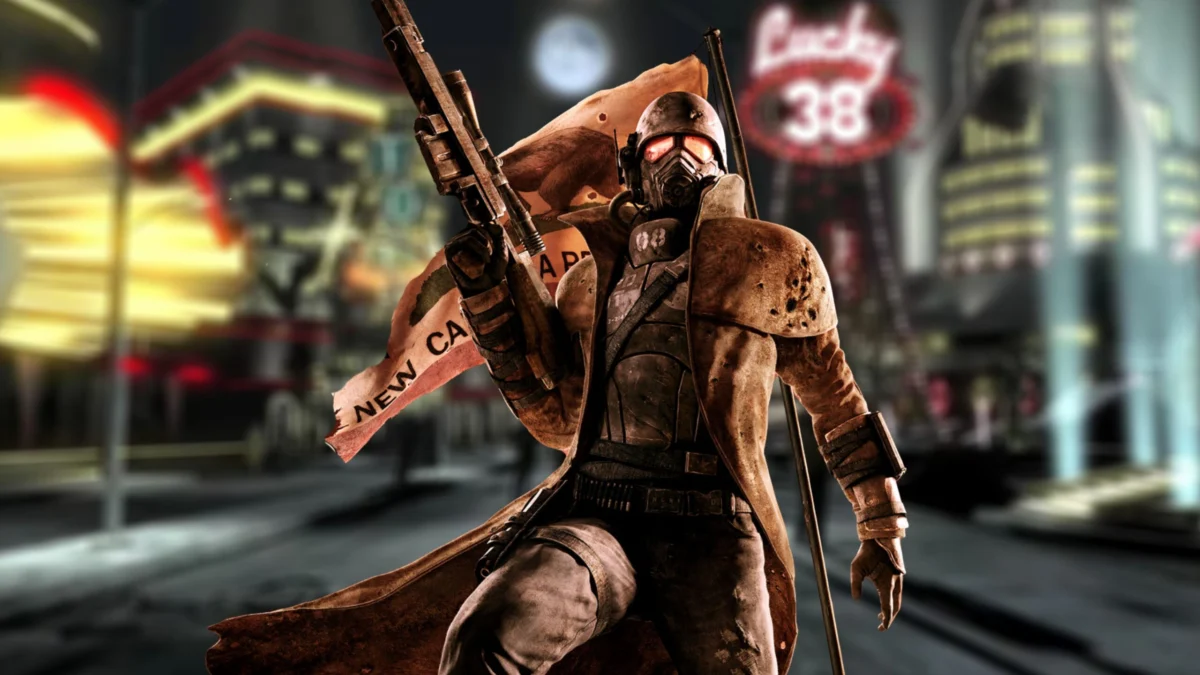
Even fifteen years after its initial release in 2010, Fallout: New Vegas stands as a monumental achievement in interactive storytelling. Developed by Obsidian Entertainment and published by Bethesda Softworks, this title redefined the boundaries of choice-based role-playing games (RPGs). While many modern open-world titles offer vast maps and endless checklists, few have managed to capture the intricate, reactive, and consequence-driven narrative architecture that makes the Mojave Wasteland feel like a living, breathing entity.
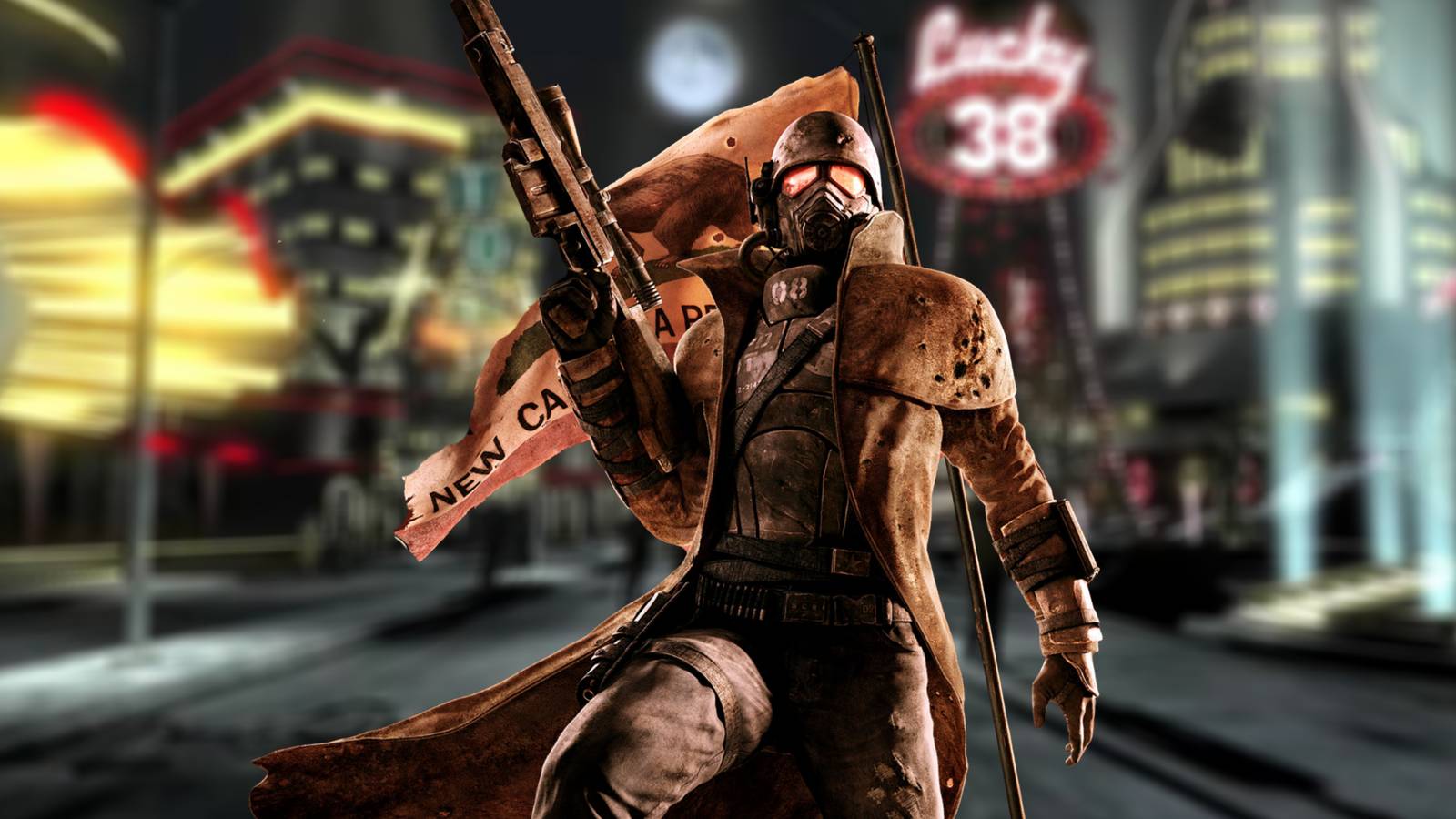
A recent retrospective on the game reveals that it isn’t just nostalgia keeping New Vegas relevant; it is a fundamental difference in game design philosophy that places the player’s agency at the absolute center of the experience.

The Chronology of a Cult Classic
Released on October 19, 2010, Fallout: New Vegas arrived as a successor to the massive success of Fallout 3. However, rather than simply iterating on Bethesda’s established formula, Obsidian—led by many of the original creators of the Fallout franchise—sought to ground the experience in the political and social instability of a post-apocalyptic frontier.

- 2010: The game launches on PC, PlayStation 3, and Xbox 360, receiving critical acclaim for its narrative depth despite technical launch issues.
- 2011: The release of four major DLC expansions (Dead Money, Honest Hearts, Old World Blues, and Lonesome Road) further cements the game’s reputation for stellar world-building.
- 2015–Present: Through the rise of modding communities and a continuous stream of new players, the game experiences a "perennial" popularity cycle, consistently appearing on "best of all time" lists.
The Anatomy of Choice: Why It Still Matters
The brilliance of Fallout: New Vegas lies in how it handles the ripple effects of player decisions. Unlike many modern games where choices often feel like binary "good vs. evil" prompts, New Vegas treats the player as an active participant in a complex geopolitical struggle.
The Goodsprings Blueprint
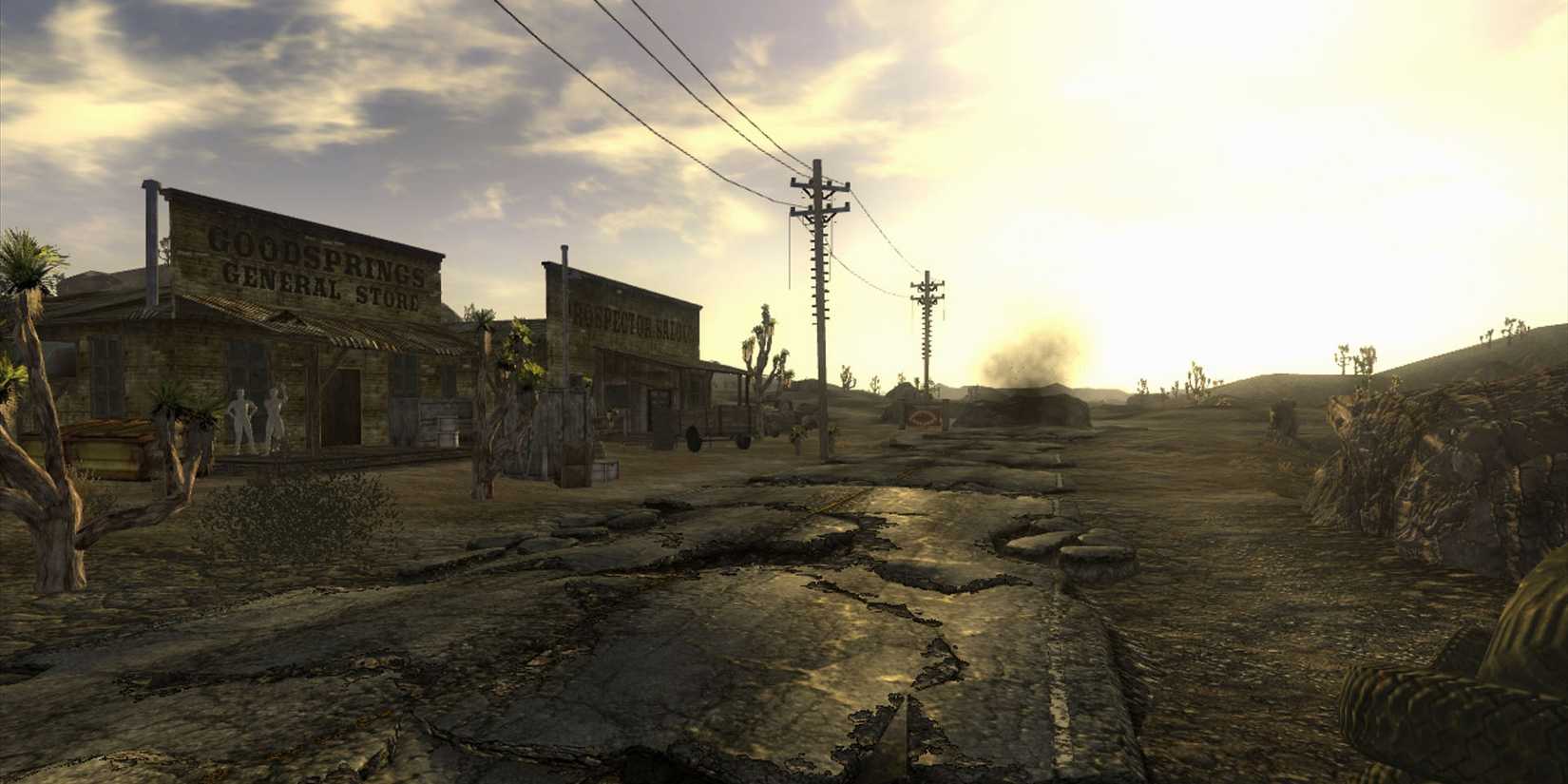
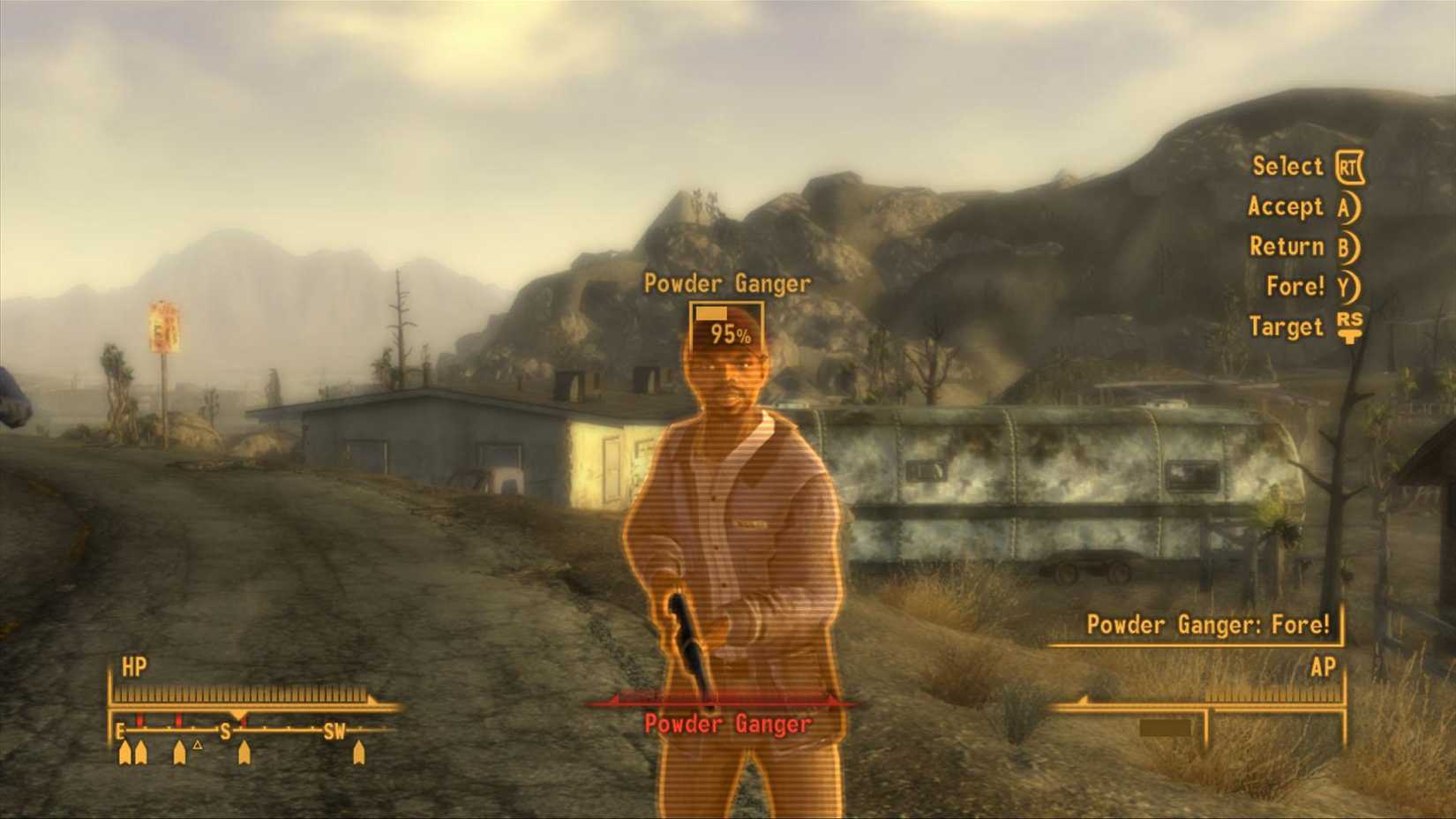
The game’s opening hours in Goodsprings serve as a masterclass in onboarding. The player is not just told about the world; they are forced to interact with its mechanics immediately. Whether you choose to protect the town from the Powder Gangers, betray the townspeople, or walk away entirely, the game acknowledges these actions through dialogue, faction reputation, and the physical state of the town. This early-game microcosm sets the stage for the rest of the campaign, proving that even a small, seemingly insignificant decision has a permanent impact on the world.
The SPECIAL System as a Narrative Tool
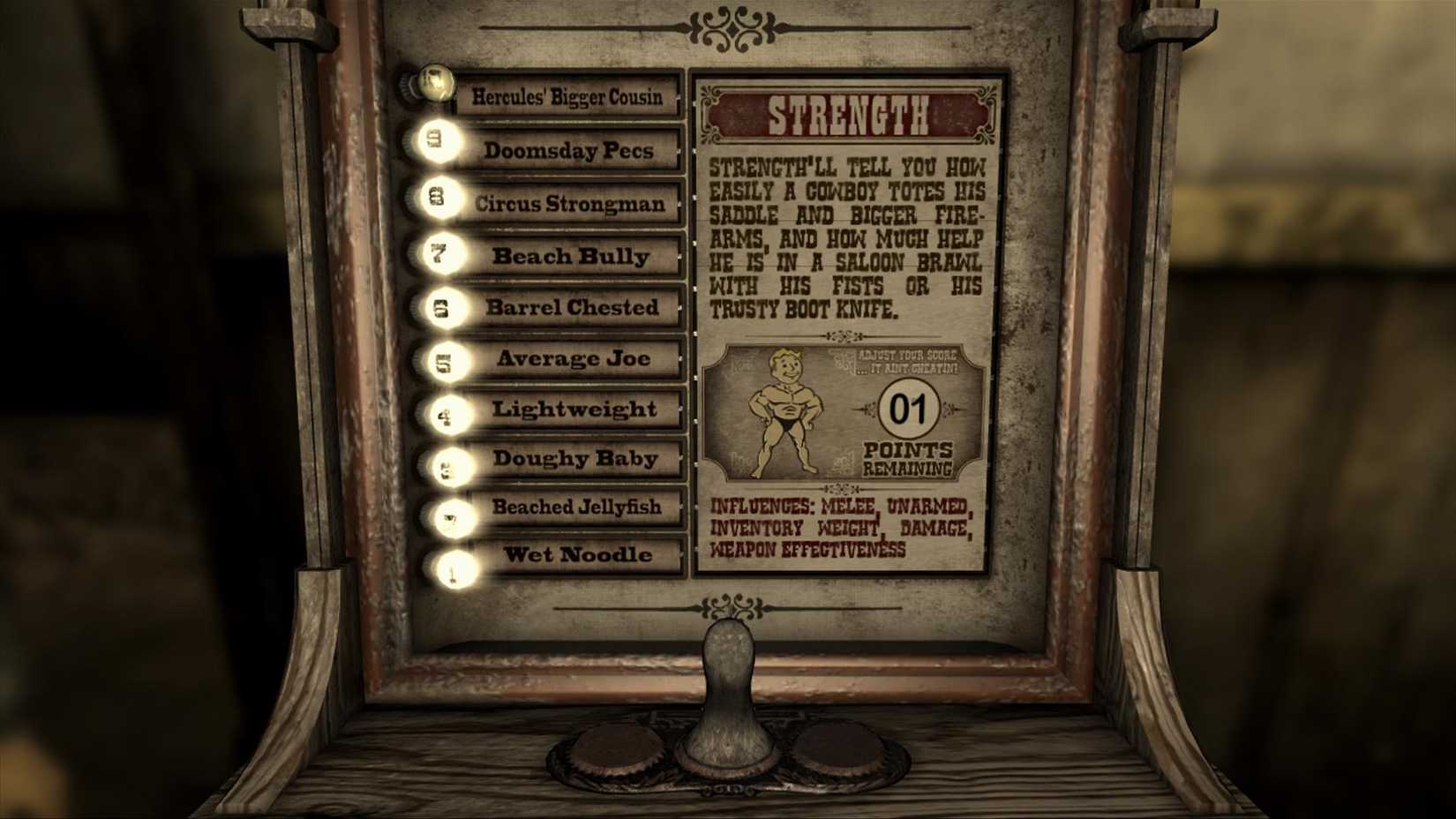
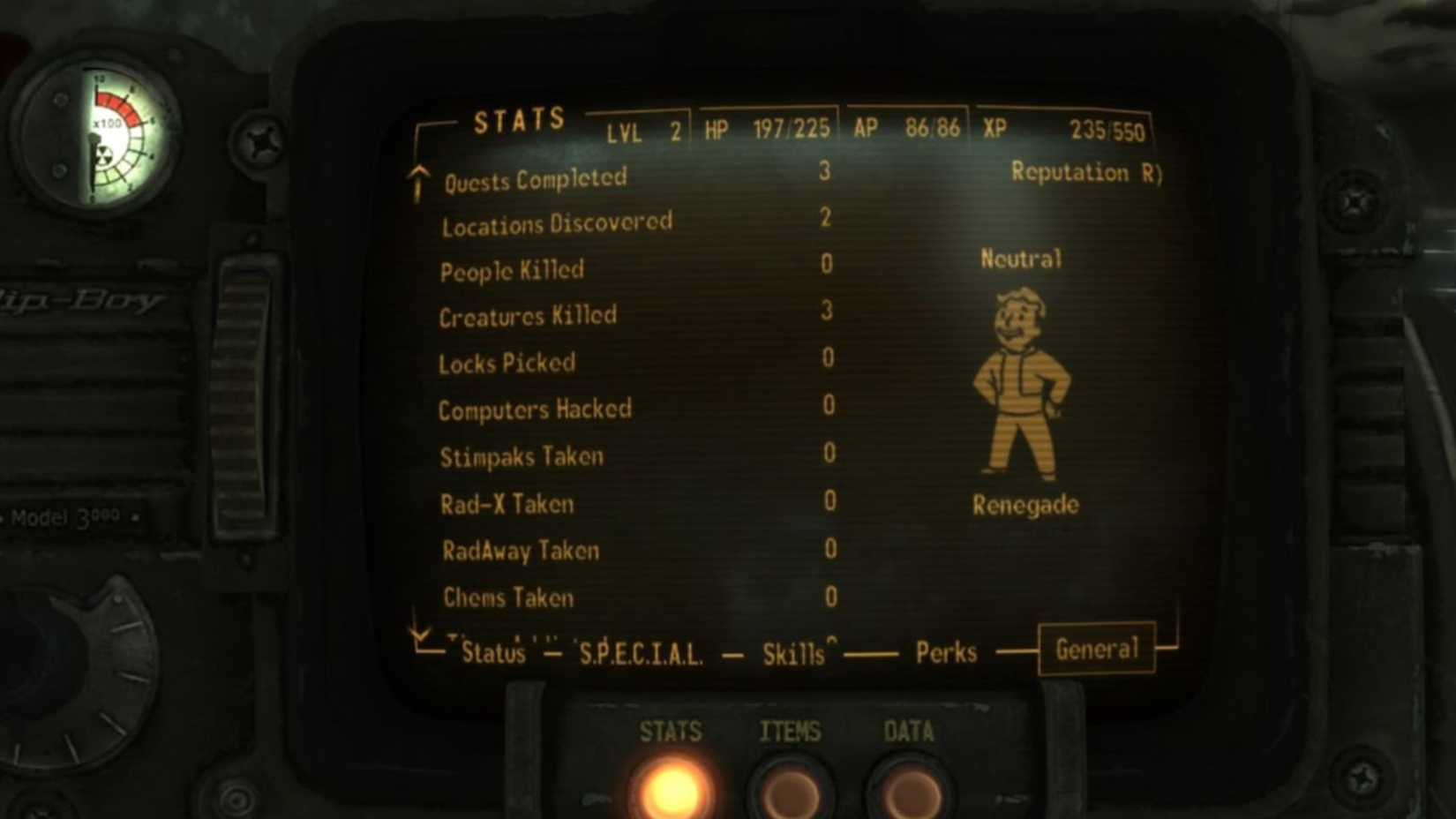
In most RPGs, stats are merely numbers—a way to increase damage or unlock a door. In New Vegas, the SPECIAL system is a narrative engine. High Intelligence or Charisma stats don’t just pass skill checks; they fundamentally alter the way the world treats you. Conversely, low-intelligence runs provide some of the most hilarious and memorable dialogue in the franchise. The game respects the player’s build, allowing for "dumb" characters to navigate the world in ways that feel uniquely rewarding and distinct from the high-intellect power fantasy.
Supporting Data: Factions and the Illusion of "Correct" Paths
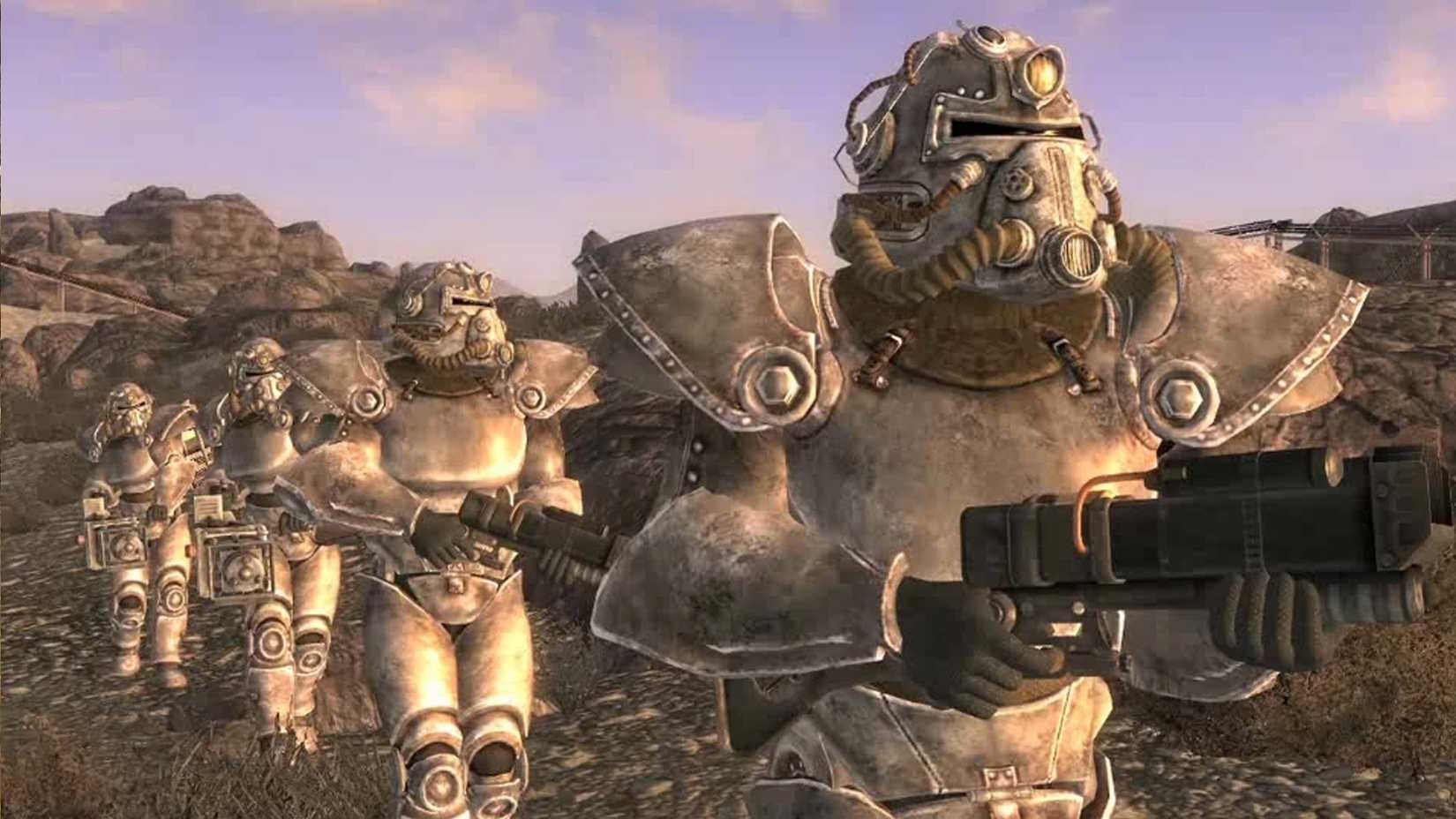
A defining characteristic of Fallout: New Vegas is the absence of a "hero’s path." The primary factions—the New California Republic (NCR), Caesar’s Legion, Mr. House, and the independent "Yes Man" route—all present compelling, yet deeply flawed, visions for the future of the Mojave.
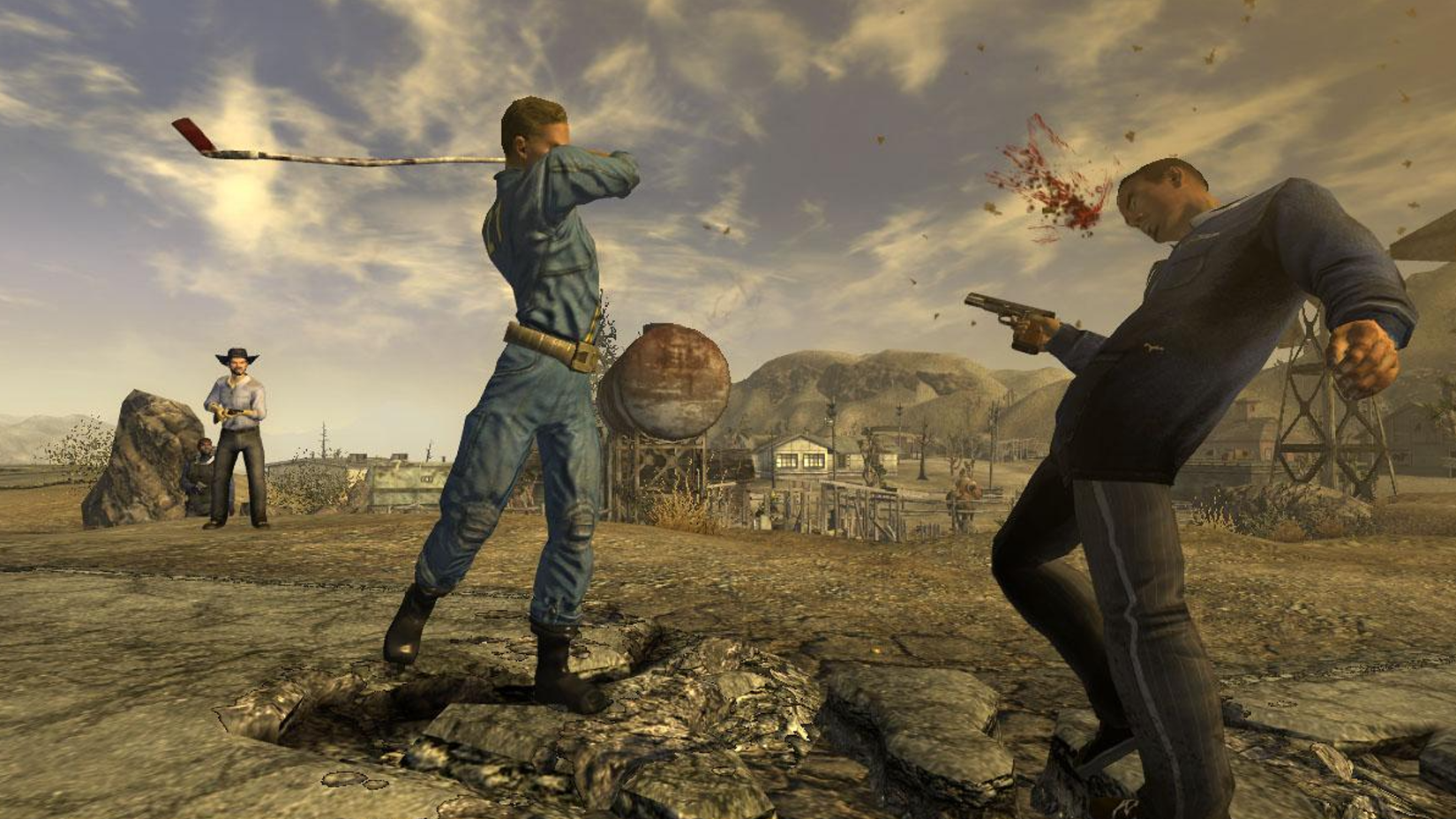
- The NCR: Represents the struggle of rebuilding bureaucracy and democracy, but suffers from over-expansion and corruption.
- Caesar’s Legion: Presents a brutal, totalitarian vision that challenges the player’s moral threshold.
- Mr. House: Offers technological stability and a return to pre-war prosperity, but at the cost of individual autonomy.
- Yes Man: A chaotic, blank-slate option that places the power entirely in the player’s hands.
Players aren’t forced into any single alignment. The game allows for a level of role-playing freedom where a character can be a pragmatist, an idealist, or a nihilist. This freedom is supported by a reputation system that tracks your actions independently for each faction. You cannot please everyone; in fact, the game encourages you to pick a side, making the world feel reactive and your personal conviction a vital element of the gameplay.

Official Perspectives and Game Design Philosophy
The development team at Obsidian Entertainment, which included veterans from Black Isle Studios, approached New Vegas with the goal of creating a "living world." In interviews following the game’s release, developers noted that the goal was to provide "the player the ability to shape the outcome of the world based on their specific personality."
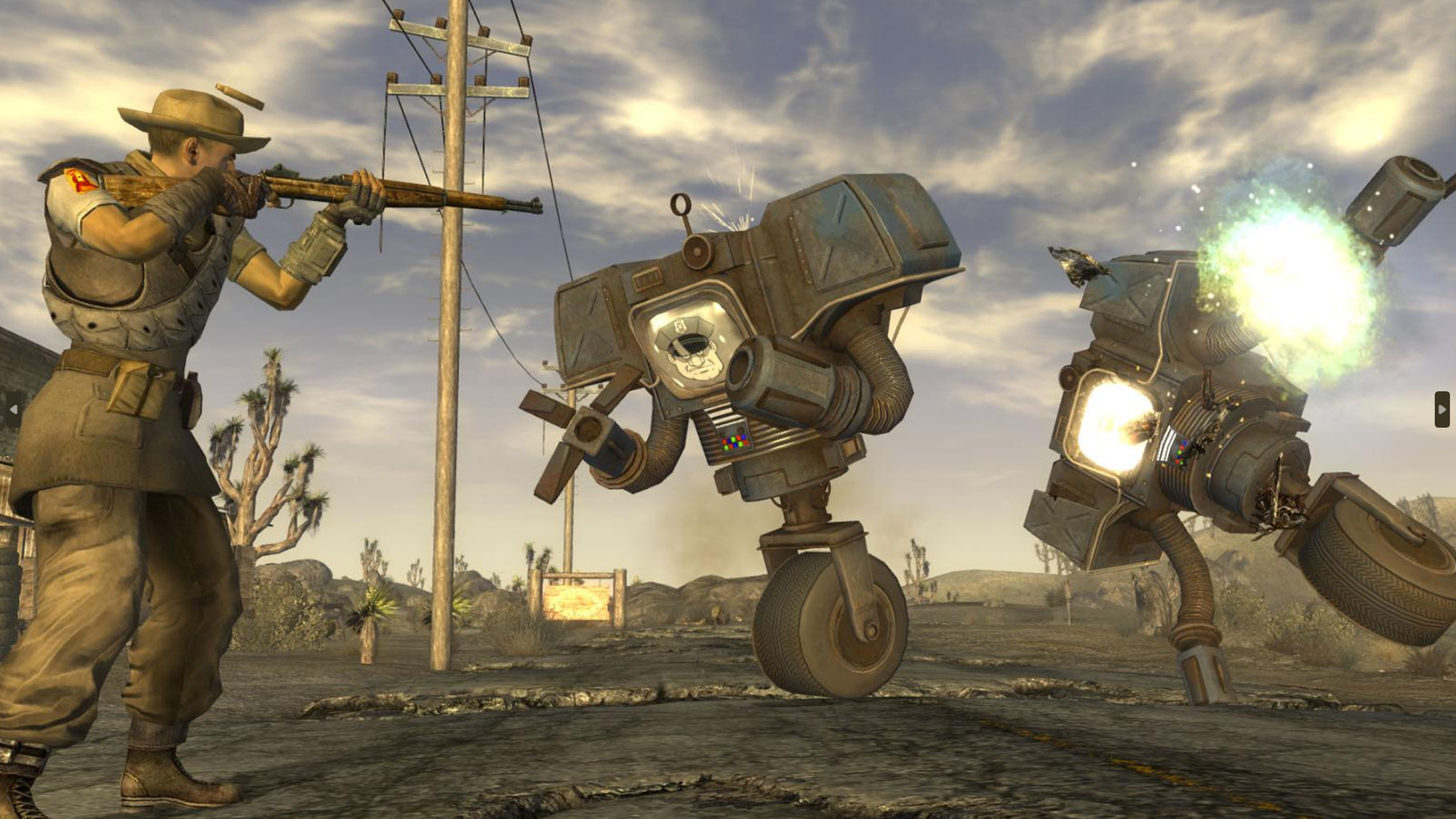
The game’s engine—the aging Gamebryo—was often criticized at launch for performance stability. However, the depth of the quest design, which allowed for multiple solutions to almost every problem (stealth, speech, combat, hacking, or science), far outweighed the technical limitations. The philosophy was simple: if a player thinks of a way to solve a quest, the game should try to accommodate it.
Implications: The Lasting Impact on the RPG Genre
The legacy of Fallout: New Vegas has created a high bar that the RPG genre has struggled to clear. Its impact can be felt in the design of modern titles like The Outer Worlds (also by Obsidian), Disco Elysium, and even recent iterations of the Fallout franchise.
The "Choice-Driven" Renaissance
Modern developers are increasingly looking back at New Vegas as a case study in how to create meaningful player agency. The game proved that players do not need hand-holding or clear moral signposts; they want the ability to make mistakes, to be selfish, or to act with altruism, and to see those choices reflected in the final slide-show narration that summarizes their journey.

The Modding Phenomenon
The enduring popularity of the game is also owed to the modding community. Because the foundation of the game is so flexible, fans have been able to expand upon it, fixing technical bugs, adding new content, and refining mechanics for over a decade. This community support has effectively kept New Vegas in the top tier of active PC gaming, proving that a strong, open-ended game design provides a nearly infinite shelf life.
Conclusion
As we look toward the future of the RPG genre, Fallout: New Vegas remains the benchmark for what is possible when developers trust the player. It is a game that respects the intelligence of its audience, providing them with a sandbox that is as politically complex as it is narratively rich. While graphics and performance standards have evolved, the core design principles—where the player’s character and their choices are the ultimate authority—are timeless. For those who have yet to traverse the Mojave, or for those returning for their tenth playthrough, New Vegas serves as a poignant reminder: in the end, it is not the weapons you carry or the armor you wear that define your story, but the choices you make when the world is watching.


 Jia Lissa
 Azzam Bilal Chamdy