Sagoh
Sagoh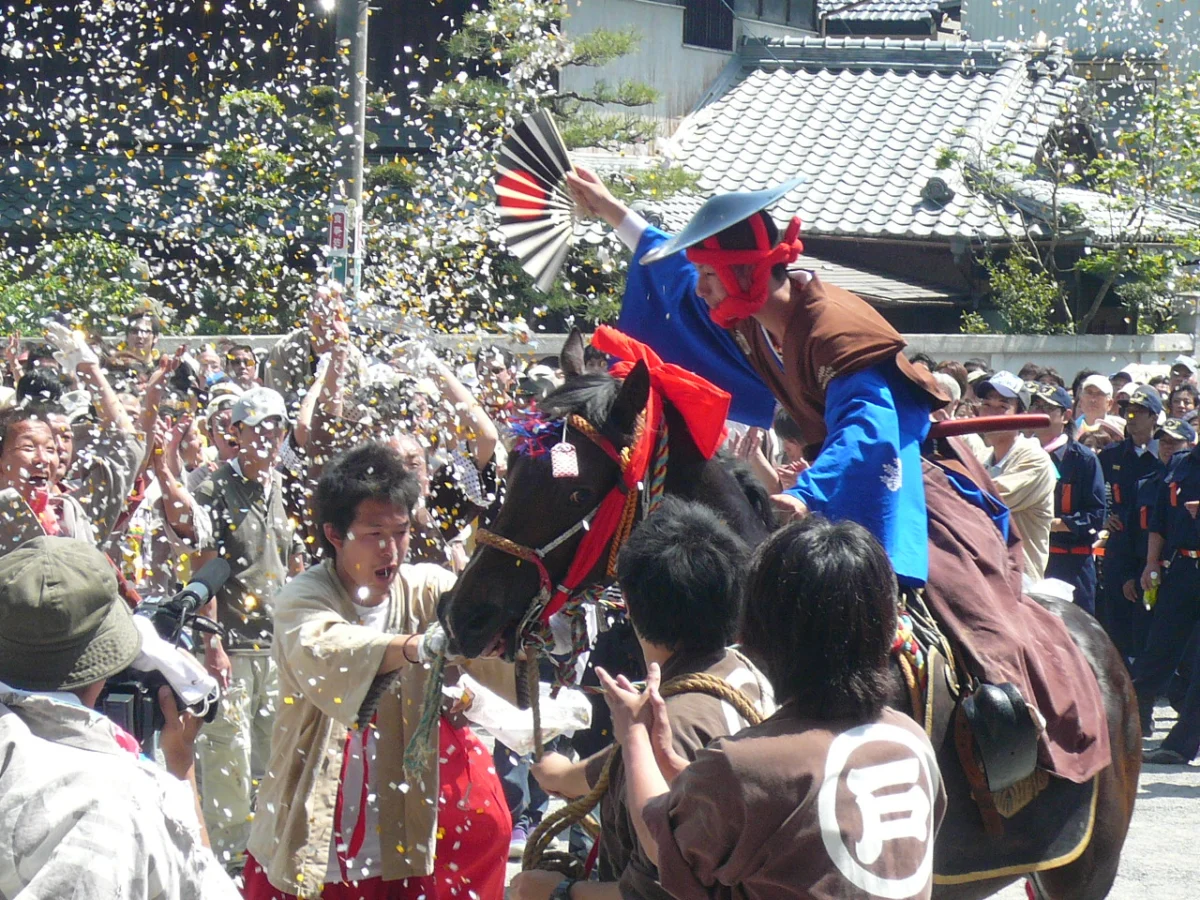
Deep in the verdant foothills of northern Mie Prefecture, Japan, lies Tado Taisha—a Shinto sanctuary that has served as a spiritual cornerstone for over a millennium. Every May, the shrine plays host to the Tado Festival (Tado Matsuri), a dramatic and ancient spectacle that offers a rare, visceral glimpse into Japan’s medieval past. Central to this event is the Ageuma Shinji, or "Rising Horse Rite," a physically demanding display that challenges the limits of both horse and rider. However, in an era of heightened awareness regarding animal welfare, this centuries-old tradition has found itself at a crossroads, balancing the preservation of intangible cultural heritage against the evolving ethical standards of the 21st century.
Main Facts: The Intersection of Faith and Spectacle
The Tado Festival, held annually on May 4th and 5th, is one of the most physically striking Shinto rituals still in practice. The core event, the Ageuma Shinji, involves young men dressed in traditional samurai armor riding horses up a daunting 100-meter slope of packed earth. The climb culminates in a two-meter vertical wall, which the horse must clear to complete the rite.
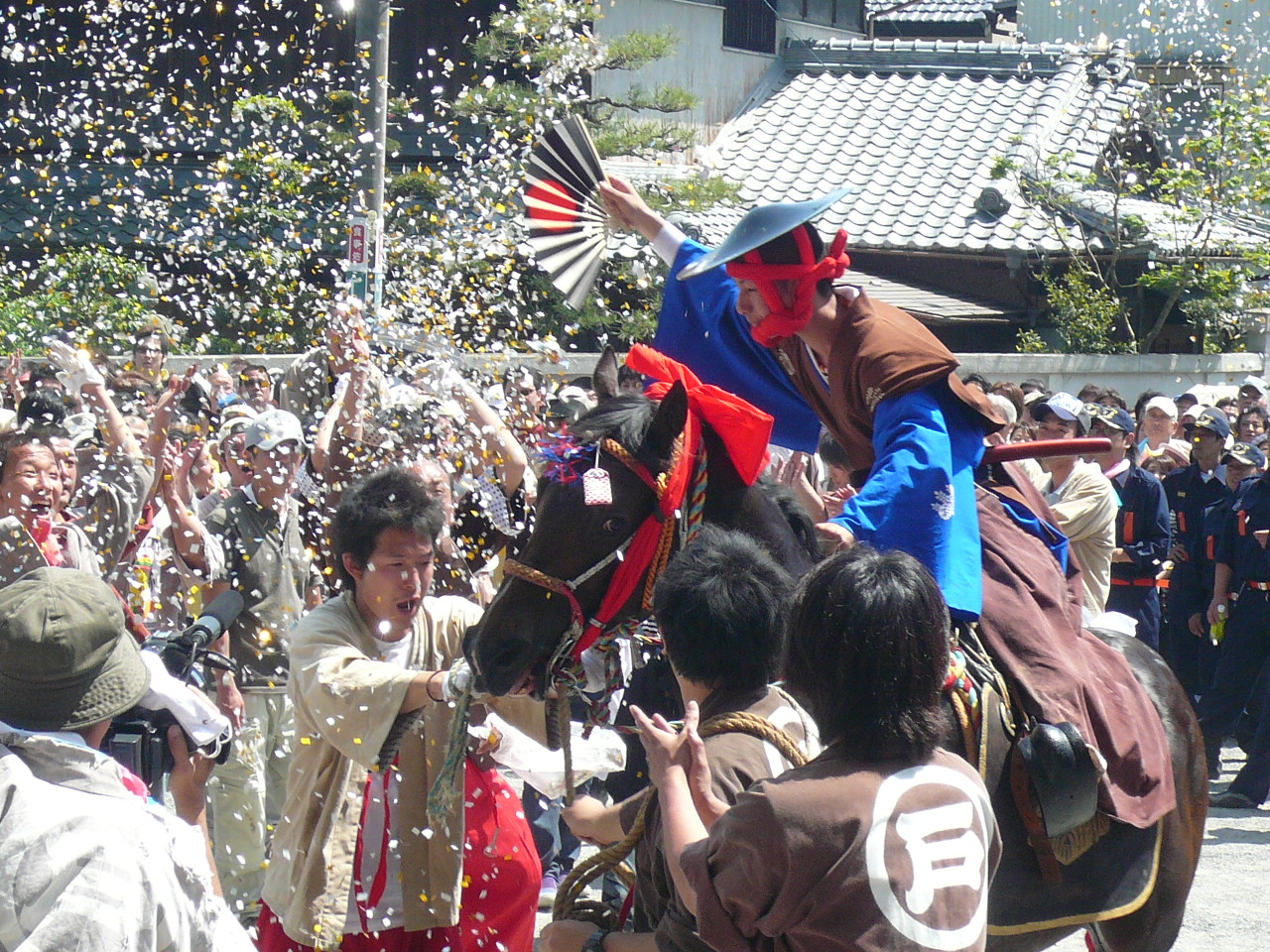
In Shinto belief, the success of this leap serves as an omen for the coming year’s rice harvest. A clean, successful jump is interpreted as a harbinger of prosperity and agricultural abundance, while a refusal or failure to clear the wall is seen as a warning of potential drought or hardship. This ritual is not merely a performance; it is a serious act of divination that has been continuously performed since the Kamakura period, roughly 700 years ago, with oral histories tracing its origins back to the 6th century.
A Chronology of Faith: The History of Tado Taisha
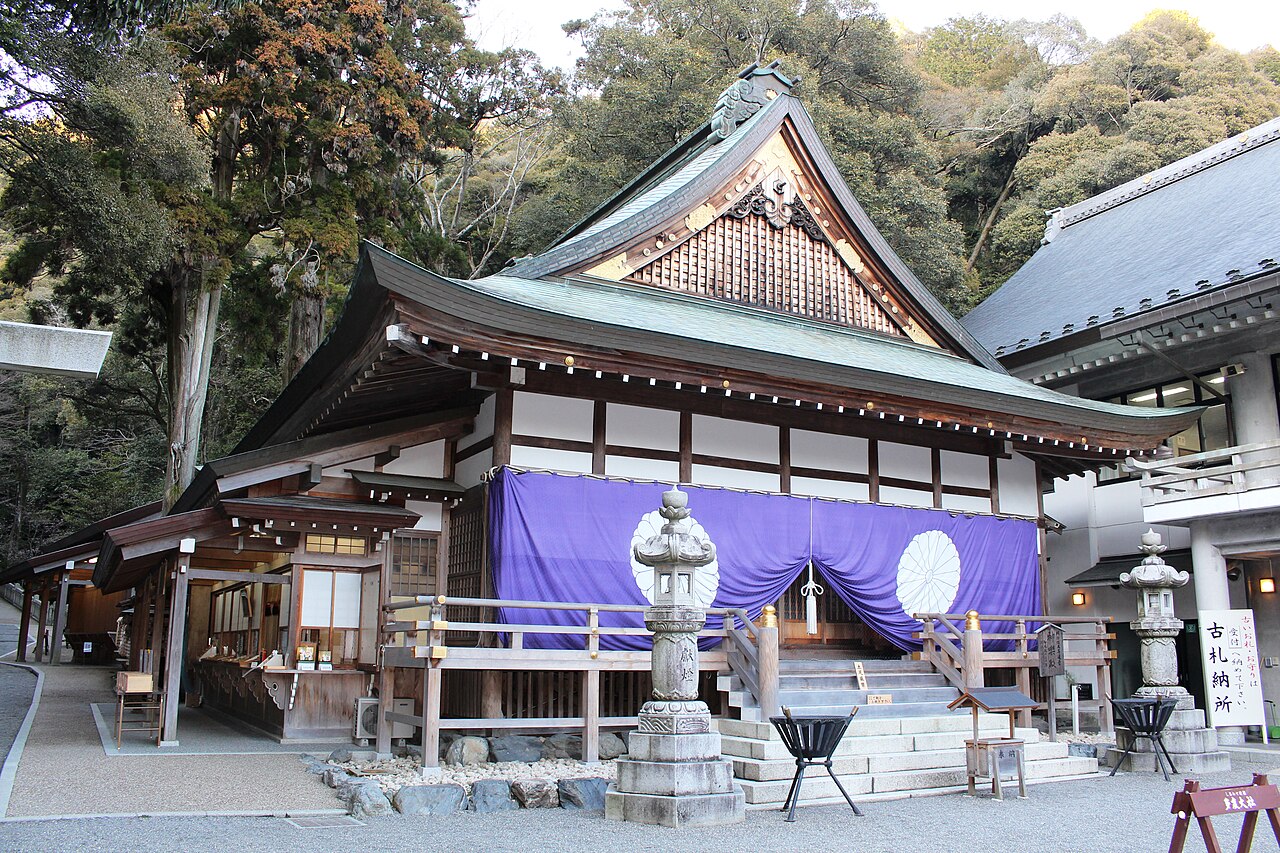
Tado Taisha is a grand shrine of significant historical pedigree, ranking just below the preeminent Ise Grand Shrine in the religious hierarchy of Mie. Nestled at the base of the 403-meter Mt. Tado, the shrine is dedicated to Amatsuhikone-no-mikoto, a deity in the Shinto pantheon known as the "horse protector." This divine association explains why the horse has remained the central motif of the shrine’s identity for over 1,000 years.
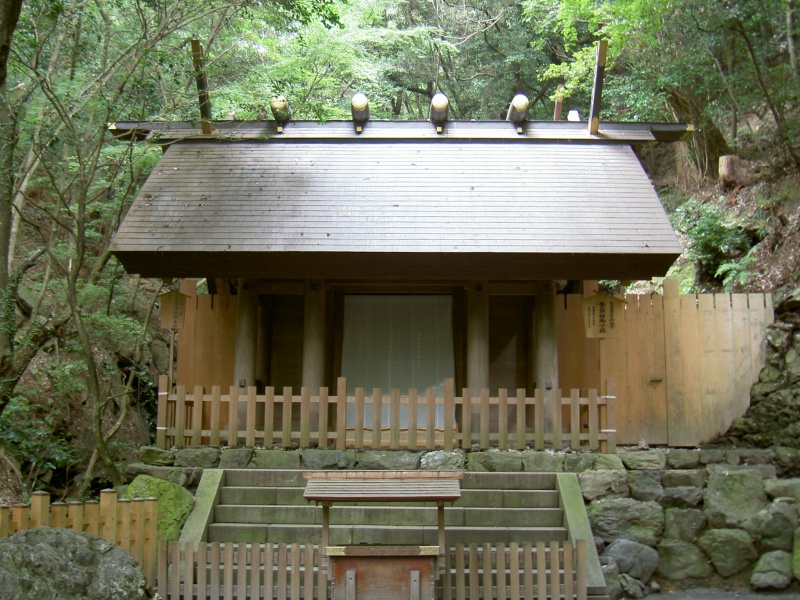
Historical records suggest the shrine was founded in 459 CE during the reign of Emperor Yuryaku. If verified, this would place Tado Taisha among the oldest surviving Shinto institutions in Japan, predating the establishment of many other major regional shrines. By the 9th century, the shrine’s prestige was firmly established, appearing in the Engishiki—the 927 CE register of officially recognized shrines—with an elevated national rank.
Over the centuries, the shrine has evolved to meet the needs of the time. In the medieval period, it was a site for warriors to seek blessings for their cavalry. During the Edo period, it transitioned into a sanctuary for farmers seeking protection for their draft horses. Today, that legacy continues in a modern, secular form: motorcyclists and car enthusiasts frequent the shrine to receive kito (blessings) for vehicle safety, a contemporary extension of the shrine’s ancient equine patronage.
Supporting Data: The Ritual in Detail
The Ageuma Shinji is a marathon of traditional pageantry, typically unfolding over several hours on the afternoon of May 5th. The ritual is deeply communal, involving six local neighborhood associations, each tasked with preparing a rider and a horse for the climb.
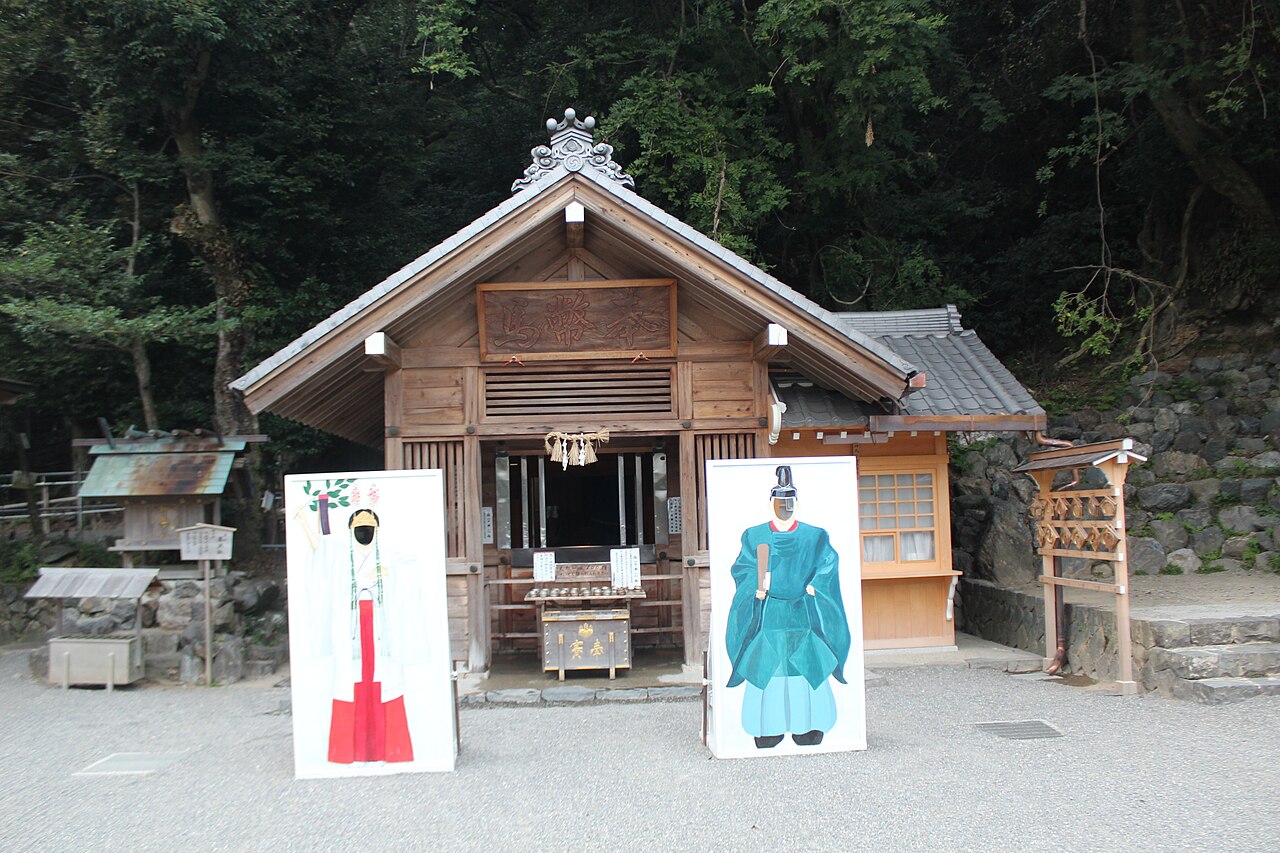
- Preparation: Before the main event, the Gakuraden—the shrine’s ceremonial music hall—hosts pre-ritual prayers and traditional kagura dances, creating a solemn, tense atmosphere.
- The Run: Each neighborhood takes its turn. The rider, clad in early-Edo-period armor, spurs the horse toward the steep, earth-packed incline.
- The Leap: The moment of impact against the wall, or the successful vault over it, is the climactic point of the festival, drawing a collective gasp from the crowds that have been gathered since the early hours of the morning.
- Thanksgiving: Between the runs, the neighborhood associations perform small thanksgiving ceremonies, reinforcing the social fabric that sustains the festival.
The event is a logistical feat, attracting between 300,000 and 400,000 visitors over two days. For spectators, the atmosphere is electric—a mix of high-stakes religious devotion and the sheer tension of watching a dangerous, historical display.
Official Responses: The Animal Welfare Controversy
Since 2020, the Tado Festival has been embroiled in a heated public debate. Animal-welfare advocates have raised significant concerns regarding the welfare of the horses, citing recurring injuries to legs and shoulders caused by the impact against the vertical wall. These incidents, widely reported in Japanese media, have led to formal petitions from various organizations urging the Mie prefectural cultural-properties board to suspend or fundamentally alter the rite.
The shrine authorities have not remained static. Recognizing the shift in public sentiment, Tado Taisha has implemented a series of progressive reforms rather than opting for a total cessation of the ritual:
- Structural Modifications: The height of the wall has been reduced, and the landing zone has been heavily cushioned to mitigate the impact of the jump.
- Participant Restrictions: The age and weight requirements for riders have been adjusted to ensure better control and reduce the physical strain on the animals.
- Transparency: The shrine has opened its doors to dialogue, allowing for the presence of protesters and including contextual information in their official tourism materials, acknowledging the controversy as a legitimate part of the modern discourse.
These changes represent a delicate attempt to preserve the essence of the "Intangible Cultural Property" while adhering to modern ethical standards.
Implications for the Future of Japanese Folk Religion
The situation at Tado Taisha serves as a microcosm for the challenges facing many traditional Japanese festivals. Japan is home to thousands of local rituals that are deeply tied to historical practices that can appear jarring or even cruel to modern sensibilities. The debate surrounding Ageuma Shinji forces a difficult question: How can a society honor its ancestral roots while adapting to a globalized, ethically conscious future?
For the visitor, the experience of the Tado Festival is no longer one-dimensional. It is a complex encounter with a living tradition. You will witness the thunderous hooves and the samurai-clad riders—the "traditional spectacle"—but you will also encounter the quiet, determined presence of protesters and the physical evidence of the shrine’s modifications.
This duality is perhaps what makes the festival most "authentic" in the 2020s. It is not a static museum piece; it is a living, breathing, and struggling tradition that is actively negotiating its place in the modern world. Whether one chooses to attend the festival, visit on a quiet weekday to walk the sacred grounds, or skip the event entirely, the story of Tado Taisha remains an essential chapter in understanding the resilience and adaptability of Japanese folk religion.
Visitor Information and Logistics
For those interested in exploring Tado Taisha, the shrine offers a rich experience regardless of whether you visit during the festival season or on a quiet weekday.
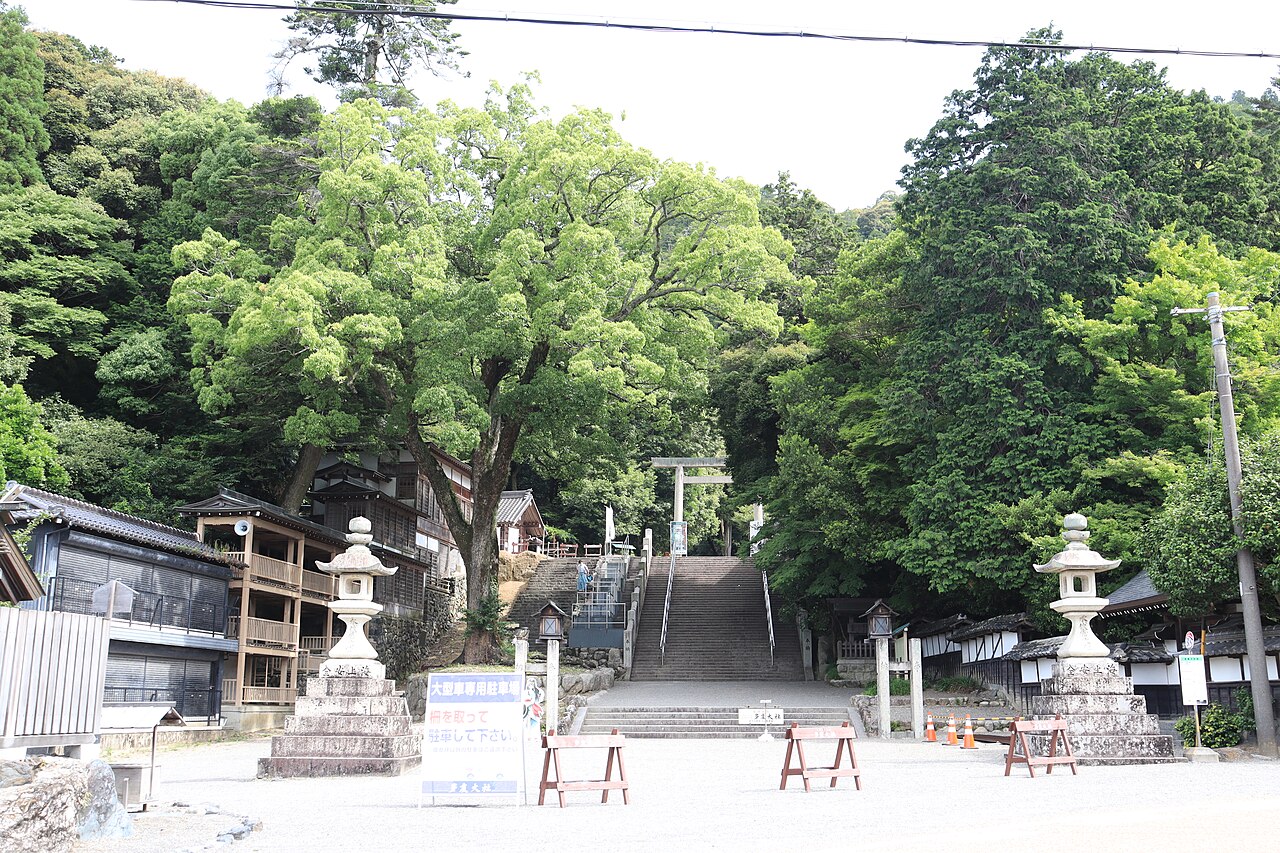
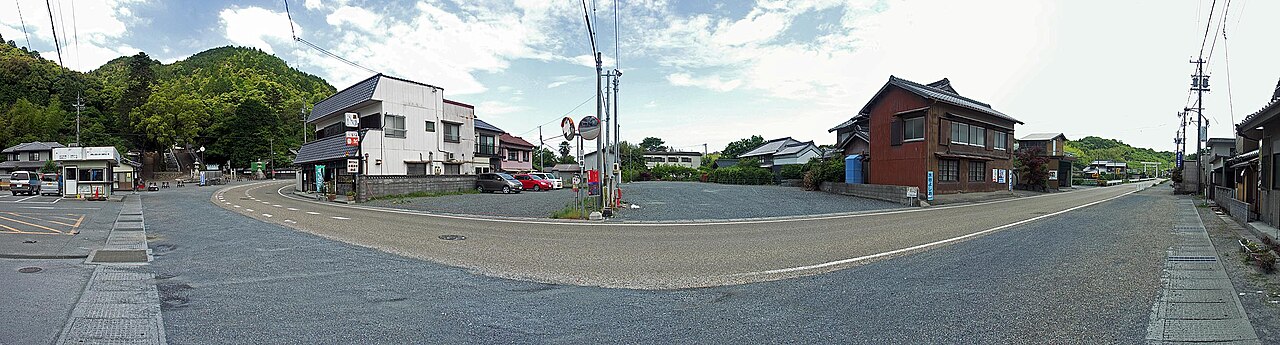
- Getting There: The shrine is accessible from Nagoya via the Kintetsu Nagoya Line to Kuwana (20 minutes), followed by a transfer to the Yoro Railway to Tado Station (15 minutes). A short 5-minute walk brings you to the shrine gates.
- The Precincts: Beyond the festival, the shrine grounds include a treasure hall displaying ceremonial saddles and armor, the sacred horse stable (home to Kintaro, a white thoroughbred who is not used in the jumping rites), and a well-marked trail leading to the summit of Mt. Tado, which offers panoramic views of the Ibi River delta.
- Accommodation: As Tado has no local hotel infrastructure, visitors are encouraged to base themselves in Kuwana or Nagoya. For the May festival, advance booking is essential, as regional accommodations typically reach capacity months in advance.
Ultimately, Tado Taisha stands as a testament to the endurance of faith. It is a site where the echoes of the Kamakura period meet the noise of the 21st century, inviting every visitor to consider the weight of tradition and the responsibility of keeping it alive.


 Neng Nana
 Asro
Asro